
An ionic hair dryer offers significant benefits for hair care. It provides faster drying times and reduced frizz. The device leaves hair looking smoother and shinier. It achieves these results by emitting negative ions. These negative ions break down positively charged water molecules on the hair. This process allows water to evaporate much faster with less heat damage.
The popularity of ionic technology is growing. In 2023, 47% of U.S. consumers preferred ionic dryers. This preference highlights the demand for advanced hair care solutions. The market reflects this trend, with various ionic types available.
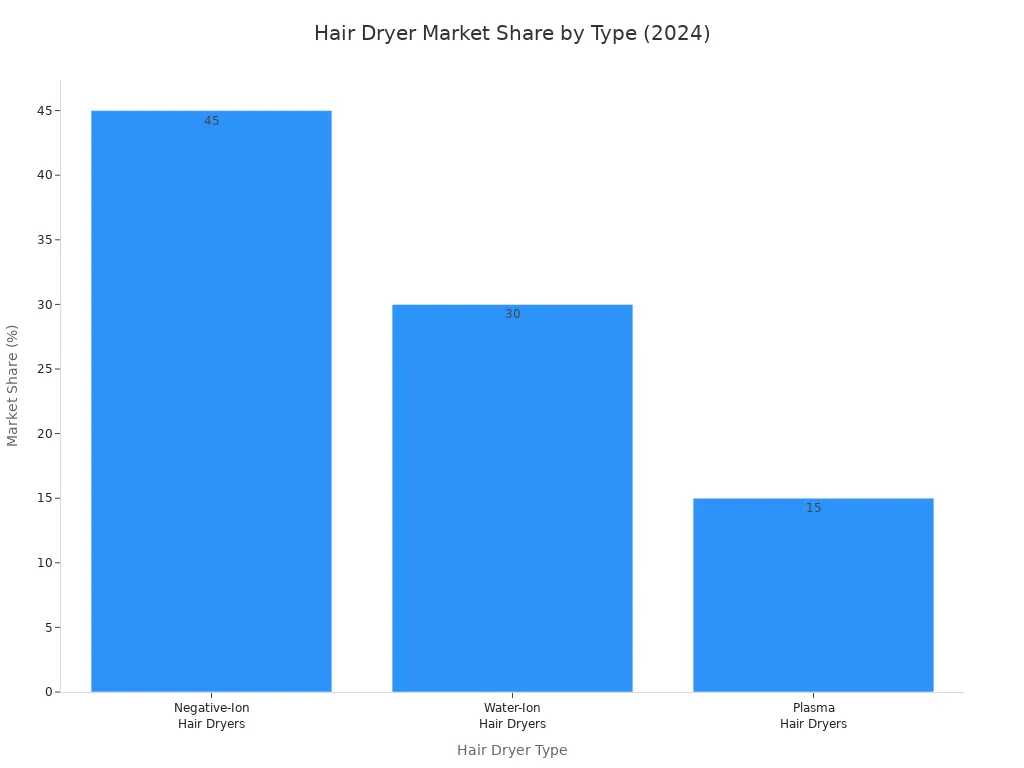
A professional hair dryer manufacturer or hair dryer factory often produces both AC hair dryer and BLDC hair dryer models. These incorporate ionic features to meet consumer needs.
The Science: How an Ionic Hair Dryer Works
An ionic hair dryer leverages basic principles of physics to deliver superior results. The technology centers on the interaction between electrically charged particles, known as ions, and the water on your hair. Understanding this scientific process reveals why an ionic dryer is more than just a tool that blows hot air.
Understanding Ions and Hair Health
At the heart of ionic technology is the relationship between your hair’s electrical charge and its condition. The state of your hair, whether wet or dry, dramatically changes its electrical properties and how it responds to styling.
The Positive Charge of Wet Hair
Dry hair typically acts as an electrical insulator, meaning it does not conduct electricity well. However, this changes when hair becomes wet. Water makes the hair more conductive and, through friction and the properties of water itself, causes the hair’s surface to develop a positive electrical charge. This positive charge makes individual hair strands repel one another, much like magnets with the same polarity. This repulsion is a primary cause of static, flyaways, and a generally frizzy appearance.
The Role of Negative Ions
An ionic hair dryer works by generating and releasing a stream of negative ions. These are atoms or molecules that have gained an extra electron, giving them a net negative charge. The primary function of these negative ions is to neutralize the positive charge found on wet hair. This concept is fundamental to many hair care products. For example, hair conditioners often use positively charged ingredients to attract to and smooth the naturally negative charge of dry, damaged hair. In ionic drying, the opposite occurs: the dryer provides the negative charges needed to restore balance to positively charged wet hair.
The Ionic Drying Process
The neutralization of charges initiates a two-part process that speeds up drying time and improves the final look and feel of the hair. This ionic interaction is what separates this technology from conventional dryers.
Breaking Down Water Molecules
The stream of negative ions from the dryer collides with the positively charged water molecules on the hair strands. This interaction accomplishes a critical task:
- Neutralization: The negative ions give their extra electron to the positively charged water molecules, neutralizing them.
- Micronization: This neutralization breaks large water droplets apart into much smaller micro-droplets.
- Evaporation: These tiny water particles have a much larger collective surface area, allowing them to evaporate significantly faster.
A 2018 review of ionization studies confirms that this ionic effect can accelerate moisture evaporation. This means the hair dries quicker without requiring excessive, damaging heat.
Sealing the Hair Cuticle
Simultaneously, the neutralization of electrical charges has a profound effect on the hair’s structure. The positive charge on wet hair causes the individual scales of the hair cuticle to lift and stand on end, creating a rough, uneven surface.
By neutralizing this charge, negative ions cause these raised cuticle scales to lie flat and close tightly. This sealing action is the key to achieving a smooth, sleek finish and promoting long-term hair health.
A sealed cuticle acts as a protective barrier. It reflects light more evenly, which gives the hair a vibrant, shiny appearance. It also locks in the micro-droplets of water that have penetrated the hair shaft, ensuring the hair remains hydrated from within. This internal moisture improves elasticity and strength, making hair less prone to breakage. The ionic process effectively transforms hair from a rough, frizzy state to a smooth, strong, and polished one.
Key Benefits of an Ionic Hair Dryer
The scientific process behind an ionic hair dryer translates directly into tangible improvements for hair health and styling. These benefits address common hair care challenges, from frizz control to long-term damage. The technology offers a superior approach to drying hair by working with its natural structure, not against it. Exploring these advantages reveals why so many users are making the switch.
Benefit 1: Eliminate Frizz and Static
Frizz and static are primary concerns for many individuals. An ionic dryer directly targets the root cause of this issue: electrical charges on the hair’s surface. The result is a noticeably smoother and more manageable finish.
Neutralizing Electrical Charges
Frizz occurs when positively charged hair strands repel each other. The ionic technology in a hair dryer systematically neutralizes this static electricity. The process unfolds in distinct phases:
- Initial Contact Phase: The stream of negative ions from the dryer seeks out and attaches to the positive charges concentrated on wet hair.
- Charge Balancing: This interaction balances the electromagnetic forces on each strand. It eliminates the static that causes hairs to separate and appear frizzy.
- Cuticle Sealing: With the electrical charges balanced, the raised cuticle scales can lie flat against the hair shaft.
- Surface Optimization: The newly flattened cuticles create a uniform surface, which is the foundation for improved hair smoothness and shine.
Achieving a Sleek Finish
The neutralization of static is the key to achieving a sleek, polished look. A traditional dryer often exacerbates static through friction and high heat, leaving cuticles open and prone to frizz. An ionic dryer does the opposite, delivering reduced frizz and a salon-quality finish.
The following table highlights the fundamental differences in how each dryer type impacts hair:
| Feature | Traditional Hair Dryers | Ionic Hair Dryers |
|---|---|---|
| Primary Mechanism | Pure thermal evaporation | Negative ion emission and charge interaction |
| Static Buildup | Prone to static from friction and heat | Neutralizes positive charges that create static |
| Cuticle Impact | Often leaves cuticles open and rough | Seals cuticles for a smooth surface |
| Heat Requirement | Requires higher temperatures | Effective at lower, safer temperatures |
Benefit 2: Drastically Reduce Drying Time
One of the most celebrated benefits of ionic technology is its remarkable drying efficiency. This leads to a faster drying time, which is not only convenient but also crucial for maintaining hair health.
Faster Water Evaporation
An ionic hair dryer accelerates drying by breaking down large water droplets into tiny micro-droplets. These smaller particles have a much larger surface area, allowing them to evaporate far more quickly. This process is significantly more efficient than relying on heat alone. Some advanced models, for example, claim to provide faster drying times by as much as 75%, showcasing the power of this technology.
Less Heat Exposure for Healthier Hair
A direct consequence of faster drying is less exposure to potentially damaging heat. The ionic process allows users to dry their hair thoroughly in a fraction of the time.
Pro Tip: Because ionic drying is so efficient, users can often select a lower heat setting. This combination of shorter duration and lower temperature makes the entire process much gentler on hair, drastically reducing the risk of heat damage, split ends, and brittleness over time.
Benefit 3: Boost Shine and Retain Moisture
Healthy hair is often characterized by its natural luster and suppleness. The ionic process enhances both of these qualities by sealing the hair’s cuticle, which directly impacts improved shine and moisture retention.
How a Sealed Cuticle Reflects Light
Hair shine is simply the result of light reflecting uniformly off a smooth surface. The hair’s outer layer, the cuticle, is made of overlapping scales. An ionic dryer helps create the ideal surface for this reflection.
- When cuticle scales lie flat and sealed, they create a smooth, even plane.
- Light hitting this smooth surface reflects in a coherent, uniform direction, which the eye perceives as shine.
- In contrast, a damaged, raised cuticle scatters light in many directions, resulting in a dull appearance.
This effect transforms hair from dull and lifeless to vibrant and glossy.
Preventing Dry, Brittle Strands
While it speeds up the evaporation of surface water, the ionic process also helps lock essential moisture inside the hair shaft. A study in the International Journal of Cosmetic Science found that ionic dryers help hair retain more internal moisture compared to conventional methods. By sealing the cuticle, the negative ions trap tiny water molecules within the hair, promoting hydration and elasticity. This internal moisture is vital for preventing the dry, brittle feeling that often results from repeated heat styling, ensuring hair remains strong and healthy.
Is an Ionic Hair Dryer Right for Your Hair Type?
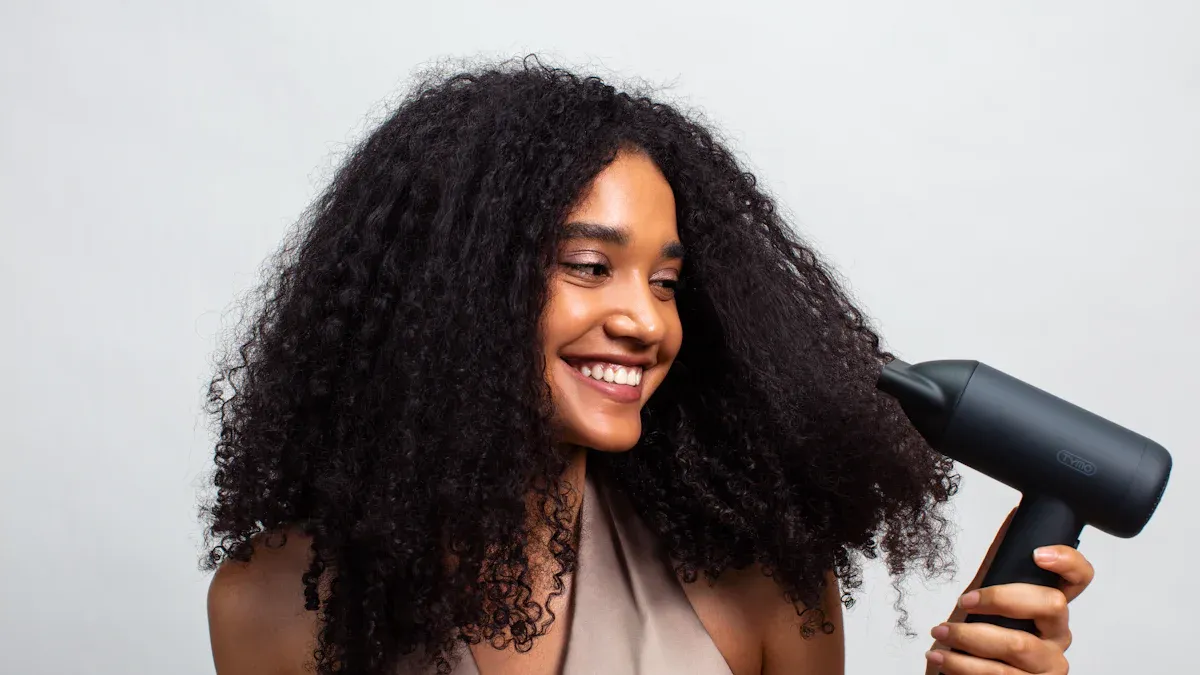
An ionic hair dryer offers powerful benefits, but its effectiveness can vary based on hair texture and condition. Understanding which hair types thrive with this technology helps users achieve optimal results. The advanced smoothing properties are a game-changer for some, while others may need a different approach.
Hair Types That Benefit Most
Certain hair types are particularly well-suited for the intense frizz-fighting and smoothing capabilities of ionic technology. These individuals often see the most dramatic and positive transformations.
Thick or Coarse Hair
Thick or coarse hair textures often require significant time and effort to dry completely. The powerful and efficient nature of an ionic dryer is ideal for this hair type. Coarse hair, which has a wider diameter, is prone to frizz and can resist styling. The high volume of negative ions emitted helps to effectively smooth its robust cuticle, reducing frizz and adding manageability.
Frizzy or Unruly Hair
Frizzy hair is the primary candidate for ionic drying. Since frizz is caused by open cuticles and static electricity, the technology directly addresses the problem at its source.
- Essential Frizz Control: A high-performance ionic dryer neutralizes the positive charges that cause strands to repel each other.
- Enhanced Shine: It seals the hair cuticle, creating a smooth surface that reflects light and combats dullness.
- Moisture Retention: The process helps lock in natural moisture, preventing the dryness that contributes to a frizzy appearance.
Curly and Wavy Hair
Individuals with curly and wavy hair often struggle to dry their hair without creating frizz or disrupting their natural curl pattern. The ionic process is gentle yet effective, helping to define curls and waves. By sealing the cuticle, it reduces the “halo” of frizz that can obscure curl definition, resulting in smoother, bouncier, and more organized patterns.
When to Be Cautious with Ionic Technology
While highly beneficial for many, the powerful effects of ionic technology may not be ideal for everyone. Certain hair types should use these dryers with awareness.
Fine or Thin Hair
Hairstylists often recommend ceramic dryers over ionic ones for individuals with fine hair. The intense smoothing action of an ionic dryer can sometimes be too effective, causing fine strands to become overly sleek and lose volume. While not necessarily harmful, the result can be hair that appears flat or limp. A non-ionic ceramic dryer provides gentler, more diffuse heat that can help preserve body and lift at the roots.
Oily Hair Concerns
People with oily hair or scalps may also want to be mindful. The ultra-smooth finish created by an ionic dryer can cause hair to lie flatter against the head. This proximity to the scalp can sometimes make oiliness more apparent. Using the dryer on a lower heat setting and focusing the airflow on the mid-lengths and ends can help mitigate this effect.
Ionic vs. Other Dryers: A Comparison
Choosing the right hair dryer involves understanding the different technologies available. The market offers several options beyond the standard ionic hair dryer, each with unique mechanisms and ideal use cases. Comparing them reveals which tool best suits specific hair needs and styling goals.
Ionic vs. Ceramic Hair Dryers
The choice between ionic and ceramic dryers often comes down to a trade-off between powerful frizz reduction and gentle, even heat.
Technology: Ions vs. Infrared Heat
These two technologies dry hair in fundamentally different ways.
- Ionic Dryers: Generate a stream of negative ions. These ions interact with positively charged water on the hair, breaking it into smaller droplets for faster evaporation. This process seals the cuticle.
- Ceramic Dryers: Feature internal components coated in ceramic, which heats up evenly and produces infrared heat. This gentle heat penetrates the hair shaft to dry it from the inside out, preventing damage from hot spots.
Best For: Frizz Control vs. Gentle Heat
The different technologies deliver distinct results, making each dryer better for certain priorities. An ionic dryer excels at active frizz control, while a ceramic dryer provides consistent, gentle heat suitable for delicate hair.
| Feature/Dryer Type | Ionic Dryers | Ceramic Hair Dryers |
|---|---|---|
| Frizz Management | Actively reduces frizz by neutralizing static and sealing the cuticle. | Focuses on gentle, even heat; less effective at active frizz reduction. |
| Mechanism | Negative ions break down water and smooth the hair’s surface. | Infrared heat provides consistent heat delivery without advanced ion technology. |
| Hair Feel | Hair feels smoother and sleeker with a glossy finish. | Provides predictable styling but may lack the intense shine of ionic models. |
Ionic vs. Tourmaline Hair Dryers
Tourmaline dryers represent an evolution of ionic technology, offering an even more powerful performance.
Technology: A Powerful Combination
Tourmaline is a semi-precious gemstone ground into a fine powder and used to coat the internal parts of a hair dryer. This material amplifies the effects of an ionic blow dryer. When heated, tourmaline naturally emits a significantly higher number of negative ions and far-infrared heat. This creates a powerful combination that supercharges the drying process.
Best For: Ultra-Fast Drying
The primary advantage of a tourmaline dryer is speed. By dramatically increasing the output of negative ions, it breaks down water molecules even more efficiently than a standard ionic model. This leads to ultra-fast drying times, which minimizes the hair’s overall exposure to heat and is ideal for very thick, coarse, or hard-to-dry hair.
Ionic vs. Standard Metal or Plastic Dryers
This comparison highlights the difference between modern hair care technology and basic, traditional tools.
Technology: Advanced vs. Basic Hot Air
Standard dryers operate on a simple principle: a fan blows air across a heating element, usually made of metal. This produces a stream of hot air that evaporates water through sheer force and high temperature. In contrast, the ionic process is far more advanced. It uses charged particles to dry hair faster at lower temperatures, preserving internal moisture and promoting better hair health.
Best For: Hair Health vs. Budget
The choice here is often a matter of priority. Standard dryers are the most affordable option, making them accessible on any budget. However, their reliance on high heat can strip moisture and lead to damage over time. An ionic dryer costs more but serves as an investment in healthier hair by providing a gentler, more effective drying experience that reduces damage and enhances shine.
How to Choose the Best Ionic Hair Dryer
Selecting the right ionic hair dryer involves looking beyond the basic promise of frizz reduction. Key features and attachments determine how well a dryer will perform for specific hair types and styling goals. Understanding these components helps users make an informed decision.
Essential Features to Look For
High-quality dryers offer a range of customizable options that protect hair health and provide styling versatility. These features are crucial for maximizing the benefits of ionic technology.
Variable Heat and Speed Settings
Customizable settings are essential for effective and safe styling. Multiple heat and speed options allow users to tailor the airflow and temperature to their hair’s texture and condition. Lower settings are ideal for fine or damaged hair, while higher settings can speed up drying for thick, coarse hair. This control prevents unnecessary heat damage and ensures optimal results.
The Cool Shot Button
The cool shot button is a vital feature for finishing a style. After drying a section with heat, a blast of cool air rapidly cools the hair and locks the style in place. This process also helps to further seal the hair cuticle, which enhances shine and smoothness. Using the cool shot is a professional technique that provides a long-lasting, salon-quality finish.
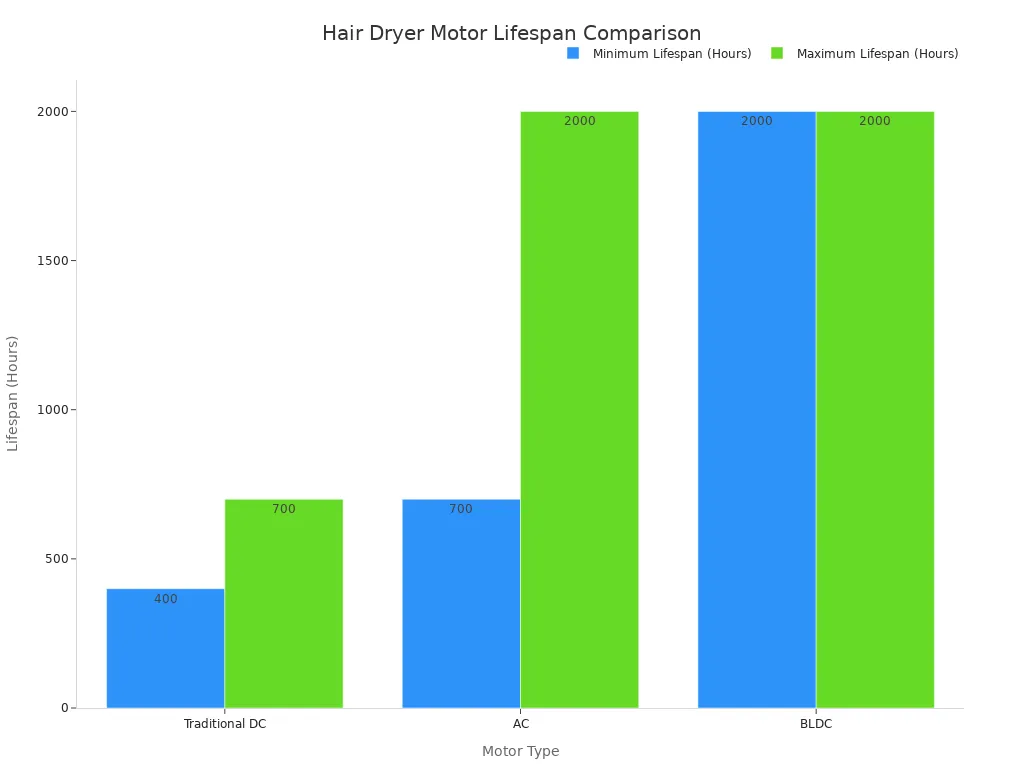
Wattage and Motor Type
Wattage and motor type directly impact a dryer’s power, performance, and longevity. Wattage indicates the motor’s power output.
- Home Use: A wattage between 1500 and 1875 watts is excellent for most hair types.
- Fine Hair: Users with fine hair should choose a model under 1800 watts to prevent damage.
- Thick or Coarse Hair: A professional-grade dryer over 2000 watts provides the power needed for faster drying.
The motor is the engine of the hair dryer. AC, DC, and BLDC motors offer different levels of durability and performance.
| Motor Type | Lifespan (Hours) | Key Characteristics | Best For |
|---|---|---|---|
| DC Motor | 400-700 | Lightweight, quiet, and affordable. | Home use and travel. |
| AC Motor | 700-2,000 | Powerful airflow, highly durable, but heavier. | Frequent use and professional settings. |
| BLDC Motor | 2,000+ | Extremely long-lasting, energy-efficient, and quiet. | Premium performance and longevity. |
BLDC motors represent the latest in hair dryer technology, offering exceptional power in a lightweight design.
Understanding Nozzles and Attachments
Attachments transform a hair dryer from a simple drying tool into a precision styling device. The two most common attachments are concentrators and diffusers.
Concentrators for Smooth Styles
A concentrator nozzle features a narrow opening that directs a focused stream of air. This precision is essential for creating sleek, smooth styles. It allows users to dry hair section by section, minimizing frizz and aligning hair fibers for a polished, glassy finish. When used with a round brush, a concentrator provides the control needed for professional-looking blowouts.
Diffusers for Curls and Volume
A diffuser attachment disperses airflow over a larger area. This gentle cascade of air is perfect for individuals with curly or wavy hair. It enhances the natural curl pattern without creating frizz. A diffuser also helps to boost volume at the roots, defining curls and creating soft, bouncy waves. The ionic effect of the dryer works with the diffuser to ensure curls remain smooth and well-defined.
Maximizing the Benefits of Your Ionic Dryer
Owning an ionic hair dryer is the first step toward healthier styling. Users can unlock its full potential by adopting professional techniques. Correct application ensures maximum benefits, transforming the daily drying routine into a hair-enhancing treatment.
Correct Drying Techniques
Proper technique is essential for achieving salon-quality results. It protects hair from damage while amplifying the smoothing and shining effects of the ionic technology.
Sectioning Your Hair
Stylists recommend a systematic approach to drying. Users should begin when hair is about 60-70% dry to minimize heat exposure. Following a structured process ensures every strand receives even attention.
- Apply a heat protectant to damp, detangled hair.
- Divide hair into manageable sections, roughly the size of the styling brush.
- Dry one section at a time, directing the airflow down the hair shaft.
This method prevents tangling and ensures the ionic effect efficiently seals each hair cuticle for a smooth, frizz-free finish.
Using the Right Temperature
Using the correct heat setting is crucial for hair health. An ionic dryer’s efficiency allows for lower temperatures. Users should adjust the heat based on their specific hair type to prevent damage.
| Hair Type | Optimal Heat Setting |
|---|---|
| Fine or Damaged Hair | Low |
| Normal or Medium Hair | Medium |
| Thick or Coarse Hair | Medium to High |
Matching the temperature to the hair’s needs prevents overheating and preserves its natural moisture.
Finishing with a Cool Shot
The cool shot button is a non-negotiable step for a lasting style. After a section is dry and styled, a blast of cool air locks the hair cuticle in its new, smooth position. This technique sets the style for the day and boosts the hair’s natural shine, creating a polished and durable look.
Common Mistakes to Avoid
Simple errors can undermine the advantages of ionic technology. Avoiding these common pitfalls helps protect hair and ensures the best possible outcome from every use.
Holding the Dryer Too Close
A frequent mistake is holding the dryer nozzle too close to the hair. Users should maintain a distance of at least six inches.
Holding the dryer any closer concentrates intense heat on one spot. This can scorch the hair and cause the dryer’s internal components to overheat, leading to damage and reducing the appliance’s lifespan.
Over-Drying Your Hair
The speed of an ionic dryer can be deceptive. It is easy to continue drying past the point of necessity, which strips hair of essential internal moisture. This mistake can leave hair feeling brittle and looking dull. Users should stop drying when the hair feels dry to the touch, not when it is bone-dry. This practice preserves the hair’s natural hydration and elasticity.
Are Ionic Hair Dryers Worth the Investment?
Deciding whether to purchase an ionic hair dryer involves weighing its initial cost against its long-term advantages. The technology offers clear benefits, but users must consider their budget and hair type to determine if it is a worthwhile investment.
Analyzing the Cost vs. Benefits
The price tag of an ionic dryer often reflects its advanced capabilities. However, the upfront cost can lead to significant savings and improved hair health over time.
The Price of Advanced Technology
An ionic hair dryer typically costs more than a standard model. This price difference is due to the specialized components required to generate negative ions, such as tourmaline coatings or dedicated ion generators. The investment funds the advanced technology that delivers superior drying performance and protects hair from excessive heat damage.
Long-Term Hair Health Savings
The initial expense can translate into future savings. Enhanced hair health reduces the need for costly interventions and products. The long-term financial benefits are clear.
- Reduced need for reparative products: Less heat exposure from an ionic dryer leads to less breakage. This decreases the need for products designed to repair damaged hair.
- Less styling time and products: Improved hair appearance means less time spent styling. It also means potentially fewer styling products are required to achieve desired looks.
Potential Downsides to Consider
While ionic technology is powerful, it is not universally ideal. Certain hair types may not respond as well, and budget can be a significant factor for many consumers.
The Risk of Limp Hair on Fine Types
The primary downside involves fine or thin hair. The powerful smoothing effect of an ionic dryer can sometimes be too effective on delicate strands. This can cause the hair to lose volume and appear limp or flat. Individuals with this hair type might find a ceramic dryer to be a more suitable option for preserving body.
Finding a Quality Dryer on a Budget
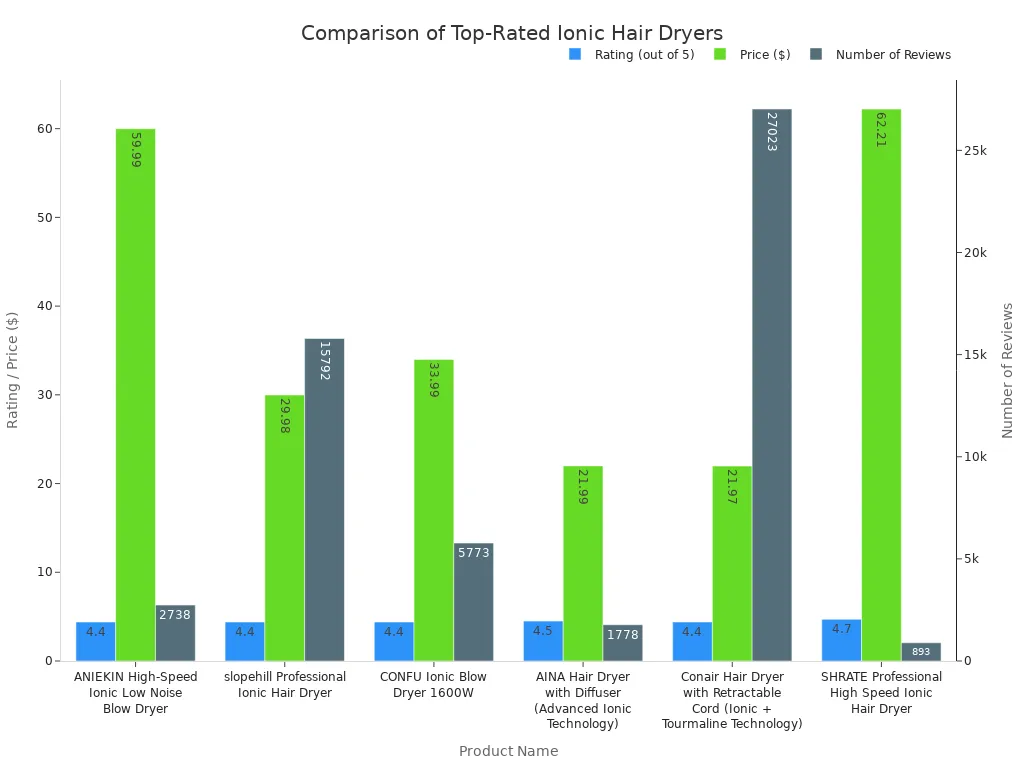
High-end ionic models can be expensive, but many affordable options deliver excellent results without a premium price tag. It is possible to find a quality dryer on a budget.
Brands like Conair, slopehill, and AINA offer highly-rated ionic dryers at accessible price points. For example, the Bio Ionic GoldPro Speed Dryer is often highlighted as an affordable choice with professional features. The market provides numerous effective models that make ionic technology available to a wider range of consumers.
An ionic hair dryer is a scientifically proven tool offering significant benefits. The ionic technology uses negative ions to break down water, delivering faster drying times and reduced frizz. These negative ions also seal the hair cuticle, leading to improved shine and better long-term hair health. For individuals with thick or unruly hair, the ionic dryer is a worthwhile investment for achieving salon-quality results at home.
FAQ
Is an ionic hair dryer safe for daily use?
Is an ionic hair dryer safe for daily use?
Yes, ionic hair dryers are safe for daily use. The technology allows for faster drying at lower temperatures. This process reduces the hair’s overall heat exposure, making it a gentler option for regular styling compared to conventional dryers.
Can users turn the ionic feature off on a dryer?
Can users turn the ionic feature off on a dryer?
Some advanced models include an ion switch. This feature gives users control over the ionic output. Deactivating the ions can help create more volume, providing greater styling flexibility for fine or thin hair types.
Do ionic dryers work well on color-treated hair?
Do ionic dryers work well on color-treated hair?
Ionic dryers are highly beneficial for color-treated hair. The negative ions seal the hair cuticle tightly. This action helps lock in color molecules, which can extend the life of the color and enhance its vibrancy and shine.
What is the main difference between ionic and ceramic dryers?
What is the main difference between ionic and ceramic dryers?
The core difference lies in their primary technology.
- Ionic dryers emit negative ions to fight frizz and static.
- Ceramic dryers use infrared heat for gentle, even drying.
An ionic dryer actively smooths hair, while a ceramic dryer focuses on damage prevention through consistent heat.
How often should someone clean an ionic hair dryer?
How often should someone clean an ionic hair dryer?
Users should clean the rear filter every few weeks. Lint and dust can obstruct airflow, reducing performance and creating a fire hazard. Regular cleaning maintains the dryer’s efficiency and extends the motor’s lifespan. Always unplug the dryer before cleaning.
Are ionic hair dryers noisy? 🔊
Are ionic hair dryers noisy? 🔊
Noise levels depend on the motor. Professional AC motors can be louder but more powerful. Newer models with BLDC (brushless) motors are often significantly quieter and more lightweight while still providing excellent airflow for a more pleasant user experience.