
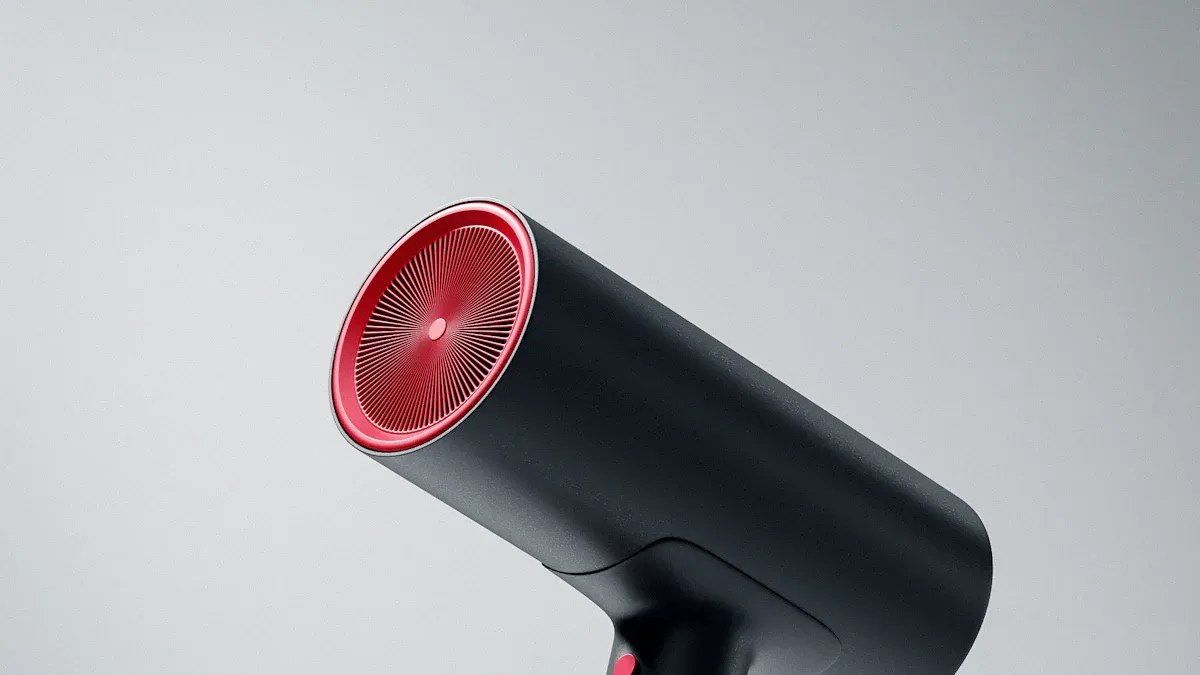
For most people and nearly all professional use, a traditional hair dryer offers superior power and value. Its performance, from a traditional AC hair dryer or a modern BLDC hair dryer, explains its 78.5% market share—a statistic any hair dryer manufacturer from a hair dryer factory knows well. Cordless hair dryers are best for niche situations.
The cordless hair dryer is a specialized tool. These cordless models excel only when portability is the absolute priority, making significant compromises in power and runtime.
At a Glance: Cordless vs. Traditional Hair Dryer Showdown
When choosing a hair dryer, understanding the fundamental trade-offs between corded and cordless models is essential. The decision hinges on whether a user prioritizes raw power and reliability or ultimate freedom of movement. This breakdown illuminates the core differences to guide your choice.
Key Differences in a Nutshell
Power and Wattage
The most significant distinction lies in power output. Corded hair dryers draw electricity directly from a wall outlet, enabling much higher wattage. A cordless device relies on a finite battery source, which limits its power capabilities. This difference directly impacts overall hair drying performance.
| Feature | Corded Hair Dryers | Cordless Hair Dryers |
|---|---|---|
| Power Output | 1800-2500+ watts | Under 600 watts |
Drying Speed
Higher wattage translates directly to faster drying. Corded hair dryers generate more powerful airflow and higher heat, significantly reducing the time needed to dry hair, especially for those with thick or long locks. The lower power of a cordless hair dryer means drying sessions are considerably longer, making it less practical for a full, damp-to-dry styling routine.
Runtime and Charging
A traditional dryer offers a clear advantage with its unlimited runtime. It works as long as it is plugged in. A battery hair dryer, in contrast, operates on a strict time limit. The advertised runtime for a cordless model can be misleading.
- High Heat: A battery hair dryer typically provides only 12-25 minutes of use.
- Cold Air: Using only the cool shot feature can extend the battery life to over an hour.
- Charging: A full recharge often takes several hours, creating significant downtime between uses.
This limited runtime makes the cordless option unreliable for complex styling.
Portability and Weight
Portability is the sole area where the cordless model excels. Its lack of a cord offers unparalleled freedom for travel, gym use, or quick touch-ups away from a power outlet. Traditional corded hair dryers are bulkier and tethered to the wall. Their design prioritizes stationary performance over mobility. The convenience of a cordless tool is its primary selling point.
Note: The superior performance of a traditional dryer often justifies its lack of portability for daily home use. A battery hair dryer trades power for convenience.
Cost and Long-Term Value
The initial investment for cordless technology is substantially higher. Consumers pay a premium for the convenience of a cord-free experience. In terms of long-term value, corded hair dryers are generally more durable and have a longer lifespan. The battery in a cordless device degrades over time, which may affect performance and eventually require a costly replacement, diminishing its overall value.
The Case for the Traditional Hair Dryer
While cordless models offer portability, traditional corded hair dryers remain the superior choice for consistent, high-quality results. Their design prioritizes power and reliability, delivering a level of performance that battery-operated devices cannot match. The advantages of a traditional dryer are clear for daily home styling and essential for professional use.
Unmatched Power for Faster Drying
The primary benefit of corded hair dryers is their direct connection to a power source. This allows for a powerful motor and heating element, which are crucial for efficient drying.
The Role of High Wattage
High wattage enables a dryer to produce strong airflow and consistent heat. This combination drastically reduces drying time. Most traditional models operate at 1800 watts or higher, providing the energy needed for robust performance.
Impact on Thick and Long Hair
Individuals with thick or long hair benefit most from a powerful dryer. The strong airflow penetrates dense hair sections, drying them from the inside out. This efficiency prevents the outer layers from becoming over-dried while the inner layers remain damp.
Achieving Salon-Quality Blowouts
Creating a smooth, voluminous blowout requires sustained heat and powerful airflow. Corded hair dryers provide the professional-grade performance necessary to seal the hair cuticle, reduce frizz, and lock a style in place for a polished, lasting finish.
Unlimited Runtime for Uninterrupted Styling
A key differentiator for traditional models is their unlimited runtime. This feature eliminates the time constraints and anxiety associated with battery life.
Pro Tip: The unlimited runtime of a corded dryer ensures your styling session is never cut short, allowing for meticulous and complex hairstyling without interruption.
Freedom from Battery Anxiety
Users never need to worry about a battery dying mid-style. The constant power supply provides peace of mind and reliability. This makes the styling process smoother and more predictable.
Essential for Professional Use
Stylists depend on tools that can operate for hours on end. The unlimited runtime of corded hair dryers is non-negotiable in a salon environment, where back-to-back appointments demand continuous performance.
Reliability for Complex Routines
Elaborate styling routines often require more time. The consistent runtime allows users to section, dry, and style their hair thoroughly without rushing against a ticking clock, ensuring better results.
Superior Technology and Features
Manufacturers equip traditional dryers with a wide array of advanced features designed to enhance hair health and styling versatility. These advantages contribute to their superior performance.
Advanced Ionic and Ceramic Technology
Many corded models incorporate ionic, ceramic, or tourmaline technologies. These features help reduce frizz, distribute heat evenly, and protect hair from damage. Such advanced features are rare in cordless options due to power limitations.
A Wider Range of Attachments
Corded hair dryers typically come with multiple attachments, including:
- Concentrator nozzles for precise styling
- Diffusers for enhancing natural curls These tools offer greater control and customization, which are key features for achieving specific looks.
More Heat and Speed Combinations
These dryers offer multiple heat and speed settings. This versatility allows users to tailor the airflow and temperature to their specific hair type and styling needs, a level of control that enhances their professional-grade performance. The abundance of features makes the traditional model a top-tier choice.
The Niche Appeal of Cordless Hair Dryers
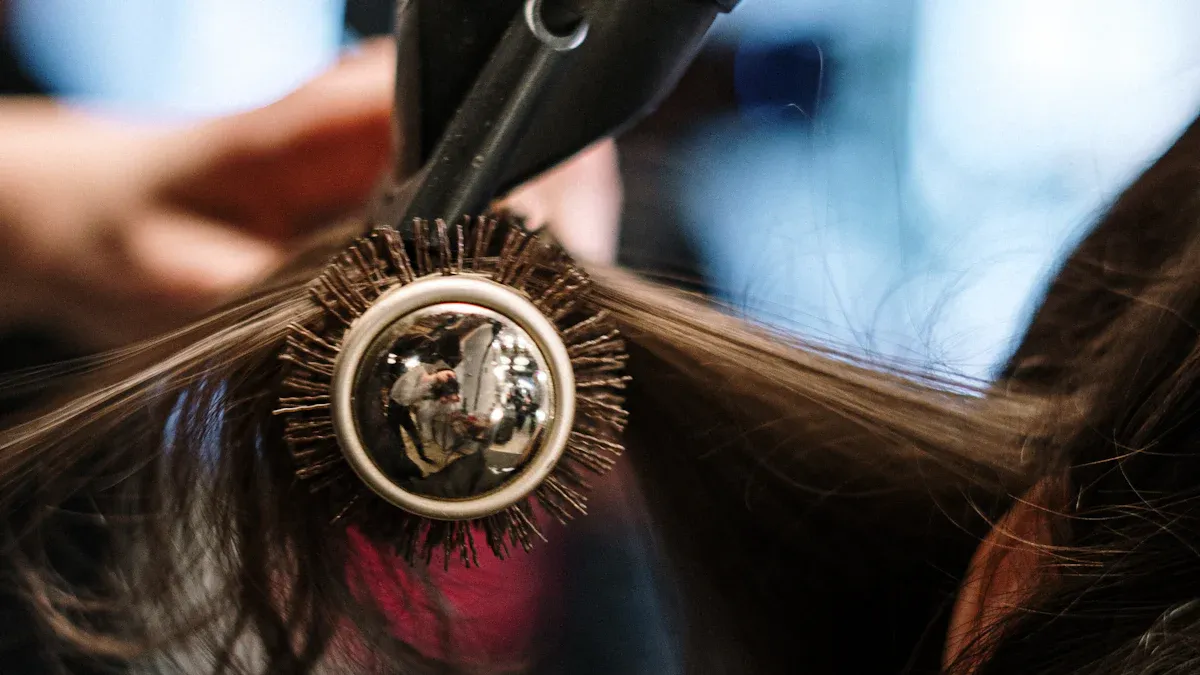
Despite their limitations, cordless hair dryers serve a specific market that prioritizes ultimate mobility over raw power. Their appeal lies in their ability to function anywhere, untethered from a wall outlet. This unique advantage makes them a valuable secondary tool for particular lifestyles and situations.
The Ultimate Advantage: True Portability
The single greatest benefit of a cordless hair dryer is its unparalleled portability. This freedom is a game-changer for users who are constantly on the move. The design of a battery operated hair dryer focuses entirely on this convenience.
The Perfect Travel Companion
For frequent flyers, a cordless model offers exceptional travel convenience. It eliminates the need for outlet converters and fits easily into luggage. This makes travel styling simple and efficient. Users value the ability to use their device anywhere during their travel, from an airport lounge to a hotel room with poorly placed outlets. The cordless design is ideal for any travel itinerary.
Ideal for the Gym Bag
A battery hair dryer is perfect for the gym enthusiast. Its compact size allows it to be tossed into a gym bag for a quick dry after a workout. This enables a seamless transition from a fitness session to the office or a social event, offering a practical solution for portable hair styling.
Styling in Off-Grid Scenarios
The cordless nature of a battery operated hair dryer makes it indispensable for off-grid situations like camping, music festivals, or living in a vehicle. This mobility provides a touch of modern convenience where traditional power sources are unavailable, making it a go-to for travel in remote locations.
Understanding the Major Limitations
The convenience of cordless hair dryers comes with significant trade-offs. Users must understand these compromises in power, runtime, and cost before making a purchase.
Important Note: The performance of a battery hair dryer is fundamentally limited by its power source. This impacts every aspect of its function, from drying speed to overall effectiveness.
The Reality of Low Power
A cordless device cannot match the power of a corded one. Most battery hair dryer models operate under 600 watts, a fraction of the 1800+ watts common in traditional dryers. This lower wattage results in weaker airflow and less heat, significantly increasing drying time, especially for those with thick or long hair.
Short Battery Life Explained
The limited battery life is a major drawback. A rechargeable hair dryer offers a very short runtime on high heat, often just 12 to 25 minutes. This brief window is frequently insufficient for a complete drying and styling session. The short battery life makes the tool unreliable for anything beyond quick touch-ups.
The Inconvenience of Charging Time
After the short runtime is exhausted, a cordless tool requires a lengthy recharge. This process can take several hours, creating significant downtime. This cycle of short usage followed by long charging periods makes the battery hair dryer impractical as a primary styling tool.
The High Cost of Convenience
Consumers pay a premium for the portability of a cordless device. The advanced battery technology and compact engineering make these models significantly more expensive than their more powerful corded counterparts. This high initial cost, combined with a shorter lifespan due to battery degradation, reduces their long-term value.
Analyzing Hair Drying Performance Metrics
Understanding the key metrics behind hair drying performance helps clarify why traditional and cordless dryers operate so differently. Wattage, airflow, and heat control are the three pillars that determine a dryer’s effectiveness and its impact on hair health. Analyzing these factors sets realistic performance expectations for each type of device.
Wattage: What It Really Means for Your Hair
Wattage is the most common metric consumers see, but it represents the total power consumption of the motor and heating element combined. It is a direct indicator of a dryer’s potential performance.
Why 1875W Is the Gold Standard
For corded dryers, 1875 watts has become the industry benchmark for a powerful, effective tool. This level of power supports strong airflow and high, stable heat, enabling fast drying for most hair types. It provides the robust performance needed for salon-quality results at home.
How Cordless Wattage Compares
A cordless hair dryer operates at a significantly lower wattage, typically under 600 watts. This drastic reduction is a direct consequence of relying on a battery. The lower power limits both the fan speed and the heat output, making the cordless dryer’s performance fundamentally weaker than its corded counterparts.
Airflow (CFM) and Drying Efficiency
While wattage is important, airflow—measured in Cubic Feet per Minute (CFM)—is a critical factor for fast drying. High airflow can be more important than high heat for efficient and healthy drying.
The Science of Fast Drying
Effective drying is about moisture displacement. Strong airflow physically pushes water off the hair strands. It breaks through the hair’s natural moisture barrier for efficient removal. Weak airflow from a low-performance cordless model often just circulates air around the hair, wasting time and energy.
Did You Know? Strong airflow is a key component of superior hair drying performance.
- Higher CFM ratings lead to significantly faster drying times.
- Powerful airflow can reduce drying time by up to 70%.
- Efficient moisture removal allows for lower heat settings, which helps preserve hair health.
Corded vs. Cordless Airflow
Corded dryers, with their powerful motors, generate much higher CFM. This allows them to dry hair quickly and effectively. The limited power of a cordless dryer means its fan produces weaker airflow, extending drying time and making it less suitable for thick or very wet hair.
The Importance of Heat Control
Proper heat control is essential for preventing damage and achieving a lasting style. The ability to adjust temperature gives users the flexibility to cater to their specific hair type.
Protecting Hair from Damage
Using the correct temperature prevents the hair cuticle from overheating and breaking. Different hair types require different heat levels to dry safely and effectively. A cordless dryer often lacks multiple heat settings, limiting its versatility.
| Hair Type | Recommended Setting | Temperature Range | Special Considerations |
|---|---|---|---|
| Fine/Thin | Low heat | 80-100°F (27-38°C) | Most susceptible to damage, use heat protectant |
| Medium/Wavy | Medium heat | 100-120°F (38-49°C) | Balance between efficiency and protection |
| Thick/Coarse | High heat (short sessions) | 120-140°F (49-60°C) | Can withstand higher heat but limit exposure time |
| Damaged/Processed | Low heat only | 80-100°F (27-38°C) | Chemically treated hair needs gentle care |
| Curly | Low-medium heat | 90-110°F (32-43°C) | Use diffuser attachment for best results |
Setting Styles with a Cool Shot
A cool shot button is a vital feature for locking a style in place. The blast of cold air rapidly cools the hair, closing the cuticle and setting the shape for a smooth, long-lasting finish. This feature is standard on most corded dryers but is a rare find on a cordless model due to battery constraints.
Comparing Corded Hair Dryers and Their Technology
The superior performance of traditional corded hair dryers stems largely from their advanced internal technologies. Manufacturers integrate sophisticated materials and motor designs to improve drying speed, protect hair health, and enhance the user experience. These advanced features are rarely found in battery-powered alternatives due to power and cost constraints. Understanding these technological features helps users select the best tool for their needs.
Ionic vs. Ceramic vs. Tourmaline
Modern corded hair dryers often incorporate one or more of these materials into their heating elements and internal components. Each offers distinct benefits for hair care. These are some of the most important features to consider.
Ionic for Frizz Reduction
Ionic technology is a game-changer for controlling frizz. Ionic dryers emit negative ions that interact with the positive ions found in wet hair. This process breaks down water molecules and helps seal the hair cuticle. The result is significantly reduced frizz and enhanced shine, especially for individuals with thick or damage-prone hair. Non-ionic dryers lack these frizz-reducing features and rely solely on heat.
Ceramic for Even Heat
Ceramic components are prized for their ability to distribute heat evenly and consistently. Dryers with ceramic-coated grilles or internal parts prevent damaging hot spots. This gentle, uniform heat protects hair from thermal damage, making it a staple feature in quality hair tools.
Tourmaline for Faster Drying
Tourmaline, a semi-precious mineral, elevates the performance of traditional dryers. It naturally generates negative ions and far-infrared heat. This technology can produce up to six times more negative ions than ceramic alone.
This powerful ionic output breaks down water molecules into smaller droplets, allowing them to evaporate much faster. The result is a quicker drying time with less heat exposure, a key benefit of these advanced features.
The Role of Brushless Motors
The motor is the heart of a hair dryer. High-end corded hair dryers increasingly use brushless motors, a significant upgrade over the traditional DC motors found in many consumer models. These motors offer superior features and performance.
Increased Lifespan and Efficiency
Brushless motors are built for longevity and efficiency. They operate without the physical brushes that wear down over time in a DC motor. This design dramatically extends the tool’s operational life. The development of these motors has also led to more energy-efficient models.
| Motor Type | Typical Lifespan (Operating Hours) |
|---|---|
| Traditional DC Motor | 500-1,500 |
| Brushless Motor | 10,000+ |
Quieter Operation
A major user benefit of brushless motors is their quieter operation. The absence of friction from brushes reduces mechanical noise, creating a more pleasant and less disruptive styling experience. This is one of the premium features that distinguishes high-performance corded hair dryers.
A Practical Guide to Choosing Your Dryer
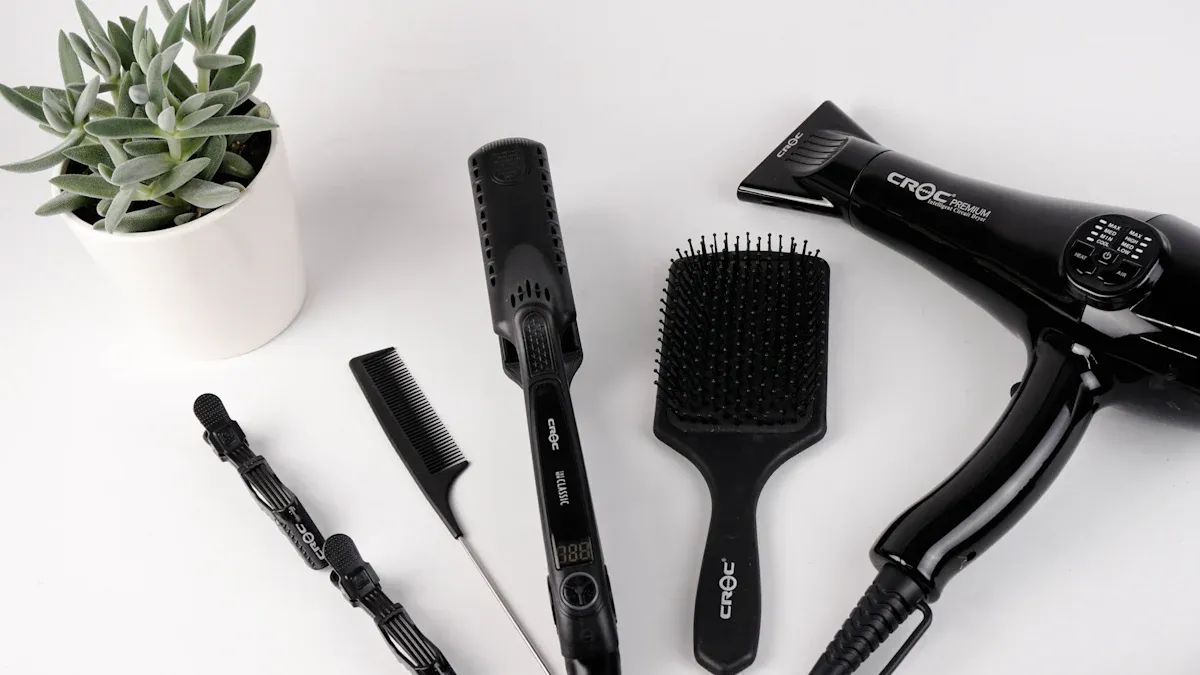
Choosing the right hair dryer requires a careful evaluation of personal needs, hair type, and lifestyle. The decision between a corded and a cordless model becomes simple when users analyze their primary requirements for power, convenience, and styling outcomes. This guide provides a clear framework for making an informed choice.
Assess Your Primary Use Case
A user’s daily routine is the most important factor in selecting a hair dryer. The ideal tool depends entirely on where, when, and how it will be used.
Are You a Daily Home Styler?
Individuals who style their hair at home each day need a reliable and powerful tool. Corded hair dryers deliver the consistent performance necessary for daily routines. Their unlimited runtime and superior power ensure a quick and effective styling session every time, making them the practical choice for home use.
Are You a Professional Stylist?
For professional use, there is no substitute for a high-performance corded model. Stylists require tools that can run for hours without interruption and deliver flawless results for every client. The power, durability, and advanced features of top-tier corded hair dryers are essential for a salon environment.
Is Portability Your #1 Need?
Users who prioritize mobility above all else will find the cordless hair dryer to be the only suitable option. Its key advantage is its unmatched portability. Travelers, gym-goers, and campers benefit immensely from a device that functions without needing a power outlet. The cordless model is designed specifically for these on-the-go scenarios.
Consider Your Hair Type
Different hair textures have unique needs. Selecting a dryer with the right technology and power level is crucial for achieving desired styles while protecting hair health. The overall performance of a dryer is directly tied to its suitability for a specific hair type.
For Fine or Thin Hair
Fine hair is highly susceptible to heat damage, so a gentle approach is necessary. Professionals recommend dryers with a wattage between 1200-1500 watts. This range provides sufficient power without overwhelming delicate strands. Technologies like ceramic are ideal, as they ensure even heat distribution. A cordless model’s low power can be sufficient for very short, fine hair, but a corded model offers better heat control.
Pro Tip: Ionic technology is also highly beneficial for fine hair. It helps reduce static and frizz by sealing the hair cuticle, resulting in a smoother, shinier finish.
| Hair Type | Recommended Technology | Ideal Wattage | Key Features |
|---|---|---|---|
| Fine/Thin | Ceramic, Ionic | 1200-1500W | Low heat/speed settings, Cool Shot |
For Thick or Coarse Hair
Thick hair requires significant power and airflow to dry efficiently. A high-wattage corded dryer (1875W or more) is essential for achieving a smooth, timely blowout. The weak performance of a cordless dryer will lead to extremely long drying times and frustration. The right attachments are also critical for managing dense hair.
Essential attachments for a smooth blowout on thick hair include:
- A wide concentrator nozzle for faster drying of large sections.
- A wide-tooth comb attachment to help detangle and straighten.
- Specialized tools like a DrySpike for managing large volumes of hair effectively.
For Curly or Textured Hair
People with curly hair need to control frizz and define their curl pattern. This requires a dryer with multiple speed and heat settings, especially low-heat options. A diffuser attachment is non-negotiable. It disperses airflow gently to dry curls without disrupting their shape. While some cordless models may offer a diffuser, corded hair dryers provide the superior control and performance needed for optimal results.
A Simple Decision Tree
Making the final choice can be simplified into a few key questions. This decision tree helps users align their primary need with the right type of dryer.
If You Need Power and Reliability
Choose a corded hair dryer. Its direct connection to a power source guarantees unmatched power, unlimited runtime, and superior styling performance. It is the best option for anyone seeking salon-quality results at home.
If You Need Maximum Portability
Choose a cordless hair dryer. If styling on the go is the main priority and a user can accept compromises in power and runtime, the cordless model is the clear winner. Its freedom from outlets is its defining feature.
If You Need a Secondary Dryer
A cordless hair dryer excels as a supplementary tool. Many users own a powerful corded model for home use and keep a cordless one in their gym bag or travel case. This approach provides the best of both worlds: excellent performance when at home and convenience when away.
Who Should Actually Buy a Cordless Hair Dryer?
While not a primary tool for most, the cordless hair dryer excels for specific users who value ultimate mobility. Its design serves distinct lifestyles where power outlets are scarce or inconvenient. These individuals find the trade-offs in power and runtime acceptable for the unparalleled convenience a cordless device offers.
The Frequent Traveler or Camper
For those constantly on the move, a battery hair dryer is a revolutionary tool. Its main advantage is its freedom from electrical cords, making it perfect for any travel scenario.
Navigating Airport Security
A common concern for travel is airport security. A battery operated hair dryer is generally permitted in carry-on luggage, but travelers must follow specific rules.
- The device must comply with lithium battery regulations, typically under 100 watt-hours.
- The battery hair dryer must be packed in carry-on luggage, not checked bags.
- It should be switched off with any safety lock engaged.
- Airlines may have their own additional restrictions, so checking beforehand is wise.
This makes travel with a cordless styling tool straightforward.
Powering Up on the Go
The true benefit for travel is the ability to style hair anywhere. Campers can use a battery hair dryer in the middle of the woods. International travelers do not need to worry about power converters. The convenience of a cordless device makes it an essential item for any travel kit.
The Gym Enthusiast
A cordless device is an ideal companion for fitness lovers. It offers a practical solution for post-workout hair care, bridging the gap between the gym and the next destination.
From Workout to Work
Having a battery operated hair dryer in a gym bag allows for quick drying and styling in the locker room. Users no longer need to wait for a free outlet. This convenience facilitates a seamless transition from a workout to the office, making portable hair styling easy and efficient.
Compact and Convenient
The market offers excellent cordless options designed for portability. Their compact size and powerful features make them a top choice for on-the-go users.
Top Cordless Picks for a Gym Bag:
- BaBylissPRO Nano Titanium Hair Dryer: This cordless model is praised for its fast-drying capabilities and frizz-reducing nano titanium technology.
- Conair Unbound Cordless Auto Curler: This versatile tool combines drying and styling functions, offering maximum convenience in a single cordless package.
Users with Very Short, Fine Hair
Individuals with short, fine hair are another group who can benefit from cordless hair dryers. Their hair type does not demand the high power of a traditional dryer.
When Less Power is Sufficient
The lower wattage of a cordless model is often enough for those with fine, short-to-medium length hair. A battery hair dryer can serve as a primary tool for this group. The gentle airflow is less likely to cause damage to delicate strands, making it a suitable choice.
Quick Touch-Ups and Styling
Many cordless hair dryers offer multiple heat and speed settings. This adaptability allows users to customize the drying experience for their specific needs. For quick touch-ups or complete styling on less demanding hair types, a cordless device provides sufficient performance and unmatched convenience.
Cost vs. Value: A Financial Breakdown
When evaluating a hair dryer, the initial price tag is only part of the story. A comprehensive financial breakdown reveals that the long-term value of a corded dryer often surpasses the high upfront cost of a cordless model. Consumers must weigh the initial investment against ongoing ownership costs to make a sound financial decision.
Initial Investment
The price difference between corded and cordless hair dryers is substantial. This gap reflects the trade-off between portability and power.
Price Ranges for Cordless Models
The convenience of a cordless hair dryer comes at a significant premium. These devices incorporate expensive battery technology, driving up their retail price. High-end models from innovative brands push the cost even higher. For example, the Zuvi Halo Cordless Hair Dryer is priced at $499.00, positioning it as a luxury item. This high cost makes a battery hair dryer a considerable investment for most consumers.
Price Ranges for Corded Models
In contrast, professional-grade corded hair dryers offer superior performance for a fraction of the price. Top-tier brands provide powerful and durable tools that are much more accessible. The initial cost for a high-performance corded model is significantly lower than that of a premium cordless device.
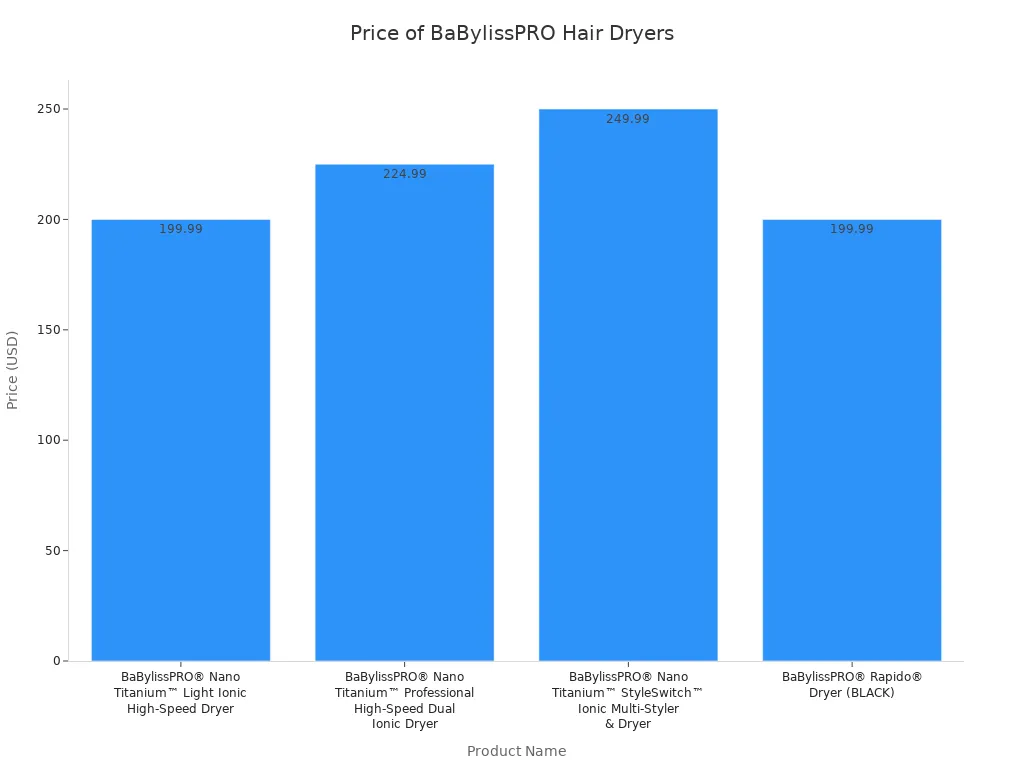
As shown, powerful corded options are available for less than half the price of a leading cordless model.
Long-Term Ownership Costs
The financial analysis extends beyond the initial purchase. Long-term costs, particularly those related to battery health and overall durability, heavily favor corded models.
Battery Replacement and Degradation
The battery is the most vulnerable component of a cordless tool. A quality lithium-ion battery, typical in a battery hair dryer, can endure between 300 and 500 charge cycles before its performance degrades.
After this point, users will notice a significant decline in battery life, diminishing the tool’s usability. Replacing the battery in a rechargeable hair dryer can be costly and inconvenient, adding a hidden long-term expense. This degradation directly impacts the value of a battery hair dryer over time.
Durability and Lifespan
Corded hair dryers are built for longevity. Without a battery to degrade, their lifespan is determined by the motor and build quality. High-end corded models with brushless motors can last for thousands of hours, far outliving any battery hair dryer. This durability makes them a more reliable and cost-effective investment for long-term use. The limited battery life and eventual degradation make a cordless dryer a short-term convenience rather than a lasting tool.
The traditional hair dryer remains the undisputed champion for powerful, reliable performance. Cordless hair dryers offer a specific type of convenience, but this portability comes at a high cost to performance and runtime. A user’s final choice must weigh the consistent performance of a traditional model against the on-the-go convenience of a cordless one.
A cordless hair dryer is a specialized tool. Its limited runtime and weaker performance make it a poor primary choice compared to a traditional dryer, which offers superior convenience for daily home use. The cordless advantage is convenience, not power.
FAQ
Can a cordless hair dryer replace my corded one?
For most users, a cordless dryer cannot replace a corded model. Its limited power and short runtime make it impractical for daily, complete styling. It functions best as a secondary tool for travel or quick touch-ups, not as a primary device for home use.
Are cordless hair dryers allowed on airplanes?
Yes, travelers can typically bring a cordless hair dryer in their carry-on luggage. The device must comply with airline regulations for lithium-ion batteries (usually under 100 watt-hours). Passengers should always check with their specific airline for any additional rules before flying.
Why are cordless hair dryers so expensive?
Cordless models carry a premium price due to their complex battery technology and compact engineering. The cost of the rechargeable lithium-ion battery is a significant factor. This investment in portability results in a much higher initial cost compared to more powerful corded dryers.
Which dryer is best for thick or long hair?
A high-wattage corded hair dryer is the best choice for thick or long hair.
Its powerful motor and strong airflow are necessary to dry dense hair efficiently. A cordless dryer’s low power would result in extremely long drying times and poor styling results.
How long does a cordless dryer battery actually last?
A cordless hair dryer’s battery typically lasts only 12 to 25 minutes when used on a high heat setting. While using the cool shot feature can extend this time, the short operational window on heat is a major limitation for most styling routines.
Do professional stylists use cordless hair dryers?
Professional stylists exclusively use high-performance corded hair dryers. The salon environment demands tools with unlimited runtime, consistent power, and durability for back-to-back appointments. The performance limitations of cordless models make them unsuitable for professional use.
Is a cordless hair dryer powerful enough to dry hair?
A cordless dryer can dry hair, but its efficacy is limited. With wattage often under 600W, it is best suited for users with very short, fine hair. Individuals with other hair types will find the drying process slow and inefficient compared to a standard corded model.