
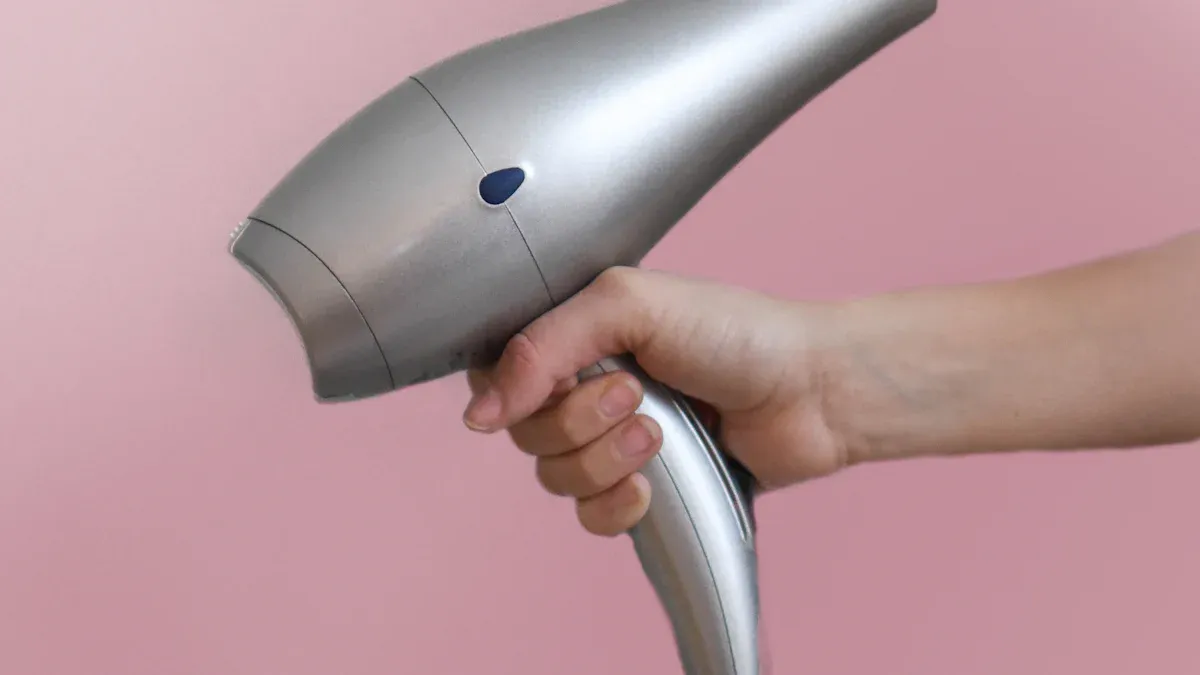
The global hair dryer market is experiencing significant growth, presenting a prime opportunity for brands. Projections show a steady expansion in market value.
| Metric | Projected Value (2033) | CAGR (2026-2033) |
|---|---|---|
| Market Size | USD 17.01 Billion | 8.0% |
A successful partnership with a hair dryer factory begins with clear definitions. A business must first specify its product, whether a professional AC hair dryer or a premium BLDC hair dryer. This initial clarity on product, market, and budget is essential. It provides the foundation to choose hair dryer factory partners and find a hair dryer manufacturer that meets all business requirements.
Step 1: Define Your Product and Business Needs
Before a business can choose a hair dryer factory, it must first create a detailed product blueprint. This initial step clarifies technical requirements and business goals, forming the basis for all future supplier negotiations. A clear definition of needs ensures a focused and efficient sourcing process.
Pinpoint Hair Dryer Specifications
The technical details of the hair dryer directly influence its performance, cost, and market appeal. Brands must specify every component to receive accurate quotes.
Motor Type and Performance
The motor is the heart of any professional hair dryer. Its type dictates power, lifespan, and user experience. Professional models have historically used AC motors for their robust output.
AC Motors: Offer longer lifespans and more powerful airflows than the DC motors found in consumer models.
While AC motors are a salon staple, many brands now seek advanced technology like BLDC (Brushless DC) motors. BLDC motors are lighter, quieter, and can achieve higher speeds for faster drying. The choice between a durable AC motor and a lightweight BLDC motor will define the product’s core performance.
Heating Technology and Wattage
Heating elements are critical for effective styling. Brands should consider materials like ceramic or tourmaline. For example, ceramic dryers provide even heat distribution. Ionic technology is another key feature that helps with frizz control. The power, measured in wattage, also impacts drying speed. A high wattage dryer delivers stronger heat, but it must be balanced with safety features to prevent hair damage.
Key Features and Attachments
Modern hair dryers offer various features that enhance usability. Businesses should specify the number of settings required, such as multiple heat settings and speed controls. A cool shot button is a standard professional feature. Other practical details include a removable rear filter for easy cleaning and a long, durable power cord. Brands must also define the necessary high-quality attachments, like concentrator nozzles and diffusers.
Materials, Finish, and Aesthetics
The product’s look and feel communicate brand quality. Decision-makers must specify the housing materials, focusing on durable construction that can withstand professional use. The desired finish, whether matte, glossy, or soft-touch, impacts the final aesthetic. Color, logo placement, and overall design language should align with the brand’s identity.
Establish Your Business Parameters
Beyond the product itself, a business must define its commercial and logistical requirements. These parameters will filter potential factory partners.
Target Cost and Retail Price Point
A clear budget is essential. Businesses must establish a target manufacturing cost per unit. This figure helps determine the product’s final retail price and profit margin. Communicating this target cost early helps factories propose viable solutions.
Order Volume and Minimum Order Quantity (MOQ)
Factories have different production capacities. Brands must estimate their initial and ongoing order volumes. This information helps identify partners who can meet demand. Minimum Order Quantities (MOQs) vary significantly between suppliers.
- Some factories, like JunYi Beauty, offer MOQs starting at 1,000 units but may accommodate smaller orders of 200-500 units at a higher price.
- Others, like Superhuman, may require a minimum of 3,000 units.
- Many manufacturers, such as Huux, maintain a negotiable MOQ policy based on product complexity.
Target Market and Compliance Needs
The intended sales region dictates mandatory certifications. Products sold in different markets must meet specific safety and regulatory standards.
- United States: Requires certifications like UL for safety and FCC for electromagnetic interference.
- European Union: Mandates CE Marking for safety and RoHS for hazardous substance restrictions.
- United Kingdom: Uses the UKCA mark as its post-Brexit compliance standard.
Branding and Custom Packaging
The final presentation is part of the product experience. Businesses need to define their branding requirements, including logo application on the dryer itself. They must also specify the design and materials for custom packaging, from the inner tray to the outer retail box.
Step 2: Key Criteria to Choose a Hair Dryer Factory
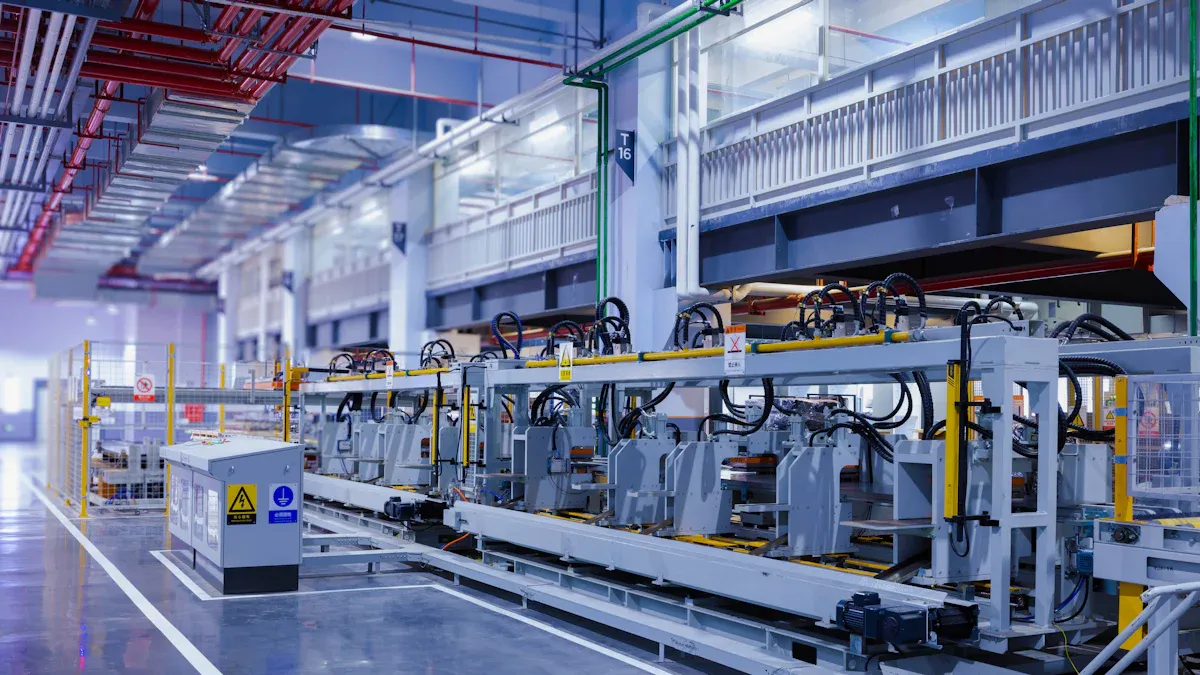
After defining product and business needs, the next phase is to evaluate potential manufacturing partners. A systematic assessment of a factory’s capabilities, quality systems, and certifications is crucial. This step helps a business filter out unqualified suppliers and identify those who can deliver a reliable product.
Evaluate Manufacturing Capabilities
A factory’s operational infrastructure directly impacts its ability to fulfill orders and innovate. Businesses must look beyond the price tag to assess the core competencies of a potential partner.
Production Capacity and Scalability
A brand must confirm that a factory’s production capacity aligns with its order volume. It is important to ask about monthly output and current production loads. A good partner should also demonstrate scalability, showing it can increase production to support the brand’s future growth without compromising lead times.
Specialization in Hair Care Appliances
Factories specializing in hair care appliances possess deeper industry knowledge. They understand the nuances of components like motors and heating elements. This expertise is vital for features like ionic technology. A specialized manufacturer offers more relevant insights than a general electronics factory.
In-House Technical and Engineering Expertise
A strong in-house engineering team is a significant asset. These experts can help refine product designs, troubleshoot technical challenges, and integrate advanced technology. Their involvement ensures the final product is not only well-designed but also manufacturable and reliable.
Scrutinize Quality Control Systems
A robust quality control (QC) system is non-negotiable for producing quality professional dryers. It ensures consistency from raw materials to finished goods. A factory should have a multi-stage QC process.
Incoming Quality Control (IQC) for Materials
Quality begins with the components. A rigorous IQC process vets all raw materials before they enter the assembly line, which is essential for durable construction. Reputable factories follow strict protocols for this stage.
- All incoming materials and accessories are tested before production.
- Many use international standards like MIL-STD-105E for sampling.
- For a batch of 1,000 pieces, a factory might sample 80. If three or more are defective, the entire batch is rejected.
- Critical components often undergo a 100% inspection.
In-Process Quality Control (IPQC) on Assembly Lines
IPQC involves checkpoints along the assembly line. Inspectors monitor production in real-time to catch and correct any deviations or defects. This proactive approach prevents systemic issues and ensures every professional hair dryer meets the required standards.
Final Quality Control (FQC) for Finished Goods
Before shipment, every finished hair dryer should undergo a final inspection. FQC teams verify that the product’s appearance, functionality, and packaging match the approved specifications. This is the last chance to catch any errors.
On-site Testing Equipment and Procedures
Top-tier factories invest in on-site testing laboratories. These facilities allow them to conduct tests for motor lifespan, cord durability, and overall product performance. Access to this equipment confirms a factory’s commitment to delivering a safe and high-performing product.
Verify Certifications and Compliance
Certifications provide objective proof of a factory’s commitment to quality, safety, and ethical standards. They are essential for market access and brand reputation. When you choose hair dryer factory partners, verifying these documents is a critical step.
Quality Management Systems like ISO 9001
ISO 9001 certification indicates a factory has a structured and effective quality management system. To achieve it, a factory must meet requirements across several key areas, including:
- Leadership and commitment to quality
- Planning for risks and opportunities
- Management of resources, including equipment and personnel
- Operational control over the manufacturing process
- Performance evaluation and continual improvement
Social Accountability Audits like BSCI
Social compliance audits like the Business Social Compliance Initiative (BSCI) show a factory’s commitment to ethical practices. These audits assess working conditions, fair wages, and worker safety, ensuring the brand’s supply chain is responsible.
Product Safety Certifications (UL, CE, ETL)
Product safety certifications are mandatory for legal market entry. The required certification depends on the target sales region.
| Certification | Market Region | Standard Focus |
|---|---|---|
| UL | United States | Professional-grade safety (UL 859, 1727) |
| ETL | North America | Same safety testing standards as UL |
| CE | European Union | Electrical safety, health, and environment |
Both UL and ETL are Nationally Recognized Testing Laboratories (NRTLs) in the U.S., making their marks equally valid for demonstrating compliance. The CE mark is a legal declaration of conformity for products sold in the EU.
Step 3: Assess OEM, ODM, and Customization Options
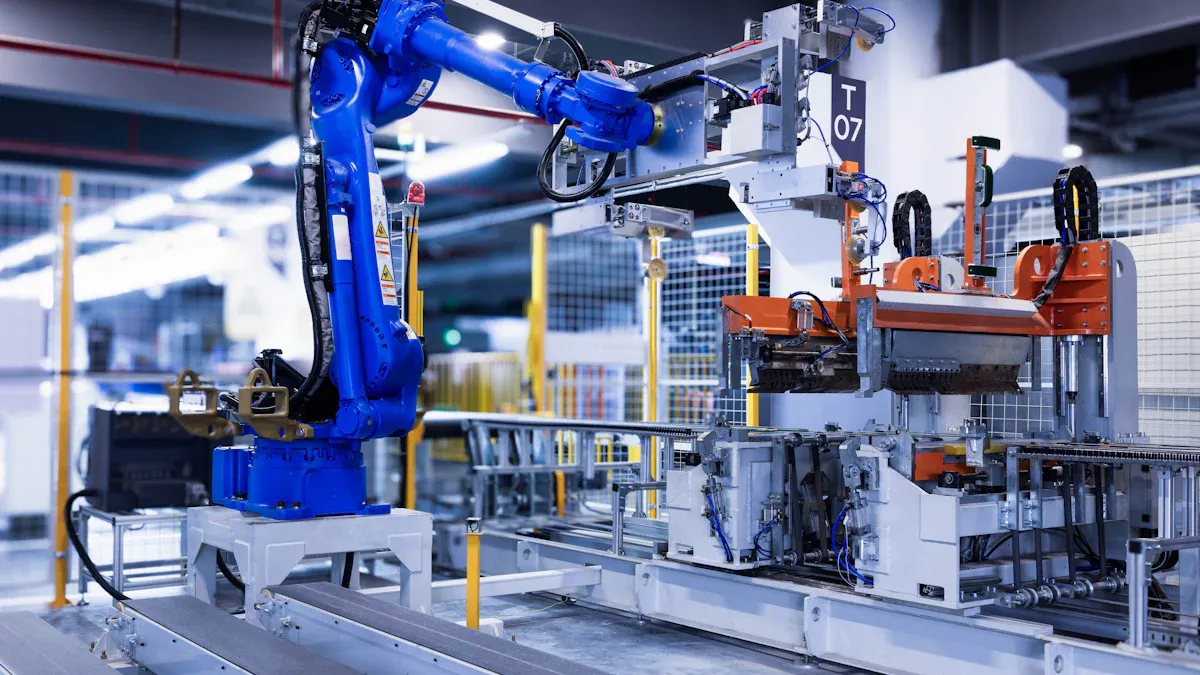
Factories offer different collaboration models that impact a brand‘s product development, cost, and time-to-market. A business must understand the distinction between OEM (Original Equipment Manufacturer) and ODM (Original Design Manufacturer) services. This assessment helps a brand choose a path that aligns with its budget, timeline, and vision for product uniqueness.
OEM (Original Equipment Manufacturer) Services
OEM services allow a brand to leverage a factory’s existing product designs and tooling. This model is ideal for businesses seeking a faster and more cost-effective market entry.
Private Labeling Capabilities
Private labeling is the most direct form of OEM. A brand selects a pre-existing hair dryer from the factory’s catalog and applies its own branding. This approach is significantly less expensive because it avoids investment in design and tooling. Basic models can start around $8–$12 per unit, while those with features like ionic technology may range from $18–$25.
Cost Insight: Customization, including logos and packaging, typically adds only 10–15% to the total unit cost, making private labeling an efficient option.
Customizing Existing Product Molds
Many factories permit minor modifications to their existing product molds. A brand can request changes to the housing color, material finish, or cord type. This allows for a degree of product differentiation without the high cost of creating entirely new tooling. It offers a balance between speed and brand identity.
Branding on Products and Packaging
Effective branding is crucial for market presence. OEM factories provide services to print a brand’s logo directly onto the hair dryer and create custom retail packaging. Even major, well-established brands utilize these services to expand their product lines efficiently.
| Brand | OEM/Private Label Availability |
|---|---|
| Conair | Yes (via Conair groups) |
| Hot Tools | Yes (some service options) |
| BaBylissPRO | Yes (via Conair network) |
| Remington | Yes (brand-led retail sourcing) |
ODM (Original Design Manufacturer) Services
ODM services are for brands that want to create a unique product but lack an in-house design team. The factory’s R&D department collaborates with the brand to develop a new hair dryer from concept to production.
Research and Development Department Strength
A factory’s R&D strength is the cornerstone of a successful ODM partnership. A capable engineering team can translate a brand’s vision into a functional product, integrating advanced technology and innovative features. Their expertise is vital for developing proprietary designs that stand out in the market.
New Product Prototyping and Mold Creation
The ODM process is surprisingly swift, often taking just 2–4 months from concept to delivery. The factory manages the entire development cycle.
- Concept & Design: 2–4 weeks
- Prototyping & Testing: 1–2 weeks
- Tooling & Production Planning: 2–3 weeks
- Mass Production: 4–8 weeks
This streamlined timeline allows brands to launch new, custom products without a lengthy development period.
Intellectual Property (IP) Protection Policies
Protecting a new design is paramount in an ODM relationship. Reputable factories have clear policies to safeguard a client’s intellectual property. Brands should insist on several legal protections.
- Sign a Non-disclosure, Non-use, Non-circumvention (NNN) agreement.
- Register trademarks and patents in the target manufacturing country (e.g., China).
- Use clear, enforceable contracts written in the local language that explicitly define IP ownership.
Step 4: Analyze Financial and Logistical Factors
A successful partnership extends beyond production quality to include financial viability and logistical efficiency. A business must thoroughly analyze a factory’s pricing, payment terms, and shipping processes. This step ensures the partnership is both profitable and sustainable.
Compare Pricing and Cost Structures
Accurate cost analysis is fundamental to a brand’s profitability. Businesses should look beyond the initial price tag to understand the full financial scope of a partnership.
Submitting a Detailed Request for Quotation (RFQ)
A brand must submit a comprehensive Request for Quotation (RFQ) to receive comparable quotes. The RFQ should include all specifications defined in Step 1, from motor type and materials to packaging design. A detailed RFQ forces factories to provide precise pricing, preventing unexpected costs later.
Understanding Unit Price vs. Total Landed Cost
The quoted unit price is only the beginning. Businesses must calculate the total landed cost to understand the true cost per unit. This figure includes:
- The factory’s unit price
- Shipping and freight charges
- Insurance
- Customs duties, tariffs, and taxes
- Port and handling fees
Only by calculating this complete cost can a brand accurately determine its profit margins.
Clarifying Tooling and Sample Fees
For ODM or customized OEM projects, tooling and mold creation represent a significant one-time investment. Brands must get clear costs for these items upfront. Sample fees are also common, but many factories will refund this cost upon placement of a bulk order.
| Item | Cost Range | Minimum Order Quantity |
|---|---|---|
| Hair Dryer Shell Injection Mold | US$2,000.00–$3,500.00 | 1 Piece |
Review Payment Terms and Schedules
Payment terms affect a brand’s cash flow. Understanding and negotiating these terms is a critical part of the financial assessment.
Standard Deposit and Balance Structures
Most factories operate on a standard payment schedule. A common arrangement is a 30% deposit to begin production and a 70% balance payment due before the goods are shipped. This structure protects both the buyer and the seller.
Negotiating Favorable Payment Terms
While new businesses typically adhere to standard terms, established brands with a proven order history may have leverage. They can sometimes negotiate a lower initial deposit or arrange for the final balance to be paid after a successful third-party inspection.
Confirm Production and Shipping Logistics
Smooth logistics are essential for getting products to market on time. A brand must verify a factory’s production timelines and export capabilities.
Verifying Production Lead Times
Production lead time is the period from order confirmation to shipment. This timeline can vary significantly based on order complexity.
- Standard Models: Typically require 7–15 days for production.
- Customized Products: May take up to 30 days.
- Full Mass Production: Often ranges from 30 to 60 days after sample approval and deposit payment.
Defining Shipping with International Commercial Terms (Incoterms)
Incoterms are globally recognized rules that define the responsibilities of sellers and buyers for the delivery of goods. Choosing the right Incoterm is crucial for managing risk and cost.
Expert Recommendation: For imports from China, FOB (Free On Board) is the most recommended Incoterm. Under FOB, the seller is responsible for getting the goods to the port of departure. The buyer then takes control of the international shipping, which provides greater control and often lower costs. EXW (Ex Works) is a viable second choice, while CIF (Cost, Insurance, and Freight) should generally be avoided due to potential hidden costs.
Confirming Export Experience and Documentation
A factory must have proven experience exporting to the brand’s target market. They should be able to provide all necessary export documentation, such as the Commercial Invoice, Packing List, and Bill of Lading, to ensure a smooth customs clearance process.
Step 5: The Vetting Process for Your Professional Hair Dryer
With a clear plan in place, a business can begin the hands-on vetting process. This stage moves from theoretical planning to practical evaluation. It is the most critical phase to choose hair dryer factory partners that can deliver on their promises.
Conduct Initial Research and Create a Shortlist
The first action is to build a list of potential suppliers. Businesses can use several channels to identify and pre-qualify factories.
Using B2B Platforms like Alibaba
Online B2B marketplaces like Alibaba are excellent starting points. They provide access to a vast directory of manufacturers, allowing businesses to filter by product category, certifications, and company history. These platforms make initial contact and information gathering highly efficient.
Attending Industry Trade Shows
Trade shows offer a unique opportunity to meet suppliers in person and see their products firsthand. Events like COSMETIC BUSINESS in Germany or BEAUTY & SPA EXPO INDIA provide direct access to innovations in the hair care industry.
| Trade Show Name | Frequency | Location |
|---|---|---|
| IBE – INTERNATIONAL BEAUTY EXPO | Annual | Kuala Lumpur (Malaysia) |
| BEAUTY & SPA EXPO INDIA | Annual | New Delhi (India) |
| BEAUTY KENYA | Annual | Nairobi (Kenya) |
| COSMETIC BUSINESS | Annual | Munich (Germany) |
| SUPPLIERS’ DAY | Annual | New York, NY (USA) |
Working with Sourcing Agents
For businesses new to international manufacturing, a sourcing agent can be invaluable. These agents have established networks and can help identify reputable factories, navigate language barriers, and manage initial negotiations.
Evaluate Communication and Responsiveness
A factory’s communication style is a strong indicator of its professionalism and reliability.
Pro Tip: Pay close attention to how a potential partner communicates from the very first email. Clarity and promptness now often translate to better service during production.
Assessing Professionalism and Clarity
A professional supplier provides clear, concise, and comprehensive answers to all questions. Their communication should be free of ambiguity and demonstrate a commitment to transparency.
Gauging Technical Understanding
The sales representative should possess a deep technical understanding of hair dryers. They must be able to discuss motor types, heating elements, and customization options with expertise.
Measuring Response Times
A factory that responds to inquiries within 24-48 hours shows it values a potential partnership. Consistently slow responses can be a red flag for future communication challenges.
Order and Test Product Samples
Never commit to a bulk order without first testing a physical sample. This is the ultimate test of a factory’s capabilities.
Evaluating Build Quality and Finish
Upon receiving a sample, a business must inspect its physical attributes. Check for a solid construction, seamless part fittings, and a flawless finish. The weight, balance, and feel of the product should align with the brand’s quality standards.
Testing Performance Against Specifications
The sample’s performance must be rigorously tested against the specifications outlined in the RFQ. Objective testing ensures the product delivers on its promises. Key tests include:
- Drying Speed: Measure the time to dry a standardized hair swatch.
- Airflow Velocity: Quantify the air stream’s force using an anemometer.
- Temperature Consistency: Use a thermal camera to check for hot spots.
- Noise Level: Record decibel readings to measure operational loudness.
Comparing Samples from Different Factories
A business should order samples from its top two or three factory candidates. Comparing each professional hair dryer side-by-side provides the clearest picture of which manufacturer offers the best combination of quality, performance, and value.
Step 6: Final Due Diligence and Factory Audits
After shortlisting potential partners, a business must conduct final due diligence. This last verification stage confirms a factory’s legitimacy and capabilities. It protects the brand from potential fraud and quality issues, solidifying the foundation for a secure partnership.
Verify Factory Credentials and History
Before committing to an audit, a business should verify a factory’s official documentation. This initial background check can quickly eliminate unqualified or dishonest suppliers.
Requesting Business Licenses and Export Records
A legitimate factory will readily provide its business license and foreign trade registration. These documents are fundamental for legal operation and export activities. A business can independently verify a Chinese supplier’s license.
- Access the National Enterprise Credit Information Publicity System (NECIPS).
- Enter the supplier’s official Chinese company name.
- Review the registration status, business scope, and legal representative.
- Cross-reference these details with the factory’s invoices to ensure consistency.
Checking Certifications for Authenticity
Certifications like ISO 9001 demonstrate a commitment to quality management. However, a business must confirm their validity. It is crucial to check the issue and expiration dates on all provided certificates. For verification, contact the issuing body directly, such as SGS, TÜV, or Intertek, to confirm the certificate is authentic and current.
Contacting Past Client References
Reputable factories should be willing to provide references from other clients. Speaking with past customers offers invaluable insight into a factory’s real-world performance. A business should ask direct questions about their experience.
Key questions to ask a reference include: “How does the factory handle quality control issues?” and “Can you describe their process for compensation if a product defect is found?”
Arrange a Comprehensive Factory Audit
A factory audit is a physical inspection of the supplier’s facilities. It provides a firsthand look at their production environment, quality systems, and ethical standards.
Deciding Between In-Person vs. Third-Party Audits
A business can conduct the audit in person or hire a professional third-party service. Third-party audits are a cost-effective solution, especially for international businesses. Inspection services in China typically cost between $150 and $400 per auditor per day. This fee usually covers an 8-hour workday and basic travel expenses, offering a comprehensive assessment without the high cost of international travel.
Inspecting Production Lines and Equipment
During an audit, an inspector evaluates the factory’s core operations. This includes examining the condition of production equipment and the effectiveness of the quality control systems. The goal is to confirm the factory has the technical capacity to produce the hair dryers to the required specifications.
Assessing Warehouse and Worker Conditions
A complete audit also assesses social compliance. An inspector reviews the warehouse organization, overall cleanliness, and worker conditions. This ensures the factory adheres to ethical labor practices, protecting the brand’s reputation and aligning with social accountability standards like BSCI.
| Audit Type | Purpose | Key Areas Covered |
|---|---|---|
| Basic Factory Audit | Confirms legal registration | Licenses, ownership, location |
| Quality System Audit | Checks production and QC | Equipment, inspection process |
| Social Compliance Audit | Ensures ethical labor | Safety, wages, work environment |
A business must choose hair dryer factory partners strategically. This decision balances quality, cost, and long-term reliability.
A scorecard approach helps a business weigh each factory against its key criteria, moving the focus beyond just the lowest price.
Ultimately, the right manufacturer is a long-term partner. This relationship is essential for delivering a quality professional hair dryer, ensuring brand growth and achieving high client satisfaction in the market.
FAQ
What is the difference between OEM and ODM?
OEM (Original Equipment Manufacturer) involves a brand adding its logo to a factory’s existing product. ODM (Original Design Manufacturer) means the factory designs and develops a new, unique product based on the brand’s concept. ODM offers greater customization but requires more investment.
Why is a Minimum Order Quantity (MOQ) important?
A Minimum Order Quantity (MOQ) is the smallest order a factory will accept. It is important because it determines if a factory’s production scale matches a brand’s purchasing power. Businesses must find a partner whose MOQ aligns with their budget and sales forecasts.
What are the most critical product certifications?
Certifications ensure a product is safe and legal to sell. Key certifications include:
- UL/ETL for North America
- CE for the European Union
- UKCA for the United Kingdom
The required certifications depend entirely on the brand’s target sales market.
Is a factory audit really necessary?
Yes, a factory audit is a critical step. It verifies a supplier’s claims about its production capacity, quality control systems, and ethical labor standards. An audit protects a brand from fraud and ensures the partner can deliver a high-quality product consistently.
What is the total landed cost?
The total landed cost is the true cost per unit. It includes the factory price plus all expenses to get the product to its final destination. These costs cover shipping, insurance, customs duties, and port fees. A business must calculate this for accurate profit analysis.
How long does production usually take?
Production lead time varies by project complexity. Standard models may take 7–15 days. Customized orders often require 30–60 days after sample approval and deposit payment. A business should confirm this timeline with the factory before placing an order.
Why should a business order product samples?
Ordering samples is essential for quality verification. It allows a business to physically inspect the build quality, test performance against specifications, and compare products from different factories. A brand should never commit to a bulk order without first approving a sample.