
Anyone can achieve salon-quality results using a hair brush dryer for an at-home blowout. This tool combines the power of a blow dryer with the convenience of a styling brush to create smooth, polished hair. Many users notice improved quality and volume after each blow. Both BLDC hair dryer and AC hair dryer technologies offer versatility, and a reputable hair dryer manufacturer or hair dryer factory ensures reliability. Mastering the blow dryer brush allows individuals to enjoy professional styling in their own home.
What Is a Hair Brush Dryer and How It Creates a Salon-Quality Blowout
How a Hair Brush Dryer Works
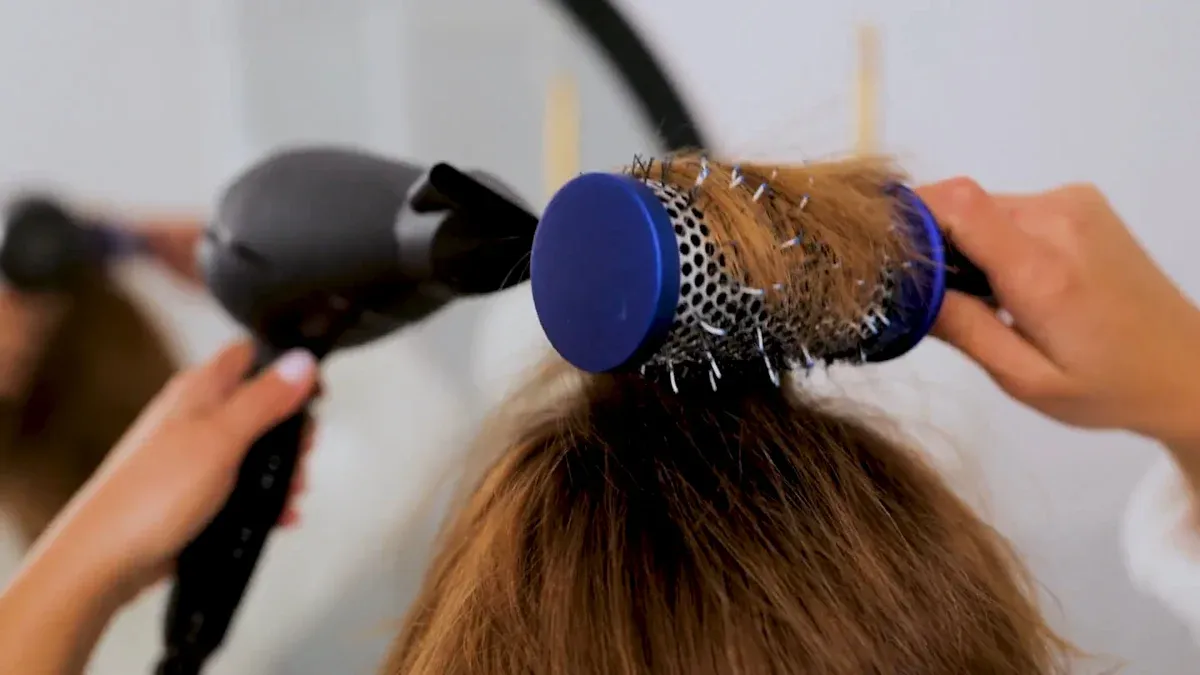
A hair brush dryer combines the functions of a blow dryer and a styling brush into one tool. This all-in-one device streamlines the process of drying and styling hair, making it easier for users to achieve a salon-quality blowout at home. The oval brush design, as seen in popular models like the Revlon One-Step Hair Dryer, allows users to grip and lift sections of hair from the roots. This design creates frizz-free volume and smoothness from root to tip. The brush uses 360-degree airflow to dry hair evenly, while snag-resistant bristles provide the right amount of tension for shaping and smoothing. Negative ion technology distributes heat evenly, resulting in shiny, bouncy styles with less frizz.
Tip: For best results, users should start with towel-dried hair and work in small sections to ensure even drying and styling.
Benefits of Using a Blow Dryer Brush
A blow dryer brush offers several advantages over traditional styling tools:
- Combines drying and styling in one step, saving time and effort.
- Utilizes thermal brushes that conduct heat and circulate air for effective styling.
- Alters hydrogen bonds in the hair, allowing for new shapes and styles.
- Provides versatility, enabling users to straighten, wave, or add volume.
- Reduces drying time due to even heat distribution.
- Distributes natural oils from root to tip, resulting in smoother and shinier hair.
- Designed with gentle bristles that minimize damage and breakage compared to conventional tools.
These features make the blow dryer brush an ideal choice for those seeking efficiency and professional results at home.
Who Should Use a Hair Brush Dryer
A hair brush dryer suits a wide range of hair types and styling needs. Individuals with fine, medium, or thick hair can benefit from its gentle yet effective design. Those who want to add volume, smoothness, or shine to their hair will find this tool especially useful. People who struggle with frizz or have difficulty managing their hair with traditional blow dryers may notice improved results. The all-in-one nature of the tool appeals to busy professionals, students, and anyone looking to simplify their hair routine without sacrificing quality.
| Hair Type | Benefit from Hair Brush Dryer |
|---|---|
| Fine/Thin | Adds volume, prevents breakage |
| Medium | Smooths and shapes with ease |
| Thick/Coarse | Manages frizz, creates sleek styles |
| Curly/Wavy | Defines curls, reduces styling time |
A hair brush dryer provides a practical solution for achieving a polished look, making it a valuable addition to any hair care routine.
Preparing Your Hair for a Blowout with a Hair Brush Dryer
Washing and Conditioning for Best Results
Proper preparation begins with washing and conditioning. Selecting a shampoo and conditioner that match the hair type ensures a strong foundation for styling. Conditioning restores moisture lost during cleansing and provides a protective layer against heat. This step not only enhances the effectiveness of the blowout but also helps prevent breakage. A well-chosen conditioner supports smoother, shinier results and makes detangling easier. For optimal outcomes, individuals should rinse thoroughly to remove all product residue.
Tip: Conditioning before blow-drying is essential for maintaining hair health and achieving a polished finish.
Towel Drying and Detangling
After washing, towel drying removes excess water and prepares the hair for styling. Gently patting the hair with a towel, rather than twisting or rubbing, reduces the risk of breakage and scalp stress. Damp hair is more vulnerable to mechanical damage, so minimizing friction is crucial.
Using a Wide-Tooth Comb or Detangling Brush
A wide-tooth comb or detangling brush works best on damp hair. This tool glides through strands, easing out knots without pulling. It also promotes ventilation, allowing hair to dry faster and more evenly. Detangling at this stage helps prevent breakage and supports healthier hair in the long run.
Ensuring Hair Is 50-70% Dry Before Styling
Hair should reach a damp, not soaking wet, state before using a hair brush dryer. Removing 50-70% of the moisture with a towel or a quick pass of a regular dryer sets the stage for efficient styling. This step reduces the risk of heat damage and ensures the brush can glide smoothly through each section. For best results, each section should match the width and length of the brush barrel.
Applying Heat Protectant
Before styling, applying a heat protectant is a non-negotiable step. This product forms a barrier that shields hair from the intense heat of styling tools. A heat protectant spray distributes evenly and helps minimize damage during the blow drying process. Using this product preserves hair strength, reduces split ends, and maintains shine. Skipping this step can lead to dryness and long-term damage, so it remains essential for anyone seeking salon-quality results at home.
Note: Always apply heat protectant spray from roots to ends, focusing on areas most exposed to heat.
Choosing the Right Settings on Your Blow Dryer Brush
Selecting the correct settings on a hair brush dryer determines the quality of the blowout. Each hair type responds differently to heat and airflow. Understanding the available options helps users achieve salon-quality results while protecting hair health.
Most blow dryer brushes feature adjustable heat and speed settings. These controls allow users to tailor the styling process to their unique needs. The following table outlines common settings and their recommended uses:
| Setting | Best For | Description |
|---|---|---|
| Low Heat/Low Speed | Fine or damaged hair | Gentle drying, reduces risk of breakage |
| Medium Heat/Medium Speed | Normal or medium hair | Balanced drying and styling, suitable for most users |
| High Heat/High Speed | Thick or coarse hair | Fast drying, effective for dense or hard-to-style hair |
Tip: Start with a lower heat setting. Increase only if necessary to avoid unnecessary stress on the hair shaft.
He or she should consider the following factors when choosing settings:
- Hair Type: Fine hair benefits from lower temperatures. Thick or coarse hair may require higher heat for effective styling.
- Hair Condition: Damaged or color-treated hair needs gentle heat to prevent further harm.
- Desired Style: Sleek, straight looks often need more heat. Voluminous or wavy styles may require less.
Some advanced models offer a cool shot button. This feature blasts cool air to set the style and add shine. He or she can use this setting at the end of the blowout for a polished finish.
A professional approach involves adjusting the settings throughout the styling process. For example:
- Begin with medium heat and speed to remove excess moisture.
- Switch to high heat for thicker sections or stubborn areas.
- Finish with the cool shot to lock in the style.
Note: Never use the highest heat setting for the entire session. Prolonged exposure can weaken hair and cause dryness.
He or she should always monitor the hair’s response during styling. If the hair feels hot to the touch or emits a burning smell, lower the heat immediately. Consistent use of the right settings preserves hair integrity and ensures long-lasting, salon-quality results.
Choosing the appropriate settings on a blow dryer brush transforms the at-home blowout experience. With attention to detail and a focus on hair health, anyone can achieve a professional look without stepping into a salon.
Step-by-Step Guide: Using a Hair Brush Dryer for Salon-Quality Results
Sectioning Your Hair for a Blowout
Why Sectioning Matters
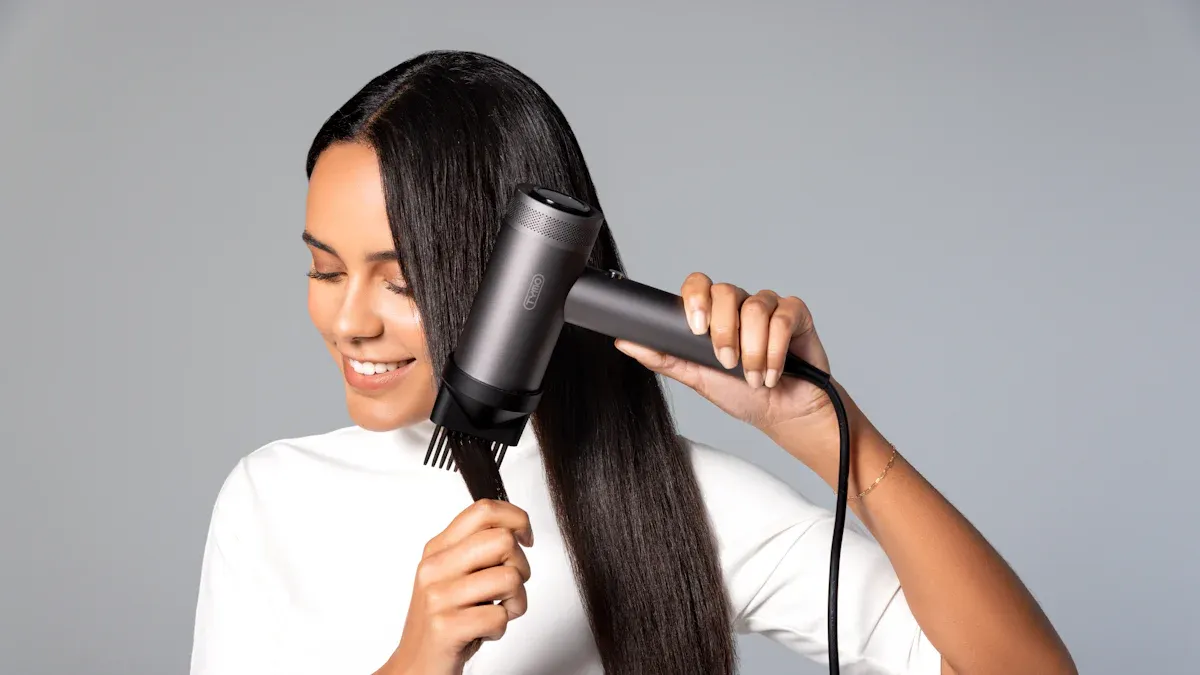
Sectioning plays a critical role in achieving a salon blowout at home. Dividing hair into manageable sections gives the user greater control and ensures each strand receives even heat and tension. This method prevents missed spots and helps create a consistent, polished finish. Sectioning also allows for targeted styling, which is essential for building volume and achieving a bouncy blowout. For thick or layered hair, smaller sections help the blow dryer brush glide smoothly and deliver professional results.
Tip: Clean, organized sections make the styling process faster and more efficient, reducing the risk of tangles and uneven drying.
How to Section for Best Results
He or she should begin by dividing the hair into three main parts: the nape, the area around the occipital bone, and the top section near the crown. Clips or hair ties keep each section separate and manageable. Starting at the nape, he or she can work upward, releasing one section at a time. For thick hair, smaller sections allow the round brush to reach every strand, ensuring a smooth and even blowout. Fine or medium hair may require fewer sections, but organization remains key for a quality finish.
Step-by-step sectioning tutorial:
- Detangle and rough-dry hair to about 70–80% dryness.
- Use a tail comb to create horizontal partings.
- Clip the top and middle sections away, leaving the nape area free.
- Work from the bottom up, unclipping each section as needed.
Drying and Styling Process with a Blow Dryer Brush
Starting at the Roots
He or she should always begin styling at the roots. Placing the blow dryer brush under the section at the scalp and lifting gently creates instant volume. Holding the brush at the roots for a few seconds allows the heat to set the lift. This technique forms the foundation for a bouncy, salon-quality blowout. For those seeking extra volume, a root-lifting spray or mousse can be applied before drying.
Working Through the Lengths
After setting the roots, he or she should glide the brush slowly down the lengths of the hair. Consistent tension and a steady hand help achieve a smooth, straight finish. For a blow and smooth effect, the brush should move downward from roots to ends. If a blow and curl look is desired, rotating the round brush as it moves through the hair creates soft bends and movement. The right styling product, such as a straightening serum or volumizing spray, enhances the final result.
- For sleek styles: Use a paddle brush attachment and glide straight down.
- For bouncy blowouts: Use a round brush and rotate at the ends.
- For added shape: Hold the brush at the ends and roll under for a few seconds.
Finishing the Ends
The ends require special attention to avoid dryness and frizz. He or she should rotate the round brush at the tips, holding for a moment to set the shape. This step creates a polished, bouncy finish and prevents split ends. For those who want soft waves or curls, twisting the brush outward or inward at the ends adds movement and style. Allowing the ends to cool on the brush helps lock in the shape for longer-lasting results.
Note: Always use a heat protectant spray before styling to shield hair from heat damage and maintain shine.
Setting Your Style for Lasting Results
To ensure the blowout lasts, he or she should use the cool shot button on the blow dryer after finishing each section. This blast of cool air seals the cuticle and sets the style, making the hair look shiny and smooth. Letting each section cool completely before touching or brushing out helps preserve the shape and volume. For overnight hold, sleeping with hair in a loose braid or bun maintains the bouncy finish. Dry shampoo can be used proactively to absorb oil and extend the life of the at-home blowout. Avoiding excessive touching or brushing keeps the style intact and prevents frizz.
Pro Tip: For a true salon-quality blowout, always finish with a lightweight serum or shine spray to add gloss and tame flyaways.
This step-by-step tutorial empowers anyone to achieve at-home blowouts that rival a professional salon-quality blowout. With the right technique, products, and tools, every blow can deliver smooth, bouncy, and long-lasting results.
Techniques for Different Hair Types with a Hair Brush Dryer
Fine or Thin Hair
Adding Volume with a Blow Dryer Brush
Fine or thin hair often lacks body and can appear flat after styling. He or she can maximize volume by following a strategic approach:
- Select a volumizing shampoo and conditioner to create a fuller foundation.
- Blot hair gently with a towel to remove excess moisture without causing breakage.
- Apply a root-boosting formula directly at the scalp and massage it in for lift.
- Mist hair with a texturizing spray to add grip and structure.
- Flip the head upside down and begin blow drying, lifting hair at the roots for enhanced volume.
- Once hair is nearly dry, return to an upright position.
- Clip up hair above the ears to keep sections organized.
- Section hair below the ears and use a round brush to lift at the roots while drying.
- Continue drying section by section, releasing the top as each layer dries.
- Finish by raking fingers through the hair and misting with a light-hold hairspray for flexible hold.
Tip: He or she should always use lightweight styling products to avoid weighing down fine strands.
Preventing Damage
Fine hair can become fragile under high heat. He or she should always select the lowest effective heat setting on the hair brush dryer. A heat protectant spray forms a barrier and reduces the risk of breakage. Small sections allow for even drying and prevent overexposure to heat. Regular trims help maintain healthy ends and prevent split ends from traveling up the hair shaft.
Thick or Coarse Hair
Smoothing and Straightening
Thick or coarse hair often requires more heat and tension to achieve a sleek finish. He or she should adjust the hair brush dryer to a high heat setting for best results. The following steps ensure smoothness and manageability:
- Hold the brush with a firm yet gentle grip for maximum control.
- Take small sections and wrap them evenly around the brush.
- Glide the brush smoothly from root to tip, following with the dryer.
- Apply gentle tension to straighten and smooth each strand.
- Direct airflow downward to seal the cuticle and minimize frizz.
Note: Sectioning thick hair into smaller parts allows the brush to reach every strand and ensures even results.
Managing Frizz
Frizz can be a challenge for coarse hair. He or she should use a smoothing serum or cream before styling. Consistent tension and downward airflow help seal the cuticle. Finishing with a cool shot locks in shine and reduces flyaways. A boar bristle brush attachment can further enhance smoothness.
Curly or Wavy Hair
Defining Curls
Curly and wavy hair benefits from a gentle approach. He or she should use a diffuser attachment if available. Applying a curl-enhancing cream before drying helps define natural texture. Small sections allow the brush to shape curls without disrupting their pattern. Twisting the brush at the ends can encourage soft, bouncy curls.
Creating Smooth Styles
For a sleek look, he or she should use medium to high heat and work in small sections. A smoothing serum applied before styling tames flyaways. The brush should glide slowly from roots to ends, applying gentle tension. Finishing with a cool shot sets the style and adds shine. Regular use of a hair mask maintains moisture and prevents dryness.
Pro Tip: He or she should always adjust technique based on hair type for the healthiest, most polished results.
Styling for Different Looks Using a Blow Dryer Brush
Creating Volume and Lift
He or she can transform flat hair into a full-bodied style by focusing on the roots. To achieve maximum volume, he or she should start by applying a volumizing mousse or spray to damp hair. Sectioning the hair allows the blow dryer brush to reach the roots directly. Placing the brush under each section at the scalp and lifting upwards creates a strong foundation. Holding the brush at the root for a few seconds before gliding through the lengths helps set the lift. For added effect, he or she can flip the head upside down while drying the roots. This technique encourages natural movement and bounce. A cool shot at the end locks in the style and maintains the desired shape throughout the day.
Tip: For stubborn flat areas, he or she can back-brush the roots gently before smoothing the top layer for a seamless finish.
Achieving Sleek, Straight Hair
Sleek, straight hair requires a methodical approach. He or she should follow these steps for a polished, frizz-free result:
- Wrap the hair in a microfiber towel for 15-20 minutes. This step absorbs excess moisture and reduces frizz.
- Once the hair reaches a semi-dry state, apply an anti-humidity spray. This product helps fight frizz and activates with heat.
- Section the hair and use the blow dryer brush from roots to ends. Flipping the hair over ensures even drying and smoothness.
He or she should use slow, steady strokes with consistent tension. The brush should glide smoothly down each section. For stubborn waves or curls, repeating the process on smaller sections enhances straightness. A finishing serum adds shine and tames flyaways. The result is a sleek, salon-quality look that resists humidity and stays smooth all day.
Adding Soft Waves or Curls
Soft waves or curls add dimension and movement to any style. He or she should begin by sectioning the hair and selecting a medium heat setting. Wrapping each section around the barrel of the blow dryer brush and holding for a few seconds creates gentle bends. For outward waves, he or she should twist the brush away from the face. For inward curls, the brush should rotate toward the face. Alternating directions produces a natural, tousled effect. Allowing the hair to cool on the brush helps set the shape. A light mist of flexible-hold hairspray preserves the waves without stiffness.
Note: He or she should avoid overloading the brush with hair. Smaller sections ensure even heat distribution and defined curls.
A blow dryer brush offers versatility for every hair type. With the right technique, he or she can create volume, achieve sleekness, or add soft waves—all from the comfort of home.
Flipping the Ends
Flipping the ends of the hair creates a playful, polished finish that many salon professionals use to add movement and style. This technique works well for both short and long hair. He or she can use a hair brush dryer to achieve this look with minimal effort.
Why Flip the Ends?
Flipped ends give the hair a lively, bouncy appearance. This style can soften the jawline, frame the face, or add a retro flair. Many stylists recommend this technique for those who want to refresh their look without a drastic change.
Tip: Flipping the ends works best on freshly dried hair. He or she should always ensure the hair is at least 80% dry before starting the styling process.
Step-by-Step Guide to Flipping the Ends
- Section the Hair: He or she should divide the hair into manageable sections. Smaller sections allow for more control and even results.
- Position the Brush: Place the hair brush dryer under the ends of a section. The bristles should grip the hair without pulling.
- Rotate the Brush: As the brush moves toward the ends, he or she should gently rotate the wrist outward or inward, depending on the desired flip direction.
- Hold and Heat: Hold the brush at the ends for three to five seconds. This step sets the shape using heat.
- Cool Down: Use the cool shot button to lock in the flip. Allow the ends to cool on the brush before releasing.
- Repeat: Continue with the remaining sections, always working from the bottom layers to the top.
Choosing the Right Direction
- Outward Flip: Rotating the brush away from the face creates a classic, voluminous look.
- Inward Flip: Turning the brush toward the face results in a softer, more subtle finish.
Common Mistakes and Solutions
| Mistake | Solution |
|---|---|
| Ends look frizzy | Apply a smoothing serum before styling |
| Flip does not hold | Use the cool shot and a light hairspray |
| Uneven flips | Work in smaller, consistent sections |
Note: He or she should avoid overloading the brush with hair. Thin sections ensure the heat reaches every strand and produces a defined flip.
Finishing Touches
A lightweight shine spray or serum adds gloss and tames flyaways. He or she can use fingers to gently separate the flipped ends for a more natural effect. For extra hold, a flexible hairspray keeps the style in place without stiffness.
Flipping the ends with a hair brush dryer transforms a simple blowout into a salon-inspired look. With practice, anyone can master this technique and enjoy a fresh, lively finish every day.
Tips for Salon-Quality Blowout Results at Home
Choosing the Right Hair Brush Dryer
Selecting the best hair brush dryer for an at-home blowout depends on hair type, styling goals, and tool features. He or she should always match the tool to individual needs for a salon-quality blowout. The following table outlines ideal and avoided features for different hair types:
| Hair Type | Ideal Features | Avoided Features |
|---|---|---|
| Thick or Coarse Hair | High-torque AC motor, adjustable airflow, ceramic barrel ≥35mm, mixed bristle patterns | Compact brushes with weak airflow, plastic housings, fixed-temperature settings |
| Curly or Wavy Hair | Wide-tooth boar bristles, ionic technology, variable heat, ergonomic handle | Tight spiral bristle patterns, narrow barrels, turbo airflow modes |
| Color-Treated or Chemically Damaged Hair | Precise temperature display, infrared heating elements, auto-shutoff at 150°C | Brushes without temperature readouts, “boost” buttons, uncoated metal barrels |
A quality blow dryer brush with a ceramic round brush barrel and mixed bristles works well for most users. He or she should avoid tools with weak airflow or fixed settings, as these can limit styling options and reduce the effectiveness of the blowout.
Using the Right Products for a Blowout
He or she should always use products that support the desired style and protect hair health. For a bouncy blowout, volumizing mousse or root-lifting spray adds lift at the roots. Smoothing serums or creams help achieve a smooth, frizz-free finish. Heat protectant spray remains essential before every blow and curl or blow and smooth session. Lightweight hairspray or shine spray locks in the style without weighing hair down. He or she should choose products that match hair type and styling goals for the best at-home results.
Tip: He or she should apply styling products section by section during the tutorial for even distribution and maximum effect.
Timing and Technique for Best Results
Timing and technique play a critical role in the outcome of any at-home blowout. He or she should work slowly, following the path of the round brush with the blow dryer to ensure each section dries evenly. Using a round brush creates a bouncy look, while a paddle brush produces a sleek, straight finish. For a salon blowout, he or she should always start at the roots, move through the lengths, and finish the ends with a gentle twist for a polished result. Consistent tension and controlled airflow help achieve a smooth, shiny style. He or she should avoid rushing the process, as patience leads to a longer-lasting, professional finish.
Note: He or she should allow each section to cool before touching or brushing out to set the style and maintain volume.
A well-executed at-home blowout with the right round brush, products, and technique can rival any salon-quality blowout. With practice, anyone can master the art of the blow and enjoy beautiful, bouncy blowouts every time.
Maintaining Your Blow Dryer Brush
Proper maintenance of a blow dryer brush ensures consistent performance and extends the tool’s lifespan. He or she should treat the brush as an investment in salon-quality styling at home. Regular care prevents buildup, maintains airflow, and protects the brush’s components.
Step-by-Step Maintenance Routine
- Unplug the hair dryer brush before starting any cleaning. Safety always comes first.
- Remove hair from the bristles using a wide-tooth comb or fingers. This step keeps airflow unobstructed and prevents overheating.
- Clean the exterior with a damp cloth. Avoid soap, as moisture and residue can damage internal parts.
- Use a toothbrush to reach tight spaces around the vents. Dust and product buildup often collect here, reducing efficiency.
- Allow the brush to dry completely for at least 24 hours. Store it in a dry place to prevent mold and moisture damage.
Tip: He or she should schedule maintenance after every few uses. Consistent cleaning keeps the tool in optimal condition.
Best Practices for Blow Dryer Brush Care
- Don’t skip regular maintenance. Buildup can affect performance and shorten the tool’s life.
- Avoid sharp objects when cleaning. Scratches on the bristles reduce styling effectiveness and may cause hair snagging.
- Never use a hair dryer to speed up drying. Excess heat can warp the brush and damage electrical components.
- Skip harsh chemicals. A damp cloth cleans effectively without risking corrosion or residue.
- Don’t forget to clean the vents. Blocked vents restrict airflow and lead to overheating.
| Maintenance Task | Frequency | Purpose |
|---|---|---|
| Remove hair from bristles | After each use | Maintains airflow |
| Clean exterior | Weekly | Prevents buildup |
| Clean vents | Monthly | Ensures performance |
| Deep dry before storage | After cleaning | Prevents moisture damage |
He or she should inspect the brush regularly for signs of wear, such as loose bristles or damaged cords. If any issues appear, replacing the brush or seeking professional repair protects both hair and safety.
A well-maintained blow dryer brush delivers reliable results and supports healthy hair. By following these steps and tips, anyone can enjoy salon-quality styling at home for years to come.
Common Mistakes with a Hair Brush Dryer and How to Avoid Them
Overdrying or Overheating
Many users make the mistake of overdrying or overheating their hair during a blowout. He or she often holds the blow dryer too close to the scalp or strands, which can cause roughness, dryness, and even color loss. High temperatures, especially those above 95℃, lead to significant cuticle damage. Hair dried at lower temperatures, such as 20℃ or 47℃, shows no noticeable damage compared to untreated hair. To minimize risk, he or she should maintain a safe distance between the blow dryer and the hair. Using the round brush to guide airflow ensures even drying and prevents hot spots. He or she should always monitor the hair’s texture and stop the blow when the hair feels dry and smooth, not brittle.
Tip: He or she should use the cool shot button after drying to help maintain shine and lock in the style.
Skipping Heat Protection
Skipping heat protection remains a frequent error during a blowout. Without a heat protectant, hair faces increased brittleness, dryness, and potential breakage. A heat protectant spray creates a barrier against heat, helping prevent frizz and roughness. He or she should apply heat protectant from roots to ends before every blow and round brush session. This step preserves the hair’s vitality and reduces visible damage. Neglecting this step can result in dull, lifeless hair that lacks shine and resilience.
Note: He or she should never skip heat protectant, especially when using a blow dryer brush for frequent styling.
Using the Wrong Brush Size
Choosing the wrong round brush size affects the outcome of a blowout. He or she should select a brush that matches the hair length and desired style. Smaller brushes provide more control for defined styles and tight curls, while larger brushes deliver sleek blowouts and soft waves. The following table helps guide brush selection:
| Brush Size | Hair Length | Effect on Styling |
|---|---|---|
| 0.75 inch | Short | More control for defined styles |
| 1.25-2 inch | Medium | Suitable for balanced volume |
| 2.25+ inch | Long | Provides smooth finishes and volume |
He or she should use a round brush that fits the section width for optimal results. Using the wrong size can lead to uneven drying, frizz, or lack of volume. For root lift, a smaller round brush works best. For sleek finishes, a larger round brush creates smoothness and shine.
Tip: He or she should avoid overloading the round brush with hair. Thin sections ensure even heat distribution and defined results.
Other Common Mistakes to Avoid:
- Neglecting to clean the blow dryer brush reduces performance and increases risk of overheating.
- Ignoring blow-dryer attachments limits styling options.
- Failing to apply leave-in styling products can increase frizz after drying.
- Not using the right type of blow dryer or round brush for the hair type affects the quality of the blowout.
He or she can achieve a salon-quality blowout at home by avoiding these mistakes and following best practices for tool selection, heat protection, and technique.
Not Sectioning Properly
Many individuals overlook the importance of sectioning when using a blow dryer brush. Proper sectioning ensures that every strand receives even heat and tension. When he or she skips this step, the result often appears uneven, with some areas remaining damp or frizzy. Sectioning also allows for better control, especially for those with thick or layered hair. Without clear divisions, the brush cannot glide smoothly, which leads to tangles and missed spots.
He or she should use hair clips to divide the hair into manageable parts. Most professionals recommend starting at the nape and working upward. This method helps maintain organization and prevents reworking the same areas. For those with fine hair, fewer sections may suffice. Those with thick or curly hair benefit from more divisions. The following table outlines the recommended number of sections based on hair type:
| Hair Type | Recommended Sections |
|---|---|
| Fine/Thin | 2-3 |
| Medium | 3-4 |
| Thick/Coarse | 4-6 |
| Curly/Wavy | 5-7 |
Tip: He or she should always secure each section with a clip before moving to the next. This practice keeps the process efficient and reduces the risk of tangling.
Proper sectioning also supports the even application of heat protectant. Each part receives the necessary coverage, which helps prevent damage during the blowout. Skipping this step can lead to inconsistent results and increase the risk of heat-related issues.
Rushing the Blowout Process
Many users rush through the blowout process, hoping to save time. This approach often leads to subpar results. When he or she moves the blow dryer brush too quickly, the hair does not have enough time to set. The style may fall flat, and frizz can develop. Patience remains essential for achieving a smooth, salon-quality finish.
He or she should allow each section to dry completely before moving on. Holding the brush at the roots for a few seconds creates lift and volume. Slow, steady strokes through the lengths ensure even drying and a polished look. For best results, he or she should use the cool shot button after finishing each section. This step helps lock in the style and adds shine.
A rushed approach also increases the risk of missing spots or causing heat damage. When he or she spends adequate time on each section, the blowout lasts longer and looks more professional. Consistency and attention to detail make a significant difference in the final result.
Note: He or she should always plan enough time for the blowout. Rushing not only affects the style but can also compromise hair health.
A hair brush dryer can deliver a smooth, salon-quality blowout at-home when used with the right approach. He or she should remember these essentials:
- Select a blow dryer brush with ionic technology and multiple heat settings.
- Use sectioning clips for precise styling.
- Choose the correct round brush size for the desired look.
- Avoid excessive heat and always apply heat protectant.
Consistent practice and proper tool maintenance help anyone master professional results while protecting hair health.
FAQ
How often should he or she use a hair brush dryer?
He or she can use a hair brush dryer two to three times per week. Frequent use may cause dryness. Regular conditioning and heat protectant help maintain hair health.
Can a hair brush dryer replace a traditional blow dryer?
A hair brush dryer offers styling and drying in one tool. He or she may still need a traditional dryer for rough drying or specific styling needs.
Is a hair brush dryer safe for color-treated hair?
He or she should use a low heat setting and apply heat protectant. This approach protects color-treated hair from fading and damage.
What brush size works best for short hair?
A brush with a barrel size of 0.75 to 1 inch suits short hair. Smaller barrels provide better control and create defined styles.
How does he or she clean a hair brush dryer?
He or she should unplug the tool, remove hair from bristles, and wipe the exterior with a damp cloth. Monthly vent cleaning maintains performance.
Can a hair brush dryer create curls?
He or she can wrap sections around the barrel and rotate the brush to form soft waves or curls. Smaller sections produce more defined curls.
Does a hair brush dryer work for thick or coarse hair?
A hair brush dryer with high heat and strong airflow works well for thick or coarse hair. Sectioning and tension help achieve smooth results.
What products should he or she use before styling?
He or she should apply heat protectant, volumizing mousse, or smoothing serum. These products support healthy hair and enhance styling results.