
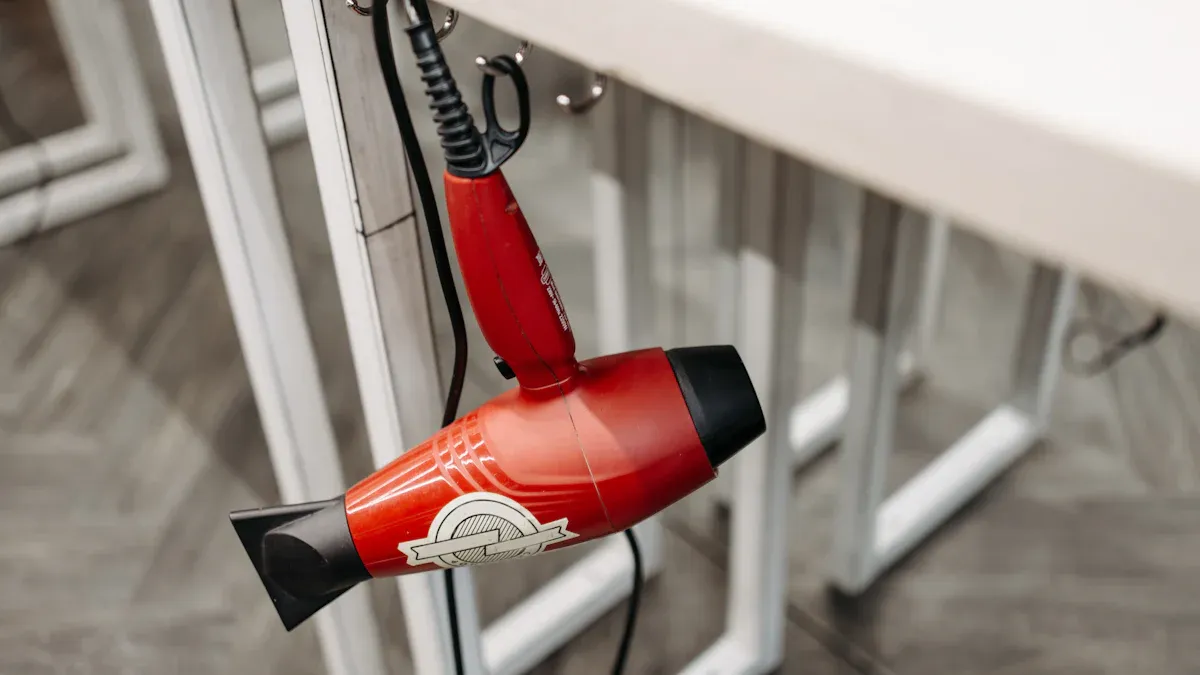
Maintaining a hair dryer ensures maximum lifespan and peak performance. Routine care prevents overheating, mechanical damage, and reduced airflow. Hair dryer manufacturer data shows that regular maintenance, like cleaning the air filter, can extend the life of a BLDC hair dryer or AC hair dryer by up to 40%. The following table highlights average lifespans based on product quality:
| Feature | Budget Professional Model | Premium Durable Model |
|---|---|---|
| Average Lifespan | 6–12 months (daily use) | 3–5 years |
Simple steps to clean your hair dryer and clean the hair dryer help save money and reduce the need for replacements from a hair dryer factory.
Professional stylists recommend cleaning every week to prevent costly repairs and maintain hair dryer efficiency.
Why Maintaining Hair Dryers Matters
Benefits of Regular Maintenance
Maintaining hair dryers delivers measurable advantages for professionals and home users alike. Routine care preserves the integrity of internal components and ensures consistent performance. Individuals who clean the hair dryer regularly notice improved airflow and faster drying times. The following points highlight the key benefits:
- Regular maintenance extends motor life by up to 40%. Proper filter cleaning, careful storage, and periodic professional servicing contribute to this longevity.
- Clean filters prevent restricted airflow. When users clean detachable filters after each use, motors operate efficiently and avoid excessive heat buildup.
- Monthly professional inspections, including motor bearing lubrication and internal cleaning, optimize performance and reduce the risk of overheating.
- Maintenance routines can double the operational life of a hair dryer. This leads to substantial cost savings, especially for premium models.
- Repair costs for minor issues range from $50 to $125. Major repairs can cost between $150 and $350. By maintaining hair dryers, individuals avoid unnecessary expenses and maximize their investment.
Professional stylists and salon owners recognize that consistent care not only protects equipment but also ensures reliable results for clients. Energy efficiency improves when filters remain clear, reducing utility bills and environmental impact.
Tip: Establish a weekly cleaning schedule to maintain peak performance and extend the life of your dryer.
Risks of Neglecting to Clean the Hair Dryer
Neglecting to clean a hair dryer exposes users to significant hazards and performance issues. The consequences of poor maintenance can affect both safety and functionality. The table below outlines the documented risks:
| Risk Type | Description |
|---|---|
| Fire Hazard | Highly flammable lint combined with high heat is a leading cause of preventable house fires. |
| Performance Issues | Constant strain leads to expensive breakdowns and can cause damage to walls and promote mold growth. |
Lint buildup inside the dryer creates a fire hazard. High temperatures can ignite accumulated debris, posing a threat to homes and salons. Clogged vents force the appliance to work harder, resulting in longer drying cycles and increased energy consumption. Over time, this strain leads to costly repairs and premature failure.
Individuals who fail to maintain hair dryer equipment risk not only financial loss but also personal safety. Mold growth and wall damage may occur when moisture escapes from malfunctioning dryers. To avoid these issues, users must clean and maintain hair dryers as part of their routine care.
How to Clean the Hair Dryer in 3 Easy Steps
Cleaning a professional hair dryer ensures optimal performance and extends its lifespan. By following these three easy steps, users can maintain their equipment efficiently and prevent common issues caused by dust and product buildup.
Gather Your Cleaning Tools
Manufacturers recommend several tools for safe and effective maintenance. Each tool serves a specific purpose and helps achieve thorough results.
- Soft toothbrush: Removes surface dust with gentle circular scrubbing.
- Soft-bristled brush: Dislodges debris without damaging delicate parts.
- Microfiber cloths: One damp for cleaning, one dry for polishing.
- Cotton swabs: Reach tight spots for precise cleaning.
- Compressed air or canned air: Delivers powerful blasts to clear deep dust.
- Vacuum (low setting): Provides light suction around vents for final cleanup.
- Brush cleaner: Maintains cleaning tools and prevents residue reintroduction.
Tip: Keep all cleaning tools dedicated to hair dryer maintenance to avoid cross-contamination.
Unplug and Let the Dryer Cool
Safety guidelines emphasize the importance of unplugging the dryer and allowing it to cool completely before starting any cleaning process. This practice prevents electrical hazards and protects internal components from moisture damage.
- Always unplug the dryer before cleaning.
- Allow the dryer to cool fully to avoid burns or accidental activation.
- Never submerge the dryer in water or let cleaning solutions seep into internal parts.
Step 1: Clean the Air Filter
Regular filter cleaning is essential for maintaining airflow and preventing overheating. Manufacturers advise users to clean the filter weekly for daily use or monthly for occasional use. Salon professionals should clean the filter more frequently due to heavy usage.
Remove the Filter Safely
Most professional hair dryers feature a removable filter located at the rear. Users should follow these steps to remove the filter safely:
- Ensure the dryer is unplugged and cool.
- Locate the filter cover and gently twist or slide it off.
- Handle the filter with care to avoid damaging mesh screens or delicate parts.
Use a Brush or Vacuum to Remove Dust
Dust and lint accumulate quickly, especially in high-traffic environments. Effective cleaning methods include:
- Using a soft-bristled toothbrush to dislodge stubborn particles.
- Applying compressed air in short bursts to clear deep dust.
- Employing a vacuum with a fine nozzle attachment for light suction around vents.
Note: For non-removable filters, use vacuum suction and compressed air only.
Rinse and Dry the Filter
Removable mesh screens benefit from a thorough wash. The process involves:
- Rinsing the filter under warm running water.
- Scrubbing gently with a soft brush to remove debris.
- Washing in mild soapy water if buildup persists.
- Ensuring the filter dries completely for at least 24 hours before reinstallation.
Caution: Never reinstall a damp filter. Moisture can damage internal components and promote mold growth.
Reattach the Filter
Once the filter is clean and dry, users should reattach it securely:
- Align the filter with the dryer’s rear opening.
- Slide or twist the cover back into place.
- Confirm the filter sits firmly to prevent air leaks.
Routine filter cleaning keeps the hair dryer running efficiently and reduces the risk of overheating. By following these steps, users can clean the hair dryer in 3 easy steps and maintain peak performance.
Step 2: Clean the Exterior and Cord
Wipe Down the Body with a Damp Cloth
Professional stylists understand that dust and styling products often settle on the surface of a hair dryer. They recommend using a damp microfiber cloth to wipe down the body. This method removes visible debris and prevents buildup that can affect performance. A mild soap solution works well for general cleaning. The following table outlines safe cleaning agents and their best uses:
| Cleaning Product | Best Used For | Application Method |
|---|---|---|
| Mild Soap Solution | General cleaning | Damp microfiber cloth |
| Diluted Dish Detergent | Tough residue | Soft cloth, gentle pressure |
| Distilled Water | Final wipe-down | Clean, lint-free cloth |
Stylists avoid harsh chemicals because these can damage the finish and compromise the dryer’s durability. They use distilled water for a final wipe-down to ensure no residue remains.
Tip: Always wring out the cloth thoroughly before cleaning. Excess moisture can seep into vents and damage internal components.
Remove Product Buildup
Hair products such as sprays, gels, and oils leave sticky residue on the dryer’s surface. Professionals tackle stubborn buildup by applying diluted dish detergent with a soft cloth. They use gentle pressure to lift residue without scratching the casing. They inspect the dryer for hidden debris around buttons and seams. Cotton swabs help reach tight spots and remove lingering product.
Note: Regular cleaning prevents accumulation and keeps the dryer looking new.
Clean the Cord Carefully
The cord requires special attention. Stylists check for tangles, knots, and signs of wear. They wipe the cord with a damp cloth using mild soap solution. They avoid pulling or twisting the cord to prevent internal wire damage. They inspect the plug for debris and ensure it remains free from moisture. They store the cord loosely coiled to prevent strain.
Alert: Damaged cords pose safety risks. Replace cords showing fraying or exposed wires immediately.
Step 3: Clean the Nozzle and Attachments
Remove and Wash Attachments
Professional hair dryers often include diffusers, concentrators, and other attachments. Stylists remove these accessories and wash them separately. They rinse attachments under warm water and use mild soap to clean away debris and product buildup. They scrub gently with a soft brush to avoid scratching plastic surfaces. They inspect each piece for cracks or damage before reattaching.
Callout: Clean attachments regularly to maintain optimal airflow and prevent debris from entering the dryer.
Dry and Reattach Accessories
After washing, stylists dry attachments thoroughly with a lint-free cloth. They allow accessories to air dry completely before reattaching. Moisture trapped inside attachments can lead to mold growth and affect dryer performance. They align each accessory with the nozzle and secure it firmly. They check for proper fit to ensure safe operation.
Tip: Store attachments in a clean, dry place to prevent dust accumulation and prolong their lifespan.
Professionals who clean the hair dryer regularly notice improved performance and reduced risk of overheating. They remove debris from all surfaces and accessories to maintain a reliable tool for daily styling.
Deep Cleaning and Advanced Tips to Clean Your Hair Dryer
When and How to Deep Clean
Signs Your Dryer Needs Deep Cleaning
Hair dryers often require more than routine maintenance. Certain signs indicate the need for a deep cleaning session. Professionals observe the following symptoms:
- A faint burning smell signals lint burning on the heating element.
- Unusual noises such as grinding or rattling suggest internal debris.
- Reduced airflow and overheating point to clogged vents.
- Sparks coming from the motor housing or cord indicate electrical issues.
- The dryer shuts off repeatedly despite a clean filter.
These warning signs demand immediate attention. Ignoring them can lead to permanent damage or safety hazards.
Monthly Deep Cleaning Routine
A structured deep cleaning routine ensures optimal performance. The frequency depends on usage patterns. The table below outlines recommended schedules:
| User Type | Cleaning Frequency |
|---|---|
| Light Users | Monthly self-cleaning with seasonal deep maintenance |
| Regular Users | Bi-weekly cleaning cycles with product-based adjustments |
| Heavy Users | Weekly cleaning with monthly manual inspection |
| Professional High-Volume | Daily continuous cleaning |
| Professional Moderate | Every 2-3 days with weekly assessment |
Stylists follow these guidelines to maintain equipment longevity. They disassemble removable parts, inspect internal components, and use specialized tools for thorough cleaning. They always allow the dryer to cool before starting.
Handling Sticky Residue and Product Buildup
Safe Cleaning Solutions
Sticky residue and product buildup often accumulate on hair dryers. Professionals rely on effective cleaning solutions to address these issues:
- Mix two-thirds water and one-third fabric softener or mild shampoo in a spray bottle.
- Lightly spritz this mixture onto a cloth to break down product residue.
- Soak the plastic nozzle or diffuser in rubbing alcohol for a few hours to remove stubborn buildup.
- Use a cloth dampened with mild soap solution to rub in circular motions and lift dirt.
- For tougher spots, use a cotton swab dipped in diluted dish detergent, working on small sections.
- Wipe the entire surface with a clean, dry cloth to remove leftover moisture.
These methods help restore the dryer’s appearance and prevent sticky residue from affecting performance.
Preventing Future Buildup
Preventing product buildup requires consistent care. Stylists recommend the following practices:
- Clean attachments and nozzles after each use.
- Store the dryer in a dust-free environment.
- Avoid using excessive styling products near the dryer.
- Inspect the dryer regularly for signs of residue.
Routine maintenance and proper storage minimize the risk of buildup. Professionals achieve reliable results and extend the lifespan of their equipment.
Tip: Establish a monthly deep cleaning routine to keep your hair dryer running efficiently and safely.
Essential Tips to Maintain Hair Dryer for Longevity
Regular Inspection and Maintenance
Routine inspection forms the foundation of effective care for professional hair dryers. Stylists and salon owners who maintain hair dryer equipment consistently preserve the functionality and extend its lifespan. They follow a structured routine to identify issues early and prevent costly repairs.
- Daily visual checks and lint removal help maintain hair dryer performance. Professionals inspect the rear filter and remove visible lint at the end of each workday. They wipe down the exterior with a soft cloth to keep the device clean.
- Weekly deep cleaning routines ensure thorough maintenance. Stylists clean the filter, brush internal vents, and wash all removable parts and attachments. This process prevents buildup and supports optimal airflow.
Check for Loose Components
Technicians recommend checking for loose screws, buttons, and attachments during each inspection. They tighten any loose parts to avoid rattling or malfunction. A secure assembly preserves the functionality and prevents unexpected breakdowns.
Inspect Cord and Plug for Damage
Salon professionals examine the cord and plug for signs of wear, fraying, or exposed wires. They replace damaged cords immediately to ensure safety and maintain hair dryer reliability. Regular inspection of electrical components reduces the risk of accidents.
Tip: Establish a maintenance checklist to track inspection and cleaning activities. Consistent care prevents minor issues from becoming major problems.
Proper Storage Practices
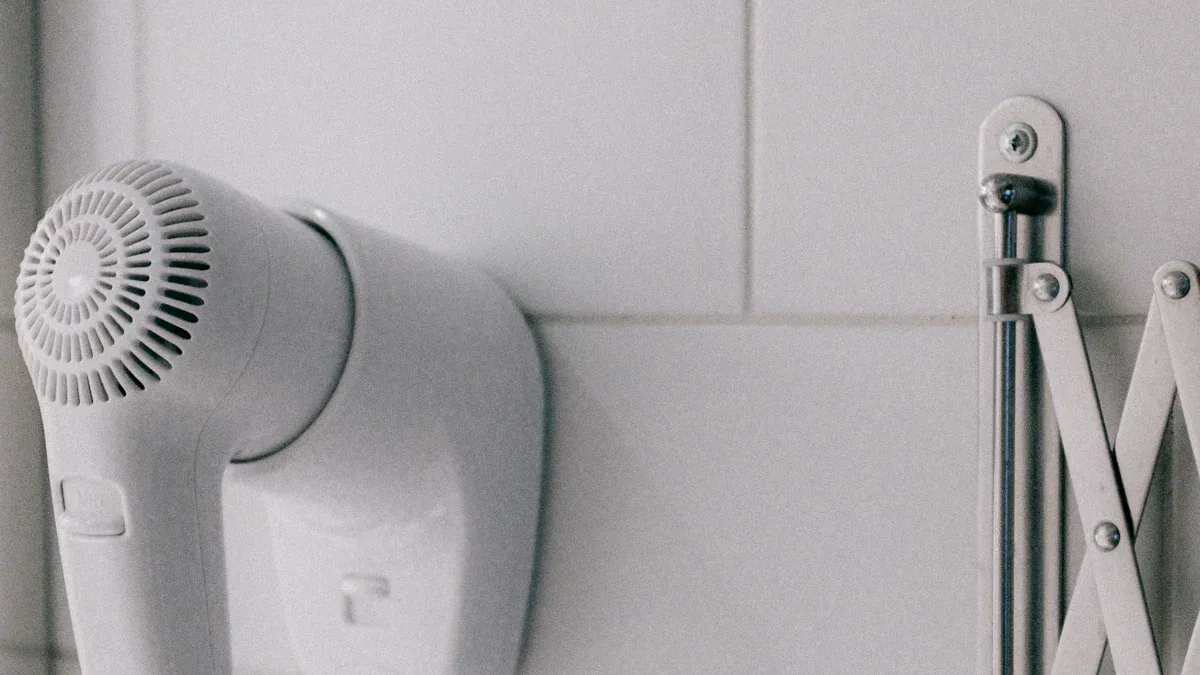
Proper storage plays a critical role in extending the life of a hair dryer. Stylists store their tools in dry, cool places to avoid moisture and heat exposure. They use protective cases to shield the dryer from dust and accidental harm.
- Storage in a cool, dust-free area prevents damage from dust and moisture.
- Protective cases help avoid overheating and motor failure.
- Ensuring the dryer is completely cooled before storage maintains internal components.
- Fabric-lined cases or silicone sleeves offer better protection than tossing the dryer into a makeup bag.
- Stable climates prevent extreme temperature fluctuations that can affect functionality.
Store in a Dry, Cool Place
Professionals keep hair dryers in dry and clean environments. Heat-resistant pouches or cases protect against dust and accidental harm. This practice prevents rust and electrical damage.
Avoid Moisture and Heat Exposure
Stylists avoid storing dryers near sinks, showers, or heat sources. Moisture can cause rust and electrical issues. Excessive heat may damage internal parts and reduce the dryer’s lifespan.
Note: Always allow the dryer to cool before storing. This habit preserves the functionality and prevents internal stress.
Handling and Usage Best Practices
Proper handling and usage ensure the dryer operates efficiently and lasts longer. Manufacturers recommend several practices to maintain hair dryer equipment and care for its internal components.
| Practice | Description |
|---|---|
| Maintain Distance | Keep the dryer 6–12 inches from surfaces to prevent overheating or melting. |
| Avoid Overheating | Use intermittent bursts instead of continuous operation to extend lifespan. |
| Clean Regularly | Remove lint from the air intake grill to maintain airflow and prevent hazards. |
| Use Cool Shot Wisely | Ideal for setting makeup, calming puffy eyes, or refreshing skin. |
| Energy Efficiency | Modern dryers use less energy and protect surfaces with even heat distribution. |
Safe Handling During Use
Stylists handle dryers with care, avoiding rough movements and sudden drops. They grip the handle securely and keep the device away from water and other hazards.
Preventing Drops and Knocks
Professionals place dryers on stable surfaces when not in use. They avoid tossing or dropping the device, which can damage internal components and affect functionality.
Using Correct Heat and Speed Settings
Stylists adjust heat and speed settings based on hair type and styling needs. Using the highest heat constantly can lead to motor overheating and premature wear. Cooling periods between styling sessions help prevent overheating. Fine or damaged hair requires lower heat settings, while thicker hair may need higher temperatures. Multiple heat settings allow users to minimize damage and achieve desired results.
Callout: Adopting these care tips helps maintain hair dryer performance and extends its lifespan. Consistent attention to inspection, storage, and handling preserves the functionality and reliability of professional tools.
Preventing Common Issues When Maintaining Hair Dryers
Professional stylists and salon owners encounter several common issues when maintaining hair dryers. Addressing these problems early ensures reliable performance and extends the lifespan of the equipment.
Avoiding Overheating
Overheating remains one of the most frequent challenges in hair dryer maintenance. Recognizing warning signs and adopting proper habits can prevent costly damage.
Recognize Warning Signs
Stylists observe specific indicators that signal overheating. These include:
- Unusual burning smells during operation.
- The dryer shutting off unexpectedly.
- Excessive heat from the casing.
- Reduced airflow or loud noises.
Several factors contribute to overheating:
- Blocked air intake filters trap hot air and reduce cooling efficiency.
- Motor and fan failures decrease airflow, causing temperature spikes.
- Faulty heating elements produce uncontrolled heat.
- Defective safety components, such as thermal fuses and thermostats, fail to regulate temperature.
Alert: Immediate attention to these signs prevents permanent damage and ensures user safety.
Let the Dryer Rest Between Uses
Professionals follow best practices to prevent overheating during regular use:
- Operate the hair dryer in short bursts rather than continuously.
- Allow the device to cool between styling sessions.
- Select the correct heat setting for each hair type.
- Unplug the dryer after use and let it cool completely before storage.
- Store the dryer in a cool, dry location.
- Clean air intake screens and inspect safety components regularly.
Routine maintenance, including monthly filter cleaning and vent inspection, keeps airflow steady and reduces overheating risks.
Protecting Internal Components
Protecting internal components ensures the hair dryer remains safe and functional. Stylists prioritize airflow and cleanliness to avoid internal damage.
Keep Airflow Clear
Daily cleaning of air intake vents with compressed air or soft brushes removes dust and debris. Monthly inspection of power cords, housing, and connections identifies wear or damage early. Quarterly professional servicing for commercial-grade dryers maintains safe operating conditions.
Tip: Proper storage prevents overheating and protects internal parts. Always cool the dryer before storing and manage cords carefully.
Avoid Product Buildup Inside Dryer
Stylists wipe the exterior after each use to remove product buildup. They clean attachments weekly to keep removable parts hygienic. Regular maintenance, proper storage, and quality equipment selection reduce the risk of internal fires.
Scheduling Routine Maintenance
A structured maintenance schedule helps prevent common issues and keeps the dryer in top condition.
Create a Cleaning Schedule
Professionals use a maintenance checklist to track tasks. The following table outlines recommended routines:
| Maintenance Task | Frequency | Why It Matters |
|---|---|---|
| Filter Cleaning | Monthly (or more often if used daily) | Prevents overheating and keeps airflow steady |
| Vent Inspection | Monthly | Ensures proper air circulation |
| Exterior Wiping | After each use | Removes product buildup |
| Attachment Care | Weekly | Keeps removable parts clean and hygienic |
| Cord Check | Monthly | Ensures electrical safety |
| Professional Check | When issues persist | Identifies hidden problems or risks |
Track Maintenance Activities
Stylists record maintenance activities in a logbook or digital tracker. This practice ensures consistency and helps identify patterns or recurring issues. Regular tracking supports proactive care and reduces the likelihood of unexpected breakdowns.
Callout: Consistent maintenance and careful tracking protect both the hair dryer and the stylist’s investment.
Extra Tips for Longevity When You Clean Your Hair Dryer
Use Professional Accessories and Attachments
Choose Quality Diffusers and Concentrators
Professional stylists select high-quality diffusers and concentrators to maximize the performance of their hair dryers. These attachments feature heat-resistant materials and precision-engineered airflow designs. The diffuser attachment benefits individuals with curly or wavy hair by dispersing airflow evenly. This process enhances natural texture, reduces frizz, and prevents heat damage. Concentrators allow stylists to direct airflow for precise styling, resulting in superior finishes.
| Feature | Professional-Grade Attachments | Consumer-Grade Attachments |
|---|---|---|
| Material | Heat-resistant, rated above 220°C | Standard ABS plastic, rated around 150°C |
| Mechanism | Magnetic or twist-lock | Basic snap-fit connections |
| Airflow Design | Precision-engineered | Simplified designs |
| Performance Impact | Enhanced styling results | Cost-focused performance |
Tip: Quality attachments reduce downtime from equipment failure and deliver consistent results across different stylists.
- Enhanced client satisfaction through superior finishes
- Lower long-term replacement costs
- Professional image and brand positioning
Ensure Compatibility
Stylists verify that accessories match their hair dryer model. Magnetic or twist-lock mechanisms provide secure connections and prevent accidental detachment. Compatibility ensures optimal airflow and prevents damage to both the dryer and the attachment. Manufacturers recommend checking specifications before purchasing new accessories.
When to Seek Professional Servicing
Signs You Need Repairs
Hair dryers require professional servicing when they display certain warning signs. Stylists watch for decreased airflow, strange noises such as grinding or squealing, unexpected shutoffs, and overly hot exterior surfaces. Burning smells or sparking indicate immediate safety concerns. Damaged wiring, burnt components, or melted plastic inside the dryer demand expert attention.
- Motor replacement or internal repairs
- Persistent overheating despite proper cleaning
- Frequent unexplained shutoffs or operational failures
- Electrical malfunctions
Alert: Attempting repairs without proper training can lead to electrical shock or further damage.
Finding a Qualified Technician
Stylists locate qualified technicians by consulting manufacturer recommendations or searching for certified appliance repair specialists. Technicians possess the tools and expertise required for complex internal issues. Professional servicing restores performance and ensures safety.
Upgrading and Recycling Old Hair Dryers
Knowing When to Replace
Stylists replace hair dryers when performance declines or safety concerns arise. Signs include frequent breakdowns, reduced airflow, and visible damage. Upgrading to a newer model with advanced features improves efficiency and styling results. Powerful motors, typically ranging from 1800 to 2000 watts, reduce drying time and enhance salon productivity.
Eco-Friendly Disposal Options
Recycling old hair dryers offers environmental benefits. Conservation of resources occurs when precious metals and components are recovered. Recycling lowers greenhouse gas emissions by reducing the need for raw material extraction. Proper disposal prevents harmful substances from contaminating the environment.
- Conservation of valuable non-renewable resources
- Reduction in greenhouse gas emissions
- Prevention of pollution
Note: Many local recycling centers accept small appliances. Stylists contribute to sustainability by choosing eco-friendly disposal methods.
Regular cleaning and maintenance play a vital role in extending the life of the hair dryer. Professionals recommend the three easy cleaning steps and routine inspections for best results. Greater focus on hair dryer care helps prevent costly repairs and ensures reliable performance. Consistent attention to these practices allows users to enjoy safe, efficient styling tools. Readers should make dryer care a regular habit to protect their investment and achieve long-lasting results.
FAQ
How often should professionals clean the hair dryer filter?
Stylists clean the filter weekly for daily use. Heavy salon environments require more frequent cleaning. Regular maintenance prevents overheating and extends the dryer’s lifespan.
What tools work best for cleaning hair dryer vents?
A soft-bristled brush, compressed air, and a microfiber cloth remove dust and lint efficiently. Professionals avoid metal tools to protect delicate components.
Can water damage a professional hair dryer during cleaning?
Water damages internal parts if it enters the dryer. Stylists rinse removable filters only and dry them completely before reattaching. They never submerge the dryer.
How does product buildup affect dryer performance?
Product buildup restricts airflow and causes overheating. Stylists clean attachments and exterior surfaces regularly to maintain optimal performance and prevent costly repairs.
What signs indicate a hair dryer needs professional servicing?
Decreased airflow, burning smells, sparks, and frequent shutoffs signal internal issues. Technicians inspect and repair these problems to ensure safety and reliability.
Is it safe to use household cleaners on hair dryer surfaces?
Stylists use mild soap solutions or diluted dish detergent. Harsh chemicals damage finishes and internal components. They always follow manufacturer guidelines.
How can professionals prevent cord damage?
Stylists store cords loosely and inspect them for fraying. They avoid pulling or twisting cords. Damaged cords require immediate replacement to maintain safety.
What is the best way to store a hair dryer for longevity?
Professionals store dryers in cool, dry places. Protective cases shield equipment from dust and accidental damage. They allow the dryer to cool before storage.