
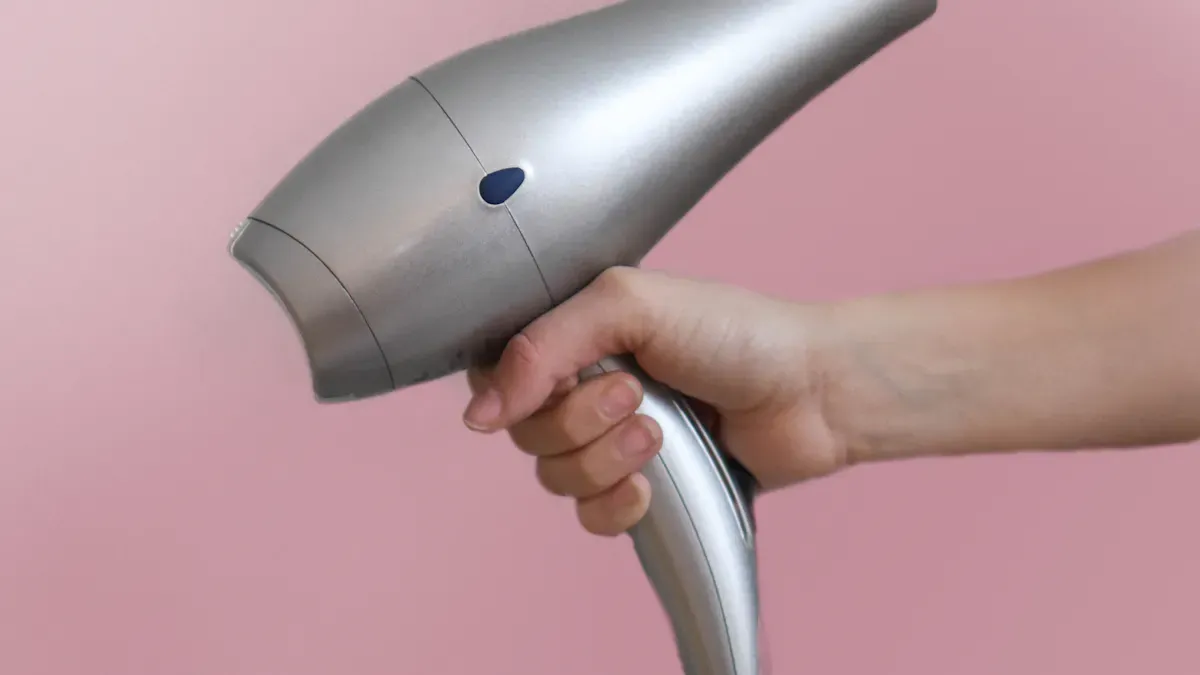
Hair dryer attachments play a critical role in achieving healthy, professional results during blow drying. Many users select diffusers to enhance curls and maintain texture, while concentrators help create sleek, straight styles. Choosing the right attachment reduces frizz and minimizes surface damage, as shown in studies comparing heat distribution and moisture content:
| Feature | Benefit |
|---|---|
| Even heat distribution | Reduces exposure time, promotes hair health |
| Surface damage | Lower at controlled temperatures |
A BLDC hair dryer or AC hair dryer from a reputable hair dryer manufacturer or hair dryer factory ensures optimal performance and safety.
Diffuser Hair Dryer Attachments
What is a Diffuser?
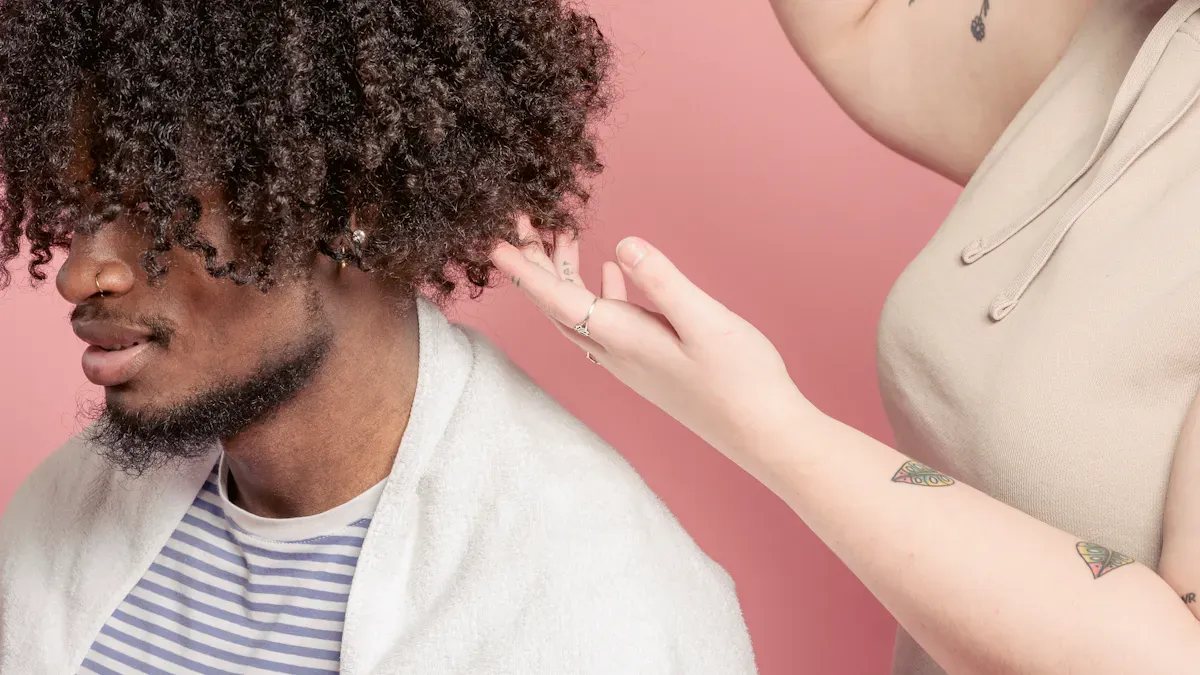
A diffuser is a specialized hair dryer attachment designed to disperse airflow over a wider area. Unlike standard nozzles, a diffuser attachment features prongs or “fingers” that lift and separate strands during drying. This design reduces the intensity of the airflow, which helps prevent disruption of the hair’s natural texture. Some diffusers have a rounded bowl shape with extended prongs, while others use a flatter surface for a gentler effect. Both styles aim to minimize frizz and maintain the integrity of curls or waves.
Main Uses of a Diffuser
The primary function of a diffuser is to enhance and define natural curls or waves. By spreading the airflow, the diffuser allows hair to dry without disturbing the curl pattern. This method helps reduce frizz and promotes even drying. Many stylists recommend using a diffuser attachment for clients who want to boost volume and achieve a more polished, salon-quality finish at home.
Tip: For best results, users should set the dryer to a low or medium heat setting and gently cup sections of hair with the diffuser. This technique encourages curl formation and prevents heat damage.
Key benefits of using diffusers include:
- Enhanced curl definition
- Reduced frizz
- Increased volume at the roots
- Even drying for thicker or textured hair
Best Hair Types for Diffusers
Diffusers work best for individuals with curly, wavy, coily, or textured hair types. These attachments help maintain the natural shape of curls and waves, making them ideal for anyone seeking to preserve or enhance their hair’s pattern. People with fine, straight hair may not see as much benefit from a diffuser, but those with any degree of curl or wave can achieve improved definition and volume.
| Hair Type | Benefit of Diffusers |
|---|---|
| Curly | Maintains curl pattern, reduces frizz |
| Wavy | Enhances wave shape, adds volume |
| Coily/Textured | Defines coils, prevents shrinkage |
Stylists often recommend diffusers for clients who struggle with frizz or want to maximize the bounce and shape of their curls. The diffuser attachment stands out as an essential tool for anyone with textured hair seeking healthy, defined results.
How to Use a Diffuser
Using a diffuser attachment correctly can transform the results of a blow-dry session. Many stylists recommend following a systematic approach to maximize curl definition and minimize frizz. The following steps outline a professional method for using a diffuser on curly or wavy hair:
Start with Clean, Damp Hair
Hair should be freshly washed and conditioned. Excess water can be removed by gently blotting with a microfiber towel. This step helps prevent breakage and reduces frizz.Apply a Heat Protectant
A heat protectant spray or cream shields hair from thermal damage. Even distribution ensures that every strand receives protection during the drying process.Section the Hair
Dividing hair into manageable sections allows for even drying. Clips or hair ties can help keep sections separate and organized.Attach the Diffuser to the Dryer
The diffuser should fit securely on the nozzle. A loose attachment can cause uneven airflow and reduce effectiveness.Set the Dryer to Low or Medium Heat
High heat can disrupt curl patterns and increase frizz. Low or medium settings provide gentle drying and better control.Dry Hair with an Upward Motion
Place sections of hair into the diffuser bowl. Lift the diffuser toward the scalp and hold for several seconds. This technique encourages natural curl formation and adds volume at the roots.Move the Diffuser Around the Head
Rotate the dryer in a circular motion to cover all sections. Avoid staying in one spot for too long to prevent overheating.Finish with a Cool Shot
Many dryers feature a cool shot button. A blast of cool air helps set the style and adds shine.
Tip: For extra volume, flip the head upside down while using the diffuser. This position lifts roots and enhances body.
The diffuser attachment works best when hair is not disturbed during drying. Touching or combing hair while using the diffuser can cause frizz and disrupt curl formation. Patience and gentle handling yield the most defined and healthy-looking curls.
| Step | Purpose |
|---|---|
| Sectioning hair | Ensures even drying |
| Low heat setting | Protects curl pattern |
| Cool shot finish | Locks in style and shine |
A diffuser offers versatility for various curl types. Individuals can experiment with different drying angles and techniques to discover what works best for their unique hair texture.
Concentrator Attachment for Precise Styling
What is a Concentrator Attachment?
A concentrator attachment is a specialized tool that fits onto the end of a hair dryer. The design features a narrow, elongated nozzle that directs airflow into a focused stream. This concentrated airflow allows users to target specific sections of hair with precision. Manufacturers often refer to this piece as a concentrator nozzle. Stylists rely on concentrators to achieve sleek, polished looks. The attachment works by channeling heat and air directly onto the desired area, which enhances control during styling. Many professional dryers include multiple concentrator nozzle sizes to suit different styling needs.
Note: The concentrator nozzle should fit securely on the dryer to prevent air leaks and ensure optimal performance.
Main Uses of a Concentrator Attachment
Concentrator attachments serve several important functions in hair styling. The primary purpose involves directing airflow for precise control. This feature proves essential when straightening hair or creating smooth, frizz-free finishes. Concentrators allow stylists to work section by section, which results in uniform drying and styling. The attachment also speeds up the drying process by focusing heat where it is needed most.
Key benefits of using a concentrator attachment include:
- Concentrator nozzles direct airflow in a focused stream, enhancing control over specific areas of hair.
- They reduce frizz by concentrating heat on specific sections, leading to smoother results.
- These attachments speed up the drying process by directing airflow more effectively, making them ideal for precise styling.
Many stylists use concentrator nozzles to create straight, sleek styles. The attachment works well for blowouts, smoothing treatments, and preparing hair for flat ironing. Concentrators also help minimize flyaways and add shine by sealing the cuticle.
| Styling Goal | Concentrator Benefit |
|---|---|
| Straightening | Focused airflow, smooth finish |
| Blowout | Faster drying, volume control |
| Frizz reduction | Targeted heat, less flyaway |
Tip: For best results, hold the concentrator nozzle close to the section being styled and use a brush to guide the hair.
Best Hair Types for Concentrator Attachments
Concentrator attachments offer versatility for a range of hair types. Hair care experts recommend concentrators for curly and coily hair. The focused airflow assists in managing shrinkage and lengthening curls, which helps refine styles. Concentrator nozzles also prepare curls for protective styles, such as stretching hair before braiding. Straight and wavy hair benefit from concentrators when achieving smooth, polished looks.
- Concentrator attachments are especially useful for curly and coily hair types.
- They assist in styling and managing shrinkage, which helps in lengthening and refining styles.
- The attachment is beneficial for preparing curls for protective styles, such as stretching hair before braiding.
Individuals with thick or unruly hair often find concentrator nozzles helpful for taming frizz and achieving a sleek finish. The attachment adapts to different styling goals, making it a staple in both salon and home settings.
| Hair Type | Concentrator Advantage |
|---|---|
| Curly | Lengthens, refines, reduces shrinkage |
| Coily | Prepares for protective styles |
| Straight/Wavy | Smooths, polishes, controls frizz |
Concentrators provide the precision needed for professional results. Users can experiment with different nozzle sizes and techniques to discover the best approach for their unique hair types.
How to Use a Concentrator Attachment
A concentrator attachment helps users achieve smooth, polished hairstyles with precision. Professionals recommend a step-by-step approach for best results. The following guide outlines the process:
Start with Clean, Damp Hair
Hair should be freshly washed and towel-dried. Excess moisture can slow the drying process and reduce styling effectiveness.Apply a Heat Protectant
A heat protectant spray or serum shields hair from thermal damage. Even coverage ensures every strand receives protection.Section the Hair
Dividing hair into small, manageable sections allows for even drying. Clips or hair ties keep sections organized and prevent overlap.Attach the Concentrator
Secure the concentrator attachment onto the nozzle of the hair dryer. A snug fit prevents air leaks and maintains focused airflow.Select the Right Heat and Speed Settings
Medium heat and low speed provide control and reduce frizz. High heat can be used for thick or coarse hair, but users should avoid overheating.Use a Brush for Guidance
A round or paddle brush helps direct hair while drying. Place the brush under a section of hair and point the concentrator attachment along the hair shaft, moving from roots to ends.Move in a Controlled Manner
Glide the brush and dryer together slowly. This technique smooths the cuticle and creates a sleek finish.Repeat for Each Section
Continue the process until all sections are dry and styled. Consistency ensures a uniform look.Finish with a Cool Shot
Many dryers feature a cool shot button. A blast of cool air sets the style and adds shine.
Tip: Keep the concentrator attachment at least one inch away from the hair to prevent overheating and damage.
The table below summarizes the key steps and their benefits:
| Step | Benefit |
|---|---|
| Sectioning hair | Ensures even drying |
| Using a brush | Enhances smoothness |
| Cool shot finish | Locks in style and shine |
A concentrator attachment offers versatility for various hair types and styles. Users can experiment with different brushes and techniques to achieve their desired look. Regular practice improves control and results in salon-quality finishes at home.
Comb and Pick Hair Dryer Attachments
What is a Comb/Pick Attachment?
A comb attachment transforms a standard hair dryer into a powerful detangling and styling tool. This accessory features rows of teeth that glide through strands, separating and smoothing as air flows through. Many manufacturers design the comb attachment with wide or fine teeth to accommodate different textures. The pick attachment, on the other hand, uses longer, widely spaced prongs. These prongs lift hair at the roots, creating volume and definition. Both attachments snap onto the nozzle of most dryers, making them easy to use at home or in a salon.
The main differences between these two tools can be summarized in the following table:
| Attachment Type | Main Functions | Best For |
|---|---|---|
| Comb | Detangling thick, curly hair, creating smooth styles, working through product-loaded hair | Type 3-4 curls and coils |
| Pick | Lifting roots, creating volume, defining curls, adding height | Afro-textured hair and shorter, denser textures |
Tip: Always ensure the attachment fits securely before turning on the dryer to prevent accidental detachment.
Main Uses of Comb and Pick Attachments
Stylists rely on the comb attachment for several essential tasks. It detangles thick or curly hair efficiently, reducing breakage and discomfort. The comb attachment also helps distribute styling products evenly, ensuring consistent results. Many users prefer this tool for straightening or stretching curls during blow drying. The wide teeth glide through dense textures, making the process smoother and faster.
The pick attachment excels at lifting hair from the scalp. This action creates impressive volume and enhances the natural shape of curls or coils. Users with shorter, denser textures often choose the pick attachment to add height and definition. It also works well for refreshing styles between washes, as it can fluff and separate curls without causing frizz.
Common uses for these attachments include:
- Detangling wet or dry hair
- Stretching curls for protective styles
- Adding volume at the roots
- Defining and shaping curls or coils
- Distributing leave-in conditioners or creams
Note: For best results, start with damp hair and use a low to medium heat setting to minimize heat damage.
Best Hair Types for Comb and Pick Attachments
Comb and pick attachments cater to a variety of hair textures. The comb attachment works best for individuals with thick, curly, or coily hair. Wide-tooth designs glide through dense strands, making detangling less stressful. Fine-tooth combs suit straight hair, helping to smooth and polish the surface.
The pick attachment shines when used on afro-textured hair and shorter, denser styles. Its long prongs lift and separate curls, creating fullness and shape. Stylists recommend matching the attachment to the hair’s density and curl pattern for optimal results.
The table below highlights the ideal match between hair type and comb design:
| Hair Type | Recommended Comb Type |
|---|---|
| Thick Hair | Wider Tooth Comb |
| Curly Hair | Wider Tooth Comb |
| Straight Hair | Fine Tooth Comb |
Professionals suggest experimenting with both attachments to discover which tool delivers the best results for each individual’s unique texture.
Those with textured hair often find that a comb attachment simplifies their routine, while a pick attachment adds the finishing touch to voluminous styles. Selecting the right tool ensures healthier hair and more consistent styling outcomes.
How to Use Comb and Pick Attachments
Using a comb or pick attachment with a hair dryer can streamline the styling process and improve hair health. Professionals recommend a systematic approach to maximize results and minimize damage. The following steps outline an effective method for using these attachments:
Prepare the Hair
Begin with clean, damp hair. Towel-dry to remove excess moisture. Apply a heat protectant spray to shield strands from thermal exposure.Select the Right Attachment
Choose a comb attachment for detangling or smoothing thick, curly hair. Opt for a pick attachment to lift roots and add volume, especially for afro-textured hair.Secure the Attachment
Attach the comb or pick firmly to the hair dryer nozzle. A secure fit ensures consistent airflow and prevents accidental detachment during use.Section the Hair
Divide hair into manageable sections using clips. This step allows for even drying and styling.Adjust Heat and Speed Settings
Set the dryer to a low or medium heat setting. High heat can cause breakage, especially in textured hair. Use a lower speed for better control.Begin Drying and Styling
For the comb attachment, start at the ends and gently work upward toward the roots. Glide the comb slowly through each section, allowing the airflow to detangle and smooth the hair. For the pick attachment, insert the prongs at the roots and gently lift upward to create volume and shape.Repeat for All Sections
Continue the process until all sections are dry and styled. Take care not to rush, as gentle handling reduces frizz and breakage.Finish and Set the Style
Use the cool shot button on the dryer to lock in the style and add shine. This step helps maintain the finished look throughout the day.
Tip: Always clean the comb or pick attachment after each use to remove product buildup and hair strands. Regular cleaning extends the life of the attachment and ensures optimal performance.
The table below summarizes the main actions and their benefits:
| Step | Benefit |
|---|---|
| Sectioning hair | Ensures even drying |
| Low heat setting | Reduces risk of damage |
| Cool shot finish | Locks in style and shine |
By following these steps, users can achieve salon-quality results at home. The comb attachment excels at detangling and smoothing, while the pick attachment adds volume and definition. Consistent technique and proper care lead to healthier, more manageable hair.
Brush Hair Dryer Attachments
What is a Brush Attachment?
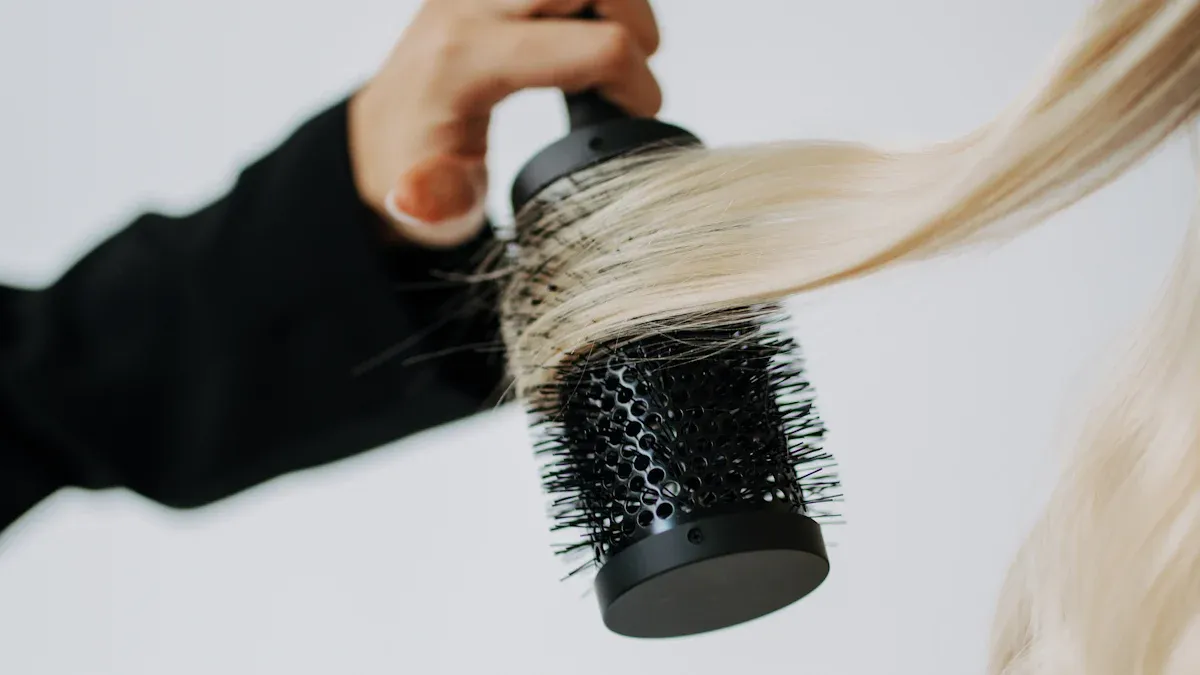
A brush attachment transforms a standard hair dryer into a versatile styling tool. This accessory combines the functions of a traditional brush and a hair dryer, allowing users to dry and style hair simultaneously. Manufacturers design brush attachments in various shapes, such as oval or paddle, to suit different styling needs. The attachment snaps onto the nozzle of the dryer, providing a secure fit for efficient airflow. Many models feature bristles made from materials like boar or nylon, which help detangle and smooth strands during the drying process. By merging two essential tools, the brush attachment streamlines the hair care routine and reduces the need for advanced styling skills.
Main Uses of Brush Attachments
Brush attachments offer several advantages over traditional brushes. They simplify the styling process by combining drying and brushing into one step, making daily routines faster and more convenient. Users can create curls, straighten hair, or add root volume with ease. The brush attachment allows for a quick and effortless blowout, merging brushing and blow-drying into a single process. This efficiency saves time and reduces the effort required compared to using a separate brush and dryer.
Many users find that brush attachments help achieve salon-quality results at home. The oval brush design smooths hair, reduces frizz, and adds volume, mimicking the effects of a professional blowout. Paddle brush attachments excel at straightening and smoothing, making them ideal for those seeking a sleek finish. These tools also distribute heat evenly, which helps protect hair from damage and ensures consistent results.
Tip: For best results, select the brush attachment that matches your desired style—oval for volume and bounce, paddle for straight and smooth looks.
Best Hair Types for Brush Attachments
Professional stylists recommend brush attachments for a wide range of hair types. Boar bristle brushes work well for straight, wavy, or curly hair, offering gentle detangling without causing snags. The natural bristles help distribute scalp oils evenly, promoting shine and overall hair health. Individuals with long hair benefit from the detangling properties of these brushes, while those with shorter styles can use them to add volume and shape.
- Boar bristle brushes suit straight, wavy, or curly hair.
- These brushes detangle long hair effectively.
- Natural bristles distribute oils for healthier hair.
Brush attachments provide versatility for different textures and lengths. Users can experiment with various brush shapes and bristle types to discover the best match for their hair. By selecting the right brush attachment, anyone can achieve smooth, voluminous, and polished styles with minimal effort.
How to Use Brush Attachments
Using a brush attachment with a hair dryer can streamline the styling process and deliver salon-quality results at home. Professionals recommend a systematic approach to maximize the benefits of this versatile tool. The following steps outline an effective method for achieving smooth, voluminous, or straight styles with a brush attachment:
Prepare the Hair
Begin with freshly washed, towel-dried hair. Excess moisture can slow down the drying process. Apply a heat protectant spray to shield strands from thermal damage.Section the Hair
Divide the hair into manageable sections using clips. Smaller sections allow for more precise styling and even heat distribution.Attach the Brush
Secure the brush attachment onto the hair dryer nozzle. Ensure a snug fit to maintain consistent airflow and prevent detachment during use.Select the Right Settings
Choose a medium heat and low to medium speed setting. High heat can cause frizz or damage, especially for fine or color-treated hair.Begin Styling
Place the brush attachment at the roots of a section. Glide the brush slowly down the hair shaft, following the natural direction of the hair. For added volume, lift the section at the roots as you dry.Repeat for Each Section
Continue working through each section until the hair is completely dry and styled. Overlapping sections can help blend layers and create a seamless finish.Finish with a Cool Shot
Use the cool shot button to set the style and add shine. This step helps lock in the desired shape and reduces frizz.
Tip: For bouncy curls or waves, wrap sections of hair around the brush attachment and hold for a few seconds before releasing. For a sleek, straight look, use slow, steady strokes from root to tip.
The table below summarizes the key steps and their primary benefits:
| Step | Benefit |
|---|---|
| Sectioning hair | Ensures even styling |
| Medium heat setting | Protects hair health |
| Cool shot finish | Locks in style and shine |
Brush attachments offer flexibility for various hair types and styles. Users can experiment with different techniques, such as twisting the brush for curls or using straight strokes for a smooth finish. Regular cleaning of the brush attachment prevents product buildup and maintains optimal performance.
Note: Always allow the brush attachment to cool before removing it from the dryer. This practice extends the lifespan of both the attachment and the hair dryer.
Specialty Hair Dryer Attachments
Smoothing Attachments
Smoothing attachments help users achieve sleek, polished hair. These tools often feature a wide, flat design that directs airflow evenly across the hair shaft. Many stylists recommend smoothing attachments for individuals who want to minimize frizz and create a straight finish. The attachment works by sealing the cuticle, which results in a glossy appearance. Smoothing attachments suit most hair types, especially those prone to flyaways or static.
Some models incorporate ionic technology. This feature releases negative ions that break down water molecules quickly. As a result, drying time decreases and hair retains more moisture. The following table highlights the impact of ionic and turbo technologies on drying time and hair health:
| Technology Type | Impact on Drying Time | Impact on Hair Health |
|---|---|---|
| Ionic | Up to 50% faster | Reduces frizz, enhances shine, locks in moisture |
| Turbo | Higher airflow | Reduces heat exposure, maintains moisture |
Tip: For best results, users should glide the smoothing attachment from roots to ends while following with a paddle brush.
Volumizing Attachments
Volumizing attachments add lift and body to flat or fine hair. These tools often feature a curved or vented design that lifts hair at the roots during drying. Stylists use volumizing attachments to create fullness and bounce, especially for layered or shorter styles. The attachment works by directing airflow underneath the hair, which increases volume without causing tangles.
Many volumizing attachments pair well with turbo technology. This feature increases airflow, which speeds up drying and reduces heat exposure. Hair maintains its natural moisture, resulting in a healthier appearance. Volumizing attachments suit those who want to add dimension and movement to their style.
- Adds lift at the roots
- Creates fullness for fine or limp hair
- Works well for blowouts and layered cuts
Note: For maximum volume, users can flip their head upside down while drying with a volumizing attachment.
Curl Defining Attachments
Curl defining attachments help shape and enhance curls during the drying process. These tools often resemble diffusers but may include specialized prongs or channels that separate and support each curl. Curl defining attachments distribute airflow gently, which prevents frizz and maintains the natural curl pattern. Stylists recommend these attachments for individuals with wavy, curly, or coily hair who want to enhance curls without causing damage.
Some curl defining attachments use ionic technology to lock in moisture and boost shine. This feature helps curls look healthy and defined. Curl defining attachments work best when paired with a low heat setting and minimal handling.
| Hair Type | Curl Defining Benefit |
|---|---|
| Wavy | Shapes and enhances waves |
| Curly | Defines curls, reduces frizz |
| Coily | Maintains coil structure |
Tip: Users should avoid touching their hair while drying to preserve curl definition and minimize frizz.
Cool Shot Attachments
Cool shot attachments provide a unique advantage for styling hair. This tool works by channeling a burst of cool air through the dryer. Many professional dryers feature a cool shot button that activates this function. Stylists use the cool shot button to set hairstyles and lock in shape. The cool air helps close the hair cuticle, which adds shine and reduces frizz. He or she can finish a blowout or curling session by pressing the cool shot button. This step ensures the style stays in place throughout the day.
Users often rely on the cool shot button for several reasons:
- Sets curls and waves after drying
- Adds shine by sealing the cuticle
- Reduces frizz and flyaways
- Helps maintain volume and shape
Tip: Press the cool shot button for a few seconds on each section to maximize hold and shine.
A cool shot attachment suits all hair types. Straight, wavy, and curly hair benefit from this finishing touch. Many stylists recommend using the cool shot button as the final step in any blow-dry routine.
Ionic Attachments
Ionic attachments represent a breakthrough in hair dryer technology. These tools release negative ions during drying. The ions break down water molecules, which speeds up drying and helps hair retain moisture. Ionic attachments reduce static and frizz, making hair smoother and shinier. He or she can achieve a salon-quality finish with less heat exposure.
Manufacturers design ionic attachments for various hair types. Fine hair gains volume and shine. Thick or coarse hair dries faster and looks healthier. The table below shows the benefits of ionic attachments for different hair types:
| Hair Type | Ionic Attachment Benefit |
|---|---|
| Fine | Adds shine, reduces static |
| Thick | Speeds drying, smooths texture |
| Curly | Minimizes frizz, defines curls |
Note: Ionic attachments work best when paired with a low or medium heat setting.
Turbo Attachments
Turbo attachments deliver powerful airflow for rapid drying. These tools feature a vented or wide design that increases air movement. He or she can dry thick or long hair quickly without excessive heat. Turbo attachments suit busy individuals who need efficient styling. Many salons use turbo attachments to speed up blowouts and reduce client wait times.
Turbo attachments offer several advantages:
- Faster drying for dense hair
- Less heat exposure, which protects hair health
- Suitable for all hair lengths
Some turbo attachments combine with ionic technology for even better results. The turbo feature ensures hair dries evenly and maintains moisture. Users can achieve professional results in less time.
| Feature | Turbo Attachment Benefit |
|---|---|
| High airflow | Rapid drying |
| Wide design | Even heat distribution |
| Ionic option | Enhanced shine, less frizz |
🚀 Turbo attachments help users save time and achieve a polished look.
How to Choose the Right Hair Dryer Attachment
Matching Attachments to Hair Type
Selecting the right attachment depends on understanding individual hair types. Each attachment serves a unique purpose and works best with specific textures. For fine hair, a concentrator nozzle creates sleek ends and adds volume. Curly or wavy hair benefits from a diffuser, which enhances natural curls and reduces frizz. Thick, textured hair responds well to a pick comb attachment, adding volume while detangling during blow drying. Damaged hair requires gentle attachments that protect against heat and retain moisture. These options use cooler, diffused airflow to minimize heat exposure.
- Fine hair: Use a concentrator nozzle for volume and smoothness.
- Curly or wavy hair: Choose a diffuser to define curls and control frizz.
- Thick or textured hair: Opt for a pick comb attachment to lift roots and detangle.
- Damaged hair: Select gentle, heat-protective attachments with cooler airflow.
Matching the attachment to the hair type ensures healthier results and a more efficient styling process.
Matching Attachments to Styling Goals
Hair dryer attachments help users achieve a wide range of styling outcomes. Concentrator nozzles provide precision for straightening or smoothing sections. Diffusers enhance curls and waves, preserving their natural pattern. Smoothing nozzles deliver gentle drying for a polished finish. Comb attachments work best for textured hair, helping to detangle and stretch curls. Fine hair benefits from gentle airflow, while thick hair often requires wider concentrators for effective drying. Curly hair maintains its pattern with a diffuser, and damaged hair stays healthier with lower-heat attachments.
| Styling Goal | Recommended Attachment |
|---|---|
| Sleek, straight look | Concentrator nozzle |
| Defined curls | Diffuser |
| Gentle drying | Smoothing nozzle |
| Volume at roots | Pick comb |
Choosing the right tool for the desired style leads to professional results at home.
Tips for Trying Different Attachments
Experimenting with various attachments can reveal the best fit for each individual. Start by identifying the primary hair concern, such as frizz, lack of volume, or curl definition. Use a wide concentrator for underlying layers to create volume, then switch to a narrow concentrator for surface layers needing precision. For hair with straight roots and curly ends, begin with a concentrator at the roots, then use a diffuser for the textured sections. Always secure attachments firmly before use to ensure safety and effectiveness. Damaged or fragile hair benefits from attachments designed for heat protection and moisture retention.
Tip: Keep a journal of styling results with different attachments to track improvements and discover the most effective routine.
Trying new attachments and techniques helps users maximize the benefits of their hair dryer and achieve their preferred look.
Maintenance and Care Tips for Hair Dryer Attachments
Cleaning Attachments
Regular cleaning ensures optimal performance and extends the life of hair dryer attachments. He or she should remove attachments after each use and allow them to cool completely. Warm water and mild soap clean most surfaces effectively. A soft brush removes hair strands and product residue from combs, picks, and diffusers. For stubborn buildup, soaking attachments for several minutes loosens debris. Drying each piece thoroughly prevents moisture-related damage. Professionals recommend avoiding harsh chemicals, which can degrade plastic and metal components.
Tip: Clean attachments weekly if styling products are used frequently. This practice maintains airflow and prevents overheating.
Storing Attachments Properly
Proper storage protects attachments from physical damage and environmental stress. He or she can mount hair tools vertically on cabinet doors or walls, keeping them organized and accessible. Spacious drawers provide a safe environment, especially when lined with a silicone heat-resistant mat. This mat prevents scratches and shields surfaces from residual heat. Freestanding acrylic organizers offer multi-functional storage on countertops, allowing quick access during styling. Under-sink storage suits bulky attachments, keeping them out of sight yet within reach.
- Mounting: Utilize vertical space for organization.
- In a Drawer: Ensure cooling room and prevent cord tangling.
- On the Counter: Use acrylic organizers for accessibility.
- Under the Sink: Store larger items discreetly.
A storage box or bag protects loose attachments from accidental drops and dust accumulation. He or she should avoid storing attachments in humid or hot environments, as these conditions shorten lifespan.
Maximizing Attachment Lifespan
Manufacturers emphasize several practices to maximize the lifespan of hair dryer attachments. He or she should limit continuous use to 5–10 minutes per session. Using the lowest effective heat setting preserves delicate materials. Maintaining a distance of 6–8 inches between the dryer and hair prevents overheating. Cool shot finishing for the last 30 seconds of styling locks in shape and reduces thermal stress. Continuous movement distributes heat evenly, avoiding concentrated exposure.
The following table summarizes optimal storage and usage conditions:
| Storage Factor | Optimal Condition | Impact on Lifespan |
|---|---|---|
| Temperature | Below 75°F, stable | +2–3 years |
| Humidity | Below 50% | +1–2 years |
| Hair Type | Recommended Heat | Expected Lifespan Gain |
|---|---|---|
| Fine/damaged | Low heat only | +4–5 years |
| Normal thickness | Medium heat | +3–4 years |
| Thick/coarse | High heat sparingly | +2–3 years |
Common mistakes often reduce attachment longevity. Attempting changes on hot equipment causes warping. Forcing incompatible attachments together damages guide mechanisms. Pulling at angles stresses connection points. Storing loose attachments increases risk of breakage.
| Common Mistakes to Avoid | Recommended Practices |
|---|---|
| Attempting changes on hot equipment | Ensure the dryer is powered off and cooled below 50°C |
| Forcing incompatible attachments together | Align guide mechanisms correctly and secure connections until locked |
| Pulling at angles that stress connection points | Follow manufacturer-specific release procedures and never force or pull sideways |
| Storing loose attachments where they can be damaged | Keep attachments in their storage box or bag when not in use |
🛠️ Consistent care and proper handling extend the lifespan of hair dryer attachments, ensuring reliable performance and healthier hair.
Choosing the right hair dryer attachments can elevate any styling routine. He or she can enhance natural curls, reduce heat damage, and lock in curl patterns without frizz. These tools provide added volume and long-term definition, ensuring healthy, stylish hair with every blow dry.
- A diffuser remains essential for defining curls and waves while minimizing frizz.
- A concentrator nozzle offers precise airflow for controlled styling.
Experimenting with different hair dryer attachments helps individuals discover what works best for their unique hair type and style. Proper care and maintenance keep these tools performing at their best for years.
FAQ
What is the most important hair dryer attachment for curly hair?
A diffuser attachment works best for curly hair. It spreads airflow gently, which helps maintain curl shape and reduces frizz. Many stylists recommend this tool for anyone who wants to enhance natural curls or waves.
Can hair dryer attachments fit all dryers?
Most attachments fit standard dryers, but some brands use unique designs. Always check compatibility before purchasing. Universal attachments offer flexibility for different models, but a secure fit ensures optimal performance and safety.
How often should users clean hair dryer attachments?
Professionals suggest cleaning attachments weekly, especially if styling products are used frequently. Regular cleaning prevents product buildup, maintains airflow, and extends the lifespan of each attachment.
Do ionic attachments damage hair?
Ionic attachments do not damage hair. They help reduce frizz and speed up drying by breaking down water molecules. This technology locks in moisture and leaves hair looking shinier and healthier.
Which attachment adds the most volume to fine hair?
A volumizing or pick attachment lifts hair at the roots, creating fullness and body. Fine hair benefits from these tools, which help achieve a bouncy, voluminous look without causing tangles.
Can users use multiple attachments in one styling session?
Yes, many stylists combine attachments for custom results. For example, he or she may use a concentrator for smoothing roots, then switch to a diffuser for defining curls at the ends.
What should users do if an attachment becomes loose during use?
Stop the dryer immediately. Allow the attachment to cool. Reattach it securely before resuming. A loose attachment can affect airflow and may cause uneven drying or safety issues.