
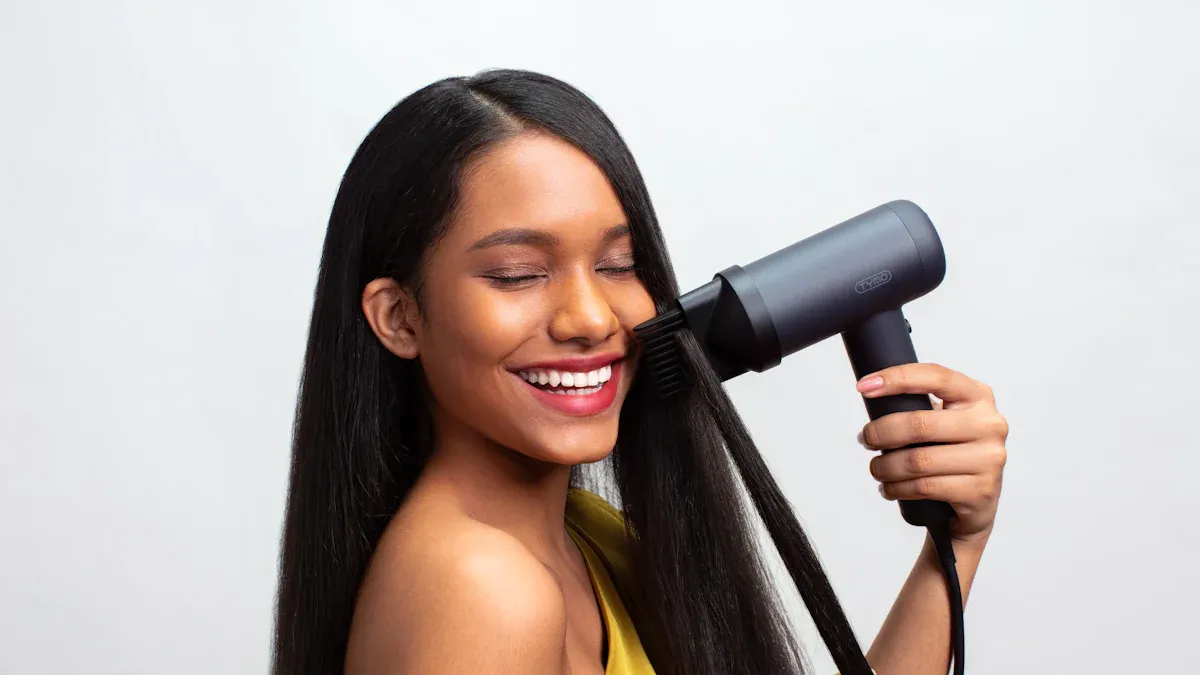
To choose a hair brush dryer, individuals should consider their hair type, desired blowout look, and the technology behind each tool. A BLDC hair dryer or AC hair dryer, when designed by an experienced hair dryer manufacturer or hair dryer factory, can deliver professional performance. Selecting the correct brush size for short, medium, or long hair improves styling efficiency and reduces heat damage. Thermal brushes distribute heat evenly and combine the benefits of a round brush and dryer, leading to a smoother finish and less arm fatigue.
- Small brushes suit short hair for precise control.
- Medium brushes offer versatility for mid-length hair.
- Large brushes create smooth, gentle curves for long hair.
Understanding the Hair Dryer Brush
What Is a Hair Dryer Brush?
A hair dryer brush combines the functionality of a traditional hair dryer and a styling brush. This tool allows users to dry and style hair simultaneously. Manufacturers design these brushes with several key components and features that enhance performance and user comfort.
| Component/Feature | Description |
|---|---|
| Motor Type | DC motors are lightweight for home use; AC motors provide higher airflow and durability for professionals. |
| Airflow Mechanics | High-speed airflow and concentrated air pressure enhance drying efficiency. |
| Heating Element Material | Options include ceramic for even heat, tourmaline for frizz reduction, and titanium for quick drying. |
| Temperature Consistency | Microprocessor-controlled sensors maintain consistent heat output. |
| Weight Management | Lightweight materials reduce strain during prolonged use. |
| Handle Design | Ergonomically contoured handles improve comfort and control. |
| Safety Features | Overheat protection and electrical safety measures prevent risks associated with heat and electricity. |
These design features ensure that the hair dryer brush delivers efficient drying, styling versatility, and safety for users.
How Does a Hair Dryer Brush Work?
The operation of a blow dry brush relies on several scientific principles. The brush emits high-speed airflow and controlled heat, which accelerates the evaporation of water molecules from hair strands. Ionic technology releases negative ions that break down water molecules, allowing them to evaporate three times faster than intact clusters. This process reduces drying time and minimizes heat exposure.
- Frizz elimination occurs as the brush neutralizes static electricity, preventing hair strands from repelling each other.
- Enhanced shine results from sealed cuticles that reflect light uniformly.
- Heat transfer is optimized to reduce heat damage while drying hair.
- Airflow dynamics are engineered to enhance drying efficiency and minimize static and frizz.
These mechanisms ensure that the blow dry brush dries hair quickly, reduces frizz, and leaves hair looking smooth and shiny.
Why Use a Blow Dry Brush?
Many users prefer a blow dry brush over traditional hair dryers due to its practical benefits. The tool enables one-handed operation, making styling easier and less tiring. It combines drying and styling into a single step, which saves time and effort.
- One-handed operation for ease of use
- Combines drying and styling into a single step
- Reduces arm fatigue while styling
- Creates smoother results with enhanced volume
- Dual bristles for detangling and smoothing
- Lightweight and comfortable to hold
- Simultaneously dries and smooths hair
These advantages make the blow dry brush an ideal choice for individuals seeking efficient, salon-quality styling at home.
Types of Hair Dryer Brushes
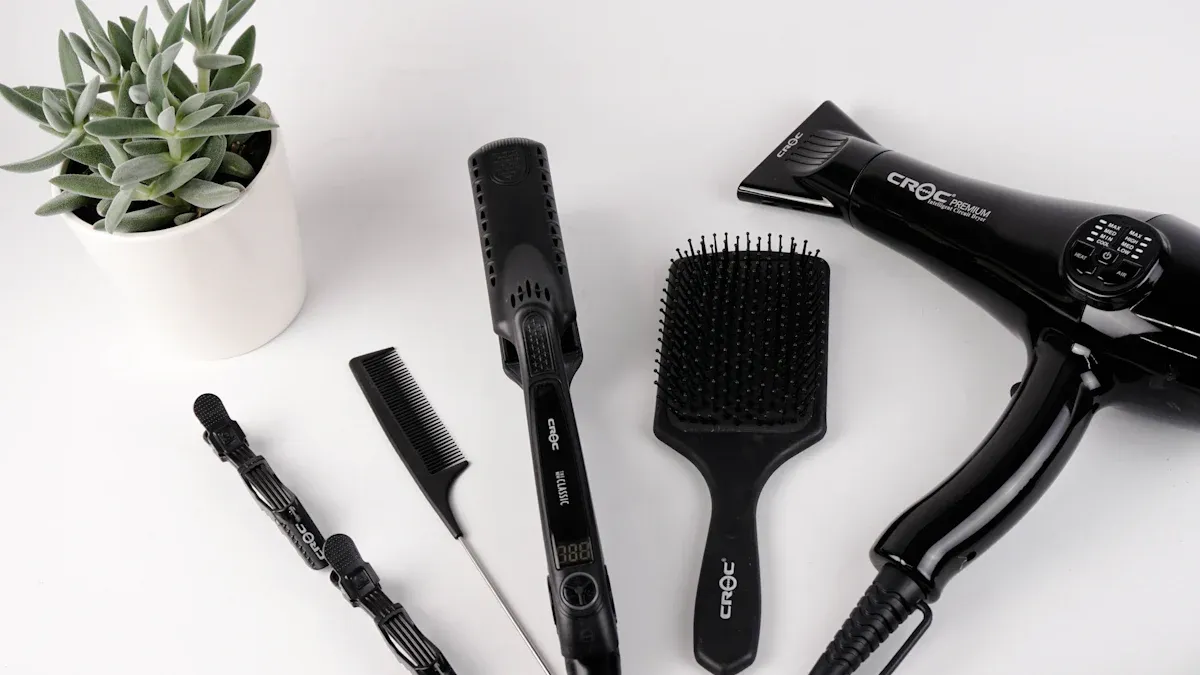
A wide range of hair dryer brushes exists on the market, each designed to meet specific styling needs. The following table summarizes some of the most popular models, their best uses, and their unique features:
| Hair Dryer Brush Type | Best For | Key Features | Pros | Cons |
|---|---|---|---|---|
| Revlon One-Step Hair Dryer & Volumizer | Overall | Nylon and tufted bristles, oval-shaped barrel, ionic technology | Dries hair fast, salon-like blowout, sturdy build | Gets very hot |
| L’ange Le Volume 75mm | Fine Hair | Attractive design, includes brush cover, comfortable to hold | Comfortable to hold, attractive | Slower at drying hair |
| Bed Head Blow Out Freak | Curly Hair | Flexible bristles, well-balanced build | Detangles hair well, attractive | Barrel is too large |
| Dyson Airwrap Complete | Thick Hair | Multiple attachments, can use on damp hair, high quality | Includes a lot of attachments | Doesn’t straighten well |
Paddle Hair Dryer Brush
Best For Straightening
Paddle hair dryer brushes feature a long, flat, and wide rectangular shape. This design provides optimum control and coverage, making it easy to smooth and straighten hair. The wide surface area allows users to detangle hair quickly and efficiently. Paddle brushes deliver smooth results without disrupting the natural pattern of curly or wavy hair. They work well for those who want sleek, straight styles with minimal effort.
Who Should Use a Paddle Hair Dryer Brush?
Individuals with long or thick hair benefit most from paddle hair dryer brushes. The flat and wide shape covers more hair in each pass, reducing styling time. These brushes also suit those who want to detangle and straighten hair without creating extra volume. Paddle brushes can be used on both wet and dry hair, offering flexibility for different routines.
Tip: Paddle brushes provide comfort and ease during detangling, making them ideal for daily use.
Round Blow Dry Brush
Best For Volume and Curls
Round blow dry brushes excel at creating volume, curls, and waves. The barrel fills with hot air, which distributes through small, ventilated holes as the user styles. By lifting the brush at the roots, one can achieve impressive volume. Wrapping the ends of the hair around the barrel and holding for a few seconds creates curls or waves. The size of the brush determines the tightness of the curl, similar to a curling iron.
Who Should Use a Round Blow Dry Brush?
Those seeking to add shape, bend, or lift to their hair should choose a round brush. This type suits individuals with fine or medium hair who want to enhance body and movement. Round brushes also help those who desire a salon-quality blowout at home.
Detangling Hair Dryer Brush
Best For Thick or Curly Hair
Detangling hair dryer brushes feature flexible bristles that glide through knots and tangles. These brushes work especially well for thick or curly hair, as they minimize breakage and discomfort. The design allows for gentle detangling while drying, making the process faster and less damaging.
Who Should Use a Detangling Hair Dryer Brush?
People with dense, textured, or curly hair find detangling brushes most effective. The flexible bristles reduce pulling and breakage, making them suitable for sensitive scalps. Detangling brushes also benefit those who struggle with knots after washing their hair.
Specialized Hair Dryer Brushes
Hot Air Stylers for Versatile Styling
Hot air stylers offer a unique approach to hair drying and styling. These tools combine the power of a hair dryer with the flexibility of multiple attachments. Users can switch between barrels, brushes, and combs to achieve different looks. Hot air stylers suit those who want to experiment with various hairstyles without investing in several separate tools.
Manufacturers design hot air stylers with advanced technology. Many models feature ceramic or tourmaline components that distribute heat evenly. This reduces the risk of hot spots and helps maintain hair health. Some devices include ionic technology, which minimizes frizz and boosts shine.
Tip: Hot air stylers work best for individuals who enjoy changing their hairstyle frequently. They allow for straightening, curling, waving, or adding volume with a single device.
Key Benefits of Hot Air Stylers:
- Multiple attachments for diverse styling options
- Even heat distribution for reduced damage
- Lightweight construction for easy handling
- Suitable for both damp and dry hair
Popular Hot Air Styler Attachments Table:
| Attachment Type | Styling Purpose | Best For |
|---|---|---|
| Round Brush | Volume, curls, waves | Fine to medium hair |
| Flat Paddle Brush | Smoothing, straightening | Thick or long hair |
| Concentrator Nozzle | Precision styling | Bangs, short sections |
| Comb Attachment | Detangling, root lift | Curly or textured hair |
Hot air stylers provide versatility for users who want salon-quality results at home. They help reduce clutter by replacing several tools with one efficient device.
Dual-Voltage Travel Brushes for On-the-Go Use
Travelers often face challenges when styling hair abroad. Voltage differences and bulky tools can make packing difficult. Dual-voltage travel brushes solve these problems. These compact devices adjust automatically to different electrical systems, making them safe for international use.
Manufacturers design travel brushes with portability in mind. Most models feature foldable handles and lightweight materials. Some include heat-resistant travel pouches for added convenience. Despite their small size, dual-voltage brushes deliver reliable performance.
Note: Dual-voltage travel brushes suit business travelers, students studying abroad, or anyone who needs to style hair on the move.
Advantages of Dual-Voltage Travel Brushes:
- Automatic voltage adjustment for global compatibility
- Compact and lightweight design
- Quick heat-up time for efficient styling
- Protective features for safe transport
Checklist for Choosing a Travel Hair Dryer Brush:
- [ ] Dual-voltage capability
- [ ] Foldable or detachable handle
- [ ] Heat-resistant storage pouch
- [ ] Universal plug adapter included
Dual-voltage travel brushes ensure that users maintain their preferred hairstyle anywhere in the world. These tools combine convenience, safety, and performance for those with an active lifestyle.
How to Choose a Hair Brush Dryer for Your Hair Type
Fine or Thin Hair
Selecting the right tool for fine or thin hair requires attention to detail. Individuals with this hair type often seek volume and gentle detangling without causing breakage. When they choose a hair brush, they should focus on features that protect delicate strands and enhance body.
- Identify the main concern, such as detangling or adding volume.
- Select a bristle material that matches the hair’s needs. Soft, flexible bristles minimize pulling and breakage.
- Ensure the handle feels comfortable for extended use.
- Pick a brush head size that offers precision for shorter hair or general use for longer lengths.
A lightweight blow dry brush with a smaller barrel often works best for fine hair. This design allows for better control and helps create lift at the roots. Many users find that ionic technology further reduces static and enhances shine, making styling easier and healthier.
Tip: Always start with the lowest heat setting to prevent unnecessary heat exposure on fine strands.
Thick or Coarse Hair
Thick or coarse hair demands a robust tool that can manage density and texture. When individuals choose a hair brush for this hair type, they benefit from a design that detangles efficiently and distributes natural oils for added shine. The following table outlines the recommended brush type and features:
| Brush Type | Features |
|---|---|
| Paddle Brush | Mix of boars’ hair and nylon pins; nylon pins detangle thick hair quickly, boars’ hair enhances shine by redistributing natural oils. |
A paddle blow dry brush with a combination of nylon and boar bristles glides through thick sections, reducing styling time. The wide surface area covers more hair with each pass, making it easier to achieve a smooth finish. High heat settings and a powerful motor help dry coarse hair efficiently, while the boar bristles add a polished look.
Note: Sectioning the hair before styling ensures even results and prevents tangling during the process.
Curly or Wavy Hair
Curly and wavy hair types require a tool that maintains natural texture while providing control and definition. The right blow dry brush can smooth, shape, and add volume without flattening curls or waves. Several options exist for those who want to enhance their natural pattern:
- Thermal brushes work well for dry hair, adding volume, shape, and a polished finish. Heated technology smooths and shapes while preserving texture.
- Blow dry brushes function as both a dryer and a brush, making them ideal for styling wet or damp hair. They transition hair from wet to dry while defining curls or waves.
- The Mermade Infrared Thermal Brush creates soft, bouncy shapes and reduces frizz. Infrared heat penetrates gently, helping hair retain moisture and improving overall styling.
When individuals choose a hair brush for curly or wavy hair, they should look for models with flexible bristles and adjustable heat settings. These features help prevent breakage and allow for customized styling. Using a blow dry brush with ionic or infrared technology can further enhance shine and reduce frizz, resulting in healthy, defined curls or waves.
Pro Tip: Always detangle curls with a wide-tooth comb before using a blow dry brush to minimize breakage and maintain curl integrity.
Short vs. Long Hair
Hair length plays a critical role in selecting the ideal hair brush dryer. Individuals with short hair require different tools than those with long hair. The right combination of bristle type and barrel size ensures efficient styling and protects hair health.
The following table outlines the recommended brush features for each hair length:
| Hair Length | Bristle Type | Barrel Size |
|---|---|---|
| Short | Natural Bristles | Small (1 inch or less) |
| Medium | Mixed Bristles | Medium (1 to 2 inches) |
| Long | Synthetic Bristles | Large (2 to 3 inches) |
Short hair benefits from a brush with natural bristles and a small barrel. This design allows for precise control and easy maneuvering close to the scalp. A smaller barrel creates lift at the roots and helps shape layers or bangs. He can use this tool to add volume and achieve a polished look without excessive heat exposure.
Medium-length hair requires versatility. A brush with mixed bristles and a medium-sized barrel adapts to various styles. She can straighten, curl, or add waves with ease. The combination of natural and synthetic bristles detangles while smoothing the cuticle, resulting in a sleek finish.
Long hair demands a larger barrel and synthetic bristles. The increased surface area covers more hair in each pass, reducing styling time. Synthetic bristles glide through long strands, minimizing snagging and breakage. They also withstand higher temperatures, which helps create soft curls or waves. He or she can achieve a salon-quality blowout at home with the right tool.
Tip: For short hair, a round brush with a smaller barrel offers maximum control and volume. For long hair, a large barrel brush creates smooth, flowing styles with less effort.
Choosing the correct brush size and bristle type based on hair length ensures optimal results. Individuals should match their tool to their hair’s unique needs for healthier, more manageable styling.
Key Features to Consider When You Choose a Hair Brush Dryer
Adjustable Heat Settings
Adjustable heat settings play a critical role in both hair health and styling results. Hair brush dryers with multiple temperature options allow users to tailor the heat to their specific hair type and desired style. He or she can minimize damage by selecting the lowest effective temperature. Higher temperatures may speed up styling but can increase the risk of surface damage, especially with repeated use.
- Hair surfaces become more damaged as temperature increases.
- Lower temperatures are recommended for fragile hair types to minimize damage.
- Repeated exposure to high heat can cause structural damage, affecting moisture content and color.
- Using a hair dryer at a distance with continuous motion causes less damage than natural drying.
Professionals recommend matching the heat setting to the hair’s thickness and texture. The following table outlines the ideal temperature ranges for different hair types:
| Hair Type | Recommended Temperature Range | Notes |
|---|---|---|
| Very Thick/Stubborn Hair | 410°F – 450°F | Requires higher temperatures for effective styling. |
| Coarse/Textured Hair | 370°F – 410°F | Start at 370°F and adjust as needed for desired results. |
| Naturally Wavy Hair | 350°F – 370°F | Ideal for daily use to maintain hair health. |
| Normal Hair | 330°F – 350°F | Baseline temperature for hair that is neither fine nor coarse. |
| Fine/Fragile Hair | 250°F – 300°F | Start at lower temperatures to prevent damage and use thermal protectants. |
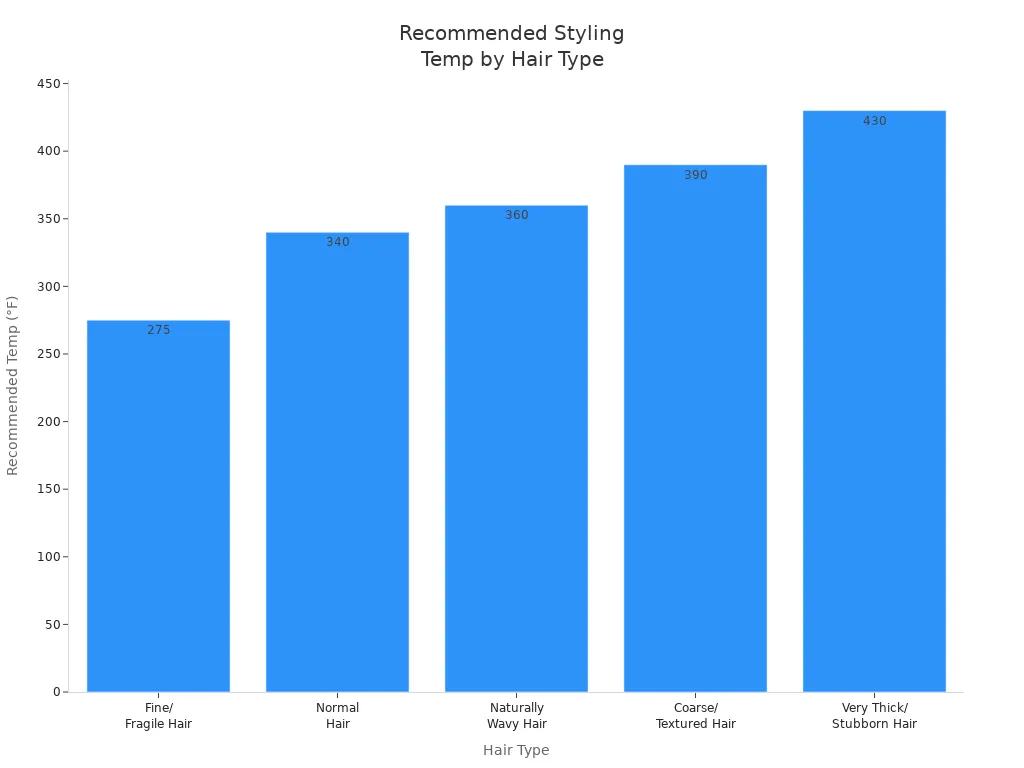
Tip: He or she should always begin with the lowest setting and increase only if necessary. This approach preserves moisture and reduces the risk of heat-related damage.
Bristle Type: Natural, Synthetic, or Mixed
The bristle type of a hair brush dryer determines how the tool interacts with the hair shaft. Each material offers unique benefits and suits different hair needs. Choosing the right bristle type can enhance shine, reduce static, and improve detangling.
| Bristle Type | Advantages | Disadvantages | Best For |
|---|---|---|---|
| Boar Bristles | Natural shine, gentle detangling, scalp stimulation | N/A | All hair types, especially fine to medium hair |
| Nylon Bristles | Detangling power, heat resistance, even distribution | N/A | Thick, curly, or textured hair |
| Mixed Bristles | Enhanced performance, versatility, reduced static | N/A | Versatile use across different hair types |
Boar bristles distribute natural oils from the scalp along the hair shaft, creating a glossy finish. Nylon bristles excel at detangling and withstand higher temperatures, making them suitable for thick or curly hair. Mixed bristles combine the strengths of both, offering versatility and reduced static for a wide range of hair types.
Note: He or she should select boar bristles for shine and gentle care, nylon for detangling and durability, and mixed bristles for all-around performance.
Barrel Size and Shape
Barrel size and shape directly influence the final look of a hairstyle. The diameter of the barrel determines the tightness of curls, the amount of volume, and the ease of use for different hair lengths.
- Smaller barrels create tighter curls with more definition.
- Larger barrels form looser waves or volume.
- For short hair, use a smaller barrel.
- For long or thick hair, size up to hold shape.
A more detailed breakdown of barrel sizes includes:
- Small barrels (3/8” to 1/2”): Ideal for tight curls, best for short hair.
- Medium barrels (1”): Versatile for loose waves or full curls, suitable for all hair types.
- Large barrels (1.5” and above): Perfect for relaxed waves and volume, best for long hair.
He or she should match the barrel size to the desired style and hair length. A small barrel offers precision and control for short hair or defined curls. A large barrel creates smooth, voluminous blowouts for long hair.
Pro Tip: He or she can achieve salon-quality results by choosing a barrel size that complements both hair length and styling goals.
Weight, Grip, and Ergonomics
Weight, grip, and ergonomics play a crucial role in the daily use of a hair brush dryer. Many users spend significant time styling their hair, so comfort and ease of handling become essential. A lightweight design reduces arm fatigue, especially during longer styling sessions. He or she can maneuver the tool more easily when the structure feels well-balanced. This balance prevents wrist strain and allows for smoother, more controlled movements.
Manufacturers often focus on ergonomic handles to enhance user comfort. A secure grip ensures that the brush does not slip during use, even with damp hands. Textured or contoured handles provide additional support, making the tool feel like an extension of the hand. These features help users maintain precision and control, which leads to better styling results.
Key ergonomic features include:
- Lightweight construction to minimize arm and shoulder fatigue.
- Well-balanced structure for smoother maneuvering.
- Secure handle grip for enhanced comfort and control.
A hair brush dryer with these ergonomic qualities supports healthy styling habits. Users can achieve professional results without discomfort or strain.
Cord Length and Swivel Function
Cord length and swivel function directly impact the convenience and flexibility of a hair brush dryer. A longer cord allows users to move freely around the styling area. He or she can reach the back of the head or switch hands without restriction. Most professional models feature cords that measure at least six feet, which suits both home and salon environments.
The swivel function prevents the cord from tangling during use. A rotating base at the cord connection point allows the tool to turn smoothly as the user moves. This feature increases flexibility and reduces frustration, especially when styling complex sections or working with longer hair.
When selecting a hair brush dryer, users should consider:
- Cord length of at least six feet for optimal reach.
- Swivel cord design to prevent tangling and enhance maneuverability.
- Durable cord materials for long-term reliability.
A well-designed cord system ensures that the styling process remains efficient and enjoyable. Users can focus on achieving their desired look without interruptions caused by tangled or short cords.
Cool Shot and Extra Features
Modern hair brush dryers often include extra features that elevate the styling experience. The cool shot button stands out as one of the most valuable additions. By releasing a burst of cool air, this feature helps seal the hair cuticle. The result is a smooth, shiny finish that lasts throughout the day. He or she can use the cool shot to set curls, waves, or straight styles, locking in the desired shape.
Other extra features may include multiple heat and speed settings, removable filter covers for easy cleaning, and attachments for specialized styling. These enhancements provide users with greater control and customization. They can tailor the tool to their unique hair type and styling preferences.
Common extra features found in quality hair brush dryers:
- Cool shot button for sealing the cuticle and enhancing shine.
- Multiple heat and speed settings for personalized styling.
- Removable filter covers for easy maintenance.
- Interchangeable attachments for versatile looks.
These features contribute to a more efficient and satisfying styling routine. Users benefit from tools that adapt to their needs and support healthy, beautiful hair.
Safety and Heat Resistance
Hair brush dryers generate significant heat during operation. Manufacturers must prioritize user safety and device durability. Consumers should understand the essential safety and heat resistance features before making a purchase.
A high-quality hair brush dryer incorporates multiple layers of protection. These features not only prevent accidents but also extend the lifespan of the device. The following table outlines the most important safety and heat resistance standards found in reputable models:
| Safety Feature | Description |
|---|---|
| Overheat Protection | Thermostats and thermal fuses shut off the device automatically if unsafe temperatures are reached. |
| Heat Distribution | Ensures even heat delivery to prevent localized overheating. |
| Leakage Protection | Ground Fault Circuit Interrupters (GFCI) shut off power if an electrical fault is detected. |
| Double Insulation | Minimizes the risk of electric shock. |
| Fireproof Materials | Outer housing made from fire-resistant materials like polycarbonate. |
| Safety Certifications | Adherence to international safety standards such as CE, UL, or ETL. |
Overheat protection stands as a critical feature. Thermostats and thermal fuses monitor internal temperatures. If the device reaches unsafe levels, these components shut off power instantly. This mechanism prevents burns, fires, and damage to hair.
Even heat distribution ensures that the brush delivers consistent warmth across the entire surface. Uneven heating can cause hot spots, which may burn hair or skin. Advanced models use ceramic or tourmaline elements to maintain uniform temperatures.
Leakage protection, such as GFCI technology, detects electrical faults. If a short circuit or moisture intrusion occurs, the device disconnects from the power source. This feature protects users from electric shock, especially in humid bathroom environments.
Double insulation adds another layer of defense. Manufacturers design these devices with two separate insulating barriers. This construction reduces the risk of electric shock, even if one layer fails.
Fireproof materials, like polycarbonate, form the outer shell of premium hair brush dryers. These materials resist ignition and withstand high temperatures. Users gain peace of mind knowing the device will not catch fire during normal use.
Safety certifications, including CE, UL, or ETL marks, indicate compliance with international standards. These certifications confirm that the product has passed rigorous safety and performance tests. Consumers should always check for these marks before purchasing.
Tip: Always inspect the device for visible certification labels and read the user manual for safety instructions. Never use a hair brush dryer with a damaged cord or housing.
By choosing a hair brush dryer with robust safety and heat resistance features, users protect themselves and their hair. Reliable devices deliver consistent results while minimizing risks, making them a smart investment for any styling routine.
Comparing Popular Hair Dryer Brushes
Quick Comparison Table
Selecting the right styling tool often depends on understanding how leading models perform in real-world use. The table below summarizes top-rated options based on consumer reviews and expert evaluations. Each model addresses specific hair types and styling needs.
| Rank | Product Name | Best For | Pros | Cons |
|---|---|---|---|---|
| 1 | Revlon One-Step Hair Dryer And Volumizer | Overall | Dries hair fast, Gives salon-like blowout, Sturdy and balanced build | Temperature gets very hot |
| 2 | Drybar Double Shot Oval Blow-Dryer Brush | Short Hair | Dries hair fast, Great airflow, Balanced build, Attractive looking | Difficult to maneuver |
| 3 | L’ange Le Volume 75mm | Fine Hair | Comfortable to hold, Includes brush cover, Attractive looking | Slower at drying hair |
| 4 | Bed Head Blow Out Freak | Curly Hair | Well-balanced build, Detangles hair well, Attractive looking | Barrel is too large |
| 5 | Dyson Airwrap Complete | Thick Hair | Multiple attachments, High quality | Expensive, Learning curve |
Note: Each model offers unique strengths. Users should match their choice to their hair type and styling goals.
Pros and Cons of Top Models
Every hair dryer brush brings a set of advantages and drawbacks. Many users appreciate the convenience of one-handed operation and the ability to dry and style hair at the same time. These tools often create enhanced volume and reduce arm fatigue. Consistent results and beginner-friendly designs also appeal to a wide audience.
However, some models have fixed brush sizes, which can limit styling versatility. Direct contact with high heat may increase the risk of damage, especially for fine or fragile hair. Some users report incomplete root drying or a learning curve despite marketing claims. Maintenance can be challenging, as hair may wrap around the base. Complex mechanisms sometimes raise durability concerns.
| Pros | Cons |
|---|---|
| Superior convenience through one-handed operation | Reduced styling versatility due to fixed brush sizes |
| Time efficiency by combining drying and styling | Potential for increased heat damage from direct contact |
| Enhanced volume creation | Incomplete root drying capabilities |
| Reduced arm fatigue | Learning curve requirements despite marketing claims |
| Beginner-friendly | Maintenance challenges due to hair wrap around base |
| Consistent results | Durability concerns with complex mechanisms |
Tip: Regular cleaning and careful use can extend the lifespan of any styling tool.
Price vs. Performance
Price often reflects the technology, build quality, and included features of a hair dryer brush. Entry-level models like the Revlon One-Step offer fast drying and salon-like results at an accessible price. Mid-range options such as the Drybar Double Shot and L’ange Le Volume provide attractive designs and comfortable handling, though they may lack advanced attachments.
Premium models like the Dyson Airwrap Complete stand out for their multiple attachments and high-quality engineering. These tools suit users who want maximum versatility and are willing to invest in professional-grade performance. However, the higher price may not fit every budget.
When comparing price and performance, buyers should consider their primary needs. Those who style hair daily or require multiple functions may benefit from a higher investment. Occasional users or those with straightforward styling routines often find excellent value in mid-range or entry-level models.
Consider both your budget and your styling habits before making a final decision.
Decision Guide: How to Choose a Hair Brush Dryer That’s Right for You
Step-by-Step Selection Process
He or she can follow a structured approach to select the ideal styling tool. The process begins with identifying the primary hair type and styling goals. Individuals should assess whether they want to add volume, straighten, or define curls. Next, they should review the available brush types and match them to their needs. The following steps simplify the process:
- Assess hair type and texture.
- Define styling objectives, such as volume, smoothness, or curl enhancement.
- Research brush types and features that align with those goals.
- Compare models based on heat settings, bristle material, and barrel size.
- Evaluate ergonomics, weight, and cord length for comfort.
- Check safety certifications and heat resistance features.
- Read user reviews and consult professional recommendations.
Tip: He or she should always test the grip and weight in person if possible before making a final purchase.
Common Mistakes to Avoid When You Choose a Hair Brush Dryer
Many individuals make errors when they choose a hair brush for their routine. Some select a blow dry brush without considering their hair type, which leads to unsatisfactory results. Others overlook adjustable heat settings and risk damaging their hair. The following table highlights frequent mistakes and how to avoid them:
| Mistake | Solution |
|---|---|
| Ignoring hair type | Match brush to hair texture and length |
| Choosing fixed heat settings | Select models with adjustable temperatures |
| Overlooking bristle material | Pick bristles suited to hair needs |
| Neglecting ergonomics | Test handle comfort and weight |
| Forgetting safety features | Verify certifications and protections |
Note: He or she should avoid impulse purchases and prioritize features that support healthy styling.
When to Upgrade Your Blow Dry Brush
He or she should consider upgrading a blow dry brush when performance declines or technology advances. Signs include uneven heat distribution, frayed bristles, or increased styling time. Newer models often feature improved ionic technology, safer materials, and ergonomic designs. Upgrading ensures efficient styling and protects hair health.
- Frayed bristles reduce detangling effectiveness.
- Outdated models may lack modern safety features.
- Advanced technology provides faster drying and better results.
- Ergonomic improvements minimize fatigue.
Callout: He or she should replace a blow dry brush every two to three years or sooner if signs of wear appear.
Individuals who choose a hair brush with updated features benefit from smoother styling, enhanced safety, and longer-lasting results.
Care and Maintenance for Your Hair Dryer Brush
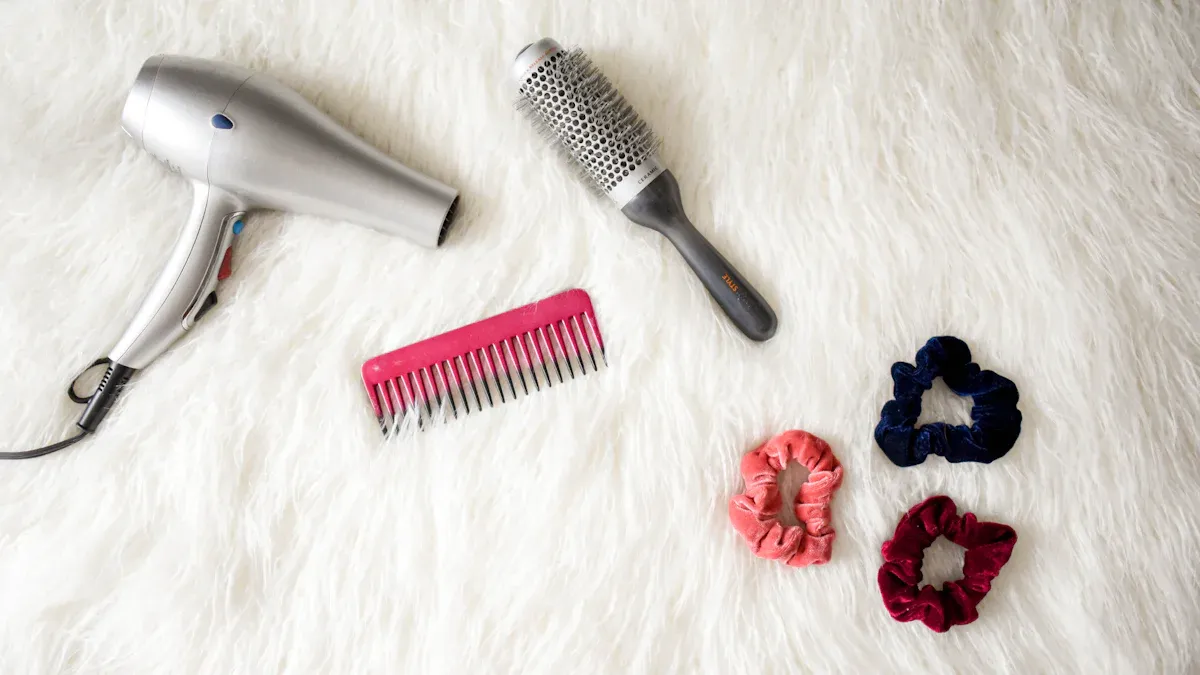
Cleaning Your Hair Dryer Brush
Proper cleaning ensures that a blow dry brush maintains peak performance and hygiene. Regular maintenance prevents product build-up and extends the tool’s lifespan. He or she should follow these steps for optimal results:
- Remove loose hair from the bristles after each use.
- Clean the brush once a week if used daily. This routine keeps the tool free from debris and styling residue.
- Avoid applying sticky products before using the brush. This practice minimizes build-up and makes cleaning easier.
- Use a vacuum to clear dust and lint from the air intake. This step prevents overheating and maintains airflow.
- Scrub hard-to-reach areas with a soft-bristled toothbrush. This technique removes stubborn dirt without damaging the bristles.
- Sanitize the bristles with alcohol wipes. This action eliminates bacteria and product residue.
- Wipe the exterior with a damp microfiber cloth. This final touch removes any remaining debris and leaves the blow dry brush looking new.
Tip: Consistent cleaning not only improves hygiene but also ensures the blow dry brush delivers smooth, even results every time.
Storage and Longevity Tips
Proper storage protects a blow dry brush from damage and extends its service life. He or she should always allow the tool to cool down before putting it away. A heat-resistant pouch or holder prevents burns and shields the brush from accidental harm. Users should avoid dropping, twisting, or storing the tool improperly, as these actions can cause internal damage.
- Store the blow dry brush in a dry, clean environment.
- Use heat-resistant pouches or cases to protect from dust and impact.
- Keep the tool away from moisture to prevent rust or electrical issues.
Note: Careful storage habits help maintain the performance and safety of the blow dry brush for years.
Troubleshooting Common Issues
Even high-quality tools can experience occasional problems. Users may notice reduced airflow, unusual noises, or inconsistent heating. He or she can address many common issues with simple troubleshooting steps.
| Issue | Solution |
|---|---|
| Reduced airflow | Check and clean the air intake for dust and lint. |
| Overheating | Ensure vents are clear and avoid covering them during use. |
| Unusual noise | Remove trapped hair or debris from the brush barrel. |
| Inconsistent heat | Inspect the cord and plug for damage; avoid using if frayed. |
| Persistent odor | Clean bristles and housing thoroughly with alcohol wipes. |
If problems persist, he or she should consult the manufacturer’s guidelines or seek professional repair. Regular maintenance reduces the likelihood of major malfunctions and keeps the blow dry brush operating efficiently.
Selecting the right hair brush dryer depends on hair type, brush style, and essential features. He or she should focus on personal needs and styling goals before making a decision. Trying out recommended models can help identify the best fit.
Tip: Reading user reviews, comparing product specifications, or consulting a professional stylist can provide valuable guidance for anyone unsure about their choice.
FAQ
What makes a hair brush dryer different from a regular hair dryer?
A hair brush dryer combines drying and styling in one tool. He or she can dry hair while shaping it, unlike a regular hair dryer that only blows air.
Can he or she use a hair brush dryer on wet hair?
Most hair brush dryers work best on damp hair. He or she should towel-dry hair first to prevent excess heat exposure and achieve optimal styling results.
How often should he or she clean a hair brush dryer?
He or she should remove hair and debris after each use. Weekly cleaning with alcohol wipes and a soft brush maintains hygiene and performance.
Is a hair brush dryer safe for color-treated hair?
Manufacturers design many hair brush dryers with adjustable heat settings. He or she should use lower temperatures to protect color-treated hair from fading or damage.
Which brush type suits thick, curly hair?
A detangling hair dryer brush with flexible nylon bristles works best for thick, curly hair. He or she gains easier detangling and reduced breakage.
Does barrel size affect styling results?
Barrel size determines curl tightness and volume. He or she achieves tighter curls with small barrels and smooth waves with larger barrels.
What safety features should he or she look for?
He or she should check for overheat protection, double insulation, and safety certifications like UL or CE. These features ensure safe operation and device longevity.