
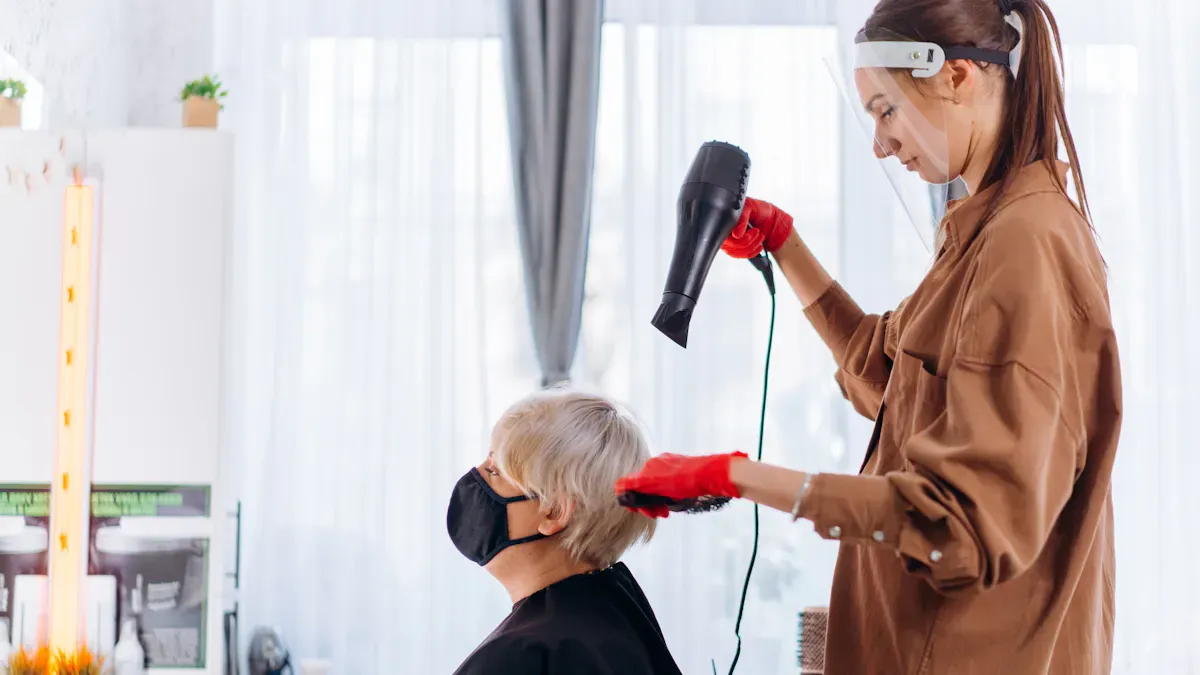
A hooded hair dryer surrounds the entire head with a dome, delivering gentle, indirect heat, while a regular dryer uses direct airflow through a handheld device. This distinction impacts hair health and styling results. Many studies show that even, indirect heat from a hooded or BLDC hair dryer helps seal cuticles, locks in moisture, and reduces breakage, especially for African hair. In contrast, a regular AC hair dryer offers speed and portability, making it practical for daily use. Hair dryer manufacturer and hair dryer factory experts recommend hooded models for deep conditioning and wet set curls, while regular dryers suit fine, straight, or wavy hair needing quick styling.
Hooded Hair Dryer: What It Is and How It Works
Hooded Hair Dryer Structure and Design
Dome Shape and Full Head Coverage
A hood hair dryer features a large, dome-shaped cover that fits over the entire head. This design allows the device to surround every strand of hair with consistent warmth. The dome ensures full head coverage, which is essential for even drying and effective treatment application. Unlike regular dryers, which direct heat at specific sections, the hooded structure creates a gentle environment that benefits all hair types, especially those needing moisture retention and curl definition.
Key Components of a Hood Hair Dryer
A typical hood hair dryer includes several essential parts:
- Dome or Hood: Covers the head and distributes heat evenly.
- Base and Stand: Provides stability and allows height adjustment.
- Control Panel: Offers settings for temperature and airflow.
- Vents and Airflow Channels: Ensure uniform air circulation inside the dome.
The following table highlights the main structural differences between hooded hair dryers and regular hair dryers:
| Feature | Hooded Hair Dryers | Regular Hair Dryers |
|---|---|---|
| Heat Application | Indirect heat that surrounds the head | Direct, concentrated heat |
| Damage Potential | Less heat damage due to gentler approach | Higher risk of heat damage |
| Drying Method | Even warmth for thorough drying | Blasts strands with hot air |
| Curl Definition | Maintains curl definition without frizz | Can disrupt curl patterns |
How Hooded Hair Dryers Operate
Indirect Heat and Airflow Distribution
Hooded hair dryers use indirect heat and controlled airflow to dry hair. The device circulates warm air throughout the dome, creating a uniform temperature around the head. This method provides gentle, all-over heat that opens the cuticle without causing damage. The airflow system locks in moisture and helps define curl patterns, making it ideal for textured or curly hair. The enclosed design also reduces the risk of heat damage, as the heat does not concentrate on one spot.
The table below explains how the design of a hood hair dryer contributes to its effectiveness:
| Feature | Benefit |
|---|---|
| Temperature uniformity | Maintains steady heat levels across all hair sections |
| Cuticle opening optimization | Gentle heat opens hair cuticles without damage |
| Enhanced penetration | Creates ideal conditions for low porosity hair treatment |
| Reduced damage risk | Indirect heat application minimizes thermal damage |
Hands-Free Drying Experience
A hooded hair dryer offers a hands-free experience. Users can sit comfortably while the device works, freeing them to read, relax, or multitask. This approach contrasts with handheld dryers, which require constant movement and attention. The hands-free operation also reduces the risk of uneven drying and allows for longer treatments, which benefit hair health and treatment absorption.
Tip: Many salons use hooded hair dryers to serve multiple clients at once, increasing efficiency and improving the customer experience.
Typical Uses for Hooded Hair Dryers
Salon Treatments and Deep Conditioning
Salons rely on hood hair dryers for a variety of treatments. These devices excel at deep conditioning, color processing, and protein treatments. The even heat distribution ensures that products penetrate the hair shaft effectively, especially for low porosity hair. Stylists appreciate the ability to treat several clients simultaneously, as the hooded design requires minimal supervision.
Home Use for Wet Set Curls
At home, individuals use hood hair dryers to set curls and maintain defined styles. The gentle airflow and indirect heat help prevent frizz and preserve curl patterns. This makes the device a favorite among those with textured or curly hair who want to achieve salon-quality results without risking heat damage. The hard hood dryer also supports wet set styles, allowing users to create long-lasting curls with minimal effort.
Hooded hair dryers typically require 15-45 minutes for complete treatments. This longer drying time, compared to handheld dryers, allows for better hair health outcomes. The gentle, consistent heat optimizes cuticle opening and enhances product absorption, making hooded hair dryers a preferred choice for those focused on hair health and length retention.
Regular Hair Dryer: Features and Functionality
Regular Hair Dryer Structure and Design
Handheld Operation and Portability
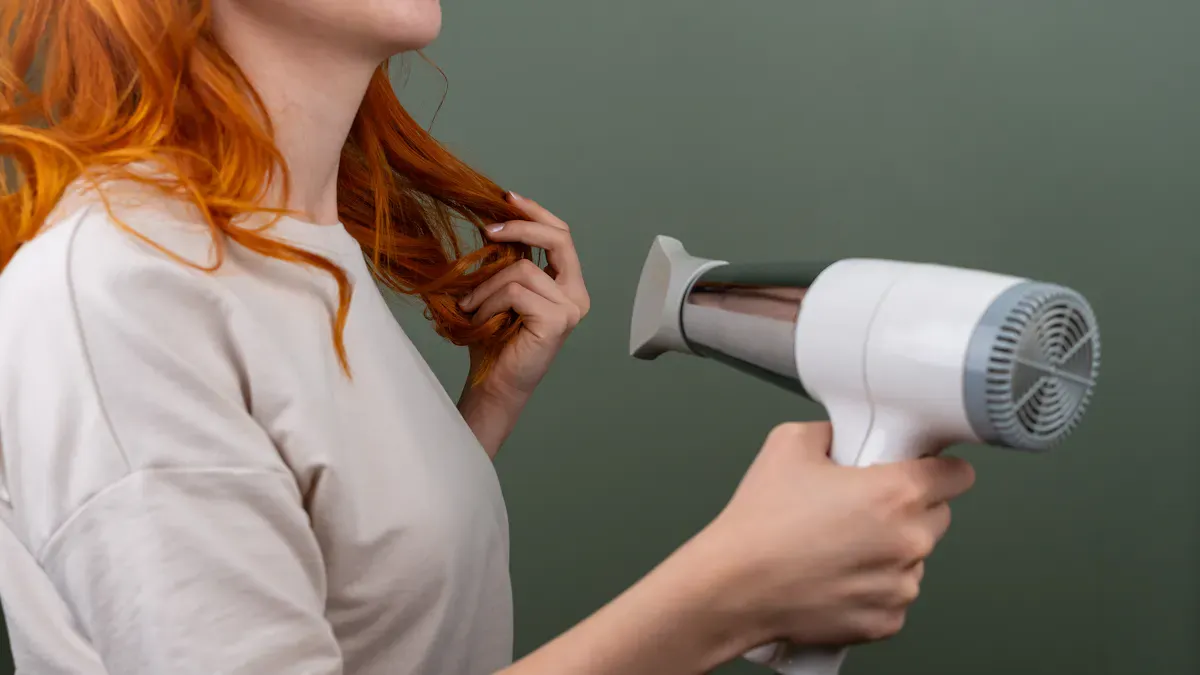
Regular hair dryers, often referred to as traditional handheld dryers, offer unmatched portability and ease of use. Their compact size allows users to maneuver the device freely, making them suitable for both home and salon environments. The lightweight design reduces fatigue during prolonged styling sessions. Many models feature ergonomic handles and well-placed buttons, which enhance comfort and control. Users can easily pack these dryers for travel, ensuring consistent styling results wherever they go.
The following table highlights common ergonomic features found in regular hair dryers:
| Ergonomic Feature | Description |
|---|---|
| Bi-directional airflow | Supports better body positioning and reduces fatigue. |
| Reduces risk of Repetitive Strain Injuries | Helps prevent injuries associated with prolonged use. |
| Facilitates ergonomic working positions | Allows for more comfortable handling during use. |
| Reduces shoulder and neck strain | Minimizes discomfort during extended styling sessions. |
| Reduces dangerous arm positions | Decreases awkward arm positions by an average of 73% compared to conventional dryers. |
Note: Many users appreciate the compact and ergonomic shape, which makes daily styling more comfortable and efficient.
Main Components of a Regular Dryer
A regular hair dryer consists of several essential parts that work together to deliver effective drying and styling:
- Heating Element: Converts electrical energy into heat, warming the air as it passes through the device.
- Fan and Motor: Draws in ambient air and pushes it over the heating element, creating a steady airflow.
- Control Switches: Allow users to adjust heat and airflow settings for a customized experience.
- Nozzle Attachments: Direct airflow for targeted styling, such as smoothing or volumizing hair.
These components ensure that users can achieve a range of styles while maintaining control over the drying process.
How Regular Hair Dryers Work
Direct Heat and Airflow Control
Regular hair dryers operate by generating direct heat and controlled airflow. The heating element warms the air, while the fan propels it through the nozzle. Users can adjust the temperature and airflow speed to suit their hair type and desired style. This direct application of heat transforms hair texture, smoothing frizz or creating volume as needed. The ability to control airflow allows for precise styling, whether straightening, curling, or adding waves.
- Heat alters hair texture, transforming it from frizzy to smooth.
- It changes the shape of hair, allowing for straight, wavy, or curly styles.
- Excessive heat can damage the protein structure of hair, reducing elasticity.
- Heat can cause the hair cuticle to open, leading to color fading.
Manual Styling and Drying
With regular hair dryers, users must manually direct the device to achieve the desired results. This hands-on approach provides flexibility and control, enabling a wide range of styling techniques. Users can focus airflow on specific sections, lift roots for volume, or use a round brush to create curls. The manual operation encourages creativity and allows for quick adjustments during the styling process.
- Repeated heat exposure can lead to cuticle damage and protein degradation.
- Excessive heat can result in dryness and frizz, compromising hair integrity.
Tip: Using lower heat settings and moving the dryer continuously can help protect hair from damage.
Common Uses for Regular Hair Dryers
Everyday Drying and Quick Styling
Regular hair dryers play a vital role in daily routines. They dry hair quickly, making the morning process more efficient and enjoyable. Many users rely on these devices to prepare for work, school, or special occasions. Advanced technology in modern dryers helps minimize damage, supporting hair health even with frequent use.
- Hair dryers are used to dry hair quickly, enhancing the efficiency of the styling process.
- They protect hair health by utilizing advanced technology that minimizes damage.
- Hair dryers contribute to a more enjoyable morning routine, making it feel like self-care rather than a chore.
Versatile Styling Options
The versatility of regular hair dryers sets them apart from other drying tools. Users can achieve a variety of looks, from sleek and straight to voluminous and curly. Attachments such as diffusers and concentrators expand styling possibilities, catering to different hair types and preferences. This adaptability makes regular dryers a staple in both professional salons and home settings.
Note: Regular hair dryers offer flexibility for all hair types, supporting creative expression and personalized styling.
Hooded Hair Dryer vs. Regular Hair Dryer: Key Differences
Drying Method Comparison
Even Heat with Hooded Hair Dryers
Hooded hair dryers deliver gentle, radiant heat that envelops the entire head. This approach ensures even heat distribution during hair drying. The hooded design prevents hot spots and supports consistent results for deep conditioning and color processing. Hair treatments penetrate uniformly, which leads to healthier and more manageable hair. Clients often experience a relaxing session under a hood hair dryer, as the device does not require active engagement.
Focused Heat with Regular Dryers
Regular hair dryers emit a concentrated, high-velocity stream of air. This focused heat can create uneven drying and hot spots, especially when users target specific sections. While this method speeds up the process, it may not provide the uniformity needed for certain treatments. Stylists and individuals must remain attentive to avoid over-drying or damaging hair in particular areas.
Convenience and Ease of Use
Hands-Free vs. Manual Operation
A hood hair dryer offers a hands-free experience. Users can relax or multitask while the device operates. In salons, stylists appreciate the ability to attend to other clients during treatments. The hooded hair dryer often features a sturdy, rolling base and a swiveling hood, which enhances mobility and storage flexibility. In contrast, regular hair dryers require manual operation. Users must hold and direct the device throughout the session, which demands more effort and attention.
Multitasking and Time Management
The hands-free nature of hooded hair dryers allows for efficient multitasking. Clients can read, use their phones, or simply unwind during treatments. Stylists can serve multiple clients at once, increasing overall productivity. A comparison table highlights these differences:
| Feature | Hooded Hair Dryer | Handheld Hair Dryer |
|---|---|---|
| Multitasking Ability | Allows stylists to attend to other clients | Requires full attention and effort |
| Client Comfort | Client can relax while processing | Client must remain active during drying |
| Efficiency | Can speed up drying time by 25% | Limited by stylist’s physical involvement |
Styling Capabilities
Setting Curls and Treatments with Hooded Dryers
Hood hair dryers excel at setting styles such as rollers, perm rods, and deep conditioning treatments. The even heat distribution prevents overheating or over-drying in specific areas. Once the hood is in place, users can enjoy a hands-free experience, which supports both relaxation and multitasking. These features make hooded hair dryers ideal for achieving defined curls and long-lasting treatments.
Creating Volume and Texture with Regular Dryers
Regular hair dryers offer versatility for creating volume and texture. Many models, like the X-Tra Hot Ionic Conditioning Dryer, use ionic technology to break down water molecules. This process leads to faster and more even drying, while negative ions help reduce frizz and static. Users can achieve smooth, shiny hair or enhance natural texture by adjusting airflow and using attachments.
Tip: For those seeking both convenience and professional results, understanding the unique strengths of each dryer type can improve hair health and styling outcomes.
Portability and Storage
Size and Weight of Hooded Hair Dryers
Hooded hair dryers feature a large dome and a sturdy base. This design provides stability but increases the overall size and weight. Most hooded models require a dedicated space in a salon or home. Users often find these dryers challenging to move or store in small apartments. The dome and stand do not collapse easily, which limits their portability. Many professionals choose hooded dryers for stationary use because they deliver consistent results for treatments and styling. However, the bulkiness makes them less suitable for travel or frequent relocation.
A comparison table highlights the differences in portability:
| Dryer Type | Size | Weight | Storage Needs |
|---|---|---|---|
| Hooded Hair Dryer | Large | Heavy | Dedicated space |
| Regular Hair Dryer | Compact | Lightweight | Fits in drawers |
Travel-Friendly Features of Regular Dryers
Regular hair dryers offer a compact and lightweight design. Many models include foldable handles and dual voltage options, which make them ideal for travel. Users can pack these dryers in suitcases or gym bags without difficulty. The smaller size allows for easy storage in bathroom cabinets or drawers. People who travel often or have limited space prefer regular dryers for their convenience. Some advanced models also include protective cases, which prevent damage during transport.
Tip: For those who value mobility, a regular hair dryer provides the flexibility to maintain their hair routine anywhere.
Hair Health and Safety
Heat Exposure and Damage Risk
Heat exposure remains a primary concern for hair health. Hooded hair dryers use indirect heat, which reduces the risk of hot spots and minimizes damage. This gentle approach helps preserve moisture and protects the hair cuticle. Regular hair dryers deliver direct heat, which can cause uneven drying and increase the chance of breakage if used improperly. Users should monitor temperature settings and avoid holding the dryer too close to the scalp.
- Fine or damaged hair is more susceptible to heat damage due to its thinner cuticle layer and weaker cortex.
- Coarse or healthy hair can withstand heat better because of its thicker cuticle and stronger cortex.
Suitability for Sensitive Hair Types
Different hair types respond uniquely to heat. Fine, smooth, or fragile hair benefits from dryers with ionic or ceramic technology. These features help preserve shine and protect the hair structure. High-powered dryers with ionization work well for thick or curly hair, as they close the cuticles and remove excess moisture efficiently.
- For fine, smooth, or fragile hair, use dryers with ionic or ceramic technology to preserve shine and protect the hair structure.
- High-powered dryers with ionization are ideal for thick or curly hair, as they help close the cuticles and remove excess moisture.
Selecting the right dryer type and technology ensures better hair health and reduces the risk of long-term damage. Users should match their hair needs with the appropriate device for optimal results.
Pros and Cons of Hooded Hair Dryers
Advantages of Hooded Hair Dryers
Even Heat Distribution and Hair Protection
A hooded hair dryer stands out for its ability to deliver even heat across the entire head. This feature ensures that every section of hair receives the same level of warmth, which helps prevent hot spots and reduces the risk of damage. Many stylists choose this tool because it protects the hair cuticle and maintains style integrity. The following table highlights how efficient heat distribution benefits hair health:
| Feature | Benefit |
|---|---|
| Efficient Heat Distribution | Ensures uniform heat application, minimizing the risk of damage from hot spots or uneven heating. |
Users often report that this gentle approach minimizes frizz and keeps hair looking smooth. The hard hood dryer also allows for hands-free operation, which lets stylists multitask and improves service quality in salons.
Ideal for Deep Conditioning and Wet Sets
The hooded design makes this dryer essential for deep conditioning treatments and wet set curls. Many people find that the hard hood dryer creates the perfect environment for processing chemical treatments, as the consistent heat helps products penetrate the hair shaft. This method also works well for vintage hairstyles, where even drying is critical for achieving defined curls and long-lasting results.
- Even heat distribution prevents frizz and maintains style integrity.
- Hands-free operation allows stylists to multitask efficiently.
- Versatile for various treatments, enhancing service quality.
- Essential for processing chemical treatments and deep conditioning.
- Gentle drying method minimizes heat damage, preserving hair health.
Clients appreciate the convenience of sitting comfortably while their hair dries. The process often enhances the definition and longevity of wet set curls, making this tool a favorite for those who value healthy, well-styled hair.
Disadvantages of Hooded Hair Dryers
Bulkiness and Limited Portability
Despite their benefits, hooded hair dryers come with some drawbacks. Their large size and sturdy base make them difficult to move or store, especially in small spaces. Many users find that these dryers require a dedicated area in the home or salon. The design may not accommodate very long or voluminous hair, and some people report discomfort during use.
- Can be expensive, with high-quality models costing hundreds of dollars.
- May not work for everyone, especially those with very long or thick hair.
- Some users find the design uncomfortable for extended sessions.
Longer Drying Time
A hooded hair dryer often takes longer to dry hair compared to handheld models. The gentle, indirect heat protects the hair but extends the overall drying time. Excessive use or high temperatures can still cause heat damage, so users must monitor settings carefully. While the process supports hair health, it may not suit those who need quick styling solutions.
Note: Individuals should consider their space, budget, and styling needs before investing in a hooded hair dryer.
Pros and Cons of Regular Hair Dryers
Advantages of Regular Hair Dryers
Portability and Quick Drying
Regular hair dryers offer unmatched convenience for users who value mobility. Their compact size and lightweight design make them easy to store in small spaces or pack for travel. Many people appreciate the ability to dry their hair quickly, especially during busy mornings or before important events. Research and user feedback highlight several key benefits:
- Faster drying times compared to air drying or hooded dryers.
- Smoother and shinier hair when used with proper technique.
- Reduced risk of brittleness when users select appropriate heat settings.
A regular hair dryer can transform a lengthy drying process into a matter of minutes. This efficiency supports a fast-paced lifestyle and helps maintain a polished appearance with minimal effort.
Tip: For those who travel frequently, a foldable handle and dual voltage feature can make a regular dryer even more practical.
Versatile Styling for All Hair Types
Regular hair dryers adapt to a wide range of hair types and styling preferences. Manufacturers have developed advanced technologies to address specific needs. Ionic dryers help reduce frizz and retain moisture, making them suitable for curly or textured hair. Ceramic dryers provide even heat distribution, which benefits fine or fragile hair by minimizing hot spots. Tourmaline dryers emit infrared heat, ideal for thick or coarse hair that requires deeper penetration.
Many modern dryers, such as the Dyson Supersonic™, include multiple attachments. These accessories allow users to enhance curls, add volume, or achieve precise styling. Adjustable heat and airflow settings further customize the experience for each individual.
- Fine hair benefits from gentle drying and lower heat settings.
- Thick hair requires powerful airflow to shorten drying time.
- Curly hair responds well to ionic technology, which helps maintain moisture and reduce frizz.
A regular hair dryer supports creative expression and allows users to switch between sleek, voluminous, or textured looks with ease.
Disadvantages of Regular Hair Dryers
Uneven Heat and Potential Damage
Despite their advantages, regular hair dryers present some risks. Direct heat application can create uneven drying, especially if users hold the device too close to the scalp or focus on one area for too long. High heat settings may lead to dryness, split ends, or increased brittleness over time. Individuals with fine or damaged hair face a higher risk of heat-related issues.
The following table summarizes common drawbacks:
| Issue | Impact on Hair Health |
|---|---|
| Uneven heat distribution | Hot spots, dryness, and breakage |
| Excessive heat exposure | Loss of moisture, increased frizz |
| Improper technique | Reduced shine, weakened hair |
Note: Using a heat protectant spray and adjusting settings can help minimize damage.
Requires Manual Operation
A regular hair dryer demands active participation throughout the drying and styling process. Users must hold the device, section the hair, and direct airflow to achieve the desired result. This manual approach can cause fatigue, especially during extended sessions or when working with thick or long hair. Some individuals may find it challenging to style the back of the head or create complex looks without assistance.
While the hands-on method offers control, it also limits multitasking and relaxation during use. People who prefer a more passive experience may find hooded dryers more comfortable for certain treatments.
Choosing Between a Hooded Hair Dryer and a Regular Hair Dryer
Matching Dryer Type to Hair Texture
Curly, Coily, and Textured Hair
Individuals with curly, coily, or textured hair often seek tools that preserve definition and minimize frizz. A hooded dryer provides gentle, even heat that supports wet set styles and deep conditioning treatments. This approach helps maintain curl patterns and reduces the risk of heat damage. Many stylists recommend this option for those who want to enhance moisture retention and achieve long-lasting results.
Fine, Straight, and Wavy Hair
People with fine, straight, or wavy hair benefit from tools that offer speed and control. A regular dryer delivers quick drying and allows for targeted styling. Adjustable heat and airflow settings help prevent over-drying. Lightweight models also reduce arm fatigue during use. For these hair types, a regular dryer offers versatility for both everyday looks and special occasions.
Matching Dryer Type to Styling Goals
Deep Conditioning and Long-Lasting Styles
Those who prioritize deep conditioning or chemical treatments require consistent, indirect heat. A hooded dryer creates an ideal environment for product absorption and style longevity. This method works well for roller sets, protein treatments, and color processing. Many salons rely on this tool to deliver professional results for clients seeking healthy, resilient hair.
Everyday Use and Quick Styling
For daily routines, efficiency and convenience matter most. A regular dryer excels at fast drying and supports a variety of styling techniques. Attachments such as diffusers and concentrators expand the range of possible looks. Users can switch between sleek, voluminous, or textured styles with ease. This flexibility makes a regular dryer a staple in many households.
Practical Checklist for Selecting a Dryer
Budget and Investment
Buyers should consider their budget before making a decision. Hooded dryers often cost more due to their size and specialized features. Regular dryers come in a wide range of prices, from affordable models to high-end options with advanced technology. Evaluating long-term needs helps determine the best investment.
Space, Storage, and Lifestyle Needs
Space and storage play a significant role in dryer selection. A hooded dryer requires a dedicated area and may not suit small apartments. Regular dryers fit easily in drawers or travel bags. Those who travel frequently or have limited space may prefer a compact, portable model.
Tip: Create a checklist of priorities—such as hair type, styling goals, budget, and available space—to guide the selection process.
| Consideration | Hooded Dryer | Regular Dryer |
|---|---|---|
| Price Range | Higher | Broad |
| Space Requirement | Large | Small |
| Portability | Low | High |
| Styling Versatility | Specialized | Versatile |
A hooded hair dryer provides even, gentle heat for deep conditioning and defined curls, while a regular dryer offers speed and versatility for daily styling. Each user should consider hair texture, desired results, and lifestyle before making a purchase. The checklist above helps individuals match their needs with the right tool. Careful selection supports healthy hair and consistent styling success.
FAQ
What hair types benefit most from a hooded hair dryer?
Curly, coily, and textured hair types see the best results. Hooded dryers help define curls, reduce frizz, and support deep conditioning treatments. Many stylists recommend them for clients seeking moisture retention and long-lasting styles.
Can a regular hair dryer replace a hooded hair dryer for treatments?
A regular dryer can dry hair quickly, but it cannot provide the even, indirect heat needed for deep conditioning or wet sets. Hooded dryers remain the preferred choice for these treatments.
Is a hooded hair dryer safe for color-treated hair?
Yes. Hooded dryers use gentle, indirect heat that protects color-treated hair from excessive damage. They help products penetrate evenly, which supports color longevity and hair health.
How long does it take to dry hair under a hooded hair dryer?
Drying time ranges from 15 to 45 minutes, depending on hair thickness and treatment type. Users should check progress every 10 minutes to avoid over-drying.
Are regular hair dryers suitable for travel?
Yes. Most regular hair dryers feature compact designs, foldable handles, and dual voltage options. These features make them ideal for travel and easy storage.
What attachments improve regular hair dryer performance?
Attachments like diffusers, concentrators, and comb picks enhance styling. Diffusers help define curls, concentrators smooth hair, and comb picks add lift at the roots.
Do hooded hair dryers require special maintenance?
Hooded dryers need regular cleaning of the dome, vents, and filters. Users should follow manufacturer guidelines to ensure optimal performance and safety.
Which dryer type is best for fine or damaged hair?
Fine or damaged hair benefits from a regular dryer with ionic or ceramic technology. These features reduce heat exposure and help maintain shine.