
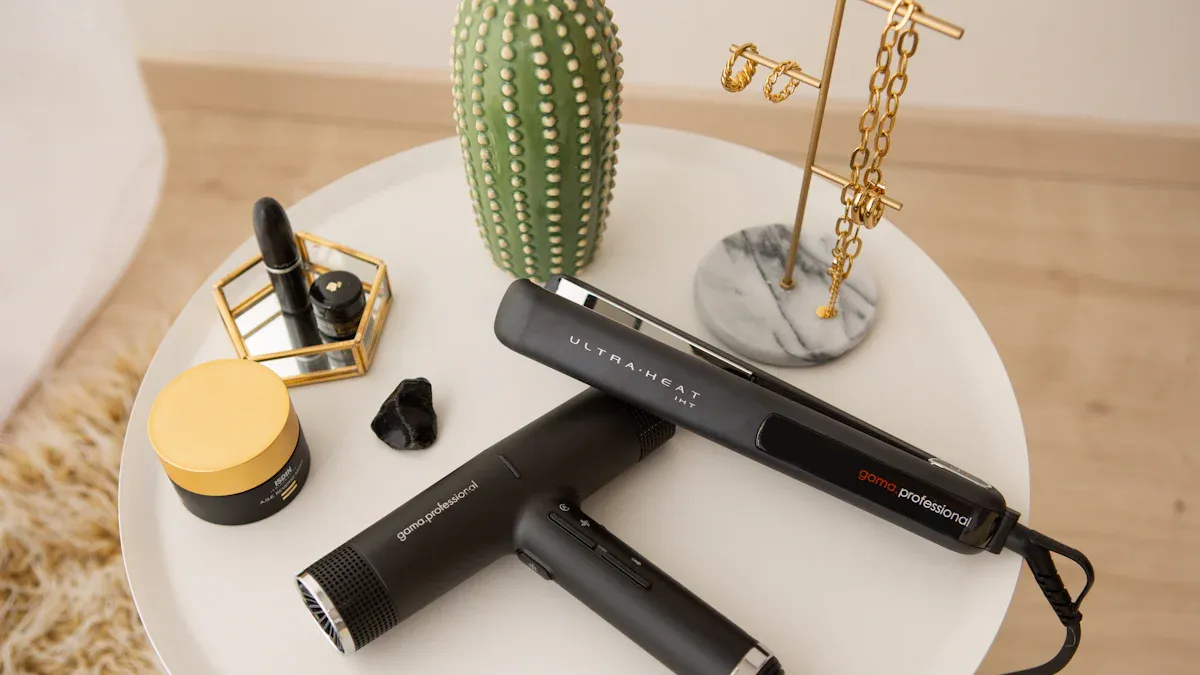
Choosing the right hair dryer is essential for achieving healthy, beautiful hair, and selecting the right attachment can make all the difference. Today, hair dryer manufacturers and hair dryer factories provide a variety of options tailored to every hair texture and styling preference. For example, using a concentrator nozzle on a BLDC hair dryer or an AC hair dryer allows you to direct heat precisely where it’s needed. This method helps prevent unnecessary heat exposure, smooths strands, and seals the cuticle for a polished look. When choosing the right hair dryer, it’s important to consider your hair’s unique needs to ensure the best possible results.
Identify Your Hair Type
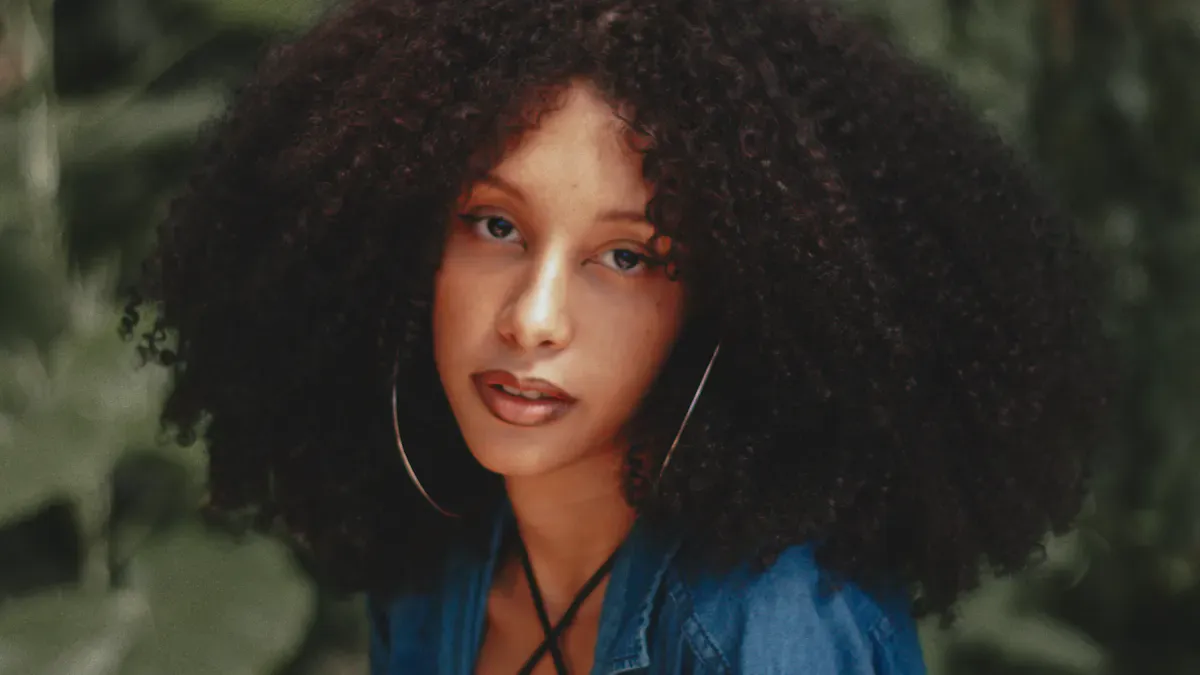
Understanding your hair type forms the foundation for choosing the right hair dryer attachment. Professional stylists recognize four main categories, each with unique characteristics and needs. The table below outlines these categories and their subtypes:
| Hair Type | Description | Subcategories |
|---|---|---|
| Type 1 | Straight hair | 1A, 1B, 1C |
| Type 2 | Wavy hair | 2A, 2B, 2C |
| Type 3 | Curly hair | 3A, 3B, 3C |
| Type 4 | Coily hair | 4A, 4B, 4C |
Straight Hair
Straight hair often appears smooth and shiny because natural oils travel easily from the scalp to the ends. This hair type usually resists curling and tends to lie flat against the scalp. People with straight hair may notice that their strands can become oily faster than other types. For those with fine straight hair, a smoothing nozzle on a hair dryer works best. This attachment directs airflow and helps minimize frizz. Individuals with thicker straight hair benefit from a wide concentrator, which covers more surface area and speeds up drying.
Tip: Sectioning straight hair before drying ensures even heat distribution and a polished finish.
Wavy Hair
Wavy hair falls between straight and curly, forming gentle S-shaped patterns. This hair type often experiences frizz and can lose definition without proper care. Wavy hair comes in several subtypes, ranging from loose waves to more defined, bouncy shapes. A diffuser attachment helps enhance natural waves by distributing heat evenly and reducing frizz. For those with thicker wavy hair, a large diffuser or a wide concentrator can help maintain volume while speeding up the drying process.
A quick comparison of recommended attachments for different textures:
| Hair Type | Recommended Attachments | Heat Setting | Technique Focus |
|---|---|---|---|
| Fine Hair | Smoothing nozzles | Low | Gentle airflow to minimize damage |
| Thick Hair | Wide concentrators, comb attachments | High | Sectioning for even drying |
| Curly Hair | Diffusers | Low | Enhance natural curl patterns |
Curly Hair
Curly hair features defined ringlets or spirals that range from loose curls to tight coils. This hair type often feels dry because natural oils have difficulty traveling down the hair shaft. Curly hair benefits most from a diffuser attachment, which preserves curl shape and prevents frizz. Using a low heat setting and gentle airflow helps maintain the integrity of each curl. For best results, individuals should avoid brushing curly hair when dry, as this can disrupt the curl pattern and cause breakage.
Note: Identifying your hair type allows you to select the most effective attachment and technique, leading to healthier, more manageable hair.
Coily/Kinky Hair
Coily or kinky hair displays tight curls or zigzag patterns. This hair type often falls under Type 4 in professional classification. Individuals with coily hair usually experience dryness because natural oils struggle to travel down the shaft. The strands may appear dense and springy, but they can also be fragile and prone to breakage.
A diffuser attachment works best for coily hair. The diffuser spreads airflow gently, which helps maintain the curl pattern and reduces frizz. Many stylists recommend using a finger diffuser for this hair type. The finger diffuser lifts the roots and adds volume without disturbing the natural shape. Wide-tooth comb attachments also help detangle coily hair during drying.
Tip: Apply a heat protectant before drying coily hair. This step shields the strands from damage and preserves moisture.
Individuals with coily hair type benefit from sectioning their hair before drying. Sectioning allows for even heat distribution and prevents tangling. They should use low heat settings to avoid excessive dryness. For best results, avoid brushing coily hair when dry. Instead, use fingers or a wide-tooth comb to style.
A comparison of recommended attachments for coily hair:
| Attachment | Benefit |
|---|---|
| Finger Diffuser | Enhances volume and definition |
| Wide-Tooth Comb | Detangles without breakage |
| Standard Diffuser | Reduces frizz |
Fine vs. Thick Hair
Fine hair and thick hair require different approaches when choosing a hair dryer attachment. Fine hair features thin strands that often lack volume. This hair type can become limp or damaged easily. Thick hair contains a higher density of strands, which makes it heavier and more resistant to styling.
For fine hair, a smoothing nozzle or narrow concentrator works best. These attachments direct airflow precisely, which helps prevent heat damage and adds shine. Individuals with fine hair type should use low heat and gentle airflow. They can also use a flyaway attachment to tame static and frizz.
Thick hair benefits from wide concentrators and comb attachments. Wide concentrators cover more surface area, speeding up the drying process. Comb attachments help detangle and style thick hair efficiently. High heat settings may be necessary for thick hair, but users should monitor the temperature to avoid overheating.
Note: Matching the right attachment to each hair type ensures healthier styling and better results.
A quick reference for attachment selection:
- Fine hair: Smoothing nozzle, narrow concentrator, flyaway attachment
- Thick hair: Wide concentrator, comb attachment, large diffuser
Overview of Common Hair Dryer Attachments
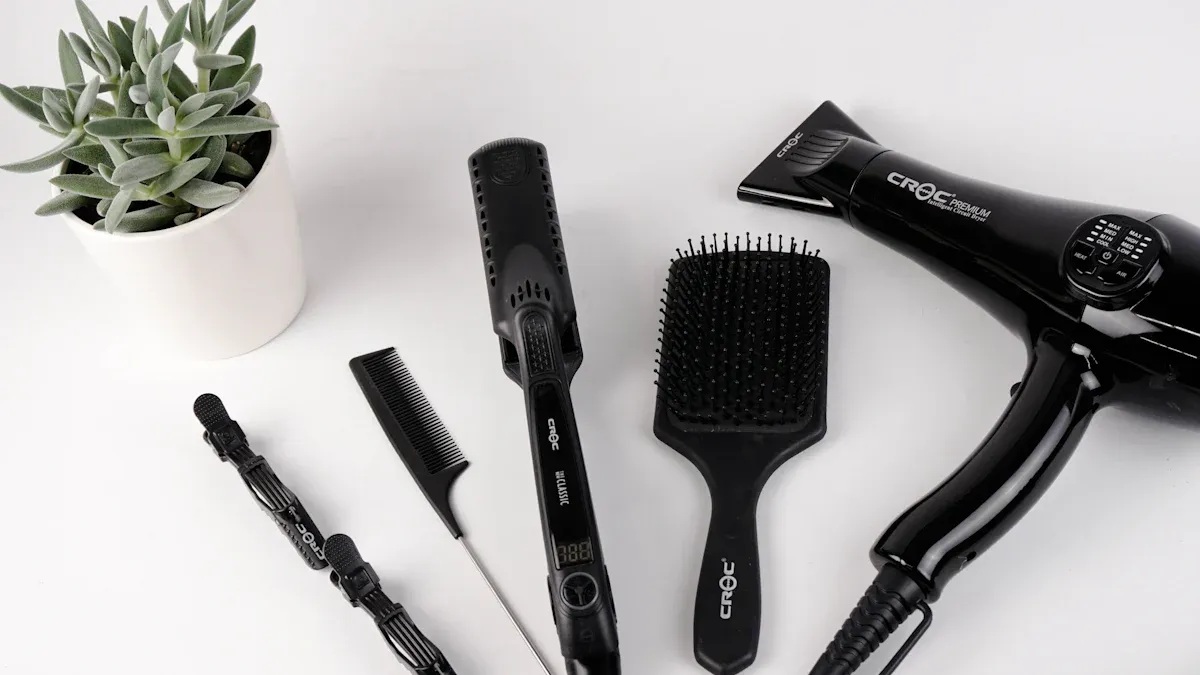
Choosing the right hair attachments can transform the styling process. Each attachment serves a unique purpose and works best for specific hair types and goals. The table below summarizes how popular attachments function and their ideal usage:
| Attachment | Function | Ideal Usage |
|---|---|---|
| Concentrator Nozzle | Directs airflow for precise styling, reduces frizz, and speeds up drying. | Suitable for all hair types, especially for smoothing and straightening. |
| Pick Attachment | Helps detangle and stretch curly hair while adding volume. | Works well on thick, textured, and curly hair. |
| Diffuser | Disperses airflow to maintain curl patterns and reduce frizz. | Ideal for naturally curly or wavy hair types. |
| Cool Shot Button | Releases cool air to set and lock in hairstyles. | Beneficial for all hair types to finalize styles. |
| Blow-Dryer Brush | Combines drying and styling in one tool for a perfect blowout. | Great for achieving salon-quality results at home. |
Concentrator Nozzle
A concentrator nozzle focuses the airflow from the hair dryer, making it easier to style hair with precision. This attachment helps reduce frizz and creates a smooth finish. Stylists often recommend a concentrator for straightening or shaping hair.
Narrow Concentrator
The narrow concentrator produces a strong, focused stream of air. This design allows users to target specific sections of hair, which is ideal for detailed styling or working with fine hair. The narrow shape also helps minimize frizz by sealing the cuticle as the hair dries.
Wide Concentrator
A wide concentrator covers a larger area, making it suitable for thick or long hair. This attachment speeds up the drying process and helps maintain volume. Many professionals use a wide concentrator when they want to smooth hair quickly without sacrificing fullness.
Diffuser
A diffuser attachment disperses airflow over a wider area, which helps maintain natural curl patterns and reduces frizz. This tool is essential for anyone with wavy or curly hair who wants to enhance definition and add volume.
Standard Diffuser
The standard diffuser features a round, bowl-like shape with multiple vents. It gently dries hair without disturbing curls, making it a favorite for those who want to preserve texture and minimize frizz.
Finger Diffuser
A finger diffuser has prongs that lift the roots and separate strands. This design increases volume and helps define curls. The finger diffuser works especially well for coily or very curly hair, as it can reach deeper into dense textures.
Large Diffuser
A large diffuser covers more surface area, which benefits people with thick or long hair. This attachment speeds up drying while still protecting curl patterns and reducing frizz.
Comb/Pick Attachment
Comb attachments combine drying and detangling in one step. They help stretch curls, add volume, and smooth hair during the drying process.
Wide-Tooth Comb
The wide-tooth comb attachment glides through thick or curly hair without causing breakage. It gently detangles and helps distribute heat evenly, making it ideal for textured hair that needs extra care.
Fine-Tooth Comb
A fine-tooth comb attachment works best for straight or fine hair. It smooths strands and helps achieve a sleek, polished look. This attachment can also help tame flyaways and create a refined finish.
Tip: Using the right attachment for your hair type can reduce frizz, add volume, and make styling easier.
Other Specialized Attachments
Smoothing Nozzle
A smoothing nozzle creates a sleek, polished finish. This attachment narrows the airflow and directs it along the surface of the hair. Many stylists use a smoothing nozzle with a professional blow dryer to achieve a glass-like shine. The nozzle helps seal the cuticle, which reduces frizz and flyaways. People with straight or fine hair often prefer this attachment for a smooth, salon-quality look.
Tip: For best results, move the smoothing nozzle slowly from roots to ends while using a round brush.
Styling Brush Attachment
A styling brush attachment combines drying and brushing in one step. This tool works well for those who want to add volume or create soft waves. The brush attachment glides through the hair, detangling and shaping as it dries. Many professional blow dryer models include this feature for convenience. People with medium to long hair benefit most from this attachment, as it helps create a bouncy, blowout effect.
- Adds lift at the roots
- Smooths and shapes ends
- Reduces the need for separate styling tools
Ionic Attachment
An ionic attachment uses negative ions to break down water molecules quickly. This technology speeds up drying time and helps retain moisture in the hair. The ionic process also reduces static and frizz, leaving hair looking shiny and healthy. Many professional blow dryer brands offer ionic attachments as an upgrade. People with thick or frizzy hair see the most benefit from this technology.
Note: Ionic attachments work best when used on damp, not soaking wet, hair.
Silicone Attachments
Silicone attachments offer flexibility and durability. These attachments fit snugly onto most professional blow dryer models. The soft material prevents scratching or damaging the hair shaft. Silicone diffusers and concentrators can withstand high heat without warping. People who travel often choose silicone attachments because they are lightweight and easy to pack.
Flyaway Attachment
A flyaway attachment targets stray hairs that stick out after styling. This tool uses a unique airflow pattern to smooth down flyaways without flattening the rest of the hair. Many professionals use this attachment during the final step of a blowout. The flyaway attachment works well for all hair types, especially for those seeking a flawless finish.
| Attachment Type | Best For | Key Benefit |
|---|---|---|
| Smoothing Nozzle | Straight/Fine Hair | Sleek, frizz-free finish |
| Styling Brush | Medium/Long Hair | Volume and shape |
| Ionic Attachment | Thick/Frizzy Hair | Faster drying, less frizz |
| Silicone Attachments | All Hair Types | Flexibility, travel-friendly |
| Flyaway Attachment | All Hair Types | Smooths stray hairs |
Choosing the right specialized attachment can elevate the performance of any professional blow dryer and help achieve a customized style for every hair type.
Matching Attachments to Hair Types: Choosing the Right Hair Dryer
Best Attachment for Straight Hair
Selecting the best attachment for straight hair requires attention to detail and a focus on smoothness. The concentrator nozzle stands out as the most effective tool for this hair type. This attachment narrows the airflow, which allows for precise styling and targeted drying. By directing heat exactly where it is needed, the concentrator nozzle minimizes frizz and enhances shine. These qualities are essential for achieving a polished, professional look. The nozzle also helps add volume at the roots or define specific sections, making it a versatile choice for those seeking salon-quality results at home. When choosing the right hair dryer, individuals with straight hair should prioritize a concentrator nozzle to achieve optimal definition and smoothness.
Tip: For maximum shine, move the concentrator nozzle slowly from roots to ends while using a round brush.
Best Attachment for Wavy Hair
Wavy hair benefits from attachments that enhance natural definition and maintain healthy volume. A diffuser attachment works best for this hair type. The diffuser disperses airflow gently, which helps preserve the wave pattern and reduces the risk of frizz. This attachment supports the structure of each wave, allowing for even drying and improved definition. Many people with wavy hair notice that a diffuser creates a soft, touchable finish while boosting volume at the roots. Choosing the right hair dryer with a compatible diffuser ensures that the waves remain bouncy and well-defined.
A quick reference for wavy hair attachment selection:
| Hair Type | Recommended Attachment | Key Benefit |
|---|---|---|
| Wavy Hair | Diffuser | Enhanced definition |
Note: For best results, scrunch the hair gently while drying to encourage natural movement and definition.
Best Attachment for Curly Hair
Curly hair requires specialized care to maintain defined curls and prevent frizz. The diffuser attachment provides gentle heat and airflow, which dries hair more naturally and reduces frizz. The unique design of the diffuser supports the natural curl pattern, preventing disruption that can lead to frizz. Using a diffuser enhances the bounce, definition, and body of curls, contributing to a frizz-free finish. People with curly hair often find that this attachment helps them achieve consistent definition and healthy volume.
- A diffuser provides gentle heat and airflow, which helps to dry hair more naturally and reduces frizz.
- The design of a diffuser allows it to support the natural curl pattern, preventing disruption that can lead to frizz.
- Using a diffuser enhances the bounce, definition, and body of curls, contributing to a frizz-free finish.
Choosing the right hair dryer attachment specific to your hair type ensures that curly or wavy hair retains its natural definition and shape. For those seeking defined curls, a diffuser remains the preferred tool. This attachment allows for even drying, reduces breakage, and supports the overall health of the hair.
Remember: Sectioning curly hair before drying with a diffuser can improve definition and help achieve a uniform look.
Best Attachment for Coily/Kinky Hair
Coily or textured hair demands specialized care during styling. Choosing the right hair dryer attachment ensures healthy strands and defined curl patterns. A comb attachment, often called a pik, snaps onto the end of the dryer and combines detangling with drying. This tool stretches natural curls before styling and adds root volume, making post-wash routines faster and more efficient.
Professionals recommend the following benefits when using a comb attachment for coily or textured hair:
- Detangles gently from roots to ends without pulling
- Lifts hair at the scalp to create volume without disrupting curls
- Separates strands evenly for defined and natural-looking curls
- Maintains coil and curl shape for a polished look
- Lifts hair at the roots without tension, increasing volume
- Reduces breakage compared to fine-tooth combs or brushes
- Saves time during styling
A diffuser attachment also works well for coily hair. The finger diffuser lifts roots and adds volume while preserving the natural curl shape. For best results, professionals suggest starting at the ends and working upward to gently detangle. They recommend lifting hair at the roots for natural volume and avoiding forced knots. Silk accessories help reduce friction and maintain hydration.
Tip: Sectioning hair before drying with a comb attachment or finger diffuser improves definition and prevents tangling.
Choosing the right hair dryer for coily hair means prioritizing attachments that protect the curl pattern and minimize breakage. These tools help achieve salon-quality results at home.
Best Attachment for Fine Hair
Fine hair requires gentle handling to prevent damage and maintain volume. Choosing the right hair dryer attachment makes a significant difference. The gentle air attachment diffuses airflow for a cooler, softer drying experience. This protects fine strands from heat damage and color fade.
Professionals recommend these options for fine hair:
- Gentle air attachment for cooler, softer drying
- Concentrator nozzle with wider openings and lower heat settings
Ionic attachments also benefit fine hair. They use negative ions to break down water molecules, speeding up drying and reducing static. This technology helps retain moisture and leaves hair shiny and healthy. Matching the right attachment to fine hair ensures professional results and protects delicate strands.
Note: Always use lower heat settings with fine hair to avoid unnecessary damage.
Choosing the right hair dryer for fine hair involves selecting attachments that add volume without causing harm. These tools help achieve a polished, voluminous look.
Best Attachment for Thick Hair
Thick hair presents unique challenges during drying and styling. Choosing the right hair dryer attachment speeds up drying time and improves manageability. The concentrator nozzle directs strong, focused airflow, which is essential for managing dense hair textures and reducing drying time. The pick or wide-tooth comb attachment helps detangle and add volume, making styling thick hair more effective.
Professionals highlight these advantages of wide-tooth comb attachments:
- Boosts volume and definition at the roots while smoothing frizz through the strands
- Gently disperses heat to stretch hair, making it easier to style
- Safely untangles hair while blow drying, preventing knots and tangles
A table summarizes the best attachments for thick hair:
| Attachment | Benefit |
|---|---|
| Concentrator nozzle | Speeds up drying, smooths hair |
| Wide-tooth comb | Detangles, adds volume |
| Pick attachment | Lifts roots, defines curls |
Tip: Sectioning thick hair before drying ensures even heat distribution and faster results.
Choosing the right hair dryer for thick hair means selecting attachments that manage volume, reduce drying time, and prevent tangling. These tools help achieve a smooth, defined style.
Tips for Using Attachments Effectively: Choosing the Right Hair Dryer
How to Use Each Attachment
Using a Concentrator Nozzle
A concentrator nozzle delivers precision during styling and helps achieve a professional finish. To maximize results, follow these steps:
- Attach the concentrator securely to the hair dryer.
- Set the dryer to medium heat and speed.
- Section the hair into manageable parts for even drying.
- Use a round brush with the concentrator to direct airflow downward along the hair length.
- Focus on the roots to create volume at the roots.
- Continue until the hair is dry and styled.
- Finish with a cool blast to set the style and add shine.
Tips: Sectioning hair before blow drying ensures uniform results and helps protect the hair from heat. Always use heat protection products to maintain hair health.
Using a Diffuser
A diffuser attachment enhances curls and helps reduce frizz. The following blow drying tips support curl definition and minimize damage:
- Detangle hair in the shower and apply styling products to wet hair.
- Define curls using balms or natural oils. Finger coiling increases definition.
- Dry hair from root to tip in the desired direction. Use medium to low heat. Scoop hair into the diffuser and gently massage with the prongs.
- Avoid touching hair with fingers while diffusing to reduce frizz.
Tips: Using a diffuser with gentle heat preserves curl shape and prevents dryness. For best results, avoid aggressive detangling while drying.
Using a Comb/Pick Attachment
Comb attachments are essential for detangling and adding volume, especially for coily or textured hair. Proper technique ensures healthy strands and defined curls:
- Start with clean, damp hair and apply a curl-enhancing product.
- Dry hair before using the comb pick.
- Choose the right type of comb, such as metal or plastic, based on hair texture.
- Fluff curls upside down to maximize volume.
- Gently lift hair away from the scalp to enhance fullness and texture.
Tips: Wide-tooth combs work best for detangling thick or curly hair. Detangling while drying prevents breakage and maintains curl integrity.
Using Specialized Attachments
Specialized attachments, including ionic and flyaway tools, offer customization for different styling needs. Professionals often start with a diffuser for curls, then switch to a concentrator or flyaway tool for finishing touches. Concentrator nozzles provide focused airflow for smooth blowouts, while flyaway attachments control stray hairs for a polished look.
Tips: Experiment with different attachments to address specific styling goals. Switching tools during styling can help achieve a professional finish.
Common Mistakes to Avoid
Overheating Hair
Excessive heat from hair dryers can cause surface damage to the hair shaft. High temperatures lead to roughness, dryness, and color loss. The outer cuticle suffers most, while the inner cortex remains mostly unaffected. Close proximity and prolonged drying weaken hair, resulting in breakage and a thinner appearance. Neglecting heat protection products or aggressive towel drying can worsen damage and trigger scalp issues like itchiness and dandruff.
Tips: Always monitor heat settings and use heat protection products. Keep the dryer at a safe distance from the scalp.
Using the Wrong Attachment
Selecting the wrong attachment can compromise styling results and hair health. For example, using a narrow concentrator on thick hair may slow drying and increase frizz. A fine-tooth comb on coily hair can cause breakage. Matching the attachment to hair type and styling goals is essential.
Tips: Refer to manufacturer guidelines and consult professionals for attachment recommendations.
Incorrect Technique
Improper technique during blow drying can lead to uneven results and damage. Common errors include skipping sectioning, using high heat on fine hair, or aggressive detangling. Not finishing with a cool blast may reduce shine and longevity of the style.
Tips: Section hair, use gentle detangling, and finish with cool air for optimal results.
Maintenance and Care
Cleaning Attachments
Regular cleaning prevents product buildup and prolongs the life of hair dryer attachments. Professionals recommend the following steps:
- Remove attachments and let them air dry before reattaching.
- Clean air openings, grooves, and connection points with a mild solution.
- Detach the attachment and mix warm water with a gentle cleanser for disinfecting.
- Wipe the attachment with a soft cloth, focusing on areas that touch hair.
- Allow the attachment to air dry completely before reattaching.
Tips: Clean the blow dryer’s vent and filter weekly to maintain airflow. For home use, monthly cleaning suffices, but professionals should clean attachments more frequently.
Storing Attachments Properly
Proper storage protects attachments from dust and damage. Store cleaned attachments in a dust-free container. Avoid stacking or compressing tools to prevent warping or breakage.
Tips: Keep attachments organized and accessible for efficient styling routines.
| Maintenance Step | Frequency | Benefit |
|---|---|---|
| Clean attachments | Weekly/Monthly | Prevents buildup, prolongs life |
| Air dry before storing | Every use | Avoids moisture damage |
| Store in dust-free box | Ongoing | Protects from dust and debris |
Maintaining and caring for hair dryer attachments ensures consistent performance and healthy hair. Regular cleaning and proper storage support professional results and extend the lifespan of styling tools.
The concentrator nozzle is essential for achieving a smooth, straight, or sleek blowout, directing air precisely where needed. For curly hair, the diffuser preserves curl patterns and minimizes frizz, while also adding volume to straight hair. Specialized attachments like styling picks are crucial for coily hair, helping to detangle and shape while drying.
Choosing the right attachment protects hair and supports individual styling goals. Readers should experiment with different tools to discover what works best for their unique hair. The correct attachment makes styling easier and promotes healthier hair.
- Select a hair dryer with adjustable heat settings and compatible attachments.
- Use diffusers for curly hair to keep curls defined and reduce frizz.
FAQ
What attachment works best for fine hair?
A smoothing nozzle or narrow concentrator directs airflow gently. These attachments protect fine strands from heat damage and add shine. Ionic attachments also help reduce static and enhance smoothness.
How often should someone clean hair dryer attachments?
Professionals recommend cleaning attachments monthly for home use. Frequent cleaning prevents product buildup and maintains optimal airflow. For salon environments, weekly cleaning ensures hygiene and performance.
Can a diffuser be used on straight hair?
A diffuser adds volume to straight hair. It creates lift at the roots and reduces frizz. Many stylists use diffusers to achieve a fuller look without disturbing the natural texture.
Why does hair feel frizzy after blow drying?
Frizz often results from using the wrong attachment or excessive heat. A concentrator nozzle or diffuser minimizes frizz by directing airflow and sealing the cuticle. Heat protectant products also help.
Are silicone attachments safe for all hair types?
Silicone attachments offer flexibility and durability. They fit most dryers and protect hair from scratches. Travelers prefer silicone diffusers for their lightweight design and heat resistance.
What is the difference between a wide-tooth and fine-tooth comb attachment?
A wide-tooth comb detangles thick or curly hair without breakage. A fine-tooth comb smooths straight or fine hair, creating a sleek finish. Choosing the right comb ensures healthy styling.
How can someone prevent overheating hair during blow drying?
They should use lower heat settings and keep the dryer at a safe distance. Sectioning hair and applying heat protectant products also reduce the risk of heat damage.
Is it necessary to use a cool shot button?
The cool shot button sets the style and adds shine. It locks in the finished look and reduces frizz. Professionals recommend finishing every blowout with a cool blast.