
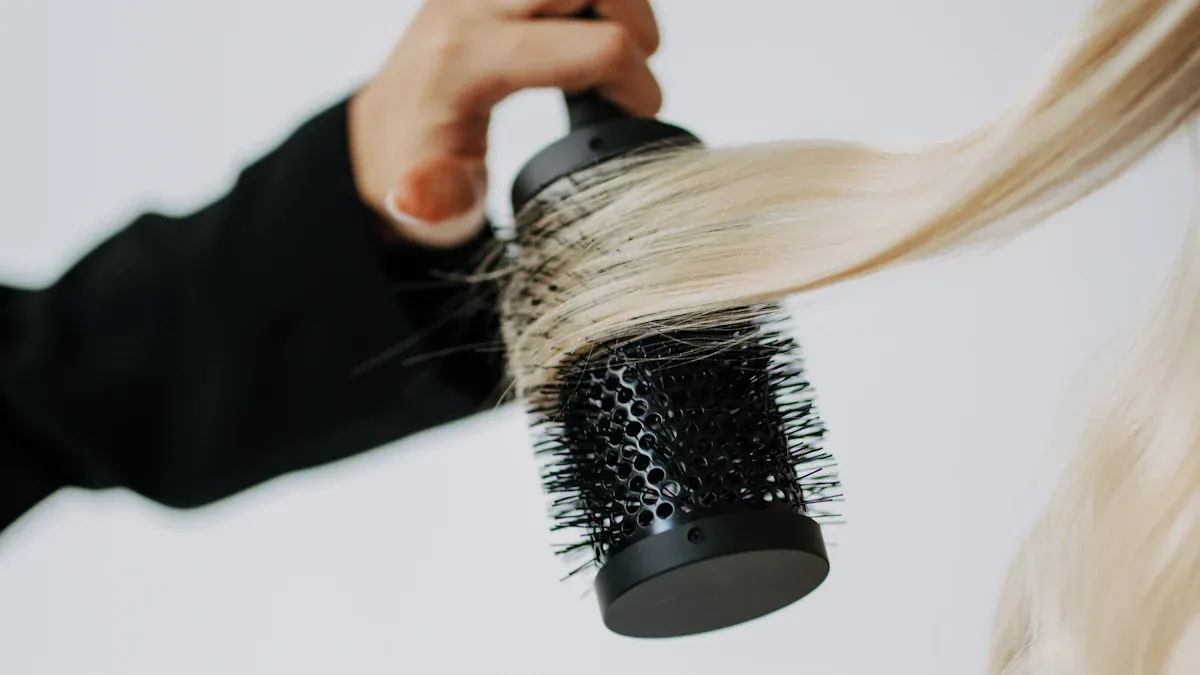
Proper sanitation of a hair brush dryer ensures healthy styling and prevents the spread of bacteria. A user who invests in a quality BLDC hair dryer or AC hair dryer from a reputable hair dryer manufacturer or hair dryer factory can protect their investment with regular care. Consistent cleaning not only preserves hair shine but also keeps the tool running efficiently. This Complete guide highlights the benefits of maintenance for both hygiene and device performance.
Complete guide to cleaning your hair brush dryer
Hygiene and Health Benefits
Preventing bacteria and mold growth
A complete guide to cleaning a hair brush dryer always starts with hygiene. Hair brush dryers collect moisture and residue during daily styling. These conditions allow bacteria and mold to thrive. Regular cleaning removes trapped hair and debris, reducing the risk of microbial growth. Users who follow a complete guide protect their scalp and maintain a sanitary environment for their tools.
Tip: Always store tools in a dry place after cleaning to minimize moisture exposure.
Reducing hair and scalp issues
Dirty tools can transfer bacteria and buildup to the scalp. This buildup may cause irritation, dandruff, or even infections. Cleaning the brush and dryer ensures that hair remains healthy and free from contaminants. Individuals who use a complete guide for cleaning experience fewer scalp problems and enjoy better hair quality.
Performance and Longevity
Maintaining optimal airflow and heat
Hair brush dryers rely on unobstructed airflow for effective styling. Accumulated hair and product buildup block vents and bristles, reducing performance. Cleaning tools regularly restores proper airflow and heat distribution. This practice ensures that the dryer operates at peak efficiency.
- Remove hair from the brush after each use.
- Clean vents and filters monthly for best results.
Extending the life of your hair brush dryer
A complete guide emphasizes the importance of maintenance. Cleaning prevents internal damage caused by buildup and overheating. Tools that receive regular care last longer and deliver consistent results. Users who clean their hair brush dryer protect their investment and avoid costly replacements.
Improved Hair Styling Results
Achieving smoother, shinier hair
Clean tools produce superior styling outcomes. Hair brush dryers free from buildup glide smoothly through hair, creating a polished finish. Individuals notice shinier, healthier hair when they follow a complete guide to cleaning. The absence of residue allows for even heat and better styling control.
Avoiding product buildup transfer
Product buildup on tools can transfer to hair, causing dullness and stickiness. Cleaning the brush and dryer eliminates this risk. Users who maintain their tools enjoy cleaner hair and more vibrant styling results.
| Benefit | Result |
|---|---|
| Clean tools | Smoother, shinier hair |
| No buildup | Healthier scalp and strands |
| Maintained airflow | Efficient styling |
A complete guide to cleaning a hair brush dryer ensures optimal hygiene, performance, and styling results. Individuals who prioritize tool care achieve healthier hair and extend the life of their styling tools.
How Often to Clean Your Hair Brush Dryer
Cleaning Frequency Based on Usage
Daily or frequent use guidelines
Individuals who use their hair brush dryer every day or in a professional setting must follow a strict cleaning schedule. High-volume environments, such as salons, expose tools to more hair, product, and debris. These conditions demand daily cleaning to prevent buildup and maintain hygiene. Professionals often clean their tools at the end of each workday to ensure optimal performance for every client.
The following table outlines recommended cleaning frequencies for different usage levels:
| Usage Level | Cleaning Frequency |
|---|---|
| Professional High-Volume | Daily |
| Professional Moderate | Every 2-3 days |
| Home Heavy | Weekly |
| Home Moderate | Bi-weekly |
| Home Light | Monthly |
A consistent cleaning schedule helps users avoid performance issues and extends the life of their tools.
Occasional use recommendations
Those who use their hair brush dryer less frequently can adjust their routine. Home users with moderate or light usage should clean their tools every two weeks or once a month. This approach keeps the brush free from dust and residue, even when not used daily. Regular attention prevents unexpected buildup and ensures the dryer remains ready for use.
Tip: Mark cleaning days on a calendar to establish a reliable routine and avoid forgetting maintenance.
Recognizing When Cleaning Is Needed
Signs of visible hair or residue
Users should inspect their tools before and after each use. Visible hair, lint, or product residue on the brush or vents signals the need for immediate cleaning. Neglecting these signs can lead to reduced airflow and less effective styling. Quick removal of debris after each session keeps tools in top condition.
Unusual smell or performance issues
A hair brush dryer that emits an unusual odor or shows signs of overheating may require cleaning. Buildup inside the dryer can cause these problems and may even damage internal components. If the tool feels hotter than usual or airflow weakens, users should stop using it and perform a thorough cleaning.
Note: Regular inspection and prompt cleaning help prevent long-term damage and ensure safe operation.
A proactive approach to cleaning and maintenance allows users to enjoy healthier hair and reliable styling results. Establishing a routine and responding to warning signs keeps tools performing at their best.
Safety Precautions for Cleaning
Unplugging and Cooling Down
Preventing electrical hazards
Safety remains the top priority when handling hair brush dryers. He or she must always unplug the device from the power source before starting any cleaning process. This simple step eliminates the risk of electrical shock and protects both the user and the tools. Many professionals recommend waiting until the dryer cools completely. The cooling period should last at least 30 minutes. This practice prevents burns and ensures safe handling of all components.
Note: Never attempt to clean a hair brush dryer while it is plugged in or still warm. Waiting for the device to cool down reduces the risk of injury and damage.
Ensuring complete cool-down before cleaning
A hair brush dryer generates significant heat during operation. He or she should allow the device to rest after unplugging. The cooling phase not only protects the user but also preserves the integrity of the tools. Handling a hot dryer can warp plastic parts or damage internal mechanisms. By waiting for the dryer to cool, users maintain the quality and longevity of their styling tools.
Protecting Internal Components
Keeping water away from electrical parts
Water poses a serious threat to the internal components of any hair brush dryer. He or she must avoid letting moisture seep into the electrical sections of the device. Cleaning should focus on the exterior and bristles, using a damp cloth for surface areas. The user should never submerge the dryer or allow water to enter the vents. This precaution prevents short circuits and extends the life of the tools.
Using gentle cleaning tools
Proper maintenance requires gentle handling. He or she should remove hair from the bristles with a wide-tooth comb or fingers. For hard-to-reach areas, such as vents, a toothbrush works well. These methods preserve airflow and prevent damage to delicate parts. After cleaning, the user should let the brush dry completely before storing it in a dry place. This routine keeps the tools in optimal condition and ready for the next styling session.
Tip: Always use soft brushes and cloths to avoid scratching or damaging the surface of the hair brush dryer.
A careful approach to cleaning ensures safety and protects the investment in quality styling tools. By following these precautions, users maintain both hygiene and performance.
Step-by-Step Cleaning Process for Your Hair Brush Dryer
Removing Hair and Debris
Using a comb or brush cleaner
Hair brush dryers collect loose hair and debris with every use. To maintain optimal performance, users should remove hair after each styling session. A fine-tooth comb or a dedicated brush cleaner works well for this task. He or she can slide the comb through the bristles, lifting out trapped strands. For stubborn tangles, the handle of a tail comb or small nail scissors can help dislodge hair without damaging the device. Many professionals recommend using a vacuum with a small attachment to extract debris from vents and hard-to-reach areas.
- Always ensure the device is unplugged and cool before starting.
- Use a comb or brush cleaner to gently pull out hair.
- For persistent knots, use scissors with care.
- Clean vents with the tip of the scissors or a vacuum attachment.
Tip: Regular removal of hair and debris prevents airflow blockages and keeps the dryer running efficiently.
Manual removal and cutting techniques
Some users encounter tightly wound hair or product residue that resists simple combing. In these cases, manual removal becomes necessary. He or she can use fingers to pull away loose strands. For hair that wraps around the bristles, small scissors allow for precise cutting without harming the brush. A toothbrush or small cleaning brush can sweep away lint and dust from the base and barrel. This approach works well for both cleaning round brushes and cleaning flat brushes, ensuring all types of hair tools remain free from buildup.
Cleaning Bristles and Barrel
Recommended cleaning solutions
After removing visible debris, attention should shift to the bristles and barrel. Warm water combined with mild soap or shampoo provides a safe and effective cleaning solution. He or she should avoid harsh chemicals, as these can damage the bristles or finish. Isopropyl alcohol offers an excellent option for removing sticky residue and dries quickly, making it suitable for electronic devices. Alcohol wipes or a microfiber cloth dampened with isopropyl alcohol can clean the brush head and barrel thoroughly. Cotton swabs dipped in alcohol reach tight spots that larger tools cannot access.
- Warm water and mild soap or shampoo
- Microfiber towel for drying
- Alcohol wipes or isopropyl alcohol for stubborn residue
- Cotton swabs for detailed cleaning
Note: Avoid soaking wooden or bamboo brushes, as this can cause warping.
Using a damp cloth or brush
A damp microfiber cloth works well for wiping down the bristles and barrel. He or she should gently rub the surfaces, taking care not to let water seep into the electrical components. For deeper cleaning, a small brush or toothbrush can scrub away any remaining residue. After cleaning, a dry cloth removes excess moisture, helping to prevent mold growth. This method supports a healthy routine for those who want to clean hairbrushes without risking damage to their tools.
Tackling Stubborn Buildup
Using baking soda or vinegar
Over time, hair brush dryers may develop stubborn buildup from styling products and oils. Baking soda and vinegar provide natural solutions for deep cleaning. Soaking the brush in a mixture of one part water to one part vinegar for thirty minutes helps dissolve residue. After soaking, a toothbrush can scrub away loosened debris. Baking soda sprinkled on a damp brush also lifts grime without scratching the surface.
- Mix equal parts water and vinegar for soaking.
- Use baking soda for gentle abrasion.
- Rinse thoroughly after treatment.
Caution: Never soak the entire device—immerse only the detachable brush head or barrel if possible.
Deep cleaning methods
For a comprehensive clean, users should perform a deep cleaning once a month. Begin by unplugging the dryer and removing any detachable parts. Soak the brush head or barrel in the vinegar solution, then scrub with a toothbrush. Rinse with warm water and dry with a microfiber towel. For plastic brushes, some users choose to wash them in a dishwasher or washing machine, but always check the manufacturer’s guidelines first. After deep cleaning, allow all parts to air dry completely before reassembling.
- Unplug and disassemble the device.
- Soak and scrub detachable parts.
- Rinse and dry thoroughly.
- Reassemble only when all components are moisture-free.
Note: Not drying the brush properly can trap water and encourage mold. Always ensure complete dryness before storage.
A consistent cleaning routine, combined with the right tools and solutions, keeps hair brush dryers in peak condition. Users who follow these steps enjoy healthier hair, longer-lasting tools, and superior styling results.
Cleaning Air Vents and Filters
Dust and lint removal
Hair brush dryers require regular attention to their air vents and filters. Dust and lint accumulate quickly, especially in high-use environments. He or she should begin by unplugging the dryer and removing the back grill if possible. This step allows for a clear inspection of the vent areas. Clogged vents force the appliance to work harder, increasing energy consumption and risking overheating. Mold and mildew may develop in neglected vents, posing health hazards.
A professional cleaning routine for vents and filters involves several steps:
- Inspect the vents for visible blockages after unplugging the device.
- Use a soft toothbrush to gently scrub away dust and lint from the vent surfaces.
- Blow compressed air in short bursts to loosen embedded particles inside the vents.
- Apply a vacuum with a fine nozzle attachment on a low setting to remove loosened debris. Avoid pushing particles deeper into the dryer.
- For removable mesh screens, wash them in warm soapy water and allow a full 24-hour air drying period before reinstallation.
Tip: He or she should never reinstall damp filters. Complete drying prevents mold growth and ensures safe operation.
Safe tools for vent cleaning
Selecting the right tools for vent cleaning ensures thorough maintenance without damaging delicate components. He or she should use an unused soft-bristled toothbrush for gentle scrubbing. Compressed air canisters help dislodge stubborn dust and lint. Fine-nozzle vacuum attachments provide targeted suction for hard-to-reach areas. Precision tweezers remove tangled hair strands that block airflow. Lint-free microfiber cloths dry and wipe surfaces without leaving residue.
- Soft-bristled toothbrush for surface cleaning
- Compressed air canister for embedded dust removal
- Fine-nozzle vacuum attachment for suction cleaning
- Precision tweezers for hair strand removal
- Lint-free microfiber cloth for drying and wiping
Note: He or she should avoid using metal tools or sharp objects near the vents. These items may damage the grill or internal parts.
A consistent cleaning schedule and proper tools maintain optimal airflow and prevent overheating. He or she protects both the appliance and personal health by keeping vents and filters clear.
Drying and Reassembling After Cleaning
Air Drying Techniques
Ensuring complete dryness
After cleaning, he or she must ensure that every component of the hair brush dryer dries thoroughly. Moisture left inside the device can lead to mold growth or electrical hazards. Experts recommend using a microfibre towel to gently blot excess water from the brush and barrel. This method avoids rubbing, which can damage delicate surfaces. He or she should place the cleaned parts in a well-ventilated area, away from direct sunlight or heat sources. Air circulation speeds up drying and prevents warping. For detachable parts, laying them flat on a clean towel allows air to reach all surfaces. Waiting until every piece feels dry to the touch protects the device and maintains hygiene.
Tip: Never rush the drying process. Complete dryness ensures safe operation and preserves the quality of the tools.
Avoiding moisture in electrical parts
He or she must keep moisture away from electrical components. Water inside vents or near wiring can cause short circuits or permanent damage. After cleaning, he or she should inspect the device for any lingering dampness. If necessary, use a lint-free cloth to wipe down the exterior and vent areas. Avoid using hair dryers or heaters for drying, as these can overheat plastic parts. Patience during air drying prevents costly repairs and extends the life of the tools.
Safe Reassembly
Checking for proper fit
Once all parts have dried, he or she should begin reassembly. Product manuals advise allowing every component to air dry completely before putting the device back together. He or she must carefully align each piece, ensuring a secure fit. Loose or misaligned parts can affect performance and pose safety risks. He or she should check that the brush head, barrel, and any attachments lock into place without force. A gentle push confirms proper fit and prevents damage.
Note: If a part does not fit easily, inspect for debris or residue that may block alignment.
Inspecting for damage
Before finishing reassembly, he or she should inspect each component for signs of wear or damage. Cracks, chips, or loose screws can compromise the safety and effectiveness of the tools. He or she should replace damaged parts immediately to avoid further issues. A quick visual check ensures that the device remains reliable and ready for the next styling routine. Regular inspection after cleaning helps maintain the longevity of the tools and supports consistent performance.
| Step | Action |
|---|---|
| Drying | Air dry all parts completely |
| Reassembly | Align and secure each component |
| Inspection | Check for damage or loose parts |
He or she maintains the quality and safety of the hair brush dryer by following these drying and reassembly steps. Proper care after cleaning ensures that the tools deliver optimal results and remain a dependable part of any styling routine.
Maintenance Tips for Hair Brush Dryer Longevity
Regular Inspections
Checking for wear and tear
He or she should inspect hair brush dryer tools regularly to spot early signs of wear and tear. Bristles may become bent or frayed after repeated use. The barrel can show scratches or discoloration. Cracks in the casing or loose screws signal that the device needs attention. Early detection prevents further damage and ensures safe operation. Many professionals recommend a monthly inspection routine for both home and salon environments.
Identifying loose parts
Loose parts compromise the effectiveness of styling tools. He or she should check that attachments, barrels, and brush heads fit securely. If a part wobbles or detaches easily, it may affect styling results or pose a safety risk. Tightening screws and replacing worn components keeps tools reliable. A quick check before each use helps maintain optimal performance.
Preventing Buildup
Using the right hair products
Choosing the right hair products reduces the risk of product buildup on styling tools. Lightweight sprays, serums, and creams leave less residue than heavy gels or waxes. He or she should avoid overusing products, as excess can transfer to the brush and barrel. Many experts suggest using water-based formulas for easier cleaning. The most common causes of buildup include dead skin cells, sebum, hair product residue, and dust. These substances can redistribute dirt back into clean hair, cause frizz, and harbor bacteria.
- Lightweight, water-based products minimize residue
- Avoid heavy gels and waxes
- Use only the recommended amount for styling
Cleaning after each use
Cleaning tools after every styling session prevents product buildup and keeps hair healthy. He or she should remove loose strands and wipe down the barrel with a damp cloth. Regular cleaning stops oils, dust, and environmental particles from accumulating. This routine reduces the risk of scalp irritation and maintains the effectiveness of the brush dryer.
Tip: Quick daily cleaning supports hygiene and extends the life of styling tools.
Troubleshooting Common Issues
Addressing overheating
Overheating often results from a dirty air inlet or a defective thermal cutoff switch. He or she should check the air inlet for blockages and clean it thoroughly. If the device continues to overheat, the thermal cutoff switch may need replacement. Addressing these issues promptly prevents damage and ensures safe operation.
- Inspect and clean air inlet regularly
- Replace faulty thermal cutoff switches
Fixing poor airflow
Poor airflow usually stems from a clogged lint filter. He or she should remove and clean the filter to restore proper heat and airflow. Regular maintenance of filters and vents keeps tools running efficiently and prevents styling disruptions.
| Issue | Solution |
|---|---|
| Overheating | Clean air inlet, check switch |
| Poor airflow | Clean lint filter |
A proactive approach to maintenance ensures that hair brush dryer tools deliver consistent results. Regular inspections, careful product selection, and prompt troubleshooting protect both the device and the user’s hair.
Proper Storage Advice for Your Hair Brush Dryer
Safe Storage Locations
Avoiding damp environments
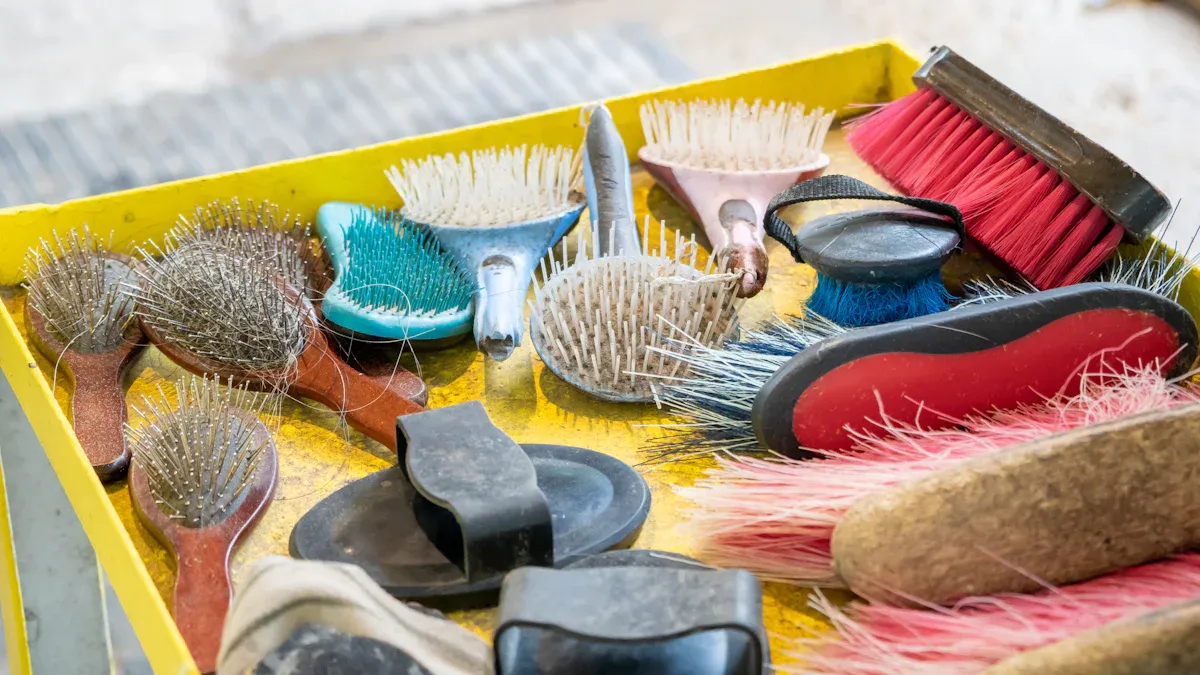
He or she must select a storage location that protects the hair brush dryer from moisture. Damp environments, such as bathrooms with poor ventilation, encourage mold growth and corrosion. Storing the dryer in a dry area preserves the internal components and maintains performance. Countertop caddies offer a practical solution. These organizers keep the tool elevated and away from wet surfaces. Wall-mounted holders provide designated spots for each device, reducing exposure to humidity. Multi-layered storage units separate hair tools and allow air circulation, preventing moisture buildup.
Tip: Always allow the hair brush dryer to cool down before storing it. This practice prevents condensation and protects the tool from heat-related damage.
Preventing tangling and damage
Proper storage prevents tangling of cords and accidental damage. He or she should avoid dropping, twisting, or improperly storing the dryer. Wall-mounted holders keep cords untangled and tools secure. Countertop caddies organize multiple devices, reducing clutter and minimizing the risk of falls. Multi-layered storage units ensure each tool remains accessible and separated. Using a heat-resistant pouch or holder shields the dryer from burns and scratches.
| Storage Solution | Benefit |
|---|---|
| Countertop caddy | Keeps tools dry and organized |
| Wall-mounted holder | Prevents tangling and damage |
| Multi-layered unit | Separates and protects devices |
Storing with Accessories
Keeping attachments organized
He or she often uses multiple attachments with a hair brush dryer. Keeping these accessories organized prevents loss and damage. Multi-layered storage units feature compartments for each attachment. Wall-mounted holders sometimes include hooks or slots for accessories. Countertop caddies provide space for brushes, barrels, and diffusers. Organized storage ensures quick access and maintains the condition of each piece.
Note: Organized accessories reduce styling time and prevent unnecessary wear.
Using protective cases
Protective cases offer an extra layer of security for hair brush dryers and their attachments. He or she should choose a heat-resistant case to prevent burns and shield the tool from impacts. Many cases feature padded interiors and separate sections for attachments. Storing the dryer in a dedicated case minimizes exposure to dust and moisture. This method also simplifies travel and keeps all components together.
- Heat-resistant pouch or holder prevents burns and damage.
- Padded cases protect against drops and scratches.
- Separate compartments keep attachments organized.
He or she maintains the performance and longevity of the hair brush dryer by following proper storage practices. Selecting the right location and using protective accessories ensures the tool remains ready for every styling session.
Industry experts recommend several key steps for maintaining a hair brush dryer. The following table summarizes essential do’s and don’ts:
| Do’s | Don’ts |
|---|---|
| Unplug before every cleaning session | Never submerge the dryer in water |
| Use isopropyl alcohol for disinfecting | Avoid abrasive cleaners or steel wool |
| Clean the nozzle every 2–4 weeks | Don’t ignore unusual smells or noises |
| Store in a dry, ventilated area | Don’t wrap the cord tightly around the dryer |
| Inspect for visible blockages regularly | Don’t use while damaged or frayed |
Routine cleaning prevents bacteria and fungus from spreading to the scalp. He or she enjoys healthier hair, improved styling, and longer tool life. Regular maintenance supports hygiene and performance. Make cleaning a habit for the best results every time.
FAQ
How often should he clean a hair brush dryer?
He should clean the hair brush dryer weekly if used often. Light users can clean monthly. Regular cleaning prevents buildup and maintains performance.
Can she use household cleaners on the brush dryer?
She should avoid harsh household cleaners. Mild soap, shampoo, or isopropyl alcohol work best. These options protect the bristles and barrel.
What signs indicate the dryer needs cleaning?
Visible hair, lint, or residue signal cleaning is needed. Unusual smells or reduced airflow also indicate maintenance is required.
Is it safe to submerge the dryer in water?
He must never submerge the dryer in water. Water damages electrical components and creates safety hazards. Clean only the detachable parts.
Which tools help remove hair from the brush?
A fine-tooth comb, brush cleaner, or tweezers help remove hair. A soft toothbrush works well for dust and lint.
How can she prevent product buildup?
She can use lightweight, water-based hair products. Cleaning after each use stops residue from accumulating.
What should he do if the dryer overheats?
He should check and clean the air inlet and filter. If overheating continues, he must consult the manufacturer or replace faulty parts.
Where is the best place to store a hair brush dryer?
He should store the dryer in a dry, ventilated area. Protective cases or countertop caddies keep the tool safe and organized.