
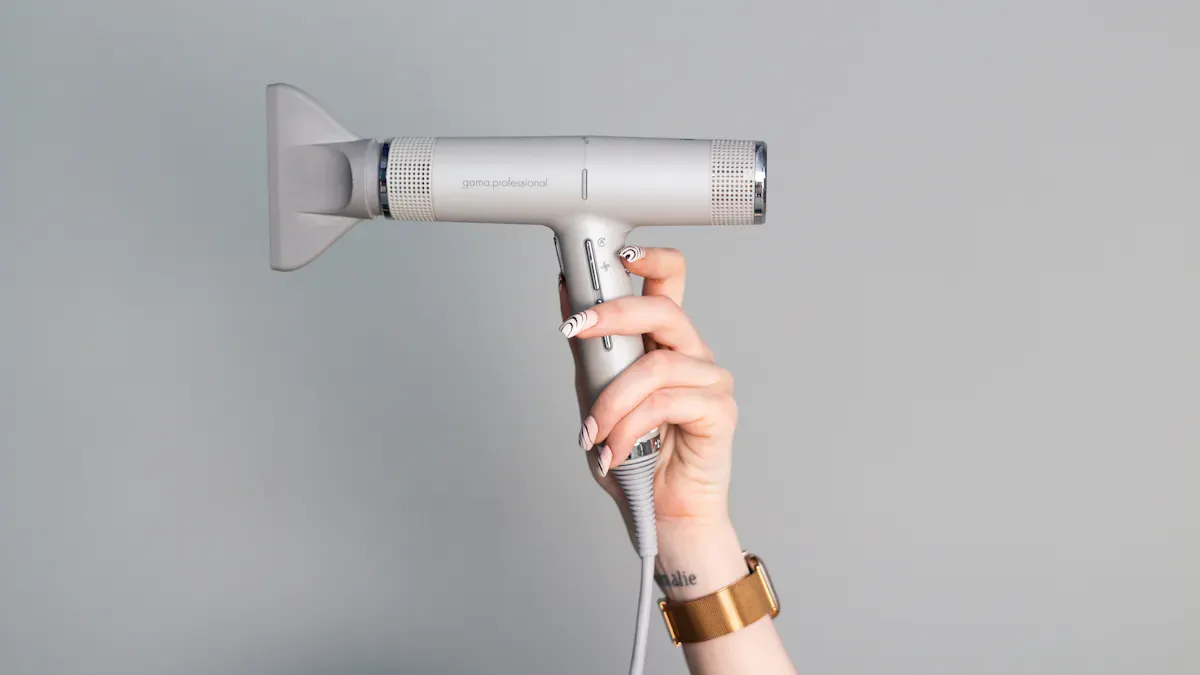
Proper hair dryer attachment care ensures reliable performance and user safety. Users should remove lint and residue regularly, as clean attachments prevent overheating and extend device life. Selecting the correct nozzle or diffuser protects hair from damage, especially when using advanced tools like a BLDC hair dryer or an AC hair dryer. A reputable hair dryer manufacturer or hair dryer factory often provides a complete guide for best practices. Quality maintenance supports both healthy hair and long-lasting styling tools.
Understanding Hair Dryer Attachments
Common Types of Hair Dryer Attachments
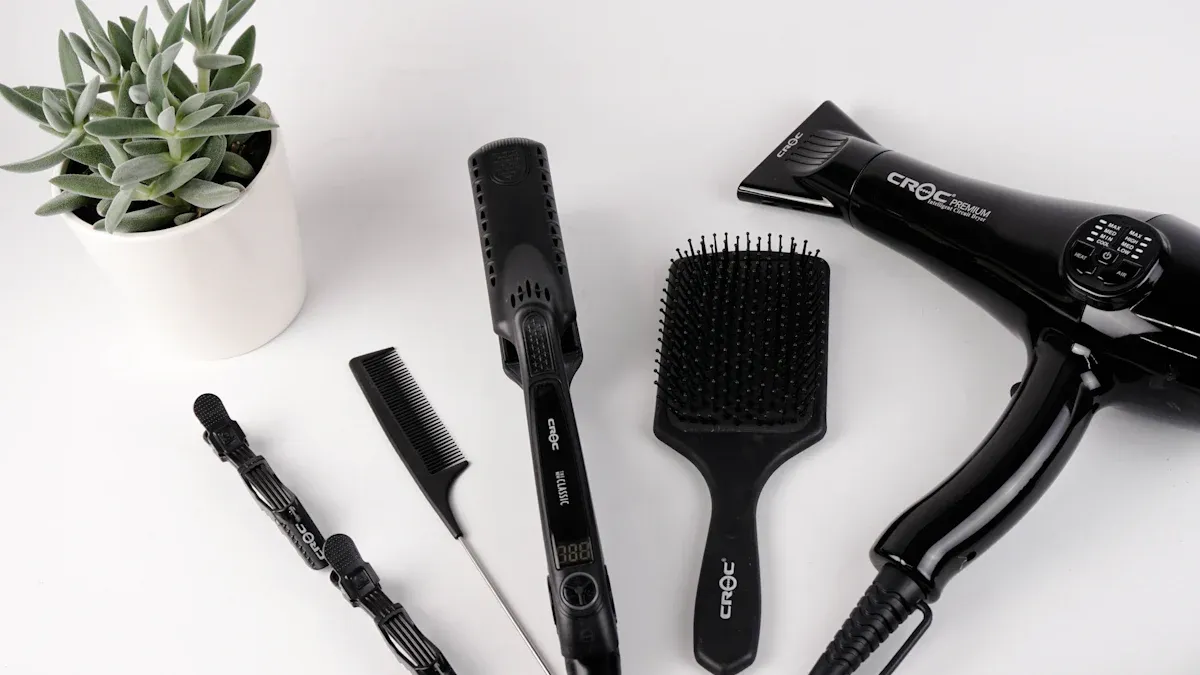
Hair dryer attachments play a crucial role in both professional salons and home settings. Different types of hair dryer attachments allow users to customize their styling experience and protect hair health. The most common hair dryer parts include:
- Narrow concentrator nozzles (6-9mm) for precise airflow and sleek blowouts
- Wide concentrator nozzles (12-18mm) for fast drying on thick hair sections
- Diffusers that disperse air to enhance natural curl patterns and reduce frizz
- Smoothing nozzles that provide a broader, gentler airstream for cuticle sealing
- Flyaway attachments that use the Coanda effect to hide flyaways and create smooth finishes
- Wide-tooth combs for detangling and stretching curly hair while drying
- Styling picks that lift roots and add volume to afro-textured hair
- Round brush heads that combine drying with curling or volumizing
Concentrator Nozzle
Concentrator nozzles direct airflow to specific sections of hair. These hair dryer accessories help achieve smooth, straight styles and reduce drying time. Narrow concentrator nozzles work best for precision, while wide concentrator nozzles suit thicker hair.
Diffuser
Diffusers distribute air evenly, making them essential for curly or wavy hair. A diffuser attachment enhances curl definition, reduces frizz, and supports achieving volume with a diffuser. Many stylists recommend diffusers for maintaining healthy curls.
Comb Attachment
Comb attachments detangle hair during drying. These hair dryer parts work well for textured or curly hair, stretching strands and reducing breakage. Wide-tooth combs are especially effective for minimizing damage.
Pik Attachment
Pik attachments lift roots and add volume, especially for afro-textured hair. These hair dryer accessories help achieve fuller styles and support curl enhancement.
Specialized Blow Dryer Attachments
Specialized hair dryer accessories include smoothing nozzles, volumizers, and curl enhancers. Smoothing nozzles seal the cuticle, reduce frizz, and create a polished finish. Volumizers and curl enhancers target specific styling needs, such as adding body or defining curls.
How Attachments Affect Styling and Hair Health
Hair dryer attachments influence both the final style and hair health. Using the right hair dryer parts for each hair type and styling goal ensures optimal results.
| Hair Type | Heat Setting | Special Equipment | Key Considerations |
|---|---|---|---|
| Fine/Thin | Low (250-300°F) | Concentrator nozzle | Avoid overheating |
| Medium/Wavy | Low-Medium (300-350°F) | Diffuser or concentrator | Balance smoothing and volume |
| Thick/Coarse | Medium-High (350-400°F) | High-wattage dryer | Efficient drying with protection |
| Curly/Coily | Low (under 300°F) | Diffuser required | Preserve curl pattern |
Benefits for Different Hair Types
Different hair types benefit from specific hair dryer attachments. Fine hair requires low heat and narrow concentrator nozzles to prevent damage. Thick or coarse hair dries faster with wide concentrator nozzles and high-wattage dryers. Curly hair thrives with diffusers and smoothing nozzles, which protect curl patterns and minimize frizz. Wavy hair achieves balance with both diffusers and smoothing nozzles.
Matching Attachments to Styling Goals
Matching the right hair dryer accessories to styling goals maximizes results. Smoothing nozzles create sleek finishes, while diffusers and curl enhancers support curl enhancement. Volumizers and styling picks add body and lift. The benefits of using quality hair dryer attachments include improved hair health, reduced styling time, and enhanced style longevity.
How to Replace Hair Dryer Attachments
Step-by-Step Replacement Guide for Attachments
Replacing hair dryer attachments improves styling results and maintains device safety. Users must follow a systematic approach to ensure secure installation and prevent damage.
Removing Old Attachments Safely
To remove hair dryer nozzles or other attachments, users should first unplug the dryer and allow it to cool. This prevents burns and protects the device. Most attachments require a gentle twist or pull to detach. If the attachment feels stuck, avoid using excessive force. Instead, check for locking mechanisms or release buttons. Some dryers feature clips or tabs that secure attachments. Users should press these before attempting removal. When removing hair dryer nozzles, always hold the base of the attachment rather than the tip. This reduces stress on the dryer and prevents cracks.
Tip: Always inspect the attachment for residue or hair before removal. Cleaning the attachment before storage prevents buildup and prolongs its life.
Attaching New Accessories Securely
Attaching a new accessory requires careful alignment. Users should match the grooves or tabs on the attachment with the corresponding slots on the dryer. Push or twist the attachment until it clicks or locks into place. Secure installation prevents the attachment from falling off during styling. If the attachment feels loose, remove it and try again. Some dryers include a locking ring or button for extra security. Always check the manufacturer’s instructions for specific guidance. After installation, test the attachment by gently tugging it. A properly attached accessory will not shift or detach during use.
Compatibility Tips for Hair Dryer Attachments
Selecting the correct blow-dryer attachment ensures optimal performance and protects hair health. Compatibility depends on the dryer model and the attachment design.
Checking Fit and Brand Compatibility
Not all attachments fit every dryer. Users must check the diameter and shape of the nozzle connection. Many brands design unique attachment systems. For example:
- Shark hair dryer attachments do not interchange with other brands.
- Shark’s SpeedStyle dryer accepts its own attachments and Pro Flex accessories, but this is an exception within the Shark brand.
- Most dryers require brand-specific attachments due to proprietary locking mechanisms.
Users should consult the dryer manual or manufacturer website for compatibility information. When purchasing a new attachment, verify the model number and connection type.
Universal vs. Brand-Specific Attachments
Universal attachments claim to fit multiple dryers, but results vary. Universal nozzles often use flexible silicone or adjustable rings. These attachments work best with standard barrel sizes. Brand-specific attachments offer a precise fit and secure locking. They match the dryer’s airflow and styling features. Users seeking universal options should measure the dryer barrel and compare it to the attachment specifications. Brand-specific accessories guarantee compatibility and performance.
| Attachment Type | Fit Quality | Security | Styling Performance |
|---|---|---|---|
| Universal | Variable | Moderate | General |
| Brand-Specific | Precise | High | Optimized |
Safety Precautions When Replacing Attachments
Safety remains essential when handling hair dryer attachments. Users must protect themselves and their devices during replacement.
Handling Hot Attachments
Attachments become hot during use. Always allow the dryer and attachment to cool before removal. Touching hot nozzles or diffusers can cause burns. If immediate removal is necessary, use a heat-resistant glove or towel. Never submerge hot attachments in water, as rapid cooling may cause warping.
Preventing Damage to Hair Dryer and Attachments
Improper handling damages both the dryer and the attachment. Avoid forcing attachments onto the dryer. Misalignment can crack the nozzle or damage the locking mechanism. Store attachments in a dry, padded container to prevent scratches and deformation. Regularly inspect attachments for signs of wear, such as cracks or loose fittings. Replace damaged accessories promptly to maintain styling performance and safety.
Note: Using the correct blow-dryer attachment and following manufacturer guidelines extends the life of both the dryer and its attachments.
Maintaining Hair Dryer Attachments
Cleaning Hair Dryer Attachments Properly
Cleaning Frequency and Methods
Regular cleaning of blow dryer attachments ensures optimal performance and hygiene. Experts recommend cleaning hair dryer attachments every one to two months. Individuals who use their dryer daily or notice visible dust and debris should clean attachments every few weeks. This routine prevents buildup that can affect airflow and styling results.
- Use compressed air monthly to dislodge lint from nozzles and diffusers without disassembling the dryer.
- Wash filters with soapy water to remove oils and grime.
- Clean the exterior of attachments with a damp cloth and mild soap after the dryer cools.
- Detach and clean removable parts such as comb attachments and diffuser heads using a soft brush or cloth.
Keeping a consistent cleaning schedule helps maintain the efficiency of blow dryer attachments and supports healthy hair.
Safe Cleaning Products and Tools
Safe cleaning practices protect both the attachments and the dryer. Individuals should avoid harsh chemicals that may damage plastic or metal parts. Mild soap and water work well for most nozzles, diffusers, and smoothing attachments. A soft brush removes stubborn residue from comb attachments and diffuser heads. Compressed air provides a gentle method for clearing lint from hard-to-reach areas. Always allow attachments to dry completely before reattaching them to the dryer.
Storing Attachments for Longevity
Best Storage Practices for Blow Dryer Attachments
Proper storage extends the life of blow dryer attachments and prevents unnecessary wear. Storing attachments in a dry, cool place reduces the risk of mold and corrosion. Bathroom cabinets offer convenience, but humidity can promote damage. Organizers or padded containers protect attachments from scratches and deformation.
| Tool | Cleaning Method | Storage Tips |
|---|---|---|
| Blow Dryer | Wipe with a damp cloth | Dry, cool place |
| Brushes | Remove hair with the brush | Dry drawer or organizer |
| Curling Iron | Wipe with alcohol wipe | Heat-resistant mat/holder |
Individuals should keep nozzles, diffusers, and smoothing attachments separated to avoid friction and warping. Using dedicated compartments or pouches for each attachment prevents tangling and accidental breakage.
Avoiding Damage During Storage
Careful storage prevents cracks and warping in blow dryer attachments. Avoid stacking heavy items on top of attachments. Never store attachments while wet, as moisture can cause mold and degrade materials. Individuals should inspect attachments regularly for signs of wear and store them away from direct sunlight to prevent fading and brittleness.
Tip: Labeling storage containers helps users quickly locate the right attachment for their styling needs.
Troubleshooting Common Issues with Attachments
Attachments Not Fitting or Staying On
Attachment fit issues often arise from mismatched sizes or worn locking mechanisms. If an attachment does not stay on, users should check for debris around the connection point and clean it thoroughly. Misalignment can prevent secure attachment. Individuals should align grooves and tabs carefully and avoid forcing the attachment onto the dryer. If the problem persists, replacing the attachment or consulting the manufacturer may resolve the issue.
Cracks, Warping, or Wear and Tear
Blow dryer attachments may develop cracks, warping, or other signs of wear over time. Exposure to heat, improper cleaning, or rough handling can cause these problems. Users should inspect attachments for visible damage before each use. Cracked or warped attachments can affect styling performance and pose safety risks. Replacing damaged attachments ensures consistent results and protects hair health.
| Problem Description | Possible Causes | Solutions |
|---|---|---|
| Hair Dryer Brush Won’t Turn On | Not plugged in, outlet has no power, fuse | Check plug, try different outlet, reset breaker, let cool |
| Airflow Is Weak or Uneven | Dust clogging air inlet/outlet, motor issue | Clean vents, check speed, consider motor replacement |
| Brush Overheats or Smells Burnt | Blocked airflow, prolonged use, wiring issue | Stop use, clean vents, let cool, contact supplier if smell persists |
| Rotation or Brush Not Working | Hair tangled, gear jammed, motor failure | Remove tangled hair, clean gear, request warranty service |
| Brush Only Blows Cold Air | Wrong setting, heating element damaged | Confirm setting, let cool, try different outlet, report for inspection |
Maintaining your hair dryer attachments through regular cleaning and proper storage prevents most common issues. Individuals who clean and maintain their blow dryer attachments enjoy better styling results, reduced frizz, and improved volume creation. Smoothing nozzles and diffusers require special care to preserve their shape and function. Consistent maintenance supports both the longevity of attachments and the health of hair.
When and How to Replace Damaged Hair Dryer Attachments
Signs It’s Time to Replace Attachments
Visible Damage or Deformation
Individuals often notice cracks, chips, or warping in their attachments after prolonged use. These signs indicate that the attachment no longer provides a secure fit or consistent airflow. A damaged attachment can disrupt styling and increase the risk of injury. He or she should inspect each attachment for visible wear before every use. If the attachment shows deformation or discoloration, it may not withstand heat and could fail during operation.
Reduced Performance or Safety Concerns
A drop in performance signals the need for replacement. Attachments that wobble, detach unexpectedly, or distribute heat unevenly compromise both styling and safety. Users may observe that their hair dries unevenly or that the attachment feels loose. Safety concerns arise when attachments overheat or emit unusual odors. He or she should replace any attachment that causes discomfort or poses a risk to hair health.
Where to Find Replacement Attachments
Manufacturer vs. Third-Party Options
Individuals can purchase replacement attachments from several sources. Each option offers distinct advantages:
- Manufacturer options provide superior durability and reliability. These attachments use high-quality materials and precise construction, ensuring a secure fit and optimal performance.
- Third-party attachments offer cost-effective solutions. Some users prefer these for their affordability and variety. However, third-party attachments may detach during use or distribute heat inconsistently.
- A versatile 5-in-1 set can meet everyday styling needs, while standalone dryers deliver speed and reliability.
Note: Manufacturer attachments often match the original dryer’s specifications, reducing compatibility issues.
Tips for Buying the Right Replacement Attachment
Selecting the correct replacement attachment requires careful consideration. Individuals should review the following factors:
- Compatibility: Confirm that the attachment matches the dryer model number and voltage requirements.
- Material Quality: Choose durable, heat-resistant materials for safety and performance.
- Attachment Types: Select attachments designed for specific hair types to enhance styling and protect hair health.
- Nozzle Diameter: Measure the dryer’s nozzle diameter, usually 1.75″ or 2″, to ensure a proper fit.
- Secure Fit: Test the attachment for stability. A secure fit prevents wobbling and performance issues.
| Material Type | Benefits |
|---|---|
| Silicone or Rubber | Gentle on curls, heat-resistant, durable |
| Metal | Heats quickly, may become very hot |
| Ceramic/Tourmaline | Reduces heat damage and frizz |
| Plastic | Lightweight, may degrade; seek heat-resistant options |
He or she should prioritize attachments that suit their styling goals and hair type. A well-chosen attachment improves results and maintains hair health.
Choosing the Right Attachment for Your Hair Type
Fine or Thin Hair
Best Attachments and Techniques
Fine or thin hair requires a gentle approach to prevent breakage and maintain volume. A ceramic hair dryer works best for this hair type because it produces gentle, evenly distributed infrared heat. This minimizes the risk of heat damage and helps preserve hair health. Selecting a dryer with multiple heat and speed settings, especially lower ones, allows for more control and reduces the chance of flattening the hair.
A concentrator nozzle serves as the essential attachment for fine hair. It directs airflow at the roots, which enhances volume and creates a fuller appearance. For added lift, a comb attachment can help raise the roots during drying. Professionals recommend starting with damp hair and using the concentrator nozzle to target the roots while gently lifting sections with the comb. This technique builds body without causing frizz or static.
Tip: Always use the lowest heat setting and keep the dryer moving to avoid overheating any section of the hair.
Thick or Coarse Hair
Best Attachments and Techniques
Thick or coarse hair benefits from attachments that can handle larger sections and reduce drying time. Ionic and tourmaline hair dryers are highly recommended for these hair types. The negative ions produced by these dryers break down water droplets quickly, which speeds up drying and helps maintain healthy hair. Tourmaline dryers also manage extreme frizz and very coarse textures effectively.
| Attachment Type | Best For | Material Options | Styling Benefit |
|---|---|---|---|
| Wide Nozzle | Thick, long, or coarse hair | Heat-resistant plastic, metal | Covers more area, reduces drying time |
To optimize styling, experts suggest the following techniques:
- Use a smoothing nozzle for finishing touches after rough-drying.
- Section hair to manage styling more effectively.
- For curly hair, use a wide-toothed comb and a diffuser instead of a brush.
- Focus on one section at a time while brushing to avoid tangles.
A smoothing nozzle attachment helps seal the cuticle and creates a polished finish. This attachment also reduces frizz and enhances shine, making it ideal for thick or coarse hair.
Curly or Wavy Hair
Best Attachments and Techniques
Curly or wavy hair needs specialized care to maintain definition and minimize frizz. A diffuser attachment stands out as the most effective tool for this hair type. The diffuser controls airflow, distributes heat evenly, and supports the natural curl shape.
| Attachment Type | Key Features | Effectiveness for Hair Type |
|---|---|---|
| Diffuser | Controls airflow, distributes heat evenly, supports curl shape | Enhances curl definition, reduces frizz, adds volume |
| Purpose-built Diffuser | Integrated system for airflow and heat control | Maintains curl shape, reduces heat damage |
| Diffon Ceramic | Ceramic technology for gentle drying | Good for wavy or curly hair |
“A diffuser is a bowl-shaped attachment with vents or prongs that spreads airflow over a larger area. It is best for curly or wavy hair, enhancing natural definition without frizz.”
To achieve the best results with a diffuser:
- Begin with freshly washed and conditioned hair.
- Apply a curl cream or styling product.
- Scrunch hair upward with hands.
- Set the dryer to low or medium heat with low airflow.
- Use the diffuser to lift and dry curls from the ends upward, or hover above for added volume.
A smoothing attachment can also help seal the cuticle and reduce frizz after diffusing. This combination supports healthy, defined curls and waves.
Straight Hair
Best Attachments and Techniques
Straight hair often requires a precise approach to achieve a polished, frizz-free finish. The right attachment can make a significant difference in both the appearance and health of straight hair. Professionals recommend using a concentrator nozzle or a smoothing nozzle for optimal results. The table below outlines the benefits of each attachment for straight hair:
| Attachment Type | Best For | Styling Benefit |
|---|---|---|
| Concentrator Nozzle | Straight, fine, or thin hair | Smooths hair, speeds drying, adds shine |
| Smoothing Nozzle | Sleek, straight styles | Aligns cuticles, reduces flyaways |
A concentrator nozzle focuses airflow in one direction, which helps create smooth, shiny hair. The smoothing nozzle works to align the cuticle and minimize flyaways, resulting in a sleek look. He or she should always start with hair that is about 80% dry and apply a heat protectant before styling.
Tip: Direct the nozzle downward along the hair shaft while brushing to seal the cuticle and enhance shine.
For best results, follow these techniques:
- Use a concentrator nozzle to focus airflow in one direction for smooth styles.
- Set the dryer to medium or high heat and aim the nozzle downward.
- Pair the attachment with a round brush to control the shape and add volume.
- Finish with a cool shot to lock in shine and reduce frizz.
Smoothing attachments are ideal for straight or straightened hair and blowouts. They help infuse shine and control the overall shape of the hairstyle. Repeating the process with a blast of cool air ensures a long-lasting, glossy finish.
Special Styling Needs with Hair Dryer Attachments
Volume, Smoothing, or Defined Curls
Many individuals seek specific results such as added volume, enhanced smoothing, or defined curls. The right attachment and technique can address these needs effectively.
- For volume, a round brush attachment lifts roots and adds body to fine or limp hair. Concentrator nozzles also help by directing airflow at the roots.
- Smoothing nozzles remain essential for reducing frizz and creating a glass-like finish. They align the cuticle and provide a polished look, especially when paired with a paddle or round brush.
- To define curls, a diffuser attachment maintains the natural shape of curls while minimizing frizz. The “Pixie Cup” method, which involves cupping curls in the diffuser and lifting them toward the scalp, maximizes definition.
He or she should adjust heat and speed settings based on the desired result. Medium heat and low speed work best for maintaining curl definition and reducing frizz. Incorporating a cold shot at the end of styling helps set the style and ensures longevity.
Note: Zoning techniques allow users to treat different sections of hair with the appropriate attachment, such as using a concentrator for finer areas and a diffuser for denser curls.
Smoothing remains a priority for many, and the right attachment can transform both the look and feel of hair. Consistent use of smoothing nozzles and proper technique supports healthy, vibrant styles.
Best Practices for Using Hair Dryer Attachments
Tips for Effective Styling with Attachments
Heat Settings and Attachment Use
Heat settings play a critical role in both the performance and safety of hair dryer attachments. Professional stylists understand that salon dryers can reach temperatures as high as 125°C, but they rarely apply maximum heat directly to the hair. Instead, they combine high airflow with moderate heat to protect hair health and achieve optimal styling results. Home dryers usually operate at lower temperatures, which helps prevent accidental damage. Maintaining a distance of 10 to 15 centimeters between the attachment and the hair allows heat to dissipate, reducing the risk of overheating. This technique ensures that the hair remains healthy and the style lasts longer.
Sectioning Hair for Best Results
Sectioning the hair before styling improves coverage and efficiency. Stylists recommend the following steps for best results:
- Complete the regular blow-dry routine before using specialized attachments.
- Switch to the cool setting when using a flyaway attachment.
- Glide the attachment slowly down each section from root to tip.
- Maintain steady movement and avoid pausing in one area.
- Work in sections about 5 centimeters wide for thorough coverage.
These steps help distribute heat evenly and allow each attachment to perform its intended function. Sectioning also prevents overexposure to heat, which can compromise hair health and reduce the effectiveness of the style.
Safety and Maintenance Habits for Blow Dryer Attachments
Regular Checks and Cleaning
Routine maintenance extends the life of both the dryer and its attachments. He or she should always unplug the dryer and allow it to cool completely before cleaning. Using a soft brush with compressed air helps remove lint and debris from filters and attachments. For the exterior, rubbing alcohol and paper towels work well to eliminate product residue. Regular cleaning prevents buildup that can affect airflow and styling performance.
Avoiding Common Mistakes
Proper storage and handling protect attachments from unnecessary wear. Individuals should store the dryer and attachments in a cool, dry place, away from moisture and extreme temperatures. Wrapping the cord tightly around the dryer can damage internal wires, so it is best to avoid this practice. After using hot settings, the cool shot button helps cool internal components before storage. These habits reduce the risk of damage and ensure that each attachment remains ready for the next styling session.
Tip: Consistent maintenance and careful handling of attachments support both safety and long-lasting styling results.
Maintaining hair dryer attachments supports optimal performance and protects hair health. He or she should follow these essential steps for lasting results:
- Clean attachments regularly to remove hair and dust.
- Wash accessories with mild soap and water, then dry completely.
- Store attachments in a dry place, away from heat and moisture.
- Handle attachments carefully to prevent cracks or breaks.
- Replace damaged attachments immediately.
Regular care ensures safety and styling efficiency. This complete guide empowers individuals to achieve healthy hair and reliable results. By using the complete guide, he or she can extend the life of attachments, improve styling, and protect hair. The complete guide offers practical advice for anyone seeking long-lasting hair health and optimal styling.
FAQ
How often should he or she clean hair dryer attachments?
He or she should clean attachments every one to two months. Frequent users or those with visible buildup should clean more often. Regular cleaning prevents residue, improves airflow, and supports healthy hair.
Can he or she use third-party attachments with any hair dryer?
Third-party attachments may fit some dryers, but not all. He or she should check the nozzle diameter and locking mechanism. Manufacturer recommendations ensure the best fit and performance.
What should he or she do if an attachment does not stay on?
He or she should inspect the attachment and dryer for debris or damage. Cleaning the connection point often solves the problem. If the issue continues, replacing the attachment or consulting the manufacturer helps.
Are universal attachments safe for all hair types?
Universal attachments work for many dryers, but not all hair types. He or she should select attachments designed for their hair texture and styling goals. Brand-specific options often provide better results.
How can he or she prevent attachments from cracking or warping?
He or she should allow attachments to cool before removal. Storing them in a dry, padded container prevents damage. Avoiding harsh chemicals during cleaning also helps maintain material integrity.
Where can he or she buy replacement attachments?
He or she can purchase replacements from the dryer’s manufacturer, beauty supply stores, or reputable online retailers. Manufacturer options guarantee compatibility and quality.
What is the safest way to remove a hot attachment?
Always let the attachment cool before removal. If immediate removal is necessary, he or she should use a heat-resistant glove or towel to avoid burns.