
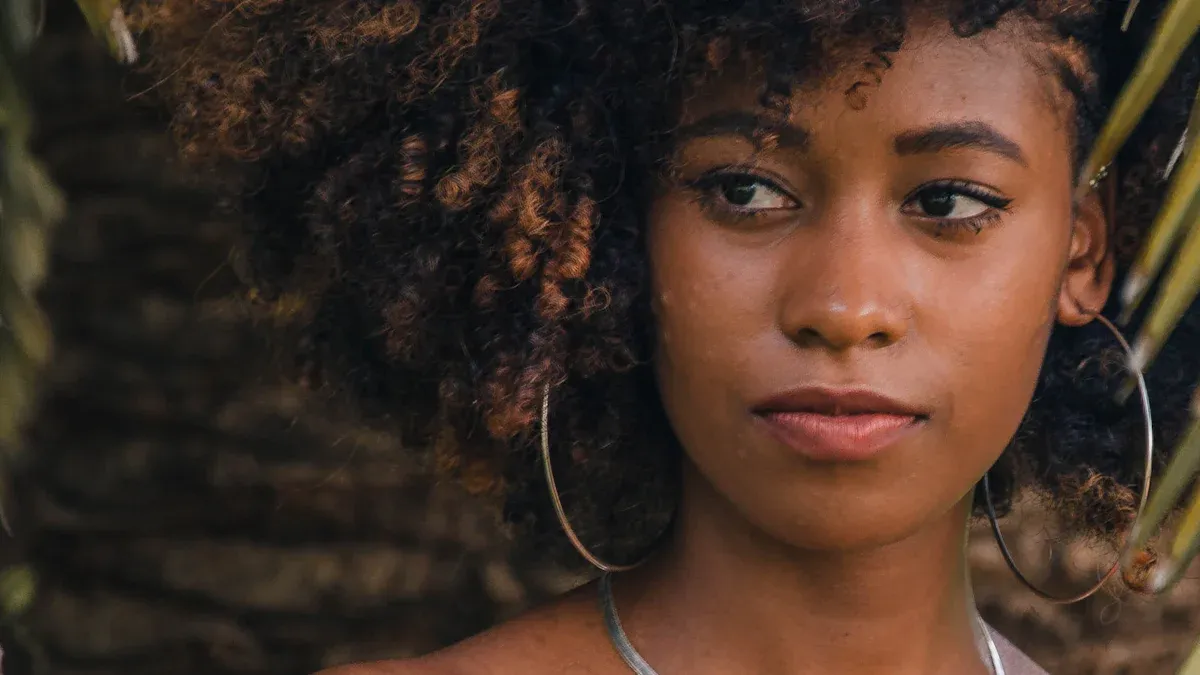
Finding the best way to dry curly hair presents a choice between two distinct methods: diffusing and air-drying. Each approach offers unique benefits for different hair goals. The process of diffusing with a diffuser hair dryer delivers unmatched volume and curl definition for curls. Skillful diffusing is essential for setting the hair pattern effectively.
Air-drying, in contrast, stands as the superior option for individuals prioritizing hair health and heat avoidance.
The ideal choice between a BLDC hair dryer or an AC hair dryer from a trusted hair dryer manufacturer can influence the diffusing experience. A quality hair dryer factory produces reliable tools, helping users achieve consistent diffusing results and perfect their diffusing technique on their curls.
Diffusing vs. Air Drying: Key Differences
The choice between diffusing and air-drying creates vastly different outcomes in appearance, health, and convenience. Understanding these distinctions helps individuals select the best method for their specific hair goals and lifestyle.
Impact on Hair Appearance
Volume and Lift
Diffusing excels at creating volume. The upward motion of diffusing lifts the roots away from the scalp, building body and preventing the flat top that can occur with air-drying. Air-drying often allows gravity to pull the curls downward, resulting in less overall volume.
Curl Definition and Clumps
Diffusing provides superior control over the final look of curls. It encourages curl families to group together into defined, bouncy clumps. This method sets the style effectively for a polished result.
- Diffusing helps maintain the integrity of curls while they dry, leading to a longer-lasting style.
- The process can result in curlier hair compared to air-drying, enhancing natural waves.
- Using a diffuser hair dryer with a cool shot button helps seal the hair cuticle, prolonging the hairstyle’s longevity.
Shrinkage
Shrinkage is the reduction in hair length as it dries. The diffusing process often enhances shrinkage by encouraging curls to spring up into their tightest pattern. While this showcases the hair’s elasticity, some may prefer the elongation that air-drying provides. This curl shrinkage is a sign of healthy hair. The gentle weight of water during air-drying can stretch the curls, minimizing shrinkage.
Frizz Control
Both methods can achieve less frizz, but the technique is key. Proper diffusing on a low-speed setting minimizes air disturbance, locking in styling products and smoothing the cuticle for a frizz-free finish. Conversely, air-drying requires a hands-off approach to prevent friction that can disrupt curl patterns and cause frizz.
Impact on Hair Health
Heat Damage from Diffusing
The primary drawback of diffusing is the potential for heat damage. Even on a low setting, repeated heat exposure can weaken the hair shaft over time.
Scientific research shows that thermal treatments cause significant structural damage to wet hair. This damage occurs as water evaporates rapidly from within the hair shaft, highlighting the importance of using low heat settings when diffusing.
Hygral Fatigue from Air Drying
Air-drying avoids heat but introduces the risk of hygral fatigue. This condition occurs when the hair shaft repeatedly swells with water and contracts as it dries over a long period. This cycle can weaken the hair’s internal structure, leading to reduced elasticity and breakage.
Cuticle Health
A smooth, closed cuticle is essential for shiny, healthy hair. Diffusing on high heat can lift the cuticle, but using the cool shot function at the end of the routine helps to seal it shut. Air-drying allows the cuticle to close naturally as it dries, provided it is not disturbed.
Time and Convenience
Drying Time
Diffusing significantly shortens drying time, often reducing it from several hours to under 30 minutes. This makes it a practical choice for busy schedules. Air-drying, by contrast, can take many hours, depending on hair density and porosity.
Effort and Routine
Air-drying is a low-effort, “set it and forget it” method. After applying products, the hair dries on its own. Diffusing is an active process that requires 15-30 minutes of dedicated time and specific techniques to achieve the desired volume and definition.
Product Application
Product application remains similar for both methods. Stylers like creams, gels, and mousses are applied to wet hair to define curls and provide hold. The main difference is that diffusing immediately locks these products into place, while air-drying allows for a slower, more natural set.
The Science: How Each Method Affects Curly Hair
Understanding the science behind each drying method reveals why they produce such different results. The interaction of air, heat, and water with the hair fiber dictates the final look of your curly hair.
How a Diffuser Hair Dryer Works
A diffuser hair dryer is an engineered tool designed specifically for delicate curls. Its effectiveness comes from controlling airflow and heat to enhance the hair’s natural texture without causing chaos.
Airflow Dispersion Explained
A standard hair dryer nozzle shoots a concentrated, high-velocity stream of air. This disrupts the curl pattern and creates frizz. A diffuser attachment fundamentally changes this dynamic. Its design is based on key engineering principles for gentle drying.
- The attachment transforms the single, harsh jet of air into multiple, softer air currents.
- Its bowl-shaped surface, often 10-15cm wide, disperses airflow evenly.
- Ventilated “fingers” or prongs lift and separate curls, allowing air to circulate to the roots and through the hair without blowing the strands around.
This process of diffusing simulates a faster version of gentle air-drying.
The Role of Heat and Speed
Heat and speed settings are critical when diffusing. Low heat provides enough energy to evaporate water without scorching the hair cuticle. Low speed ensures the gentle airflow from the diffuser does not create friction or disturb the defined curl clumps. This controlled approach to diffusing is essential for a smooth, polished finish. The goal of diffusing is to dry the hair, not to blast it with force. Proper diffusing respects the delicate structure of curls.
Setting the Curl Pattern
Diffusing is an active styling process that locks a curl pattern into place. Techniques like “pixie diffusing” involve scrunching sections of hair toward the scalp with the diffuser. This method counteracts gravity, which would otherwise pull down and elongate the curls. The gentle heat from the diffusing process sets the scrunched shape, encouraging maximum spring and shrinkage. This active setting process is why diffusing creates such a defined and voluminous style with noticeable shrinkage.
The Mechanics of Air Drying
Air-drying is a passive process governed by evaporation and the hair’s interaction with water and the surrounding atmosphere.
How Water Affects the Hair Shaft
When hair is wet, water absorbs into the hair shaft, causing it to swell. The physical weight of this water pulls down on the hair strands. During the slow process of air-drying, this sustained tension can gently stretch the curls out. This leads to more elongation and less shrinkage compared to the rapid drying and setting action of diffusing.
Understanding Hygral Fatigue
The term “hygral fatigue” is often mentioned in discussions about air-drying. It describes a theoretical weakening of hair from repeated swelling and contracting. However, this concept is not well-supported in scientific literature regarding human hair.
The idea of hygral fatigue is largely a misinterpretation of scientific studies. Research frequently cited to support this claim often pertains to unrelated materials, such as woven wool fabrics, and does not apply to human hair.
Therefore, while prolonged wetness is not ideal, the risk of “hygral fatigue” from air-drying is likely overstated.
The Impact of Humidity
Humidity plays a significant role in air-drying. In a humid environment, the air is already saturated with moisture. This slows down the rate of evaporation from the hair, extending drying time considerably. High humidity can also encourage the hair cuticle to absorb moisture from the atmosphere, which may lead to frizz as the hair dries.
Which Method Is Right for You?
Deciding between diffusing and air-drying depends entirely on your hair’s needs, your schedule, and your ultimate styling goals. Finding the best way to dry curly hair involves weighing the benefits of volume and speed against the advantages of a heat-free, low-maintenance routine. This guide helps you choose the right path for your curls.
Choose a Diffuser Hair Dryer If…
You Want Maximum Volume
Diffusing is the undisputed champion for creating body and lift. The technique involves pushing the hair upwards while drying, which counteracts gravity and builds volume directly at the roots. This process prevents the flat crown that often results from air-drying, giving curls a full, bouncy appearance from root to tip.
You Need Enhanced Definition
For a polished and defined curl pattern, diffusing offers superior control. The gentle, distributed airflow encourages curls to form into uniform clumps and sets them in place. Professional stylists recommend diffusing for a variety of hair textures to achieve specific results.
- Curly and Coily Hair: Diffusing helps dry spirals evenly, removes excess moisture without causing tangles, and protects the scalp.
- Wavy Hair: The process elevates fine hair, prevents flatness, and maintains the perfect shape of waves.
- Bleached or Dyed Hair: Gentle diffusing helps prevent further damage while defining the hair, eliminating frizz, and removing flyaways for a polished look.
This active styling process of diffusing curly hair ensures the final look is intentional and well-defined.
You Have Limited Time
Time is a significant factor in any hair routine. Diffusing dramatically reduces drying time, often taking a full head of curly hair from wet to dry in under 30 minutes. In contrast, air-drying can take several hours, making diffusing the practical choice for anyone with a busy schedule.
Your Hair Is Fine or Weighed Down
Individuals with fine hair often struggle with styles that fall flat. A diffuser hair dryer is an essential tool for this hair type because it provides lift without causing damage.
The controlled process of diffusing offers several key advantages for fine or easily weighed-down natural curls:
- It minimizes frizz and enhances shine.
- It helps set the curl pattern, ensuring it holds its shape longer.
- The method can bring out waves or curls that might not be noticeable with air-drying.
Choose Air Drying If…
Your Priority Is Avoiding Heat
If hair health is your top concern, air-drying is the clear winner. This method completely eliminates the risk of heat damage. By avoiding thermal stress, you protect the hair’s protein structure, preserving its natural strength and integrity over the long term.
You Want to Minimize Frizz
While it may seem counterintuitive, air-drying can be an excellent method for minimizing frizz when done correctly. According to chemists, frizz occurs when a raised hair cuticle allows moisture to pass in and out, causing the strand to swell.
The key to avoiding frizz when air-drying is to use products that prioritize moisture and smooth the cuticle.
A gentle, hands-off approach is crucial. Squeezing excess water with a microfiber towel instead of rough rubbing, followed by the application of a frizz-fighting styler, helps seal the cuticle for a smooth finish.
You Prefer a Low-Maintenance Routine
Air-drying embodies a simple, “set it and forget it” philosophy. After applying products, the hair requires no further effort. This low-maintenance approach not only saves time and energy but also contributes to long-term hair health. One study observed that after a month of exclusive air-drying, hair became ‘worlds healthier,’ reducing the need for products to conceal damage.
Your Hair Is Damaged or High Porosity
Hair that is damaged, bleached, or naturally high in porosity is particularly vulnerable. These hair types have a more open cuticle structure, making them susceptible to further harm from heat. Air-drying provides a gentle alternative, allowing fragile strands to dry without the added stress of a heated tool.
The Hybrid Approach: Getting the Best of Both
For those who want volume without committing to a full diffusing session, a hybrid method offers a perfect compromise.
The 80% Dry Rule
This technique minimizes heat exposure while still providing the finishing benefits of diffusing. It allows you to get most of the benefits of diffusing with less heat.
- Start by air-drying your hair until it is about 70-80% dry.
- Finish the process by diffusing for 5-10 minutes. This final step will enhance volume, lock in the curl pattern, and ensure the roots are fully dry.
Diffusing Roots, Air Drying Ends
This targeted method is ideal for creating lift where it matters most while protecting the more fragile ends of the hair.
- Apply your styling products to wet hair as usual.
- Focus the diffuser on your roots for 5-10 minutes, lifting them to create volume.
- Allow the lengths and ends of your hair to air-dry the rest of the way.
Alternating Methods
A balanced routine does not require choosing one method forever. Consider alternating between diffusing and air-drying. Use diffusing on days when you need a perfectly styled look for an event or meeting. Opt for air-drying on more casual days to give your hair a regular break from heat.
A Step-by-Step Guide to Diffusing Curly Hair
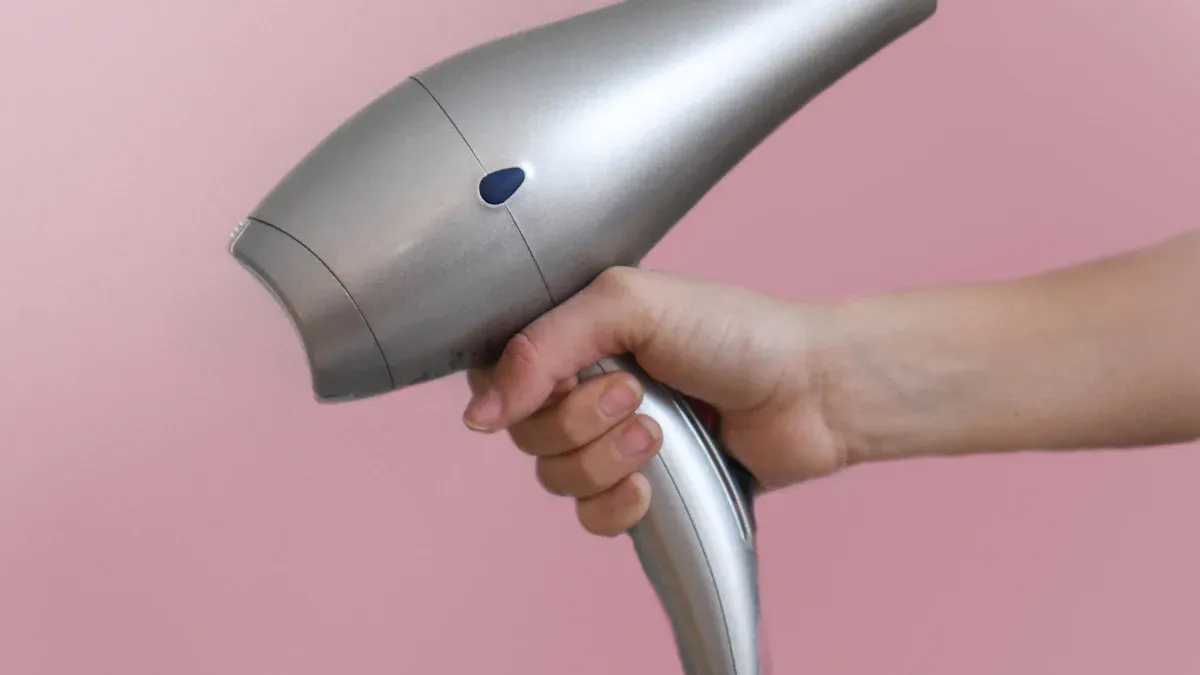
Mastering the art of diffusing curly hair begins long before the dryer is turned on. A successful outcome depends on proper preparation, specific techniques, and correct tool settings. This guide provides a systematic approach to achieving voluminous, defined curls.
Prepping Your Hair for Success
The foundation of a great diffusing session is well-prepped hair. This initial phase ensures hair is hydrated, protected, and ready for styling.
Cleansing and Conditioning
Individuals should start with a clean and moisturized canvas. Using products formulated for curly hair is essential. A thorough cleansing followed by a hydrating conditioner prepares the strands. After rinsing, applying a leave-in conditioner helps to lock in moisture before the diffusing process begins.
Applying Leave-In and Stylers
With the hair still wet, it is time to apply styling products. A common routine involves layering products to achieve hold and definition.
- Leave-in conditioner
- Curl cream
- Mousse or gel
These products work together to form a “cast” around the curls, which the diffusing process will set.
The Importance of Heat Protectant
Using a heat protectant is a non-negotiable step to safely diffuse hair. Heat protectants create a thermal barrier between the hair and the dryer. This barrier helps prevent moisture loss and smooths the hair cuticle. Applying a protectant is the most critical action to control damage and reduce frizz during diffusing.
Essential Diffusing Techniques
Different diffusing techniques yield different results. Combining methods can customize the final look, from maximum definition to enhanced volume.
Pixie Diffusing for Definition
Pixie diffusing is an active technique for encouraging tight, defined curls. It involves gathering a section of hair into the diffuser bowl and pressing it upwards toward the scalp. Holding it there for 30-60 seconds before turning the dryer off and moving to a new section helps set the curl pattern effectively. This method is excellent for creating springy curls.
Hover Diffusing for Less Frizz
Hover diffusing is a gentler approach. The user holds the diffuser several inches away from the hair, moving it around the head without touching the strands. This method is ideal for the first 5-10 minutes of diffusing to set the product cast without creating disruption, resulting in less frizz.
Root Clipping for Extra Lift
For those seeking more volume at the crown, root clipping is an effective addition. Small clips can be placed at the roots to lift them off the scalp before diffusing begins. The clips can remain in during the entire diffusing process to ensure the roots dry in a lifted position.
Choosing the Right Settings
The settings on the hair dryer are just as important as the technique. Incorrect settings can quickly turn defined curls into a frizzy mess.
Low Heat, Low Speed
The universal rule for diffusing is to use low heat and low speed. High heat can cause damage, while high speed blows curls around and disrupts their pattern. A gentle, warm airflow is all that is needed for effective diffusing.
Using the Cool Shot Button
The cool shot button is a powerful tool for finishing the style. After a section of hair is dry, a blast of cool air provides several benefits:
- Sets the Style: It “freezes” the hydrogen bonds in the hair, locking the curls in place for a longer-lasting style.
- Seals the Cuticle: The cool air helps close the hair cuticle, which enhances shine and smoothness.
- Minimizes Damage: It cools the hair down quickly after heat exposure, contributing to better overall hair health.
Using the cool shot on the roots and ends is the final step in a professional diffusing routine.
Mastering the Art of Air Drying for Healthy Curls
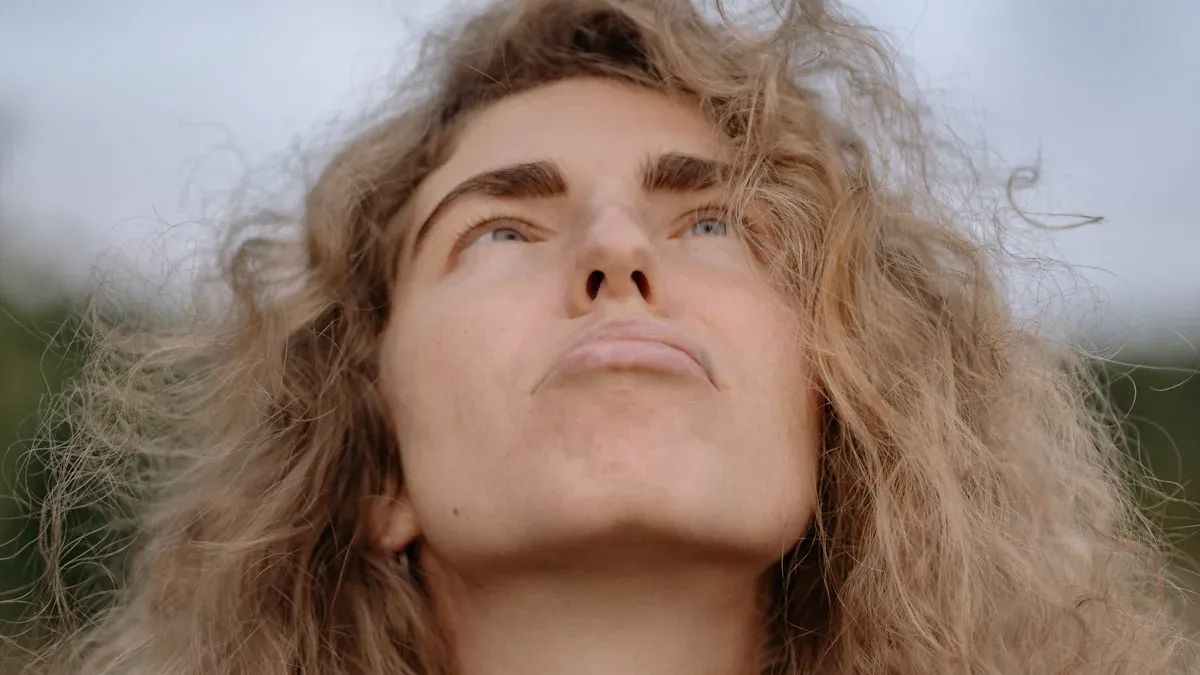
Achieving beautiful results from air-drying requires more than just letting nature take its course. A proper routine ensures that curly hair dries with definition, minimal frizz, and optimal health. Following a structured preparation and drying process is key to mastering this gentle method.
The Perfect Air-Dry Prep
The steps taken immediately after washing set the stage for a successful air-drying experience. This prep work is crucial to safely air dry hair without causing frizz or disrupting the curl pattern.
Squeezing Water with a Microfiber Towel
Traditional terry cloth towels have rough fibers that can disrupt the hair’s cuticle layer, leading to frizz and breakage. A person should instead use a microfiber towel or a smooth cotton t-shirt to gently squeeze excess water from the hair. This technique offers several advantages:
- It prevents the disruption of the natural curl pattern.
- It reduces frizz by not over-absorbing moisture from the curls.
- The smooth surface avoids roughing up the hair cuticle, which increases shine.
Applying Products to Damp Hair
Styling products are most effective when applied to damp, not soaking wet, hair. These products are designed to deliver polished results without heat. They address common concerns like frizz and lack of definition. Applying stylers like a leave-in conditioner, serum, or cream helps to seal in moisture and define the curls as they dry. Some effective air-dry products include:
- Dream Coat for Curly Hair
- Money Mist
- Flo-etry Vital Natural Curly Hair Serum
- Shook Mix + Fix Bundling Curly Hair Spray
- One-Minute Transformation Styling Cream
The “Plopping” Method
Plopping is a popular technique to encourage curl formation and reduce drying time. After applying products, a person lays their hair onto a microfiber towel or t-shirt, then wraps it securely on top of their head. This method helps to optimally bundle individual curl strands and maintain their shape during the initial drying phase. It allows the hair to dry without being weighed down by gravity.
Techniques for Better Air-Dried Results
Once the hair is prepped, the focus shifts to the drying process itself. Specific techniques help ensure the curls remain defined and frizz-free.
The “Hands-Off” Rule
The most important rule for air-drying is to avoid touching the hair as it dries. Constant touching can disrupt the curl clumps and create frizz.
The ‘hands-off’ rule for air drying means to avoid touching your hair while it’s drying. This is important for preventing frizz because disturbing the curls too much while they dry can lead to frizz.
Following this rule allows the product cast to set properly, locking in the curl shape.
Scrunching to Encourage Curls
While a hands-off approach is best, gentle scrunching can be done once the hair is completely dry. If a gel or mousse has created a stiff “cast,” scrunching the hair upwards toward the scalp will break the cast. This action releases soft, defined curls without creating frizz.
Protecting Hair While It Dries
The long duration of air-drying leaves hair vulnerable to environmental factors. To safely air dry, it is best to stay indoors if possible. This protects the hair from wind or humidity that can cause frizz and disrupt the style. If a person must go outside, wearing a silk-lined hat or using a protective hairstyle can shield the delicate, drying strands.
Troubleshooting Common Problems
Even with the right technique, challenges can arise. Understanding how to address common issues with both diffusing and air-drying ensures a great hair day is always within reach. This section provides solutions to the most frequent problems.
Fixing Issues with Your Diffuser Hair Dryer
How to Reduce Frizz
Frizz is a common complaint when using a diffuser hair dryer, but it is often preventable. The primary goal is to minimize disruption while the hair sets.
- Avoid Touching Hair: A person should avoid touching their hair while it is drying. Disturbing the strands disrupts the curl pattern and invites frizz. It is best to hover the diffuser first, then gently scrunch once a product cast forms.
- Change Head Position: Standing upright allows gravity to create frizz. Tilting the head forward and to the side while diffusing helps the roots set away from the scalp. This technique helps to reduce frizz.
How to Get More Root Volume
Flat roots can undermine an otherwise voluminous style. The key to lift is directing the airflow correctly during the diffusing process. A person should use the diffuser’s prongs to gently lift hair at the roots. Holding the diffuser in each section for about 20-30 seconds allows the roots to set in a lifted position, creating lasting volume.
What to Do for Stringy Curls
Stringy or undefined results often happen when the hair is not dried sufficiently. Leaving hair damp after a short diffusing session can cause curls to separate and lose their shape. To safely diffuse and achieve well-formed clumps, a person must commit to drying the hair until it is at least 80-90% dry. This ensures the style is properly set.
Solving Common Air Drying Issues
How to Combat Flat Roots
Gravity is the main enemy of volume when air-drying. The “plopping” technique is an excellent way to combat flat roots. By wrapping the hair on top of the head in a t-shirt, the curls dry in a scrunched position without being weighed down. This encourages volume at the crown.
How to Speed Up Drying Time
The long wait is a major drawback of air-drying. Certain products and techniques can accelerate the process.
- Apply a leave-in conditioner or styling cream to wet hair.
- “Plop” the hair in a cotton t-shirt for 10-20 minutes. This absorbs excess water without causing frizz.
- Use products with heat-conducting polymers or a traditional mousse to help wick away moisture and reduce drying time.
How to Prevent a Stiff or Crunchy Cast
A stiff cast from gel or mousse is a sign the product is working to hold the curl shape. It is not a permanent state. Once the hair is 100% dry, a person can gently scrunch their hair upwards. This action, often called “scrunching out the crunch,” breaks the cast to reveal soft, defined curls.
A diffuser hair dryer excels at styling, delivering unmatched volume and definition. In contrast, air-drying remains the champion for hair health, offering a simple, heat-free routine. The best choice is personal and requires balancing styling goals with hair care priorities. Experts recommend individuals find this balance by:
- Minimizing heat styling and always using a heat protectant.
- Handling wet hair gently with wide-toothed combs and microfiber towels.
- Embracing their natural texture with products that define and nurture.
Ultimately, experimenting with both methods helps a person discover what makes their curly hair thrive.
FAQ
Can diffusing cause hair damage?
Yes, diffusing can cause heat damage if done improperly. A person must use low heat and low speed settings. Applying a quality heat protectant before drying is essential to create a barrier that minimizes potential harm to the hair strands.
Is air-drying always better for hair health?
Air-drying eliminates heat damage, making it a very healthy option. However, hair is weaker when wet. Prolonged dampness can strain the hair’s internal structure. The best method depends on balancing heat risks with the time hair remains wet.
How long should a person diffuse their hair?
A typical diffusing session lasts between 15 to 30 minutes. The goal is to dry the hair to at least 80-90%. This ensures the curl pattern sets properly and prevents curls from falling flat or becoming stringy later.
Can people with straight hair use a diffuser?
Yes, a diffuser can benefit straight or wavy hair. It helps to add natural volume and texture without creating frizz. The gentle, dispersed airflow lifts the roots and can encourage a subtle wave pattern in hair that is not perfectly straight.
What is the “plopping” method?
Plopping is a technique used before air-drying. A person lays their wet, product-coated hair onto a t-shirt or microfiber towel. They then wrap it on top of their head. This method helps curls form without gravity weighing them down.
Why do my curls look crunchy after drying?
A crunchy feeling, or “cast,” comes from styling products like gel or mousse. This is a good sign, as it means the product is holding your curl shape.
Once the hair is 100% dry, a person can gently scrunch the curls to break the cast, revealing soft, defined hair.