

The market for cordless hair dryers shows impressive growth, with a projected CAGR of 9.72% through 2035, underscoring the demand for travel convenience. Users select a cordless hair dryer based on its battery life. These cordless dryers offer mobility freedom but have limitations. Even a modern BLDC hair dryer from a leading hair dryer manufacturer cannot match a corded AC hair dryer‘s power. A hair dryer factory designs each cordless hair dryer for portability. Proper planning for battery charging is essential for using these battery-powered hair dryers effectively during travel. These battery-powered hair dryers are useful battery-powered hair dryers.
Choosing the Right Cordless Hair Dryer for Outdoor Adventures
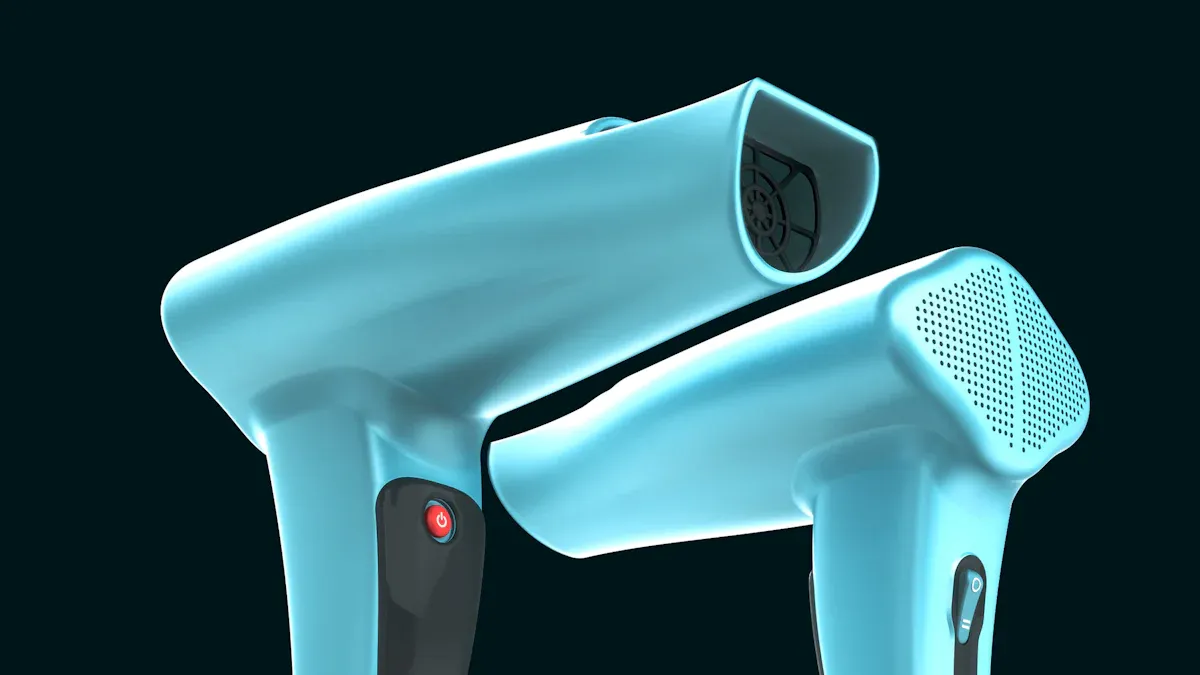
Choosing the right cordless hair dryer is the first step toward successful off-grid hair care. Travelers must balance battery performance, drying power, and physical design. This decision ensures the device meets their specific needs for any adventure. Frequent travelers and tech-savvy individuals prioritize portability and convenience. These users appreciate the freedom from power outlets that battery-powered hair dryers provide. Their cord-free design is a major benefit for on-the-go use during camping trips or at airports. Making an informed choice prevents disappointment and enhances the outdoor utility of the appliance.
Battery Life vs. Drying Time: What You Really Need
The battery is the heart of any cordless appliance. A user’s satisfaction with battery-powered hair dryers often depends on whether the runtime aligns with their personal drying routine. Understanding the relationship between battery capacity and real-world usage is critical.
Calculating Your Personal Drying Time
Before purchasing, a user should determine their own drying time. A simple test at home provides a valuable baseline. They can time their routine with a standard corded dryer from start to finish. This number helps them select a cordless model with an adequate battery. For example, a person needing 10 minutes of drying time can confidently choose a model offering a 15-minute runtime on high heat.
Understanding Battery Ratings (mAh vs. Wh)
Manufacturers list battery capacity in milliamp-hours (mAh) or watt-hours (Wh). While both are useful, watt-hours offer a more complete picture of a battery’s total energy output.
Pro Tip: Watt-hours (Wh) are calculated by multiplying milliamp-hours (mAh) by the voltage (V) and dividing by 1,000. A higher Wh rating almost always translates to a longer runtime, making it a more reliable metric for comparing different dryers.
Comparing Runtimes on High vs. Low Settings
Cordless dryers offer different performance levels based on the setting. High heat settings consume battery power rapidly. Low heat or cool air settings significantly extend the operational time. Modern battery-powered hair dryers show great improvements over older models.
| Heat Setting | Typical Runtime |
|---|---|
| Hot Air (High) | 10-20 minutes |
| Hot Air (Low) | 30-40 minutes |
A low heat setting can provide up to 30-45 minutes of operation. A high heat setting typically lasts only 12-25 minutes before performance drops. This trade-off is a key consideration for any user.
How Cold Weather Affects Battery Performance
Campers and cold-climate travelers must account for temperature. Lithium-ion batteries, the standard in most battery-powered hair dryers, lose efficiency in cold conditions. A cordless hair dryer that offers a 15-minute runtime at room temperature may only provide 10-12 minutes of use near freezing temperatures. Users should keep their dryers inside a sleeping bag or insulated pack to preserve battery performance.
Power and Heat: Managing Expectations for Off-Grid Styling
A cordless hair dryer will not replicate the intense heat and airflow of a salon-grade corded model. Its design prioritizes portability over raw power. Users must manage their styling expectations and adapt their techniques for an off-grid environment.
The Wattage Difference: Cordless vs. Corded
The power gap between corded and cordless dryers is significant. Most corded models operate at high wattages for fast, efficient drying. Cordless hair dryers use much lower wattage to conserve the battery. This fundamental difference impacts both heat output and airflow.
| Feature | Corded Hair Dryers | Cordless Hair Dryers |
|---|---|---|
| Power Output | 1800-2500+ watts | Under 600 watts |
This lower power means drying times will be longer. Even premium cordless models struggle to match the sustained output of their corded counterparts.
Why Multiple Heat and Speed Settings Matter
Multiple settings on a cordless dryer are not just for styling versatility; they are essential for battery management. Using a lower speed or heat setting is the most effective way to extend runtime. A high-speed, high-heat setting should be reserved for quick blasts on stubborn sections. The ability to switch to a low-power mode allows users to complete their routine without draining the battery prematurely.
The Cool Shot Feature: A Battery-Saving Hero
The cool shot button is an underrated feature on battery-powered hair dryers. It deactivates the heating element, which is the single largest consumer of battery power. By using the cool shot to set a style or for the final minutes of drying, users can dramatically extend their available runtime. It provides airflow without the heavy power draw, making it a smart tool for conservation.
Are They Powerful Enough for Thick or Long Hair?
This is a common concern for many potential buyers. While a cordless model can dry thick or long hair, the process requires patience.
- Corded dryers use powerful AC motors. They generate strong, steady airflow that lifts hair and speeds up evaporation.
- Cordless dryers often use smaller, energy-efficient DC motors. These produce less airflow and may struggle to create significant volume.
- Many cordless models reduce power as the battery drains, which can lead to inconsistent results.
Users with thick hair should prioritize pre-drying with a towel and plan for a longer drying session.
Portability and Durability: Keys to a Great Travel Dryer
A great cordless hair dryer for travel must be easy to pack and tough enough to withstand the journey. Portability is a key consideration for a travel-friendly blow dryer. The physical design and materials are just as important as the battery inside.
Ideal Weight and Size for Packing
When every ounce matters, a lightweight and compact dryer is essential. The ideal travel dryer weighs under 1.5 pounds (around 680 grams) and is small enough to fit in a carry-on or backpack without consuming excessive space. Portability requires a lightweight design that does not take up much room in luggage.
The Benefit of Foldable Handles and Compact Designs
A foldable handle is a hallmark of excellent travel-focused design. This single feature can cut the dryer’s storage footprint nearly in half, making packing much simpler. This design element significantly enhances convenience and ease of storage, improving overall portability.
Evaluating Build Materials for Durability
The bumps and drops of travel demand a durable device. Many high-quality dryers are constructed from ABS (Acrylonitrile Butadiene Styrene) plastic. This material is valued for its impact resistance and heat resistance, contributing to the long-term durability of the product. A sturdy build ensures the dryer can handle the rigors of outdoor adventures and frequent packing.
Assessing Included Travel Cases and Accessories
A complete package often includes travel-friendly accessories. A padded or hard-shell case provides crucial protection for the dryer and its charging port. Look for models that come with a case, a concentrator nozzle, and organized storage for cables. These additions protect the investment and keep everything tidy during travel.
Powering Your Dryer on the Go: A Practical Guide
A cordless hair dryer is only as good as its battery. Smart power management is crucial for travelers who want reliable performance away from home. Proper preparation before a trip and strategic recharging during an adventure will ensure the device is always ready for use. These battery-powered hair dryers require a thoughtful approach to power.
Pre-Trip Prep: Maximizing Your Charge at Home
Successful outdoor use begins with preparation at home. Maximizing the battery health of battery-powered hair dryers from the very first charge ensures longevity and dependable runtime.
Best Practices for the First Charge
Users should follow specific best practices to protect the lithium-ion battery in their cordless dryers. These tips extend the battery’s lifespan significantly.
- Follow the 20-80% Rule: A user should aim to keep the battery charge between 20% and 80%. Constantly charging to 100% or draining to 0% creates stress. This practice keeps the battery in a low-stress state.
- Control Temperature: A person should charge the device at room temperature (68°F to 77°F). Extreme cold or heat damages the battery and reduces its capacity.
- Use the Correct Charger: Always use the manufacturer’s recommended charger. Incompatible chargers can cause damage or safety hazards.
Understanding Charging Ports: USB-C vs. Proprietary
Many modern cordless hair dryers feature a USB-C charging port. This universal standard allows users to charge their dryers with the same cable they use for a phone or laptop, reducing clutter. Proprietary chargers are less convenient but are specifically designed for the device. Most cordless dryers take between 1.5 to 4 hours to fully charge from empty.
How to Check Your Dryer’s Charge Level
Most battery-powered hair dryers include LED indicator lights. These lights typically show the remaining battery level, either with a series of dots or by changing color. A user should consult the manual to understand what each indicator means. This feature is vital for planning usage and recharging sessions.
Packing the Correct Wall Adapter and Cables
A traveler must remember to pack the correct wall adapter and charging cable. Forgetting these essential items can render a cordless dryer useless. It is a good practice to have a dedicated pouch for the dryer’s charging accessories.
Recharging in the Wild: Your Off-Grid Power Options
Recharging battery-powered hair dryers in an outdoor setting requires a power source. Travelers have several options for keeping their cordless dryers powered up.
Selecting a Power Bank for Your Hair Dryer
A standard phone power bank will not charge a cordless hair dryer. These dryers require a high-wattage portable power station. A user must check the dryer’s power requirements and choose a power station with sufficient output.
Using Solar Chargers: A Guide to Harnessing the Sun
Solar chargers offer a sustainable way to top off a battery. This method is slow and dependent on weather. It is best used for maintaining a charge rather than performing a full recharge. It can serve as an emergency backup power source.
Turning Your Car into a Charging Station
A car’s 12V outlet can become a charging station with the right inverter. An inverter converts the car’s DC power to AC power. This allows a user to plug in the dryer’s standard wall charger for a reliable recharge.
Using Power at Campgrounds and Hostels
Many developed campgrounds and hostels offer access to electrical outlets. This is the most straightforward way to recharge battery-powered hair dryers. A traveler should take advantage of these opportunities whenever they are available.
Battery Conservation Tips for Cordless Hair Dryers
Extending the runtime of a cordless device is key for multi-day trips. Simple technique adjustments can make a significant difference in battery performance.
Extending Runtimes with Lower Settings
Using the dryer on a low-heat or low-speed setting is the most effective way to conserve battery. This simple change can often double the available runtime, making it one of the most useful tips.
The “Pulse and Dry” Technique
The “pulse and dry” technique involves running the dryer in short bursts instead of continuously. A user can direct airflow at a section of hair for a few seconds, then stop to let the heat work. This method reduces overall power consumption.
Avoiding a Complete Battery Drain
A user should avoid letting the battery drain to 0%. Deep discharging can cause permanent damage and shorten the battery’s lifespan. It is best to recharge the device when it reaches around 20% capacity.
Proper Storage for Optimal Battery Health
For long-term storage between trips, a user should not leave the battery fully charged or completely empty. Storing the cordless device with a partial charge (around 50%) in a cool, dry place preserves battery health. These storage tips ensure the dryer is ready for the next adventure.
How to Use Your Cordless Hair Dryer Effectively on Your Travel
Using a cordless hair dryer effectively during travel involves more than just turning it on. Smart techniques can significantly extend battery life and improve styling results, even with lower power. These tips help users maximize the performance of their battery-powered hair dryers.
Pre-Drying Techniques to Minimize Battery Use
The most effective way to conserve battery power is to reduce the amount of work the dryer has to do. Proper preparation is essential for all cordless dryers.
The Microfiber Towel Method for Maximum Water Absorption
A user should start by towel-drying their hair with a microfiber towel. These towels are highly absorbent and can remove a significant amount of excess water, far more than a standard cotton towel. Less water in the hair means less time needed from the cordless hair dryer.
The 80% Rule: Air-Dry First
Patience is a virtue when using battery-powered hair dryers. A traveler should let their hair air-dry until it is about 80% dry before reaching for the device. This single step dramatically cuts down on the required runtime, saving precious battery for final styling.
Sectioning Hair for Faster, More Efficient Drying
Sectioning hair keeps it organized and makes the entire drying process faster. Dividing hair into manageable sections allows a user to focus on one area at a time for more even and efficient results.
- Quadrant Sectioning: A person can divide hair into four parts by parting it down the middle and then across the crown.
- Horizontal Layers: Another technique is to section hair horizontally from the nape of the neck upwards, releasing one layer at a time.
- Hair Type Matters: Users with thick hair should use more sections to distribute heat evenly, while those with fine hair can focus on top sections to build volume.
Using a Wide-Tooth Comb to Detangle and Prep
Before starting the drying process, a user should gently run a wide-tooth comb through their hair. This detangles knots and separates strands, allowing air from the cordless dryers to circulate more freely and speed up drying time.
Styling Tips for Lower Heat and Airflow
Styling with a cordless device requires adjusting techniques to suit lower heat and airflow. These tips help achieve great results without draining the battery.
Focusing on Roots to Build Volume
To create volume, a user should concentrate the airflow at the roots. Lifting the hair and drying the roots first provides a lift that lasts, without needing to blast the entire length of the hair with high heat.
Using the Cool Shot to Set Your Style
The cool shot button is a powerful tool. After a section is dry and styled, a blast of cool air helps to lock the style in place. This feature uses minimal battery power compared to the heating element, making it an efficient finishing touch.
Maximizing Airflow with Concentrator Nozzles
Many cordless hair dryers come with travel-friendly accessories like a concentrator nozzle. This attachment focuses the airflow into a concentrated stream, making the lower-power dryers more effective for smoothing and styling specific sections.
Embracing a Natural, Travel-Friendly Hairstyle
The best approach for travel is often to embrace a more natural look. A user can opt for styles that require minimal heat, such as beachy waves or a simple, smooth finish. This reduces reliance on the device and celebrates a carefree travel aesthetic. Good packing is key to portability.
Packing and Protecting Your Investment
Proper packing protects cordless hair dryers from the rigors of travel and ensures they are ready for use. Good organization enhances portability.
Why You Need a Hard or Padded Case
A hard or padded case is non-negotiable for protecting a cordless device. It shields the dryer from bumps, drops, and compression inside a backpack or suitcase, preventing damage.
Protecting the Charging Port from Dirt and Debris
When camping or hiking, dirt and sand can easily get into the charging port. A user should ensure the port is covered, either with a built-in plug or by storing the device in a protective case.
Keeping Chargers and Cables Organized
A small pouch or cable tie is perfect for keeping the charger and cables organized. This simple packing step prevents tangles and ensures these essential items are not lost.
How to Keep Your Dryer Dry in Your Pack
A user must protect their battery-powered hair dryers from moisture. Storing the device in a dry bag or a sealed plastic bag inside a backpack is a simple way to keep it safe from rain or accidental spills.
Top Recommended Battery-Powered Hair Dryers for Campers
Selecting the right model from the many available cordless hair dryers is key to a successful trip. Different battery-powered hair dryers cater to specific needs, from high-speed performance to budget-friendly convenience. This guide reviews three distinct types of cordless dryers to help travelers make an informed choice.
The High-Speed Minimalist: YALICE Cordless Hair Dryer
This cordless hair dryer prioritizes speed and a lightweight design, making it a strong contender for minimalist packers.
Key Specs: Battery Life, Weight, Size
- Battery: Approximately 15-20 minutes of runtime on high heat.
- Weight: Around 1.3 lbs (590g).
- Size: Features a compact body with a foldable handle for maximum portability.
Pros for Camping and Travel
The primary advantage is its excellent power-to-weight ratio. Its high-speed motor dries hair faster than many other cordless models. The foldable design enhances its portability, allowing it to fit easily into a backpack or carry-on.
Cons and Limitations
The high-speed motor consumes battery quickly. Users will experience a significantly shorter runtime on the highest settings. These dryers may not be powerful enough for very thick hair, requiring longer drying sessions that strain the battery.
Who Is This Dryer Best For?
This device is ideal for travelers with short to medium-length hair who prioritize quick drying and packability. It suits campers who need an efficient tool for a short period and value a lightweight pack.
The All-Round Performer: VOLO Go Cordless Infrared Dryer
The VOLO Go represents a premium category of battery-powered hair dryers, focusing on hair health and energy efficiency.
Key Specs: Battery Life, Wattage, Heat Technology
The VOLO Go Cordless Infrared Dryer is a portable, salon-quality device using innovative infrared heat. Its quartz infrared bulb delivers radiant heat that penetrates each strand, making it gentle on hair. This technology makes the cordless device three times more energy-efficient than traditional dryers, helping hair dry quickly for soft, smooth results.
Pros for Camping and Travel
Its infrared technology provides effective drying without extreme heat, preserving hair health. The impressive energy efficiency extends its runtime. The unique, low-profile charging station includes a USB port, allowing users to charge other devices simultaneously.
Cons and Limitations
These advanced battery-powered hair dryers come with a premium price tag. The unit and its charging station are also bulkier than minimalist options, which may be a concern for ultralight travel.
Who Is This Dryer Best For?
This dryer is best for users who want salon-quality results on the go and are willing to invest in advanced technology. It is excellent for those with long, thick, or color-treated hair who need gentle yet effective drying.
The Budget-Friendly Option: Generic USB-C Rechargeable Dryer
Many manufacturers produce affordable battery-powered hair dryers that offer basic functionality for casual use.
Key Specs: Battery, Portability, Features
Note: Specs vary widely, but most models offer a 15-30 minute runtime, USB-C charging, and simple high/low/cool settings. They are typically lightweight and compact.
Pros for Camping and Travel
The main benefit is affordability. The inclusion of a USB-C charging port is a major advantage, as it allows users to charge the device with the same cables used for phones and laptops, reducing clutter.
Cons and Limitations
These budget dryers often have low-power motors and weak heating elements, leading to long drying times. Build quality can be inconsistent, and the battery may degrade faster than in premium models.
Who Is This Dryer Best For?
These battery-powered hair dryers are suitable for budget-conscious travelers, backpackers needing a tool for occasional use, or anyone who wants a simple backup device without a significant financial commitment.
Safety and Maintenance for Longevity
Proper care ensures a cordless hair dryer remains a reliable travel companion. Following safety protocols and maintenance tips protects the user and extends the device’s lifespan, making it a worthwhile investment for any adventurer.
Safe Usage in Outdoor Environments
Using electronics in an outdoor setting requires special attention. Users must prioritize safety to prevent accidents and device damage.
Using Your Dryer Safely Inside a Tent
A user should ensure adequate ventilation when operating battery-powered hair dryers inside a tent. Heat buildup can pose a risk. It is best to keep the dryer away from flammable materials like sleeping bags or tent walls.
Keeping the Device Dry and Away From Water
Water and electronics do not mix. A traveler must always keep their cordless dryers away from rain, puddles, and even heavy morning dew. Storing the device in a waterproof bag provides an essential layer of protection.
Following Manufacturer Instructions
Every cordless hair dryer comes with a manual detailing specific operational and safety guidelines. A user should always read and follow these instructions to ensure correct and safe usage.
Checking for Damage Before Each Use
Before each use, a person should quickly inspect their cordless device for any signs of damage, such as cracks in the casing or a frayed charging port. Using a damaged device can be hazardous.
Navigating Air Travel with Your Cordless Hair Dryer
Flying with battery-powered hair dryers involves following strict TSA regulations. Understanding these rules is crucial for a smooth airport experience.
TSA Rules: Carry-On vs. Checked Luggage
The TSA has specific rules for devices containing lithium-ion batteries. Most cordless dryers must be in carry-on luggage. The TSA provides clear guidance on this.
| Category | Carry-On Luggage | Checked Luggage |
|---|---|---|
| Devices with Lithium-Ion Batteries | Should be kept in accessible carry-on baggage. | Must be turned completely off and protected from damage. |
| Spare (uninstalled) Batteries | Must be in carry-on baggage only. | Prohibited. |
Packing for a Flight: Power Off and Secure
When packing, a user must ensure the cordless hair dryer is completely turned off. It should be secured in a case to prevent it from accidentally turning on. This is a key TSA requirement.
Understanding Lithium Battery Restrictions
TSA regulations limit the size of the battery a traveler can bring. Most cordless dryers fall under the 100 Watt-hour (Wh) limit and do not require airline approval.
TSA Alert 📢: For dryers with a larger battery (101-160 Wh), a traveler must get airline approval before flying. The TSA enforces these rules strictly.
Declaring Your Device if Required
If a TSA agent asks about electronics, a traveler should be prepared to present their device for inspection. Honesty and compliance make the process easier. These tips help navigate TSA checkpoints.
Long-Term Care and Maintenance
Longevity depends on proper care. These maintenance tips will keep battery-powered hair dryers in top condition for every outdoor adventure.
How to Clean the Filter and Vents
A clean filter ensures optimal airflow and prevents overheating. A user should clean the vents on their dryers regularly.
- Ensure the device is off and cool.
- Locate and remove the rear filter cover.
- Use a small, soft brush to gently remove lint and debris.
- If washable, rinse the filter and let it dry completely.
- Reattach the filter cover securely.
Storing Your Dryer Between Trips
Proper storage preserves battery health. A user should store their cordless dryers with a partial charge, around 50%, in a cool, dry place. This practice minimizes battery degradation over time.
What to Do if Your Dryer Gets Wet
If a dryer gets wet, a user must not turn it on. They should immediately disconnect any power source, remove the battery if possible, and let all components dry completely for several days before attempting to use it again.
Troubleshooting Common Issues
If the dryers malfunction, the user manual is the first resource. It often contains a troubleshooting guide for common problems related to power, heat, or battery performance.
Success with cordless hair dryers for outdoor use depends on choosing a portable model with a suitable battery. A traveler must plan their recharging strategy for consistent cordless performance during travel. Employing energy-efficient drying techniques maximizes the device’s battery life. With the right preparation, a cordless hair dryer becomes a practical luxury, making any cordless adventure more comfortable.
FAQ
Can I use a cordless hair dryer while it is charging?
Most cordless hair dryers do not function while plugged in. This safety feature prevents the battery from overheating during a charging cycle. A user should always check the specific model’s instruction manual for its operational guidelines.
How long does a cordless hair dryer battery really last?
Battery performance depends on the setting. A user can expect 10-20 minutes of runtime on high heat. Using lower heat or the cool shot feature significantly extends this, often providing 30-45 minutes of operation.
Are cordless hair dryers allowed on airplanes? ✈️
Yes, but they must be in carry-on luggage. TSA regulations require devices with lithium-ion batteries to be kept in the cabin. A traveler must ensure the dryer is completely powered off and secured to prevent it from turning on accidentally.
Will a cordless dryer work for very thick or curly hair?
A cordless dryer can manage thick hair, but it requires specific techniques. A user should maximize pre-drying with a towel and let hair air-dry to about 80% first. Sectioning the hair also ensures more efficient and even drying.
What is the best way to charge a cordless dryer while camping?
The most effective methods involve a portable power source.
- A high-wattage portable power station.
- A car’s 12V outlet with a power inverter.
- Electrical hookups at a developed campground.
Note: Standard phone power banks are not powerful enough to charge a hair dryer.
How do I clean my cordless hair dryer?
A user should regularly clean the rear air intake filter. They can remove the filter cover and use a small, soft brush to gently clear away any lint or debris. This simple maintenance step ensures optimal airflow and device longevity.
Is a cordless hair dryer as powerful as a regular one?
No, a cordless dryer is significantly less powerful. Corded models operate at 1800+ watts, while cordless versions use under 600 watts to conserve battery. This means a user should expect longer drying times and less intense heat.