

Choosing the perfect travel hair dryer requires balancing four key features: dual-voltage capability, compact size, low weight, and sufficient wattage. These elements ensure the dryer is a reliable and space-saving companion. A leading hair dryer manufacturer or hair dryer factory now produces advanced models, like the BLDC hair dryer, to meet this demand. This innovation contributes to significant market growth, with revenue projected to climb from USD 19.5 billion in 2024 to USD 27.8 billion by 2030, a stark contrast to the traditional AC hair dryer.
| Metric | Value |
|---|---|
| Market Size Value in 2024 | USD 19.5 Billion |
| Revenue Forecast in 2030 | USD 27.8 Billion |
| Overall Growth Rate (2024-2030) | CAGR of 5.5% |
The #1 Rule of International Travel: Understanding the Dual Voltage Hair Dryer
A traveler’s most critical tool for hair care abroad is one that adapts to local power grids. Understanding voltage is not just a technical detail; it is a fundamental requirement for safety and device longevity. Ignoring this rule can lead to a ruined hair dryer and a frustrating start to any trip.
What is Dual-Voltage and Why is it a Non-Negotiable?
A dual-voltage appliance is an electrical device designed to operate safely on different power standards. Modern electronics like phone chargers often adjust automatically, but a travel hair dryer typically requires manual adjustment. This feature is non-negotiable for anyone traveling between regions with different electrical systems.
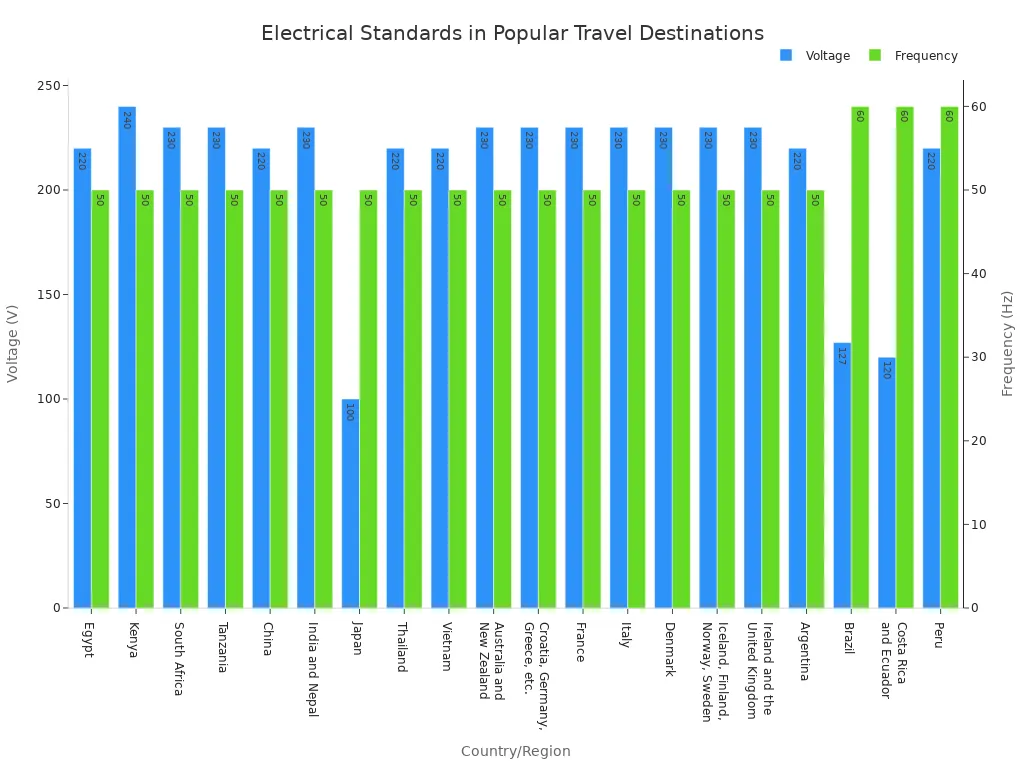
Decoding Voltage: 110-120V vs. 220-240V
The world primarily uses two voltage standards. North America and Japan use a lower voltage, around 110-120 Volts (V). Most of Europe, Asia, Africa, and Australia use a higher voltage, typically 220-240V. The frequency also varies between 50 Hertz (Hz) and 60Hz, though this rarely affects modern hair dryers.
The Risks of Using a Single-Voltage Dryer Abroad
Plugging a single-voltage (110-120V) hair dryer into a 220-240V outlet sends double the intended electricity into its components. This surge will quickly overheat the motor and heating elements, often causing the device to burn out, spark, or even catch fire. This mistake permanently damages the appliance and creates a serious safety hazard.
How Dual-Voltage Prevents Damage and Hazards
A dual voltage hair dryer contains specialized circuitry that adapts to the incoming power. This is achieved through one of two methods:
- Manual Switching: The user physically toggles a switch. This action reconfigures the internal heating elements from a parallel connection (for 110V) to a series connection (for 220V), ensuring safe operation.
- Automatic Switching: Advanced models use sensors to detect the voltage and adjust the internal circuits instantly without user intervention.
How to Identify and Use a Dual-Voltage Hair Dryer
Properly identifying and operating a dual-voltage hair dryer is simple once a user knows what to look for.
Finding the Voltage Information on the Dryer
The voltage rating is printed directly on the hair dryer’s body or handle. Look for text that specifies a range, such as INPUT: 110-120V / 220-240V or 125/250V. If it only lists a single voltage (e.g., 120V), it is not suitable for international travel to high-voltage regions.
Operating the Voltage Switch
Most models feature a small, recessed switch. This switch often has markings for “125” and “250”. Users can turn it with a coin, a key, or a small screwdriver.
Pro Tip: Always set the voltage switch before you leave home. This prevents you from forgetting and accidentally plugging your dryer into a foreign outlet on the wrong setting.
Don’t Forget the Plug Adapter
Voltage compatibility is only half the battle. The physical plug shape also varies globally (e.g., Type A in the US, Type G in the UK, Type F in Germany). A plug adapter does not change the voltage; it simply allows the dryer’s prongs to fit into the foreign wall socket. Travelers must pack the correct adapter for their destination.
Pack Smarter: Prioritizing Portability, Size, and Weight
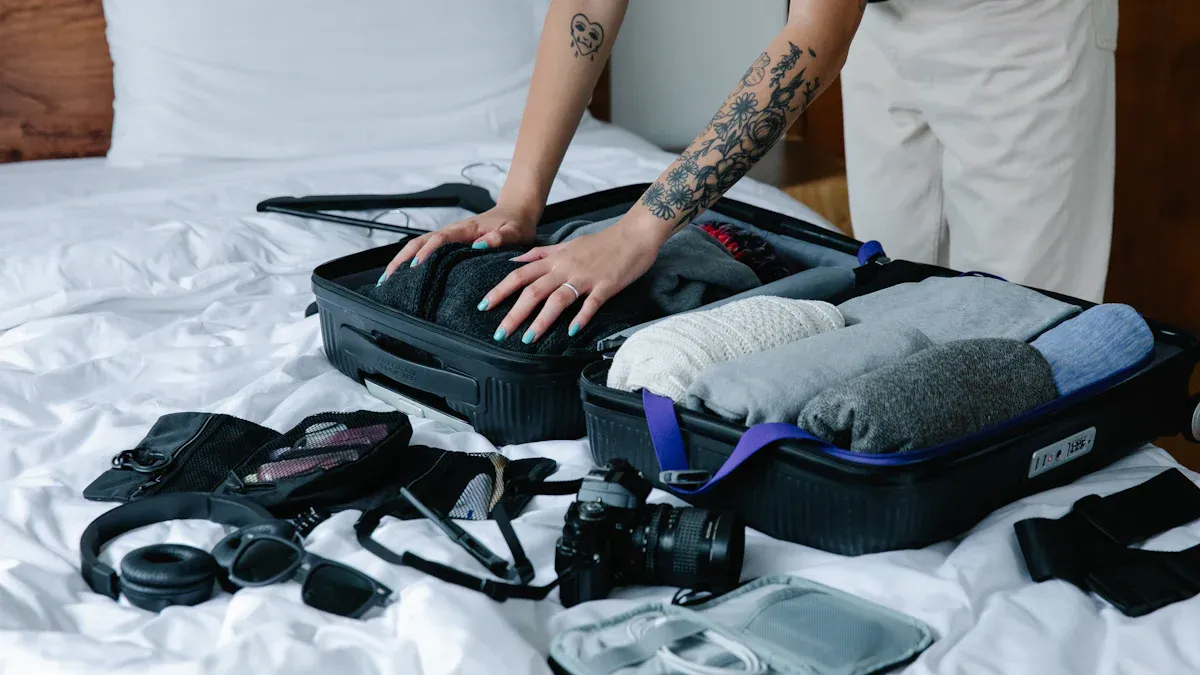
A travel hair dryer must earn its place in a suitcase. Every inch and ounce counts, especially with airline baggage restrictions. Prioritizing a portable design ensures travelers have the styling power they need without sacrificing space for other essentials. A compact and lightweight model is the cornerstone of efficient packing.
The Magic of a Foldable Handle
The most effective space-saving feature is a foldable handle. This simple mechanism transforms a bulky tool into a packable one, making it a must-have for savvy travelers.
Maximizing Luggage Space
A foldable handle dramatically reduces a dryer’s footprint. This design allows the device to fit easily into a shoe, a side pocket, or a packed cosmetic bag. Foldable handle hair dryers reduce overall length by 25-47% compared to fixed-handle models. This significant reduction frees up valuable luggage real estate for souvenirs, extra outfits, or other travel necessities.
Comparing Foldable vs. Fixed Designs
The difference between a foldable and a fixed handle becomes clear when comparing their dimensions. A foldable design offers superior packability, a critical advantage for anyone trying to travel light.
| Feature | Foldable Handle Dryer | Fixed Handle Dryer |
|---|---|---|
| Length (collapsed) | 7–8 inches | 9–12 inches |
| Overall Length Reduction | Up to 40% | N/A |
How Much Should a Travel Hair Dryer Weigh?
Weight is just as important as size. A heavy hair dryer can quickly consume a significant portion of a carry-on weight allowance, leading to unwanted fees at the airport.
The Ideal Weight Range for Portability (Under 1.5 lbs)
A great lightweight travel hair dryer typically weighs under 1.5 pounds (approximately 680 grams). Many models are even lighter, weighing around one pound. This minimal weight ensures the dryer adds little burden to a traveler’s luggage.
How Weight Impacts Your Overall Luggage Allowance
Airlines, particularly budget carriers, enforce strict weight limits for both carry-on and checked bags. Choosing a heavy hair dryer could mean leaving behind other important items. A lighter device provides more flexibility and helps travelers avoid overweight baggage fees.
Beyond Folding: Other Compact Design Features
Modern engineering has introduced several other features that enhance portability. These thoughtful additions make a compact hair dryer even more convenient for life on the road.
Retractable Cords
A retractable cord is a game-changer for organization. With the press of a button, the cord disappears into the dryer’s handle. This feature prevents tangled messes and protects the cord from damage during transit.
Included Travel Pouches or Cases
Many models come with a dedicated travel pouch or case. These accessories serve two key purposes:
- They keep the dryer and its attachments neatly organized in one place.
- They provide a layer of protection against scratches and impacts inside a suitcase.
Some brands also offer innovative features like magnetic attachments for easy storage and quiet operation for use in shared spaces.
Performance on the Go: Wattage and Power Explained
A travel dryer’s effectiveness hinges on its power, measured in watts. Wattage determines both the motor’s speed and the heating element’s temperature. Finding the right balance between power and portability is crucial for achieving great results without damaging hair or overloading a suitcase.
Finding the Right Wattage for Your Hair Type
Matching the dryer’s wattage to a user’s hair type ensures efficient drying while minimizing heat exposure. This balance is key to maintaining hair health on the road.
Why Travel Dryers Have Lower Wattage
Travel dryers typically have lower wattage than their full-size counterparts. This is an intentional design choice. A lower-power motor is smaller and lighter, which directly contributes to a more compact and portable appliance—the primary goal for any travel tool.
Wattage Guide for Fine or Thin Hair (1000-1200W)
For travelers with fine or thin hair, a dryer in the 1000-1200 watt range is ideal. This power level generates sufficient heat and airflow to dry hair effectively without causing damage or flattening delicate strands. A dryer reaching approximately 140°F (60°C) provides gentle, even heat.
Wattage Guide for Normal to Thick Hair (1200-1600W)
Users with normal to thick hair should look for models in the 1200-1600 watt range. This provides the extra power needed to dry denser hair in a reasonable amount of time. It offers a strong balance of performance and portability, making it a versatile choice for many travelers.
Can You Use a High-Wattage Dryer for Travel?
While a high-wattage dryer (1800W+) dries hair faster, it is often not the best choice for travel. These models are typically larger, heavier, and may not be dual-voltage. The intense heat can also be damaging if not used carefully, making a dedicated travel hair dryer a safer and more practical option.
The Importance of Multiple Heat and Speed Settings
Wattage is only part of the performance equation. Control over heat and airflow is essential for both styling and hair protection.
Why One Setting Isn’t Enough
A single, fixed setting offers no flexibility. Hair requires different levels of heat and airflow during the drying process. A good styling routine involves an initial rough dry followed by more controlled styling, which is impossible with only one option.
Using Lower Heat to Protect Hair
Using a lower heat setting is one of the best ways to prevent damage. It is especially important for those with fine, brittle, or chemically treated hair.
Hair Health Tip: Low heat helps the hair retain its natural moisture, reduces frizz, and protects color-treated strands from fading. It minimizes potential damage to the hair’s cuticle and cortex.
Using Higher Speeds for Faster Drying
Higher speed settings are useful for quickly removing excess water from the hair. A professional technique involves starting with high speed and medium heat to get hair about 80% dry. Afterward, a user should switch to lower speed and heat settings for the final, gentle styling phase to shape the hair and reduce frizz.
Advanced Features for Salon-Worthy Travel Hair
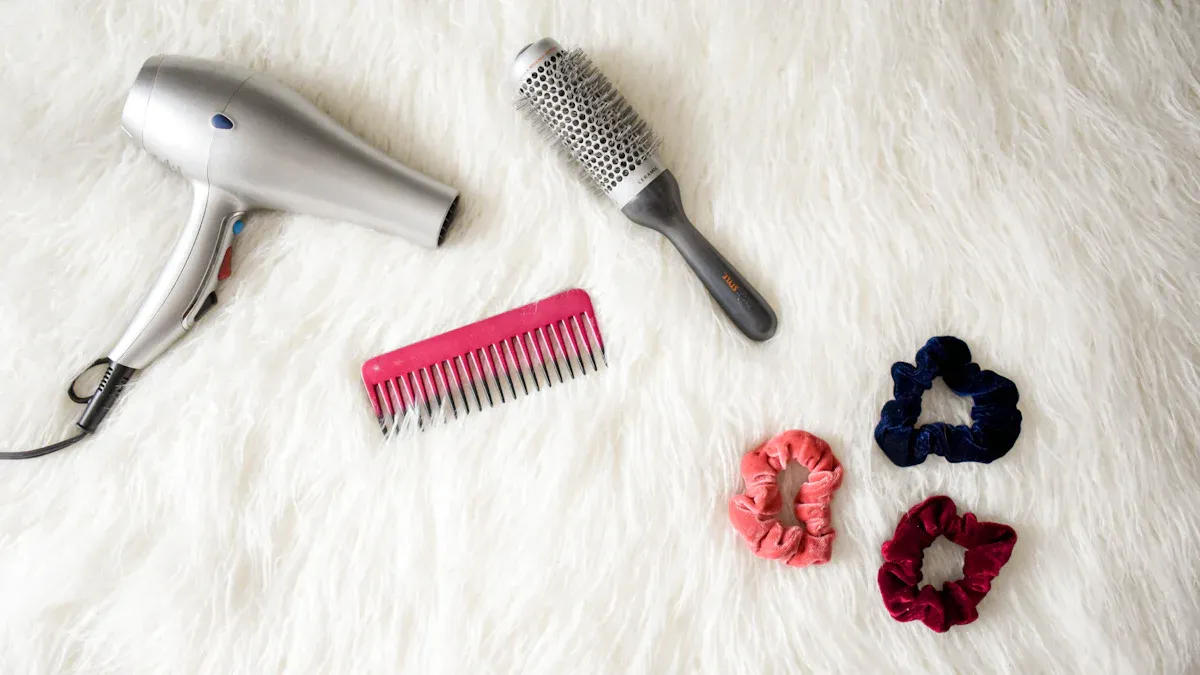
Modern travel dryers offer more than just hot air. Advanced technologies and thoughtful features can elevate a styling routine, helping travelers achieve smooth, polished results anywhere in the world. These additions transform a basic tool into a high-performance styling companion.
Taming Frizz with Ionic and Ceramic Technology
Frizz is often a traveler’s biggest hair challenge, but ionic and ceramic technologies directly combat it. These features work together to produce smoother, shinier, and healthier-looking hair.
How Ionic Technology Works
Ionic technology is a scientific solution to frizz and static. The process is straightforward and effective.
- Wet hair carries a positive electrical charge, which causes strands to repel each other and create frizz.
- An ionic dryer releases a stream of negative ions into its airflow.
- These negative ions neutralize the positive charge on the hair.
- This interaction also breaks large water droplets into smaller micro-droplets that evaporate much faster. The result is quicker drying time and smoother hair, as the neutralized strands no longer push each other apart.
The Benefits of Ceramic and Tourmaline Coils
The material of a dryer’s heating coil significantly impacts hair health. Unlike standard metal coils that create damaging hot spots, ceramic and tourmaline offer a gentler approach.
- Ceramic Coils: These generate far-infrared heat, which penetrates the hair shaft to dry it from the inside out. This method provides even, consistent heat and prevents the extreme temperatures that can scorch the hair’s outer cuticle.
- Tourmaline Coils: Often infused into ceramic components, tourmaline is a crystal that naturally produces more negative ions when heated. This boosts the dryer’s frizz-fighting power.
Is This Technology Worth It for a Travel Dryer?
For travelers with frizz-prone, fine, or damaged hair, these features are a worthy investment. The added protection and smoothing benefits justify a slightly higher price point. A travel hair dryer with ionic and ceramic technology ensures users can achieve a salon-quality finish without compromising hair health on the road.
Styling Control: The Cool Shot Button
The cool shot button is a small but powerful feature that provides the finishing touch for any hairstyle. It helps lock a look in place for long-lasting results.
What is a Cool Shot Button?
A cool shot button temporarily deactivates the heating element, allowing the dryer to blow room-temperature air. This rapid change in temperature is a key step in professional styling.
How to Use It to Set Your Style
Heat makes hair pliable by breaking down its temporary hydrogen bonds. After shaping a section of hair with a round brush, a user can press the cool shot button.
The blast of cool air quickly re-establishes these bonds, effectively “setting” the hair in its new shape. This process also seals the hair cuticle, which enhances shine and creates a protective barrier against humidity.
Essential Attachments for Your Styling Needs
Attachments direct the dryer’s airflow, giving users precision and control. The two most common attachments are the concentrator and the diffuser.
The Role of a Concentrator Nozzle
A concentrator nozzle has a flat, narrow opening that focuses the airflow into a targeted stream. This attachment is essential for creating smooth, sleek blowouts. It allows a user to direct heat exactly where it is needed, making it perfect for straightening hair or adding volume at the roots.
Finding a Travel Dryer with a Diffuser
A diffuser is a bowl-shaped attachment with prongs that disperses airflow over a wider area. It is a must-have for anyone with curly or wavy hair. The gentle airflow dries curls without disturbing their natural pattern, which enhances definition and minimizes frizz.
Do You Need to Pack Your Attachments?
Whether a traveler should pack attachments depends on their hair type and styling goals. For a sleek blowout, the concentrator is non-negotiable. For defined curls, the diffuser is essential. If space is tight, a user should prioritize the attachment that best suits their primary styling needs.
Comparing Top Travel Hair Dryer Models in 2024
Selecting the right model involves comparing the top contenders. Each dryer offers a unique balance of power, portability, and price. This guide breaks down the best options across different categories to simplify the decision-making process.
Best Overall: Balancing Power and Portability
The best overall models deliver exceptional performance without compromising on size or weight. They are powerful enough for daily use yet designed for the rigors of travel.
BaBylissPRO Nano Titanium Travel Dryer
The BaBylissPRO Nano Titanium model is a favorite among frequent flyers. It is engineered for worldwide use with its dual-voltage capability. Users appreciate its powerful airflow and extremely compact, lightweight design. The back filter also pops off, which makes cleaning simple.
| What We Like | What to Consider |
|---|---|
| Extremely compact and lightweight | Only one heat setting (gets very hot) |
| Strong, powerful airflow | Cord does not retract |
| Designed for global use (dual-voltage) | |
| Easy-to-clean filter |
With a customer rating of 4.3 out of 5, it is a proven performer. However, its single heat setting runs hot, so users with fine or damaged hair should exercise caution.
T3 Afar Travel Hair Dryer
The T3 Afar stands out for its advanced technology and styling control. It features a powerful motor that produces strong airflow for a travel-sized dryer. Its ionic technology leaves hair shiny and smooth, making it effective for all hair types.
User Highlight: Many users praise the T3 Afar for its multiple heat and speed settings, including a vital cool shot button. The button placement is also convenient for easy adjustments during styling.
While it is on the pricier side, its performance justifies the investment for those seeking salon-quality results on the road. Buyers should note that attachments are sold separately.
Best Budget-Friendly Option
Travelers on a budget do not need to sacrifice performance. These models offer reliable power and essential features at an accessible price point.
Conair 1600 Watt Compact Hair Dryer
The Conair 1600W model is a dependable and highly affordable choice. Its 1600-watt motor provides adequate power for most hair types. A key feature at this price is the cool shot button, which helps set styles.
| Model | Price Range | Power | Key Features |
|---|---|---|---|
| Conair 1600W Hair Dryer | $10-14 | 1600W | Cool shot button, basic attachments |
This compact hair dryer is a solid pick from a reliable brand, though its power output is lower than some competitors.
Revlon 1875W Compact & Lightweight Hair Dryer
The Revlon 1875W dryer delivers an excellent power-to-weight ratio. It provides strong airflow and good heat distribution, making it a great value. The dryer includes two heat and speed settings plus a concentrator nozzle for basic styling.
Note: While this model offers impressive power for its price ($12-16), some users report that it is louder than premium models. Its durability may also be a concern with frequent, heavy use.
Best for Thick or Curly Hair
Drying thick or curly hair requires more power and specialized technology. These models are built to handle denser hair types efficiently while minimizing frizz.
Drybar Baby Buttercup Travel Blow-Dryer
The Drybar Baby Buttercup is engineered for quick, effective drying. It is an excellent travel hair dryer for those with thick hair who need to reduce drying time.
- It features powerful ionic technology.
- This technology seals the hair cuticle to reduce frizz.
- The result is a shiny, smooth finish.
Its combination of power and frizz control makes it a top choice for achieving a professional blowout anywhere.
ghd Flight+ Travel Hair Dryer
The ghd Flight+ offers remarkable power in a small package. It features a 1400W brushless motor and a V-Shape AirFlow System, delivering performance that rivals some full-size dryers. Its compact, foldable design weighs just 0.72 lbs, making it incredibly portable.
This model includes advanced features often missing in travel dryers:
- Multiple Settings: It has 3 heat levels, 3 speed options, and a cold shot mode.
- Smart Features: A memory function recalls your last-used setting.
- Included Accessories: It comes with a diffuser, concentrator, and travel bag.
The ghd Flight+ is an ideal investment for travelers with thick or curly hair who need maximum power, control, and frizz reduction.
Maintenance and Care for Your Travel Hair Dryer
Proper maintenance ensures a travel hair dryer performs reliably and safely for years. Regular cleaning and careful storage prevent overheating, extend the motor’s life, and keep the appliance in top condition. A few simple habits can protect a traveler’s investment and guarantee great hair on every trip.
Cleaning the Filter and Vents
Lint, dust, and hair product residue can clog a dryer’s filter and vents. This buildup restricts airflow, forcing the motor to work harder and potentially overheat. Consistent cleaning is essential for both performance and safety.
Step-by-Step Cleaning Guide
A user should follow a simple procedure to keep their dryer clean and efficient. This process only takes a few minutes.
- First, unplug the appliance and let it cool down completely.
- Use a soft brush or an old toothbrush to gently remove any visible dust from the exterior vents.
- Dampen a soft cloth with a mild soap and water solution. Wipe down the dryer’s body to remove any grime or product buildup.
- Dry the exterior completely with a clean, dry cloth.
- If the dryer has a removable filter cap, twist it off and clean it thoroughly with the brush.
- Reassemble any removed parts before plugging the dryer in to test it.
How Often to Clean Your Dryer
The frequency of cleaning depends on usage. For frequent travelers, a quick cleaning after every trip is a good practice. For those who travel less often, cleaning the dryer every few months is sufficient.
Pro Tip: If a user notices the dryer feels hotter than usual or the airflow seems weak, it is a clear sign that the filter needs immediate cleaning.
Proper Storage During and After Travel
How a dryer is stored is just as important as how it is cleaned. Proper storage protects the device from physical damage and preserves its electrical components.
Using the Included Pouch
Many models come with a dedicated travel pouch for a reason. This accessory provides a protective barrier against scratches and impacts inside a suitcase. It also keeps the dryer and its attachments organized in one place, preventing them from getting lost in a packed bag. Users should always utilize the included case or pouch for optimal protection.
Storing the Cord to Prevent Damage
The power cord is often the first part of a dryer to fail due to improper storage. Wrapping the cord tightly around the dryer’s handle creates stress near the plug and the base, leading to frayed wires and electrical faults.
Instead, users should loosely coil the cord in a circle, similar to how it was packaged. Securing the coil with a Velcro strap or cord organizer prevents tangles and protects the internal wiring. This simple step significantly extends the life of the appliance.
Safety First: Certifications and Precautions
A traveler’s safety is paramount when using any electrical appliance abroad. Understanding safety certifications and exercising caution, especially in hotel bathrooms, prevents accidents. These marks and precautions ensure a hair dryer is not only effective but also safe for use in any environment.
Understanding Safety Marks (UL, ETL, CE)
Safety certifications are visual proof that a product has passed rigorous, independent testing. These marks indicate compliance with established safety standards for a specific region. A traveler should always look for these symbols before purchasing a hair dryer.
What These Certifications Mean
Different regions use distinct certification marks to signify product safety. Each one represents a specific set of standards.
- UL (Underwriter Laboratories): This mark is a widely recognized symbol in the United States. It signifies that a product meets US safety standards designed to protect personal health and property from fire and electrical hazards.
- ETL (Intertek): This mark indicates a product complies with North American safety standards, including those from UL and the Canadian CSA. An ETL-certified product is approved for sale in both the U.S. and Canadian markets.
- CE (European Conformity): This is a mandatory mark for products sold within the European Union. It declares that the appliance meets the EU’s essential health, safety, and environmental protection requirements.
Why Certified Products Are Safer
Certified products provide a crucial layer of assurance. A CE mark alone does not guarantee safety in the United States. It may lack a UL listing, meaning it has not been tested for US electrical codes regarding fire resistance or cord durability. Conversely, a UL-listed dryer without a CE mark may be prohibited from sale in EU member states. Choosing a dryer with the correct certification for the destination ensures it has been properly vetted for that region’s electrical system.
Precautions for Using a Dryer in a Hotel Bathroom
Hotel bathrooms combine water and electricity in a small space, creating a high-risk environment. A traveler must take specific precautions to avoid serious injury.
Water and Electricity Risks
Water is an excellent conductor of electricity. This property creates significant dangers when using a hair dryer near sinks or showers.
Safety Alert ⚠️: Key risks include electric shock from proximity to water, potential fires from overheating components, and hazards from faulty wiring or damaged cords. An appliance can still pose a danger if it is plugged in, even when switched off, should it come into contact with water.
Electrical safety standards require bathroom appliances to have double insulation (Class II) and an Ingress Protection (IP) rating of at least IP21 to guard against falling water drops.
Checking Hotel Outlets
Before plugging in a hair dryer, a traveler should always inspect the wall outlet. Look for any signs of damage, such as cracks, burn marks, or a loose fit. A faulty outlet can damage the appliance or cause an electrical fault. The safest placement for a hair dryer is in Zone 3, an area designated as being the furthest from water sources like the tub or shower, minimizing the risk of water exposure.
Common Mistakes to Avoid When Buying and Using a Travel Dryer
Even the best travel hair dryer can become a liability if used incorrectly. Travelers can avoid common pitfalls by understanding their appliance and planning ahead. These simple precautions prevent damage, ensure safety, and guarantee a good hair day, no matter the destination.
Forgetting to Switch the Voltage
One of the most frequent and damaging errors is forgetting to adjust the voltage setting. Plugging a dryer set to 110V into a 240V outlet will instantly overload and destroy the motor, rendering the appliance useless for the rest of the trip.
The Pre-Travel Checklist
A pre-travel check is the best defense against this mistake. Before packing the dryer, a user should always confirm the voltage at their destination and set the switch accordingly.
Traveler’s Rule: Set the voltage before you pack. It is far easier to remember this step at home than in a new, unfamiliar hotel room after a long journey. A simple turn with a coin or key is all it takes.
Relying on Hotel Hair Dryers
Many travelers assume the hotel will provide a functional hair dryer, but this is often a gamble. Relying on hotel amenities can lead to frustration and a bad start to the day.
The Unpredictability of Hotel Amenities
Guest reviews and hotel data consistently show that basic appliances are a common source of complaints. Travelers frequently report issues with the provided dryers.
- They are often missing from the room entirely.
- Many are malfunctioning or completely broken.
- Even functional units are notoriously weak, making drying long or thick hair a time-consuming chore.
Packing your own device ensures you have a reliable and effective tool at your disposal.
Using a Voltage Converter with a Hair Dryer
A traveler might think a voltage converter can make their single-voltage home dryer work abroad. This is a dangerous misconception. Standard converters and high-power heating appliances are not compatible.
Why Converters and Hair Dryers Don’t Mix
Most voltage converters are designed for low-wattage electronics, like phone chargers or electric shavers. A hair dryer, however, is a high-wattage appliance that can consume up to 2,000 watts of power. An under-rated converter cannot handle this demand. This mismatch can cause the converter to overheat, damage the dryer, or even start an electrical fire. While converters capable of handling such power exist, they are typically bulky, heavy, and expensive. A lightweight dual voltage hair dryer is a much safer and more practical solution.
Ignoring Your Hair Type
Selecting a travel hair dryer based solely on its size or price is a significant oversight. A traveler’s hair type—whether fine, thick, curly, or color-treated—dictates the power and features needed for effective and healthy styling. A dryer that works perfectly for one person may be completely wrong for another. Ignoring these personal needs can lead to hair damage, frizz, or frustratingly long drying times, defeating the purpose of packing the appliance in the first place. The right choice ensures a traveler can achieve their desired look without compromising hair health.
Matching Power to Your Needs
Power, measured in watts, directly correlates to a dryer’s heat and airflow. Matching this power to a user’s hair texture is the key to efficient drying. A mismatched wattage level can either damage delicate strands or fail to dry dense hair effectively.
Travelers with fine, thin, or chemically treated hair should exercise caution. High-wattage dryers produce intense heat that can easily scorch and weaken fragile hair. A lower-power model is a much safer and more effective choice.
Expert Recommendation: A travel dryer in the 1000-1200 watt range provides ample power for fine hair. This wattage level generates sufficient airflow to dry hair quickly without the risk of extreme heat damage. Users should prioritize models with multiple heat settings to use the lowest effective temperature.
Conversely, individuals with thick, coarse, or very long hair require more power. A low-wattage dryer lacks the force to penetrate dense hair, resulting in prolonged drying sessions and increased frizz as the hair cuticle remains exposed for too long. A more powerful motor is essential for this hair type.
The following table provides a simple guide for choosing the right power level:
| Hair Type | Recommended Wattage | Key Considerations |
|---|---|---|
| Fine, Thin, or Damaged | 1000W – 1200W | Prioritize low heat settings to prevent damage. |
| Normal or Wavy | 1200W – 1600W | A balanced choice for good performance and portability. |
| Thick, Coarse, or Curly | 1400W – 1875W | Higher power reduces drying time and frizz. |
Ultimately, a traveler must assess their own hair. Choosing a dryer with the appropriate wattage ensures they have the right tool for a great hair day, no matter where their journey takes them.
Finding the perfect travel hair dryer involves a clear checklist. A traveler ensures a successful purchase by prioritizing essential features for performance and portability. An ideal model balances these key attributes:
- Portability: Lightweight, compact designs with a foldable handle maximize luggage space.
- Global Compatibility: Dual voltage is non-negotiable for international trips.
- Performance: Multiple heat and speed settings provide styling control.
- Hair Needs: Wattage must match a user’s hair type to prevent damage.
Checking for these elements allows any traveler to confidently select a reliable styling companion for their adventures.
FAQ
Can I use my regular hair dryer abroad with just an adapter?
No. A plug adapter only changes the prong shape to fit a foreign outlet. It does not change the electrical voltage. Using a single-voltage home dryer in a high-voltage country will destroy the appliance and create a safety risk.
What happens if I forget to switch the voltage on my dryer?
Forgetting to set the voltage switch from 110V to 240V will overload the motor. The dryer will likely burn out, spark, or stop working permanently. This common mistake instantly ruins the appliance and is a serious fire hazard.
Are hotel hair dryers a reliable option?
Hotel hair dryers are notoriously unpredictable. They are often weak, dirty, or completely broken. Relying on them can lead to frustration and poor styling results. Bringing your own ensures you have a powerful and clean tool available for your needs.
Do I really need ionic technology in a travel dryer?
Ionic technology is highly beneficial for travelers with frizz-prone or damaged hair. It smooths the hair cuticle for a shinier finish and reduces drying time. This feature helps maintain hair health and achieve salon-quality results while on the road.
What is the best wattage for a travel hair dryer?
The ideal wattage depends on a user’s hair type. A traveler should match the power to their needs for the best results.
- Fine or Thin Hair: 1000W – 1200W
- Thick or Coarse Hair: 1200W – 1600W+
Is a foldable handle a necessary feature?
Yes, a foldable handle is essential for portability. This feature dramatically reduces the dryer’s size, making it much easier to pack into a suitcase or carry-on. It is a key design element that maximizes valuable luggage space for other essentials.