
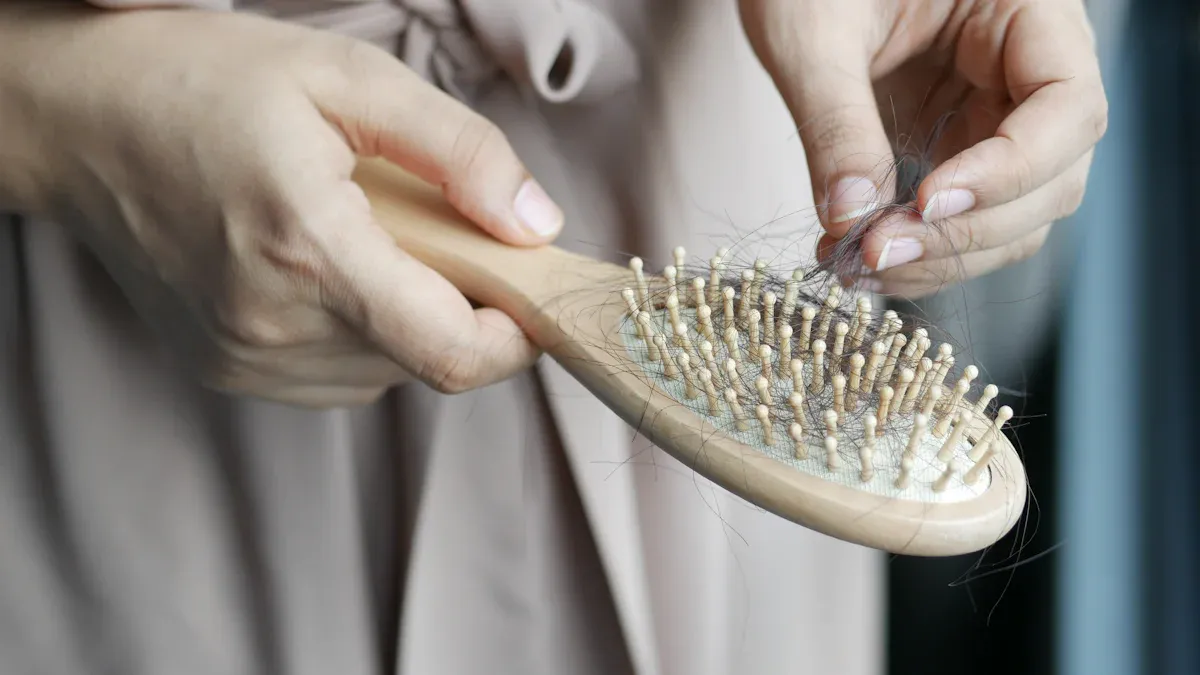
Users properly clean their styling tools by following a systematic process. They first ensure the device is cool and unplugged. They then remove all trapped hair from the bristles. A damp cloth helps clean the barrel and handle, removing product buildup from the hair. A leading hair dryer manufacturer suggests using a dry brush to clear the air vents, a critical step for any AC hair dryer or advanced BLDC hair dryer. This guidance from a hair dryer factory ensures the tool remains effective for styling hair.
Pro Tip: The best way to maintain your hair dryer brush is to clean it after every few uses to prevent performance issues.
Preparations Before You Clean Your Hair Dryer Brush
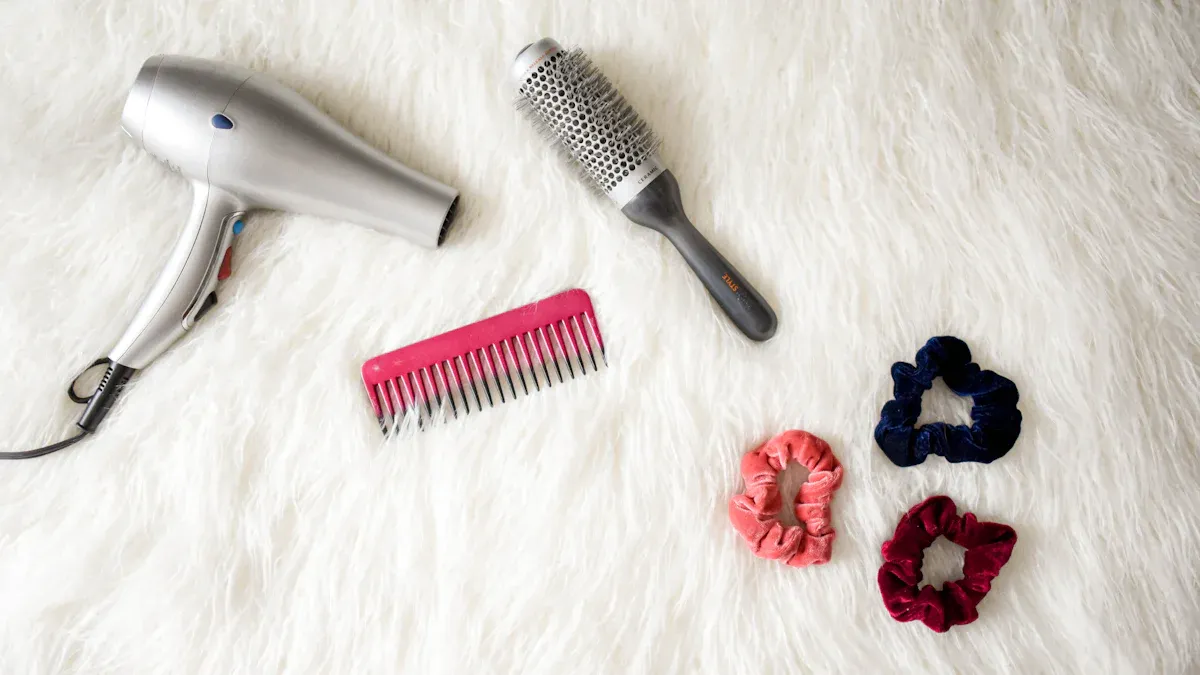
Proper preparation is the foundation of an effective cleaning routine. Users who gather their supplies and understand the stakes involved can work more efficiently. This ensures both the tool and their hair receive the best possible care. A few moments of prep work prevent future problems and extend the life of the appliance.
Why Regular Cleaning is Crucial
Regular maintenance is not just about aesthetics. It directly influences hair health and the tool’s operational integrity. Neglecting this simple task can lead to undesirable consequences for both.
Impact on Your Hair’s Health
A dirty hair dryer brush can undermine a user’s entire hair care regimen. Over time, the bristles accumulate a mixture of dead skin cells, styling product residue, dust, and oils. This buildup becomes a breeding ground for contaminants.
Certified trichologist Bridgette Hill notes that dirty hairbrushes are a ‘breeding ground for dust, bacteria, mites, and product buildup.’ Using an unwashed brush essentially recontaminates a clean scalp. This can disrupt natural oil distribution and spread yeast, leading to scalp inflammation and irritation. Experts warn this buildup can also dull hair shine and cause strands to snag or break.
Impact on the Tool’s Performance
The functionality of a hair dryer brush depends on unobstructed airflow. Lint, dust, and stray hairs inevitably get pulled into the air intake vent. A clogged filter forces the motor to work harder, which can lead to overheating and a significant drop in performance. This strain not only reduces the tool’s drying power but also shortens its overall lifespan. A clean tool delivers consistent heat and maximum airflow for superior styling results.
Gathering Your Essential Cleaning Kit
A professional-level clean does not require expensive or specialized products. Users can assemble a highly effective kit using common household items. Having these tools ready makes the cleaning process quick and simple.
Soft Microfiber Cloth
A soft microfiber cloth is perfect for wiping down the handle, barrel, and bristles. Its gentle texture removes grime and residue without scratching the tool’s surfaces.
Gentle Soap or Isopropyl Alcohol
Users can create a simple cleaning solution with a few drops of gentle soap in warm water. For a deeper disinfection to eliminate bacteria, isopropyl alcohol is an excellent choice.
- For effective disinfection without causing damage, professionals recommend using a solution with at least 70% alcohol content.
Old Toothbrush or Spoolie
An old, dry toothbrush or a clean spoolie is the ideal tool for clearing debris from the air intake vent. The fine bristles can easily dislodge trapped lint and dust from the filter screen.
Rat-Tail Comb or Small Scissors
A rat-tail comb is invaluable for lifting and removing tangled strands from the base of the bristles. For very stubborn knots, a small pair of scissors allows for precise cutting to free the trapped hair without damaging the brush.
The Ultimate Step-by-Step Deep Cleaning Guide
A thorough deep clean restores a hair dryer brush to its optimal condition. Users who follow these detailed cleaning steps can ensure their tool performs safely and effectively for years. This guide breaks down the entire cleaning process into manageable actions.
Step 1: Unplug and Cool Down for Safety
Safety is the non-negotiable first step in any appliance maintenance routine. Users must prioritize their well-being and protect the tool from electrical damage before they begin.
The Importance of Unplugging
Users must always disconnect the hair dryer brush from the power outlet before starting. This simple action eliminates the risk of electric shock. Electrical personal care appliances are powerful tools that can pose significant hazards if handled improperly. One recall incident involving hair dryers highlighted the danger, with 193 reports of devices overheating, melting, or catching fire. These events led to 18 burn injuries and two cases of minor electrical shock, underscoring the critical need for caution.
Allowing the Tool to Cool Completely
A hair dryer brush operates at high temperatures. Users should never attempt to clean a hot tool. The heated barrel and bristles can cause painful burns upon contact. Allowing the appliance to cool down completely for at least 15-20 minutes also prevents the cleaning cloth from melting or the cleaning solution from evaporating too quickly.
Step 2: Remove All Trapped Hair
Strands of hair inevitably wrap around the barrel and become lodged in the bristles. Removing this buildup is essential for hygiene and performance. A systematic approach ensures all debris is cleared away.
Using Fingers for Loose Strands
The first pass involves manual removal. Users can easily pull out the majority of loose hair with their fingers. This clears the surface and makes it easier to see the more deeply embedded tangles.
Using a Comb for Deeper Tangles
A rat-tail comb is the perfect instrument for the next phase. Users should slide the pointed end of the comb under the matted hair at the base of the bristles. They can then gently lift upwards to loosen the tangles, pulling the strands free from the brush.
Using Scissors for Stubborn Knots
Some knots may be too tight to remove with a comb. For these stubborn tangles, users can carefully slide a small pair of scissors under the wrapped hair. They should cut vertically, parallel to the barrel, to snip the knot. This technique frees the hair without scratching the barrel or damaging the bristles.
Expert Technique for Thorough Hair Removal
Professionals use a multi-stage method to ensure every strand is gone:
- Initial Removal: Start by pulling out all loose strands with your fingers.
- Deep Extraction: Use the long, thin handle of a rat-tail comb to get underneath and lift deeply embedded hair.
- Final Check: Visually inspect the base of the bristles from all angles to ensure no debris remains.
Step 3: Wipe Down the Barrel and Bristles
With all the hair gone, the next step is to clean the surfaces of product residue, oil, and dust. This part of the routine sanitizes the tool and restores its shine.
Creating Your Gentle Cleaning Solution
Users can prepare an effective and safe cleaning solution with simple ingredients. They can mix a few drops of gentle soap or shampoo into a small bowl of warm water. For a more disinfecting clean, a solution of one part isopropyl alcohol to one part water works well. Users should never use harsh chemicals or abrasive cleaners.
Wiping Surfaces Without Soaking
Users should dip a soft microfiber cloth into the cleaning solution and wring it out until it is only slightly damp. The goal is to wipe, not soak. They can then meticulously wipe down the handle, the barrel between the bristles, and the bristles themselves. This method will clean the tool effectively without risking water damage to the internal electronics.
Step 4: Clear the Air Vents and Filter
A clean airflow system is the lifeblood of a hair dryer brush. This step directly addresses the tool’s motor health and performance efficiency, making it one of the most critical parts of the maintenance routine.
Locating the Air Intake Vent
Users can typically find the air intake vent at the base of the handle or on the end cap of the device. This component, often covered by a removable filter screen or grating, is where the tool draws in cool air to regulate the motor’s temperature and propel hot air outward. Identifying its location is the first step toward maintaining optimal function.
Clearing Away Dust and Lint
The air intake vent acts as a vacuum, pulling in not just air but also dust, lint, and stray hairs from the surrounding environment. A clean vent is essential for performance. When this filter becomes clogged, it severely restricts airflow and puts immense strain on the motor.
Alert: The Dangers of a Clogged Filter ⚠️
Neglecting the air filter forces the motor to work harder and longer against the blockage. This leads to a cascade of problems that shorten the appliance’s lifespan:
- The motor overheats due to insufficient cooling.
- Operating temperatures increase throughout the entire system.
- Styling effectiveness drops, requiring longer usage periods to achieve results.
- Internal components experience accelerated wear and tear.
To prevent this, users should take a dry, old toothbrush or a clean spoolie. They can gently scrub the vent and filter screen to dislodge and remove all visible debris. For models with a removable filter, users can twist it off for a more thorough cleaning. This simple action helps to clean the filter screen effectively and restores proper airflow, preventing the motor from overheating and preserving its power.
Step 5: Air Dry Thoroughly
The final step in the cleaning process requires patience. Properly drying the hair dryer brush is a crucial safety measure that protects both the user and the appliance’s delicate internal electronics.
Why Patience is Key
Water and electricity are a hazardous combination. After users clean the tool, even with a lightly dampened cloth, trace amounts of moisture can remain on the surface or near seams. Attempting to plug in or operate a damp appliance creates a serious risk of electrical short-circuits, which can permanently damage the motor or pose a shock hazard. To ensure safety, experts recommend letting the hair dryer brush air dry for at least a couple of hours before its next use. This waiting period allows any residual moisture to evaporate completely.
Best Practices for Positioning
Proper positioning aids in efficient and safe drying. Users should lay the hair dryer brush on a clean, dry towel on a flat surface like a countertop. It is best to position the tool so that air can circulate freely around the barrel and bristles. Users should avoid placing it in a drawer or enclosed space where moisture can remain trapped. Keeping the tool out of direct sunlight or away from other heat sources is also wise, as extreme temperatures can warp the plastic casing or damage the finish. This final step will ensure the tool is completely clean, dry, and ready for its next styling session.
How to Maintain Your Hair Dryer Brush for Longevity
While a deep clean restores your tool, consistent daily maintenance is the true secret to its long-term health. Users who adopt simple, preventative habits can significantly extend the life of their appliance and ensure it performs at its best every day. These proactive steps help users maintain their hair dryer brush with minimal effort.
Quick Clean Routine After Every Use
A small amount of care after each styling session goes a long way. This quick upkeep prevents the accumulation of debris that leads to bigger problems.
The 30-Second Hair Removal
After the tool has cooled, users should take just 30 seconds to remove any strands of hair from the bristles. They can simply use their fingers to pull out loose hair wrapped around the barrel. This simple action is the most effective way to prevent tangles from becoming tight, stubborn knots. A clean brush head ensures smooth gliding through the hair during the next use.
Proper Storage Techniques
How a user stores their hair dryer brush directly impacts its condition and longevity. Proper storage protects delicate components from physical damage and environmental debris.
Storing Upright to Protect Bristles
The bristles are essential for gripping and styling hair, but they can bend or break under pressure. Users should store the tool in an upright position, such as in a container or holder on their vanity. This orientation prevents the bristles from being crushed or misshapen, helping to maintain the brush’s effectiveness.
Using a Protective Case or Original Box
For maximum protection, users can store the appliance in its original box or a dedicated protective case. This shields the tool from dust, moisture, and accidental impacts.
Professional Storage Tips 💡 Experts offer several key tips for safe storage. Users should always unplug the device after use. They must avoid wrapping the cord tightly around the tool or hanging it by the cord, as this can cause internal wire damage. A clean, dry location is the ideal storage spot.
Smart Styling Product Application
Styling products are necessary for many looks, but their application method can affect the tool. Smart product use makes the brush easier to clean and helps maintain its performance.
Apply Products to Hair, Not the Brush
Users should always apply styling products like mousses, serums, or heat protectants directly to their hair, not the brush. Spraying products onto the tool causes a sticky residue to build up quickly on the barrel and bristles. This buildup can scorch, create unpleasant odors, and make the brush much harder to clean.
Avoiding Sticky or Heavy Formulas
Some heavy or sticky formulas can transfer from the hair to the brush, even with proper application. These residues can clog the spaces between bristles and attract more dust. Users who notice significant buildup may consider using lighter products to help keep their tool clean and functioning optimally.
Common Cleaning and Maintenance Mistakes to Avoid
Proper cleaning is essential, but users must also avoid common errors that can cause irreparable damage or create serious safety risks. Understanding these pitfalls is a key part of effective long-term maintenance.
Electrical and Water Safety Hazards
Electrical appliances and water are a dangerous mix. Users must exercise extreme caution to prevent shock or electrocution.
Never Submerge the Tool in Water
Users must never immerse a hair dryer brush in water. Electrical safety standards, such as UL Standard 859, require these tools to have integral immersion protection. This feature, often a block-shaped GFCI plug, is designed to cut power if the device falls into water. These regulations have been highly effective, contributing to a 96.6% reduction in hair dryer electrocution deaths over two decades. However, this is a last-resort safety feature, not an excuse for careless handling.
Do Not Operate if Wet or Damp
Operating a damp hair dryer brush poses a significant electrocution hazard. The U.S. Consumer Product Safety Commission (CPSC) has issued warnings and recalls for products with shock risks, such as the Crasts Hair Dryer Brush. In another case, nearly 60,000 Remington hair dryers were recalled because they were missing a critical immersion protection part. Users must always ensure their tool is completely dry before plugging it in.
Protecting the Tool’s Surfaces
The external components of the brush are vital for performance. Aggressive cleaning methods can cause permanent damage.
Avoid Harsh or Abrasive Chemicals
Users should avoid using harsh chemicals like bleach, ammonia, or abrasive scouring powders. These substances can strip protective coatings from the barrel, degrade the plastic handle, and damage the bristles. A simple solution of gentle soap and water is sufficient and safe.
Steer Clear of Sharp Metal Objects
Scraping away product buildup with sharp metal objects is a damaging mistake. Metal tools can easily scratch the barrel, compromising ceramic or tourmaline surfaces and leading to uneven heating. They can also break or bend the bristles, reducing the tool’s styling effectiveness.
Troubleshooting Common Problems
Even with good care, users may encounter issues. These troubleshooting tips can help identify the cause.
Dealing with a Bad Smell
A persistent burning smell often points to a specific problem. Evidence suggests the odor comes from residual hair or dust frying inside the heating element or from an overheating motor. A thorough cleaning of the air vents may solve the issue. If the smell continues after cleaning, it likely indicates a motor problem, and users should discontinue use.
Addressing Loss of Power or Airflow
A sudden drop in performance is almost always related to airflow. The primary causes include:
- A clogged lint filter preventing air from moving freely.
- A blocked air intake that obstructs airflow at the source.
- A faulty or damaged internal fan.
- A malfunctioning motor that can no longer operate at full power.
Clearing the filter and intake vents is the first step. If power does not improve, the tool may have an internal failure.
Advanced Tips for Different Brush Types
Not all hair dryer brushes are created equal. Different materials require specific cleaning methods to preserve their unique properties. Users who tailor their approach can protect their investment and ensure the tool continues to perform as intended. These advanced tips help users clean their specific brush type effectively.
Cleaning Brushes with Boar Bristles
Natural boar bristles are excellent for distributing scalp oils, but they are more delicate than synthetic alternatives. They require a gentle touch to prevent damage and maintain their texture.
Gentle Wiping Techniques
Users should first remove all trapped hair with a comb. The best way to clean these bristles involves a careful washing process.
- Prepare a bowl of very warm water mixed with a gentle, sulfate-free shampoo.
- Submerge only the bristles into the water. Users must avoid soaking any wooden handle or cushion pad to prevent water damage.
- Gently agitate the bristles with fingers to loosen product buildup.
- Rinse the bristles under cool water and lay the tool bristle-side down on a towel to air dry.
Avoiding Bristle Damage
Harsh detergents can strip natural boar bristles, making them dry and brittle. Sticking to a gentle shampoo preserves their integrity. This careful method prevents bristle damage and removes sebum and product buildup without compromising the brush’s quality.
Cleaning Brushes with Nylon or Plastic Bristles
Nylon and plastic bristles are more resilient and can withstand a more robust cleaning regimen. This durability makes them easier to maintain, especially when dealing with heavy product residue.
Handling More Resilient Materials
These synthetic materials are less prone to damage from moisture. Users can be more vigorous when scrubbing away grime. A small toothbrush is an excellent tool for getting between the bristles to scrub away stubborn buildup without fear of harming the bristles themselves.
Deep Cleaning Product Buildup
For significant product buildup from hairspray or oils, a deeper clean is necessary. Soaking just the brush head in hot, soapy water is highly effective for dissolving hardened residue. For sticky buildup on the barrel, a microfiber cloth dampened with isopropyl alcohol will cut through the grime quickly and disinfect the surface.
Deep Clean Protocol for Synthetics 🧪
After removing all hair, users can soak the brush head in warm, soapy water to dissolve heavy buildup. A toothbrush helps scrub away any remaining residue. This process ensures the tool is completely clean and sanitized.
Special Care for Ceramic or Tourmaline Barrels
The barrel’s coating is crucial for even heat distribution and frizz reduction. Protecting this surface is essential for maintaining the tool’s styling performance.
Preserving the Barrel Coating
Product buildup can coat the barrel and block the beneficial effects of ceramic or tourmaline technology. To prevent this, users should wipe the cooled barrel weekly with a cloth lightly dampened with isopropyl alcohol. This removes residue without scratching or degrading the surface.
Polishing for Shine
A clean barrel not only performs better but also glides through the hair more smoothly. Regular cleaning prevents the buildup that can cause snagging. This simple maintenance step keeps the barrel in pristine condition, ensuring a polished finish for the user’s hair.
Signs It’s Time to Replace Your Hair Dryer Brush
Even with meticulous care, every appliance has a finite lifespan. Users must learn to recognize the warning signs that indicate their hair dryer brush is no longer safe or effective. Continuing to use a failing tool can compromise styling results and pose significant safety risks.
Visible Wear and Tear
Physical damage is often the most obvious indicator that a replacement is necessary. Users should regularly inspect their tool for any signs of degradation.
Frayed Cords or Damaged Plugs
The power cord is a critical safety component. Users should immediately stop using any tool with a frayed, cracked, or exposed cord. Damaged plugs with bent prongs are also a major hazard. These issues create a serious risk of electrical shock or fire.
Melted, Missing, or Bent Bristles
The condition of the bristles directly affects the tool’s ability to style hair. Melted, missing, or severely bent bristles prevent the brush from gripping hair properly. This damage can cause the tool to snag or snarl strands, leading to frustrating tangles and significant hair breakage.
Cracks in the Casing or Barrel
Cracks in the plastic handle or barrel compromise the tool’s structural integrity. More importantly, these openings can expose the internal electrical components to moisture and dust. This creates a dangerous situation that could lead to malfunction or electric shock.
Performance Decline
A noticeable drop in functionality is a clear signal that the tool’s internal components are failing. These issues often worsen over time and cannot be fixed with cleaning.
Inconsistent Heat or Airflow
A significant decline in performance often points to a dying motor. When a motor nears failure, it cannot operate efficiently, leading to several problems.
- Worn-out motor bearings increase internal friction, causing the tool to run much hotter than normal.
- A weakening motor struggles to power the fan, resulting in reduced airflow.
- Inconsistent rotational speed from electrical issues also causes weak or uneven airflow.
Note: A tool that only blows cold air may have a broken heating element. In any of these cases, the appliance can no longer deliver the expected results.
Persistent Burning Smell
A burning smell that continues even after a thorough cleaning is a serious red flag. This odor usually indicates that the motor is overheating or that there is an internal wiring issue. Users should discontinue use immediately to prevent a potential fire.
Electrical Issues like Flickering
Users should pay close attention to any erratic electrical behavior. If the tool flickers, sparks, or shuts off intermittently during use, it signals a dangerous internal fault. Such problems make the appliance unsafe and unreliable.
Users who consistently and gently maintain your hair dryer brush ensure its peak performance and longevity. A simple routine is all it takes to protect the tool and the user’s hair.
Key Maintenance Steps 🔑
- Remove trapped hair after every use.
- Perform a weekly cleaning to remove residue.
- Keep air vents clear of all debris.
Following these steps helps users maintain the appliance’s power. Prioritizing safety is also crucial to maintain your hair dryer brush. Users should always store the tool properly to protect it from damage and keep their hair healthy.
FAQ
How often should I clean my hair dryer brush?
Users should remove hair from the bristles after every use. A weekly wipe-down with a damp cloth removes product buildup. A deep clean, including clearing the air vent, is recommended at least once a month to maintain performance and hygiene.
Can I use water to wash my hair dryer brush?
Users must never submerge the tool in water. This poses a severe electrical hazard. For cleaning, they should use a cloth that is only slightly damp and has been thoroughly wrung out. The appliance must be completely dry before use.
What should I do if the bristles are bent?
Bent bristles reduce styling effectiveness and can snag hair. Users can sometimes gently reshape them while the tool is slightly warm. If bristles are melted, missing, or permanently bent, it is a clear sign the tool needs replacement.
Why is my brush losing power or airflow?
A loss of power almost always indicates a clogged air filter. Users should clear all lint and dust from the air intake vent with a dry toothbrush. If cleaning does not restore power, the motor may be failing.
Is it safe to wash a removable filter?
Users should consult their device’s manual for specific instructions. Most removable filters can be rinsed under water. They must be completely air-dried before being reattached to the tool to prevent moisture from entering the motor housing.
What is the best way to store the brush?
Proper storage protects the bristles and cord. Users should store the tool upright in a holder to prevent bristles from bending. They must avoid wrapping the cord tightly around the handle, as this can damage the internal wires over time.
Safety First! ⚠️ Always unplug the appliance before cleaning or storing it. A cool, dry location is the ideal spot for storage.