
Users must first unplug the appliance and let it cool completely before they maintain and clean it. Wiping the dryer’s body with a damp cloth removes product residue, preserving its professional look.
Note: The most critical step is clearing the rear filter of lint. Every hair dryer manufacturer, whether from a hair dryer factory producing a BLDC hair dryer or a classic AC hair dryer, stresses this task to prevent overheating and ensure longevity.
Why Regular Maintenance is Crucial for Your BaBylissPRO Dryer
A BaBylissPRO dryer is a high-performance tool engineered for superior results. Users who regularly maintain and clean their appliance protect this investment and guarantee its optimal function. Neglecting this simple task can lead to decreased power, a shortened lifespan, and significant safety risks. Understanding these consequences highlights the importance of a consistent cleaning routine.
Preserving Peak Performance and Power
A clean dryer simply works better. Its performance directly relates to its internal cleanliness, affecting both drying speed and heat consistency.
Maintaining Maximum Airflow for Faster Drying
The dryer’s motor pulls air through the rear filter to create a powerful stream. Over time, this filter becomes clogged with:
- Lint
- Dust
- Hair
- Styling product residue
This buildup restricts airflow, forcing the dryer to work harder for weaker results. A clean filter ensures an unobstructed path for air, delivering the maximum force needed for rapid, efficient drying.
Ensuring Consistent Heat and Temperature Control
Blocked airflow also traps heat inside the dryer’s barrel. This can cause temperature spikes, leading to inconsistent heat output and potential hair damage. A clean vent system allows the heating element to function as designed, providing steady and reliable temperatures for flawless styling control.
Extending the Lifespan of Your Professional Tool
Proper care is the key to longevity. A few minutes of maintenance can prevent costly damage and add years to the dryer’s operational life.
Preventing Motor Strain and Burnout
When a filter is clogged, the motor must strain to pull air through the blockage. This constant overexertion generates excess heat and puts immense stress on the motor’s components. Eventually, this strain can lead to premature motor failure or complete burnout, rendering the dryer useless.
Protecting Sensitive Internal Components from Debris
Fine particles of dust and lint can bypass a heavily clogged filter. These particles may settle on sensitive internal electronics and mechanical parts. This contamination can interfere with electrical connections and wear down moving components, causing irreversible damage over time.
Upholding Critical Safety Standards
Safety should always be the top priority. A dirty hair dryer is not just inefficient; it is a potential hazard in the home or salon.
Mitigating Fire Hazards from Lint Buildup
Lint is highly flammable. When it accumulates inside the dryer and comes into contact with the hot heating element, it can ignite.
Warning: A burning smell is a clear indicator that lint may be overheating inside your dryer. Users should immediately stop, unplug the unit, and clean it thoroughly to prevent a fire.
Preventing Electrical Damage from Overheating
Every BaBylissPRO dryer includes a thermal safety switch that automatically shuts the unit off when it gets too hot. While this feature prevents immediate danger, frequent overheating caused by a clog puts stress on the entire electrical system. This can weaken wiring and damage the safety switch itself, creating a serious electrical risk. Users who regularly maintain and clean their dryer ensure these safety mechanisms function as a last resort, not as a routine occurrence.
Your Essential BaBylissPRO Cleaning Toolkit
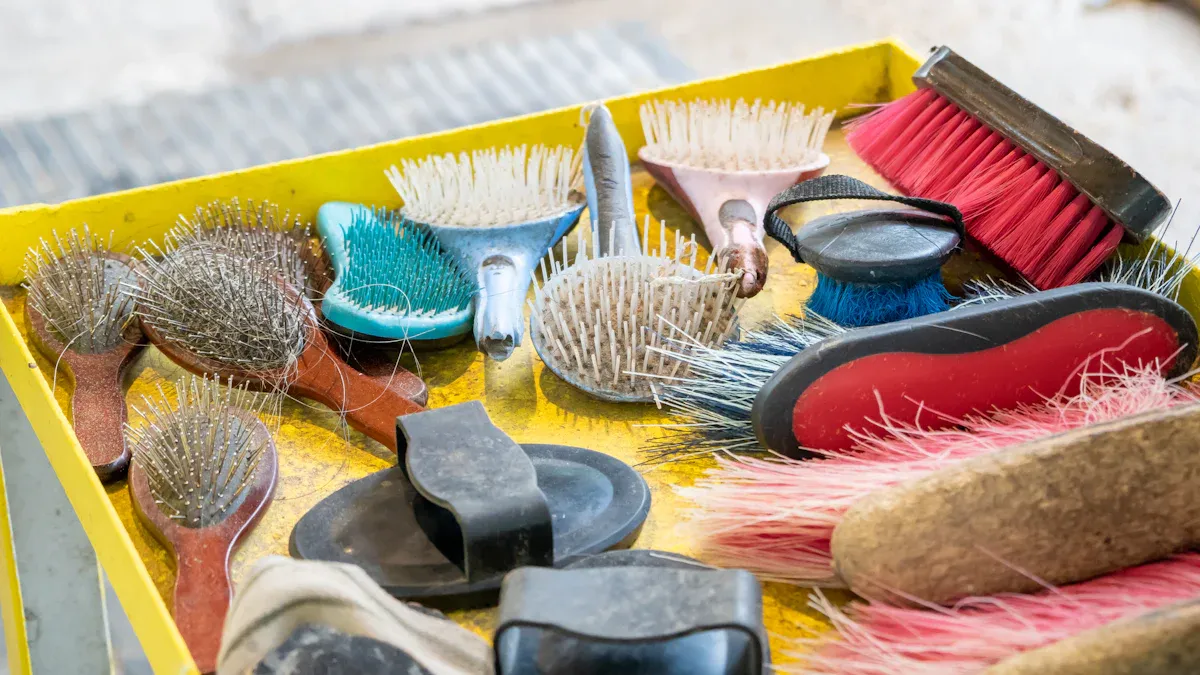
Effective maintenance begins with the right equipment. A user does not need an extensive or expensive set of tools to keep a BaBylissPRO dryer in pristine condition. Assembling a simple, dedicated toolkit ensures every cleaning session is quick, safe, and thorough. It also involves knowing which products and methods to avoid to prevent accidental damage.
Gathering Your Supplies
A few basic household items are all that is necessary for routine cleaning. Professionals and home users can gather these supplies to create an efficient maintenance station.
Must-Have Tools: Soft-Bristled Brush and Cloths
These two items form the foundation of any dryer cleaning kit. They handle the most common maintenance tasks safely and effectively.
- Soft-Bristled Brush: A small, clean brush is essential for dislodging debris. An old toothbrush, a small nail brush, or a dedicated electronics cleaning brush works perfectly. Its bristles can get into the fine mesh of the filter screen without causing damage.
- Microfiber Cloths: Users need at least two soft cloths. One slightly damp cloth removes product residue and smudges from the dryer’s body and handle. A second, completely dry cloth is used for polishing the exterior and, most importantly, for thoroughly drying the filter if it is washed.
Optional but Helpful Items: Canned Air and Brush Cleaner
These items are not required but can elevate the cleaning process, especially for deep cleans or for stylists who use their dryer daily.
- Canned Air: A can of compressed air provides a powerful, targeted blast that can dislodge stubborn debris from the filter or internal vents. Users must hold the can upright and use it in short bursts to prevent moisture from spraying out.
- Brush Cleaner: A dedicated brush cleaning solution or a simple mix of warm water and mild soap helps maintain the cleaning tools. A clean brush prevents the reintroduction of oil and residue onto the dryer filter.
What to Avoid When Cleaning Your Dryer
Knowing what not to use is just as important as knowing what to use. Certain chemicals and techniques can cause irreversible damage to the dryer’s components and finish.
The Dangers of Harsh Chemicals and Solvents
Aggressive cleaning agents can destroy the dryer’s high-quality finish and compromise the integrity of its plastic housing.
Warning: Never use bleach, ammonia, acetone, paint thinner, or other harsh industrial solvents. These chemicals can cause the plastic to become brittle, strip protective coatings, and erase brand lettering, ruining the tool’s professional appearance and feel.
Why You Shouldn’t Use Abrasive Sponges
Scrubbing the dryer with the wrong material will cause permanent cosmetic damage. Abrasive tools like scouring pads, steel wool, or rough sponges will scratch and mar the smooth surface of the dryer’s body and nozzles. A soft cloth is sufficient for all exterior cleaning.
Never Submerge the Dryer Body in Water
This is the most critical rule of hair dryer safety and maintenance. Water and electricity are a lethal combination. Submerging the appliance will result in catastrophic failure and create an extreme safety hazard.
| Do ✅ | Don’t ❌ |
|---|---|
| Wipe the body with a damp cloth. | Submerge the dryer body in water. |
| Rinse the removable filter only. | Allow water inside the dryer’s vents or motor housing. |
| Ensure all parts are 100% dry before use. | Plug in or operate a wet or damp dryer. |
How to Maintain and Clean Your BaBylissPRO Dryer: A Step-by-Step Guide
Following a systematic process ensures a thorough and safe cleaning experience. This guide breaks down the procedure into simple, manageable steps. Consistent execution of this routine is the most effective way to maintain and clean the appliance for lasting performance.
Step 1: Safety First—Preparation is Key
Before any cleaning begins, a user must prioritize safety. These initial preparations prevent electrical shock and personal injury.
Unplug the Appliance from the Power Source
This is the most critical safety action. A user must always disconnect the hair dryer from the wall outlet. This step eliminates any risk of accidental activation or electrical shock during the cleaning process. It is a non-negotiable first step for any appliance maintenance.
Allow the Dryer to Cool Down Completely
A hair dryer‘s nozzle and barrel can reach very high temperatures during operation. Attempting to handle the appliance while it is still hot can cause serious burns. A user should set the dryer on a heat-resistant surface and wait at least 15 to 20 minutes. The dryer body should feel completely cool to the touch before proceeding to the next step.
Step 2: Removing and Accessing the Rear Filter
The rear filter is the dryer’s first line of defense against debris. Accessing it correctly is essential for effective cleaning.
Locating the Rear Filter Cap
A user can find the filter cap on the back of the hair dryer, where the appliance draws in air. It is typically a circular, vented cover. Its design allows for easy removal without the need for special tools.
How to Twist or Pop Off the Cap Correctly
BaBylissPRO uses several filter cap mechanisms depending on the dryer model. Identifying the correct type prevents damage during removal.
- Twist-off Caps: Many models feature a cap that a user can remove with a simple counter-clockwise twist. A gentle turn is usually all that is needed to unlock it.
- Magnetic Attachments: Premium models like the BaBylissPRO FALCO and Air Power Pro often use strong magnetic caps. A user can simply pull these straight off the back of the dryer body.
- Pop-off/Clip-on Caps: Some designs may use small clips. A user can gently pry these caps off.
Tip: For those who are visual learners, many online video tutorials demonstrate the removal process. Short-form video platforms like TikTok have clips showing how to remove the filter cap on specific models, such as the popular BaBylissPRO Nano Titanium dryer.
Step 3: Cleaning the Filter Screen
Once the cap is off, the filter screen is exposed. This fine mesh screen traps the majority of lint and dust. A user has two effective methods for cleaning it.
The Dry Method: Using a Brush for Quick Cleaning
This method is ideal for frequent, routine maintenance.
- Hold the filter cap over a trash can.
- Take a soft-bristled brush (like an old toothbrush).
- Gently brush all lint, dust, and hair from both sides of the mesh screen.
- For stubborn particles, a user can use a short burst of canned air.
The Wet Method: Deep Cleaning with Water
This method provides a more thorough clean and is recommended for monthly or quarterly maintenance.
- First, use a brush to remove the bulk of the loose debris.
- Rinse the filter cap and screen under a gentle stream of warm water.
- A user can apply a drop of mild soap and use their fingers or a soft brush to gently scrub away any oily residue from styling products.
- Rinse the filter thoroughly to remove all soap.
- Shake off excess water and pat it with a dry cloth. A user must then let it air dry completely before reassembly.
Warning: Never reattach a damp or wet filter. Moisture drawn into the motor can cause severe electrical damage and pose a significant safety risk.
Step 4: Cleaning the Dryer’s Body and Attachments
With the filter clean, a user’s attention can turn to the dryer’s exterior. Hairspray, serums, and other styling products can create a sticky film on the casing and clog attachments. Cleaning these surfaces restores the tool’s professional appearance and ensures attachments function correctly.
Wiping Down the Exterior Casing and Handle
A clean exterior reflects a well-cared-for tool. A user can easily remove fingerprints and light residue.
- Take a soft, lint-free microfiber cloth.
- Slightly dampen the cloth with water. A user should wring it out thoroughly to ensure it is not dripping.
- Gently wipe down the entire body of the dryer, including the handle and cord.
- For stubborn hairspray buildup, a user can apply a small amount of rubbing alcohol to the cloth. It is wise to test this on an inconspicuous area first to ensure it does not affect the finish.
- Use a second, dry microfiber cloth to buff the surface for a polished, like-new shine. ✨
Pro Tip: A user can create a gentle cleaning solution by mixing two-thirds water and one-third fabric softener or mild shampoo in a spray bottle. They can lightly spritz this mixture onto a cloth (never directly onto the dryer) to help break down product residue.
Removing Product Buildup from Nozzles and Diffusers
Concentrator nozzles and diffusers are essential for precision styling, but they are magnets for product buildup. This buildup can obstruct airflow and even melt onto the attachment.
A user can effectively dissolve this sticky residue with a few simple methods:
- Hot Water Rinse: For light buildup, a user can run the nozzle or diffuser under hot water. The heat helps soften the resins from hairspray, allowing them to be wiped away easily with a cloth or soft brush.
- Rubbing Alcohol Soak: For heavy, stubborn buildup, rubbing alcohol is an excellent solvent. A user can soak the plastic nozzle or diffuser in a small bowl of rubbing alcohol for a few hours. This process dissolves the hardened resins, after which they can be rinsed off with water.
Step 5: Reassembly and Final Checks
The final steps are just as crucial as the cleaning process itself. Proper reassembly and testing ensure the dryer is safe and ready for its next use. Taking a moment for these checks prevents damage and confirms that the effort to maintain and clean the appliance was successful.
Ensuring Every Component is Completely Dry
This is the most important rule of reassembly. Moisture is the enemy of any electronic appliance.
Critical Safety Warning: A user must never operate a hair dryer with any moisture in or on its components. Introducing water into the motor or electrical housing can cause a short circuit, permanent damage, or a severe electrical shock hazard.
Before reattaching the filter, a user should visually inspect it and feel it to confirm it is 100% dry, especially after using the wet cleaning method. It is best to let it air dry for several hours or overnight to be completely certain.
Correctly Reattaching the Filter Cap
Once everything is dry, a user can reattach the rear filter cap. The process is simply the reverse of removal.
- Twist-on Caps: Align the cap and turn it clockwise until it clicks or feels secure.
- Magnetic Caps: Simply place the cap over the rear vent; the magnets will snap it firmly into place.
- Clip-on Caps: Align the clips and press gently until the cap snaps securely onto the dryer body.
A user should give the cap a gentle tug to confirm it is locked in place and will not fall off during use.
Performing a Quick Test Run
A final test confirms that the user’s efforts to maintain and clean the dryer were successful. ✅
- Plug the dryer into a power outlet.
- Point the dryer away from the face and any flammable materials.
- Turn the dryer on to a cool or low-heat setting first.
- Listen for a smooth, powerful sound and feel for strong, consistent airflow. The absence of a burning smell is a good sign.
- Switch through the different heat and speed settings to ensure everything functions as expected.
A successful test run signifies the dryer is clean, safe, and ready to deliver professional performance.
Creating Your Dryer Maintenance Schedule
Consistency is the foundation of effective hair dryer care. A user can protect their investment and ensure flawless performance by adopting a regular cleaning schedule. The ideal frequency depends on usage levels. A salon professional’s daily workhorse requires more frequent attention than a dryer used at home a few times a week.
For the Salon Professional (Daily/Weekly Use)
A stylist relies on their tools for their livelihood. This intensive usage demands a diligent maintenance schedule to prevent unexpected downtime and maintain professional standards.
Daily Visual Checks and Lint Removal
At the end of each workday, a stylist should perform a quick inspection. They can give the rear filter a quick glance and brush away any visible lint accumulation. A professional should also wipe down the dryer’s exterior with a soft cloth after each use. This simple habit removes product buildup and keeps the tool looking pristine for the next client.
Weekly Deep Cleaning Routine
A more thorough cleaning is necessary once a week to handle the demands of a busy salon. This routine ensures the dryer runs smoothly and prevents overheating during long hours of operation. A stylist’s weekly checklist should include:
- Performing a deep clean of the filter using the wet or dry method.
- Cleaning the internal vents carefully with a brush or canned air.
- Washing all removable parts and attachments, like nozzles and diffusers, to maintain hygiene and clear blockages.
For the Home User (Regular Use)
A home user does not need to clean their dryer daily, but regular maintenance is still essential for longevity and safety. A simple monthly or quarterly schedule is typically sufficient.
Monthly Filter Cleaning is a Must
For regular home use, a user should commit to cleaning the rear filter at least once a month. This single task is the most effective way to prevent motor strain and overheating. A user can set a recurring reminder on their phone to make it a consistent habit. 🗓️
Quarterly Deep Cleans and Inspections
Every three to four months, a home user should perform a more comprehensive cleaning. This includes washing the filter, wiping down the body, and cleaning any product residue from nozzles or diffusers. This is also a good time to inspect the cord for any signs of wear or damage.
Key Signs It’s Time for a Clean
The dryer itself will often provide clear signals when it needs maintenance. A user who learns to recognize these signs can address issues before they cause damage.
Recognizing Reduced Airflow or a Burning Smell
A noticeable drop in air pressure is a primary indicator of a clogged filter. The dryer may also sound strained as the motor works harder.
Alert: A faint burning smell is a serious warning sign. It means lint has bypassed the filter and is scorching on the heating element. A user must stop using the dryer immediately and clean it to mitigate a fire hazard.
Noticing Longer Drying Times
If a user finds that drying their hair is taking longer than usual, a dirty filter is the most likely culprit. Restricted airflow diminishes the dryer’s efficiency, forcing the user to spend more time styling. A quick cleaning can restore the dryer’s power and speed.
Advanced Care and Storage Tips
Beyond routine cleaning, advanced care and proper storage habits protect a BaBylissPRO dryer from long-term wear and tear. A user who adopts these practices ensures their professional tool remains in peak condition, safeguarding its internal components and preserving its value.
Proper Storage Techniques to Prevent Damage
How a user stores their dryer is just as important as how they clean it. Improper storage, especially of the power cord, is a leading cause of preventable damage.
Why You Shouldn’t Wrap the Cord Around the Dryer
It is a common habit to wrap the power cord tightly around the dryer for storage. This practice, however, is extremely damaging. Wrapping the cord tightly around a dryer creates stress points near the handle and the plug. These stress points can lead to internal damage of the delicate wires over time, causing connectivity issues or complete electrical failure.
Warning: A frayed or damaged cord is a significant fire and shock hazard. A user should never use a dryer with a compromised power cord.
Best Practices for Storing Your Dryer Safely
Proper storage keeps the dryer secure, accessible, and free from cord strain. Using a dedicated hair dryer holder offers several advantages for both home and salon environments. These holders:
- Keep styling tools organized and easy to access.
- Streamline the user’s grooming or styling routine.
- Reduce the risk of damage from falls or cord stress.
- Enhance safety and convenience.
When selecting a holder, a user should consider several factors to ensure it meets their needs:
- Material: Metal options are durable and heat-resistant, while plastic is lightweight.
- Compatibility: The holder must fit the specific size and shape of the BaBylissPRO model.
- Design: Wall-mounted units save counter space, whereas countertop models offer portability.
- Heat Resistance: The material must withstand residual heat from the dryer nozzle without melting or warping.
Deep Cleaning Vents and Internal Areas
For a truly thorough cleaning, a user must address the areas beyond the main filter. Dust can still accumulate in the front and rear vents, requiring occasional attention.
Using Canned Air Safely on Vents
Canned air is an effective tool for dislodging debris from hard-to-reach vents. A user must follow safety precautions for correct use.
- Ensure the dryer is unplugged and completely cool.
- Hold the can upright to prevent the liquid propellant from spraying out.
- Direct the nozzle a few inches away from the vents.
- Use short, controlled bursts of air to blow dust out of the housing.
When to Seek Professional Servicing
Some issues are beyond the scope of DIY maintenance. A user should stop using the dryer and seek professional servicing if they notice:
- A persistent burning smell even after a thorough cleaning.
- Sparks coming from the motor housing or cord.
- Loud grinding, rattling, or whining noises during operation.
- The dryer repeatedly shutting off despite a clean filter.
These signs may indicate an internal motor or electrical problem that requires an expert technician.
Troubleshooting Common Dryer Issues Related to Cleaning
Even a high-performance tool like a BaBylissPRO dryer can experience issues. A user will find that most common problems are directly related to a lack of regular maintenance. Identifying the symptom is the first step toward a simple solution, which almost always involves a thorough cleaning.
Issue: Dryer is Overheating or Shutting Off
A dryer that becomes excessively hot or shuts down mid-use is a clear sign of an internal problem. This is often the dryer’s built-in safety system responding to a preventable issue.
The Direct Link to a Clogged Filter
The primary cause of overheating is a clogged rear filter. When lint and debris block the air intake, the motor cannot draw in enough cool air. This trapped heat builds up inside the dryer’s housing, causing the internal temperature to rise to unsafe levels. The motor strains, and the heating element gets too hot.
How to Reset the Thermal Safety Feature
BaBylissPRO dryers contain a thermal safety switch to prevent damage or fire from overheating. When triggered, it automatically shuts the dryer off. A user can reset it with these steps:
- Unplug the hair dryer from the power outlet immediately.
- Perform a complete cleaning of the rear filter and vents.
- Allow the dryer to cool down for at least 30 minutes.
- Plug the dryer back in and resume use.
If the dryer continues to shut off after a deep clean, it may require professional service.
Issue: Weak or Reduced Airflow
A noticeable drop in air pressure is one of the first signs that a dryer needs attention. This directly impacts drying time and styling efficiency.
Diagnosing a Blockage in the Filter or Vents
A user can diagnose this issue with a simple visual inspection. They should remove the rear filter cap and hold the filter up to a light. If light cannot easily pass through the mesh, it is clogged. The user should also check the front nozzle and internal vents for any visible obstructions.
Steps to Restore Full Air Pressure
Restoring full power is straightforward. The user must perform a thorough cleaning of the rear filter screen using either the dry brush method or the wet washing method. Using canned air to clear the internal vents can also help dislodge any deeper debris, ensuring a clear path for maximum airflow.
Issue: Unusual Noises or Smells
Strange sounds or odors during operation are serious indicators that a user should not ignore. These symptoms point to specific problems that require immediate action.
Identifying a Burning Smell from Lint
A distinct burning smell is a critical warning. This odor means that lint and hair have bypassed a clogged filter and are scorching on the hot internal heating element.
Fire Hazard Alert: A user must stop using the dryer immediately if they detect a burning smell. Unplug the unit and do not use it again until it has been completely cleaned to remove the flammable lint.
What Grinding or Whining Noises Could Mean
Mechanical noises are different from airflow issues. A grinding or high-pitched whining sound often signals a problem with the motor itself. Debris may have entered the motor housing, or the motor bearings could be failing. These are not issues a user can fix with cleaning. The dryer requires inspection by a qualified technician.
A user who regularly chooses to maintain and clean their BaBylissPRO hair dryer ensures its peak performance, safety, and longevity. This simple habit protects a professional investment and guarantees flawless styling results with every use.
The most vital task is keeping the rear filter clear of lint and debris. This single action prevents motor strain and overheating, adding years to the dryer’s operational life. A few minutes dedicated to this routine makes all the difference. ✅
FAQ
How often should a user clean their BaBylissPRO dryer filter?
A salon professional should perform a quick clean daily and a deep clean weekly. A home user can maintain optimal performance by cleaning the filter at least once a month. Regular cleaning prevents most common performance issues.
Can a user wash the dryer’s nozzles and diffusers?
Yes, users can wash removable plastic attachments. They can soak the nozzles or diffusers in warm, soapy water or rubbing alcohol to dissolve heavy product buildup. A user must ensure the attachments are completely dry before reattaching them to the dryer.
What should a user do if the dryer still overheats after cleaning?
If a dryer continues to overheat after a thorough cleaning, it may signal an internal electrical or motor issue. The user should stop using the appliance immediately and contact a professional service center for inspection and repair. 💡
Is it safe to use a vacuum cleaner on the filter?
Users should avoid using a vacuum cleaner. The powerful suction can damage the fine mesh of the filter screen. A soft-bristled brush or gentle bursts of canned air are the recommended and safest tools for removing lint and debris.
Why is wrapping the cord around the dryer a bad practice?
Wrapping the cord tightly around the dryer body puts stress on the internal wiring, especially near the handle. This strain can cause the wires to fray or break over time, creating a serious electrical failure or fire hazard.
Storage Tip: A user should loosely loop the cord or use a dedicated holder to store the dryer. This practice protects the cord’s integrity and extends the tool’s lifespan.
What does a red light on the dryer indicate?
On certain BaBylissPRO models, a flashing or solid red light is a smart feature. It serves as an automatic alert, signaling that the rear filter is clogged and requires immediate cleaning to restore proper airflow and prevent overheating. 🚨