
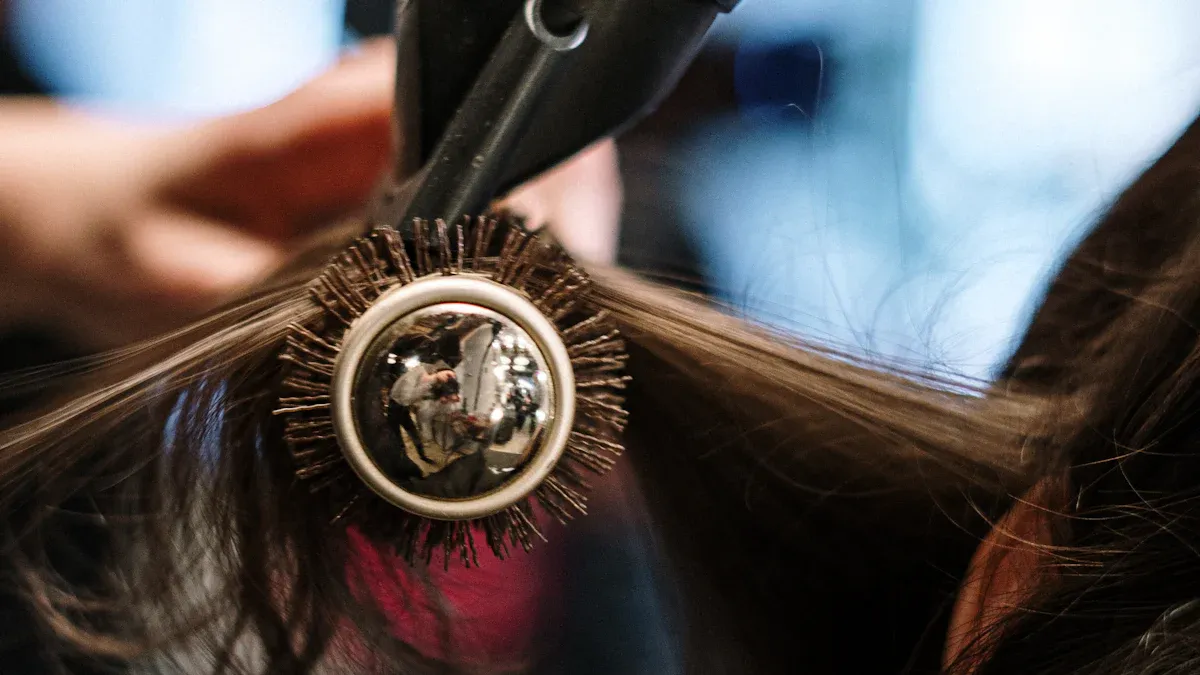
A leading hair dryer manufacturer often produces both a standard AC hair dryer and an advanced BLDC hair dryer from its hair dryer factory. The most critical tool for curly hair, however, is the diffuser attachment for the dryer. This guide demonstrates exactly how to use a diffuser for perfect results every time.
Pro Tip: 💡 The right technique allows anyone to diffuse their hair effectively. One can diffuse with control to unlock defined, voluminous, and frizz-free curls while minimizing potential heat damage.
Your Essential Toolkit for Diffusing Curly Hair
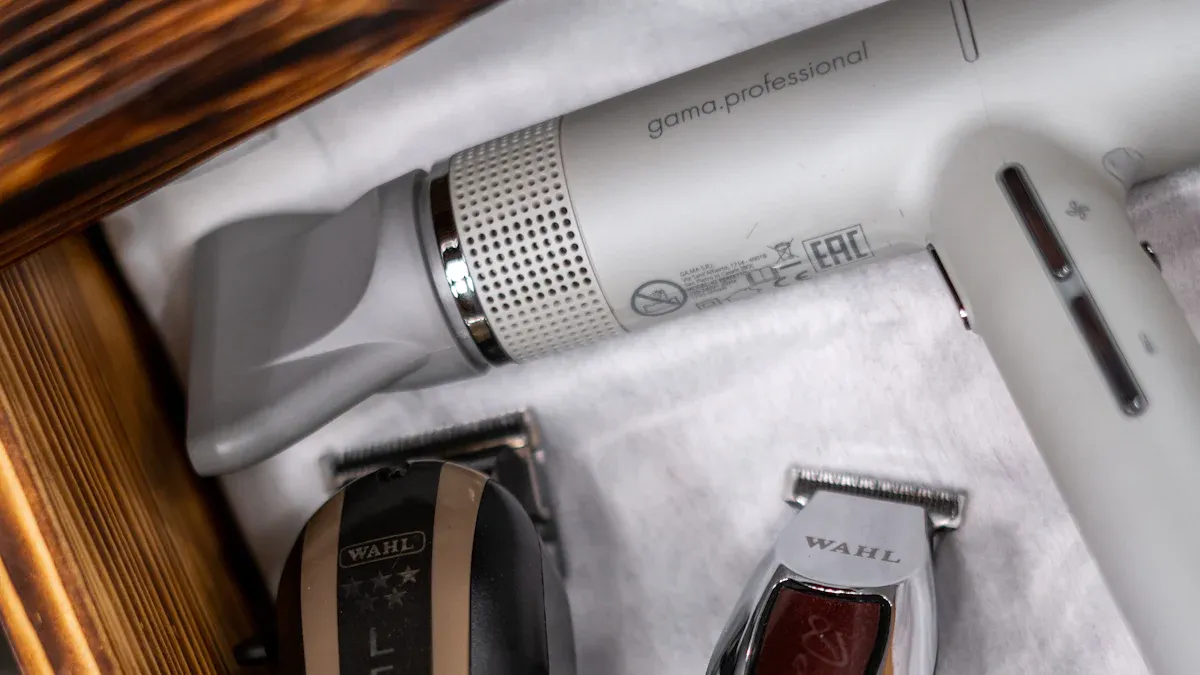
Achieving salon-quality results starts long before turning on the dryer. Assembling the right collection of tools and products is the first critical step for diffusing curly hair. This curated toolkit ensures curls are protected, defined, and prepared for a frizz-free finish.
The Right Tools for the Job
The physical instruments a person uses can make or break their diffusing experience. These three items are non-negotiable for success.
A Hair Dryer with a Diffuser Attachment
The most important tool is a quality hair dryer that comes with a large bowl diffuser. The diffuser disperses the dryer’s airflow over a wider area. This gentle airflow prevents frizz and protects the natural curl pattern. The best dryer for diffusing curly hair often features multiple heat and speed settings. A person should look for a diffuser with long prongs to help lift hair at the root and dry it from the inside out.
Tool Tip: ⚙️ The best dryer for diffusing curly hair is one with adjustable settings. A dryer with low speed and low-to-medium heat options gives a user maximum control. This prevents the harsh blast of air that creates frizz and disrupts curl clumps.
Microfiber Towel or Cotton T-Shirt
Traditional terrycloth towels have rough fibers. These fibers snag on curls, causing frizz and breakage. A microfiber towel or a simple cotton t-shirt offers a superior alternative.
- They absorb excess water without roughing up the hair cuticle.
- They help reduce drying time.
- They are gentle enough to preserve delicate curl clumps.
Sectioning Clips
Sectioning clips help manage hair during the drying process. They allow a person to work on one area at a time. This ensures every curl, from the underlayers to the crown, receives even heat and attention from the diffuser.
The Must-Have Product Lineup
The right curly hair products provide the foundation for a lasting, defined style. Applying the best styling products for curly hair to wet hair is essential for locking in moisture and hold.
Leave-In Conditioner
A leave-in conditioner is the first layer of hydration. It adds moisture, improves manageability, and helps prevent frizz before it can start.
Curl Cream or Mousse
These curl products provide definition and encouragement to the curl pattern. A cream typically offers more moisture and soft hold, while a mousse provides lightweight volume and a stronger hold.
Heat Protectant Spray
A heat protectant is an absolute must. It creates a protective barrier between the hair and the heat from the dryer. This simple step is crucial for maintaining long-term hair health.
Finishing Oil or Serum
A lightweight oil or serum serves two purposes. A person uses it at the very end to gently scrunch out any crunchiness from styling products. It also adds a final layer of shine and tames any lingering flyaways.
Step 1: Prep and Plop for Frizz-Free Curls
A successful curly hair routine begins with proper preparation on wash day. This initial stage sets the foundation for definition and minimizes frizz long before a person begins to diffuse their hair. The goal is to lock in moisture and encourage natural curl clumps to form.
Apply Products to Soaking Wet Hair
The most effective time to apply styling products is when the hair is soaking wet, not just damp. Water helps distribute products evenly and encourages hair strands to group together into defined curls. Applying products to dry or damp hair can lead to an undesirable outcome.
| Application Method | Benefits/Outcomes |
|---|---|
| Soaking Wet Hair | Locks in moisture, creates thick curl clumps, enhances definition, and controls frizz. |
| Damp or Dry Hair | Risks flaking, stickiness, unwanted residue, and stiff, crispy curls. |
Layer Leave-In and Curl Cream for Hydration
A person should start by applying a leave-in conditioner to provide a base layer of moisture. Next, they can rake a curl cream through the hair. This step helps to define the curl pattern and adds softness.
Glaze and Scrunch in Gel for Hold
For long-lasting hold, a gel is essential. One should glaze the gel over the hair’s surface first. Then, they can gently scrunch it upward toward the scalp. This technique encourages curl formation without disrupting the clumps, creating a “cast” that will protect the curls as they dry.
Protect Your Curls from Heat
Using a dryer, even with a diffuser, exposes hair to heat. A heat protectant is a non-negotiable step to preserve hair health. Heat can weaken the protein bonds within the hair, damage the outer cuticle, and cause moisture to evaporate violently from the hair shaft.
A quality heat protectant works by:
- Creating a protective barrier on the hair strand.
- Slowing down heat transfer from the dryer.
- Sealing the cuticle to prevent moisture loss and protein damage.
Evenly Mist with a Heat Protectant
A person should hold the bottle several inches away from their head. They can then mist the heat protectant evenly over all their hair. This simple action is crucial for achieving beautiful, frizz-free curls without sacrificing hair health.
Plop Your Hair to Set the Curl Pattern
Plopping is a gentle method for removing excess water while encouraging curl definition. It sets the curl pattern in its natural shape at the scalp, which helps with volume when it is time to diffuse.
Technique Tip: 💡 For low porosity hair that resists product absorption, a person can try “wet plopping.” After applying products, they can place their hair in a shower cap for 5-10 minutes. The trapped heat helps open the hair cuticle, allowing products to penetrate more deeply before using the microfiber towel.
Lay Hair in a Microfiber Towel
One should lay a microfiber towel or cotton t-shirt on a flat surface. Then, they can flip their hair forward, allowing the curls to pile on top of themselves in the center of the towel.
Tie and Let it Sit for 15-20 Minutes
A person can then fold the back of the towel over their head to the nape of their neck. They should twist the sides and tie them securely. Letting the hair sit for 15-20 minutes allows the towel to absorb excess water without creating frizz, perfectly prepping the hair for the diffuser.
Step 2: How to Diffuse Curly Hair with the Right Settings
After prepping the hair, the next phase involves the dryer itself. The settings a person chooses on their hair dryer are just as important as the products they use. Mastering the correct heat and airflow is fundamental to understanding how to diffuse curly hair for a smooth, defined finish.
The Golden Rule: Low and Slow
Patience is the key to successful diffusing. The “low and slow” method is the universal rule for preventing frizz and protecting the integrity of the curl pattern. Rushing the process with high settings is a direct path to flyaways and undefined curls.
Set Heat to Low or Medium
A person should always start with the heat setting on low or medium. High heat can cause damage and strip essential moisture from the hair. A gentle, consistent warmth is all that is needed to effectively dry the hair when using a diffuser. This lower temperature helps the curl cast set properly without shocking the hair cuticle.
Set Airflow to Low Speed
The speed setting on the dryer must be on low. A powerful blast of air, even when dispersed, will blow curls apart and create immediate frizz. Low airflow allows a person to gently diffuse the hair, preserving the curl clumps that were formed during the prep stage.
- Using low speed on the dryer helps protect the natural curl pattern.
- It prevents the harsh airflow that causes frizz and disrupts curls.
- A hands-off approach is best; one should avoid touching curls until they are completely dry to preserve the clumps.
Why High Settings Cause Frizz
Using high heat and high speed on a dryer seems like a time-saver, but it actively works against the goal of diffusing curly hair. These settings create an environment that promotes frizz and disrupts the careful work done in the prep stage.
Science of Frizz: 💡 When hair becomes overly dry from intense heat, it acts like a sponge. It tries to absorb moisture from the surrounding air. This rapid intake of water causes the hair shaft to swell, lifting the outer cuticle layer and resulting in visible frizz.
Avoiding Flash Drying and Disruption
High heat from a dryer can lead to “flash drying,” where the hair’s surface dries almost instantly. This process can be worsened by certain product ingredients that form films on the hair, preventing water absorption and causing the hair to shed moisture too quickly. This rapid dehydration signals the hair to pull in atmospheric humidity, which causes the cuticle to swell and frizz. A powerful dryer airflow physically blows curl families apart, undoing all the clumping and definition.
Protecting Your Curl Clumps
The “cast” created by gel or mousse is a protective shell around curl clumps. High-speed air can break this cast prematurely, exposing vulnerable, damp hair. When the cast is broken too early, the curls are not yet set and will separate into smaller, frizz-prone strands. To properly diffuse, a person must use gentle settings that dry the cast first, allowing the curl inside to take its final shape. This careful approach with the diffuser is essential for achieving a polished look.
Step 3: Master the Core Diffusing Techniques
With the dryer on the correct settings, a person can begin the active drying process. There are different methods for diffusing curly hair, but two core techniques deliver the best results: hovering and cupping. Mastering both is essential for achieving a balance of definition and volume. These different methods for diffusing curly hair work together to build the perfect style.
The “Hover” Method to Set Your Cast
The first technique is a hands-off approach. The hover method gently dries the outer “cast” of the hair without touching it. This step is critical for locking in the curl pattern and preventing frizz before adding volume.
Hold the Diffuser Away from Your Hair
A person should hold the dryer so the diffuser is positioned a few centimeters away from the hair. They can then begin making slow, circular movements around the head. The goal is to circulate warm air around the curls rather than blasting them directly. This gentle approach starts the drying process without disrupting the curl clumps.
Dry the Outer Cast for a Few Minutes
The initial phase of diffusing curly hair should focus entirely on setting the cast. A person should hover the diffuser around their head for several minutes, drying the hair to about 50% dryness. This technique is a foundational step in many professional tutorials for achieving maximum curl definition.
- Start by hovering to allow the curls to set.
- This process enhances curls for definition and volume.
- It is a crucial step for limiting frizz during the drying process.
The “Cupping” Method for Definition
After the cast is set, a person can switch to the cupping method. This traditional technique involves using the diffuser bowl to scrunch the hair, which encourages clumping and builds volume from the ends to the roots.
Technique Tip: 💡 To avoid frizz, a person must keep their fingers out of their hair during this stage. The diffuser bowl should do all the work of lifting and supporting the curls.
Gently Cup Ends into the Diffuser Bowl
A person should work in sections. They can start by gently gathering the ends of one section of hair into the bowl of the diffuser. This motion should be soft to avoid breaking the partially set cast.
Bring the Diffuser Up to the Scalp
Once the ends are nestled in the diffuser, a person can slowly bring the dryer up toward the scalp. This “up-down” motion mimics a scrunching movement. It helps to compress the curls, which aids in clumping and creates a bouncier, more defined result than air-drying alone. This is a key part of how to diffuse for better shape.
Hold for 30-60 Seconds Per Section
A person should hold the diffuser against the scalp for 30 to 60 seconds. This allows the heat to dry the section thoroughly, locking in the compressed curl shape. They can then release the section and move to the next. This method provides visible cosmetic improvements, giving each curl group a polished and defined appearance as a person continues to diffuse the hair.
Step 4: How to Diffuse for Maximum Volume
Once the curls are defined, the focus shifts to creating lift and body. Volume is what gives curly hair its impressive presence. The key is to work against gravity, lifting the roots away from the scalp as they dry. Different methods for diffusing curly hair, such as changing head position, are essential for building a full, three-dimensional style.
Flip Your Hair Upside Down
Flipping the hair upside down is a classic technique for a reason. This position uses gravity to its advantage, pulling the hair directly away from the scalp. Hair sets in the position it dries, so this simple flip is a powerful first move for achieving significant root lift.
Focus on Lifting and Drying the Roots
With the hair flipped over, a person can easily access the roots. They should use the “cupping” method from the previous step, but with a focus on the root area. The prongs of the diffuser can gently lift sections at the scalp, allowing warm air from the dryer to circulate. This technique is crucial for preventing the flat top that can sometimes occur with curly styles. Directing the airflow downward toward the head helps keep the hair cuticle smooth and prevents frizz.
Pro Tip: 💡 For extra structure at the root, a person can apply a texturizing foam or sea salt spray before they begin to diffuse. These products provide a flexible hold that supports volume without weighing the hair down.
Target the Nape and Crown Areas
The nape of the neck and the crown are often the most difficult areas to dry and volumize. Diffusing curly hair while upside down provides unparalleled access to these spots. A person should spend extra time hovering the dryer and cupping sections in these key zones. This ensures the entire head of hair dries evenly and that volume is consistent from the front to the back.
Tilt Your Head from Side to Side
After addressing the roots upside down, a person should continue building volume by tilting their head. This motion helps create movement and ensures the hair does not set flat on the sides. It is a critical step for achieving a well-rounded shape instead of volume that is only concentrated at the crown.
Diffuse Each Side for Even Volume
A person should tilt their head far to one side, letting the hair fall away from the scalp. They can then use the cupping method to diffuse the exposed side, moving the diffuser from the ends up to the roots. Holding each section for 30-60 seconds before moving to the next helps lock in the lift. Repeating this process on the opposite side ensures balanced, symmetrical volume.
Reach Underneath Layers for Fullness
Tilting the head also exposes the underlayers of the hair, which are often neglected. A person can use their free hand to gently lift the top sections of hair, allowing the diffuser to reach the layers underneath. Drying these hidden sections prevents them from remaining damp and weighing down the rest of the style. This final detail is what creates true, all-over fullness and a professional-looking result.
Step 5: The Finishing Touches for Perfect Curls
The final steps of diffusing curly hair are just as crucial as the first. Knowing when to stop using the dryer and how to properly finish the style will determine the final look and feel of the curls. These last touches transform a crunchy cast into soft, defined, and touchable hair.
Know When to Stop Diffusing
One of the most common mistakes is over-drying the hair. A person must learn to recognize the point of diminishing returns, where more heat from the dryer will create frizz instead of definition. The goal is to stop just before the hair is completely dry.
Aim for 80-90% Dry
A person should continue to diffuse their hair until it is about 80-90% dry. The hair will still feel slightly cool to the touch, but it should no longer be dripping or obviously wet. The outer cast created by the styling products should feel firm and established. Stopping at this stage prevents the hair from becoming dehydrated and frizzy.
Let Your Hair Air-Dry the Rest of the Way
Once the hair is mostly dry, a person should turn off the dryer and let the hair air-dry for the remaining 10-20%. This gentle finishing process allows the curls to settle into their final shape without the risk of heat damage or disruption from the diffuser. This hands-off period is essential for a frizz-free result.
Break the Cast for Softness
The “cast” is the firm, sometimes crunchy shell that forms around curls as styling gel dries. This temporary shell is intentional. It acts as a protective barrier, shielding curls from humidity and friction while they set. Breaking this cast correctly reveals soft, shiny curls with excellent hold.
Wait Until Hair is 100% Dry
A person must wait until their hair is completely, 100% dry before touching the cast. Breaking the cast while the hair is still damp will disrupt the curl pattern and invite frizz. Patience during this final waiting period is non-negotiable for a polished outcome.
Use a Light Oil or Serum on Your Hands
Choosing the right product is key to breaking the cast without causing frizz. A person should select a lightweight, non-greasy oil or serum that adds slip and shine. Rubbing a few drops of hair oil between the hands before scrunching helps soften the hair.
Product Spotlight: 💡 Excellent options include weightless formulas designed to protect hair and add gloss.
- Bouclème’s Revive 5 Hair Oil uses moringa and mongongo oils for bouncy curls.
- Unbreakable Bonds™ Weightless Bonding Oil is a fast-absorbing option that provides a silky glide.
- Mongongo Oil Multi-Use Curl Treatment is ideal for drier hair, offering a nutrient-rich moisture layer.
Gently Scrunch Out the Crunch (SOTC)
With oiled hands, a person can begin to “scrunch out the crunch.” They should gently cup sections of hair and scrunch upward toward the scalp. The oil on their hands will help break the cast smoothly, revealing the soft curls underneath. This final step in the process to diffuse hair completes the transformation from wet clumps to a finished style. This is the last time a person should need to manipulate their hair after diffusing curly hair.
How to Diffuse Curly Hair Without Frizz: Common Mistakes to Avoid
Understanding the proper technique is only half the battle. A person must also know what not to do. Avoiding a few common pitfalls is the secret to mastering how to diffuse curly hair without frizz and achieving consistent, beautiful results. These errors can quickly undo all the careful prep work.
Using High Heat and High Speed
The most frequent mistake when diffusing curly hair is impatience. Using high heat and high-speed settings on the dryer seems like an efficient shortcut. In reality, it is the primary cause of unwanted frizz and flyaways.
The Fastest Way to Create Frizz
A powerful blast of hot air disrupts the hair’s outer cuticle layer. It causes flash drying, which strips moisture too quickly and makes the hair desperate for hydration from the air. This process leads directly to frizz. The intense airflow also physically blows apart the delicate curl clumps a person worked to create. Effective frizz control requires a gentle approach. A person should always diffuse with low speed and low-to-medium heat.
Touching Your Hair While Drying
Another common habit is constantly touching or scrunching the hair with one’s hands during the drying process. While it may feel productive, this action creates friction and disrupts the curl pattern before it has a chance to set completely.
Why a Hands-Off Approach is Best
A hands-off approach is one of the most crucial curly hair tips for a successful outcome. The diffuser bowl should do all the work of cupping and lifting the hair.
- Fingers can break the gel cast prematurely.
- Touching hair separates curl clumps into smaller, frizz-prone strands.
- Natural oils from the hands can transfer to the hair, weighing it down.
Reminder: 🚫 Keep hands out of the hair until it is 100% dry and ready for the “scrunch out the crunch” step. Let the tools do the work.
Over-Drying Your Curls
It is logical to think that hair should be completely dry before turning off the dryer. However, continuing to diffuse past a certain point does more harm than good. Over-drying is a subtle mistake that leads to brittle, frizzy hair.
The 90% Dry Rule Revisited
The goal of diffusing curly hair is to set the style, not to bake it dry. A person should stop the process when the hair is about 80-90% dry. The hair will still feel slightly cool, but the cast will be firm. Letting the hair air-dry the rest of the way allows it to retain internal moisture. This final, gentle phase is essential for achieving soft, defined, and frizz-free curls. Over-drying with heat is a guaranteed way to compromise hair health and style longevity.
Skipping the Heat Protectant
Forgoing a heat protectant is a damaging oversight in any hair care routine involving heat. Some people may view it as an optional step, but it is a fundamental requirement for maintaining hair health. This mistake directly undermines the goal of achieving frizz-free curls, as heat exposure without a barrier causes irreversible harm.
Protecting Hair Health is Non-Negotiable
Protecting the hair from thermal stress is a non-negotiable part of learning how to diffuse curly hair. A study concluded that increased exposure to heat contributes directly to greater hair damage. This damage is cumulative, meaning it worsens with each session. Consistently applying heat without a barrier leads to significant consequences.
- Increased Dryness and Frizz: Excessive heat strips the hair of its natural moisture. This dehydration causes the hair cuticle to lift as it tries to absorb moisture from the air, resulting in chronic frizz.
- Weakened Structure: High temperatures can break down the keratin proteins that give hair its strength, leading to brittleness and breakage over time.
- Dull Appearance: A damaged cuticle layer does not reflect light well, causing curls to lose their natural shine and vibrancy.
A quality heat protectant works by creating a microscopic shield around each hair strand. This barrier is essential for mitigating thermal damage.
How It Works: 🔬 Common ingredients like silicones, polyquaterniums, and specific copolymers (such as PVP/DMAPA acrylates copolymer) form a thin, protective film on the hair. This layer functions like an oven mitt, slowing down heat transfer and distributing it more evenly to prevent localized overheating.
This protective action provides several key benefits for the hair.
| Protective Action | Benefit for Curls |
|---|---|
| Forms a Barrier | Prevents rapid moisture loss and shields the inner keratin structure from thermal stress. |
| Slows Heat Conduction | Gives the hair more time to adapt to the temperature, reducing the shock that causes damage. |
| Conditions the Cuticle | Ingredients like Sunflower Oil, which has a high smoking point, can smooth the cuticle, adding shine and preserving color. |
Ultimately, this single step preserves the integrity of the hair. It allows a person to enjoy the styling benefits of a diffuser without sacrificing the long-term health and beauty of their curls.
Following a definitive method is the key to achieving frizz-free curls. The process ensures success from start to finish.
- A person preps the hair with hydrating products and a crucial heat protectant.
- They select the correct low settings on the dryer.
- They diffuse the hair in sections from the ends upward.
- Flipping the head upside down builds volume at the root.
- A finishing oil is applied to add shine and moisture.
This “low and slow” strategy is the best way to achieve soft, healthy, frizz-free curls. With practice, this routine becomes a reliable way to diffuse for flawless results.
FAQ
How is diffusing different from air-drying?
Diffusing provides significantly more volume and curl definition than air-drying. It actively sets the curl shape and reduces drying time. Air-drying often results in flatter roots and a less controlled, elongated curl pattern. A diffuser gives a person more styling control.
How long does it take to diffuse curly hair?
The total time depends on hair density and length. A person should plan for 15 to 30 minutes. Following the “low and slow” method requires patience but ensures a frizz-free finish. Rushing the process with high heat will compromise the results.
Can a person use a diffuser on wavy hair?
Yes, a diffuser is an excellent tool for enhancing wavy hair. It encourages the natural wave pattern, boosts volume, and minimizes frizz. A person with wavy hair should follow the same core techniques used for curly hair, including the “low and slow” settings.
What is the purpose of the cool shot button?
The cool shot button sets the style for a longer-lasting hold. After a section is dry, a person can use a blast of cool air. This action closes the hair’s cuticle layer, which locks in the curl shape and adds a noticeable amount of shine.
What should a person do if frizz still occurs?
Frizz after diffusing often signals a need for more moisture or hold. A person can try applying more leave-in conditioner or a stronger gel during prep. They must also ensure the hair is 100% dry before they scrunch out the cast.
Is it possible to diffuse hair without any products?
Diffusing without products is not recommended. Styling products provide essential moisture, hold, and definition. Most importantly, a heat protectant is non-negotiable to shield hair from thermal damage. Skipping products often leads to frizz and dryness.
How often can a person safely diffuse their hair?
A person can diffuse their hair after every wash. Consistent use of a heat protectant is crucial to prevent cumulative damage. Limiting heat exposure when possible is always the best practice for maintaining optimal long-term hair health and strength.