
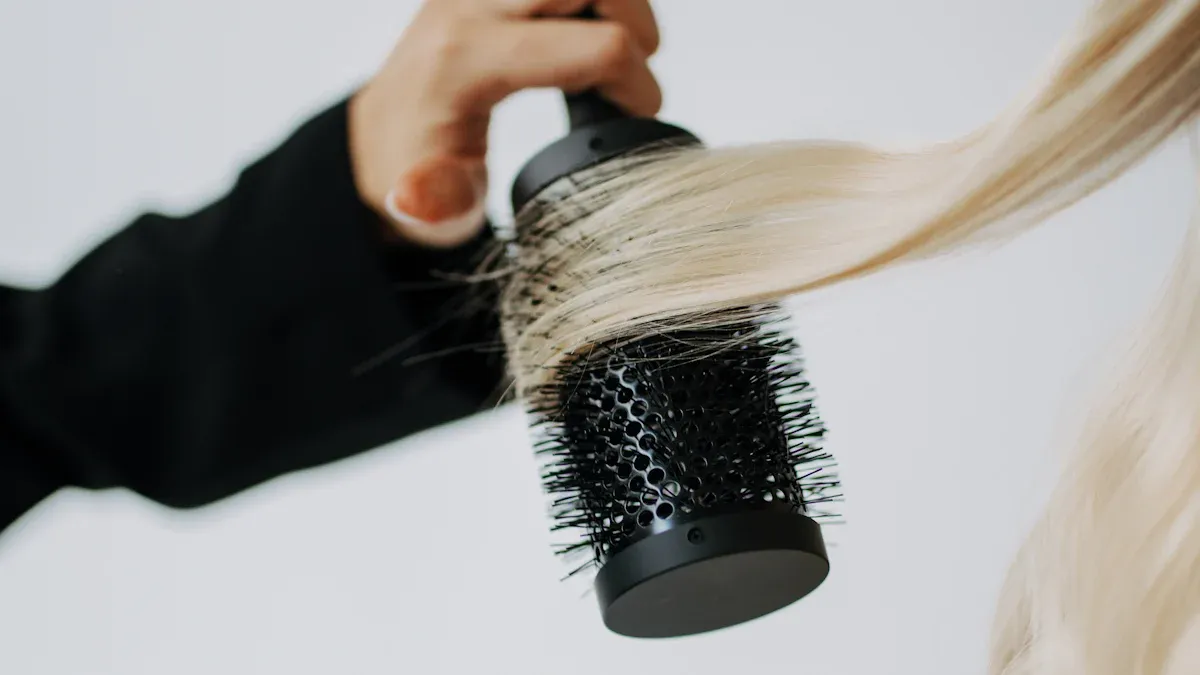
Many individuals believe a perfect blowout is only possible at a professional salon. However, achieving salon-quality results with an at-home blowout is entirely feasible. Success hinges on mastering professional blow-drying. This requires proper techniques and equipment, whether using a BLDC hair dryer or a common AC hair dryer. Any reputable hair dryer manufacturer from a leading hair dryer factory knows this. This guide provides the exact steps to create a flawless, salon-level blowout every time.
Choosing the Right Tools for a Salon-Quality Blowout
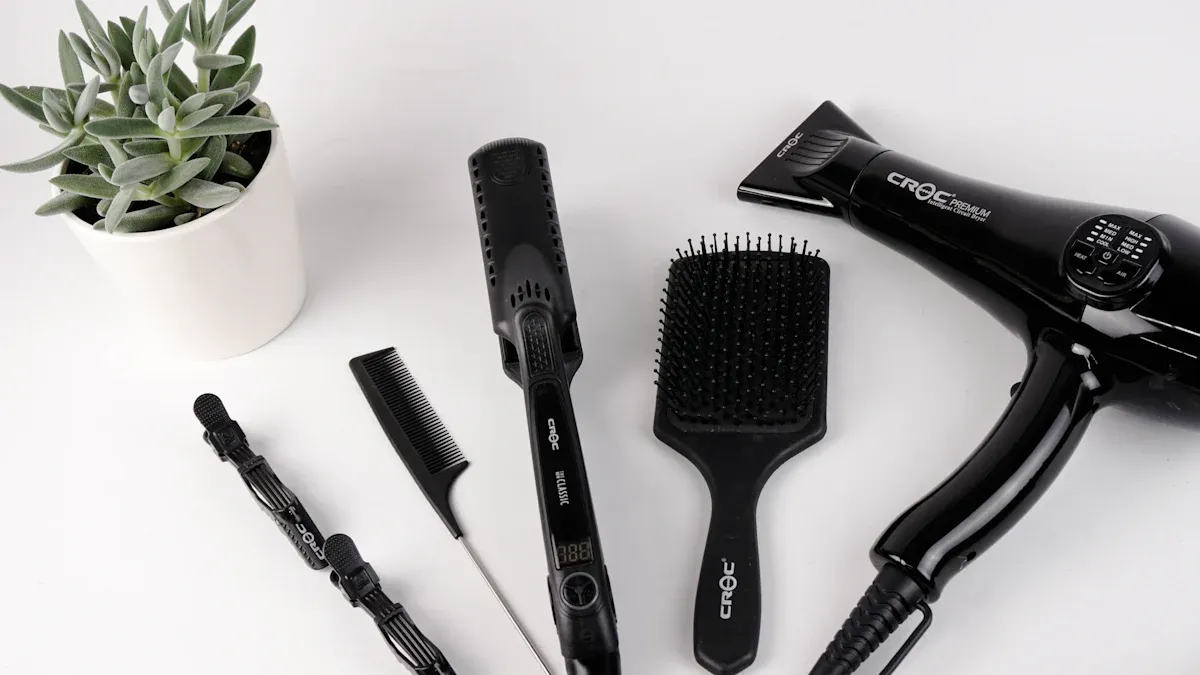
Achieving a salon-quality blowout at home begins long before the dryer is turned on. The selection of professional-grade tools and products is the foundation for a flawless finish. The right equipment not only makes styling easier but also protects hair from damage, ensuring a healthy, beautiful result.
Selecting Your Hair Dryer
Not all hair dryers are created equal. Investing in a quality tool is the first step toward replicating a professional salon blowout.
Ionic vs. Ceramic Technology
- Ionic dryers release negative ions that break down water molecules, leading to faster drying with less heat. This technology helps seal the hair’s cuticle, reducing frizz and creating a smooth, shiny finish.
- Ceramic dryers provide even, consistent heat, which is gentler on the hair. Many professional-grade blow dryers combine both technologies for optimal results.
Why Wattage Matters (1500W and Up)
A hair dryer’s wattage directly correlates with its power. Higher wattage leads to faster drying times because it supports a stronger motor and more powerful airflow. A wattage of 1500W or higher offers a good balance for most hair types. However, the ideal power level depends on hair texture.
| Hair Type | Recommended Wattage |
|---|---|
| Fine/Thin | < 1800 watts |
| Most Hair Types | 1500-1875 watts |
| Thick/Coarse | > 2000 watts |
The Importance of Heat and Speed Settings
Adjustable settings provide total control. Low heat is ideal for fine hair and finishing a style, while high heat is necessary for thick or coarse hair. Multiple speed settings allow for customized airflow, from gentle drying to a powerful blast.
Must-Have Attachments: The Concentrator Nozzle
The concentrator nozzle is non-negotiable for a controlled blowout. It directs the airflow into a concentrated stream, allowing for precise styling. This focus helps to smooth the hair cuticle and create a polished look.
Finding the Perfect Brush
The right brush works with the hair dryer to create shape and texture. The choice between a round or paddle brush depends entirely on the desired outcome.
Round Brushes for Volume and Curls
Round brushes are essential for creating volume, soft curls, and bouncy waves. The barrel size determines the effect; smaller barrels create tighter curls, while larger ones build volume and soft bends.
Paddle Brushes for Sleek, Straight Styles
Paddle brushes are best for achieving a sleek, straight finish. Their flat, wide surface helps to smooth large sections of hair quickly, making them perfect for those with long, straight hair who want a polished look without added volume.
Boar Bristle vs. Nylon Bristles
The type of bristle affects tension and shine.
Pro Tip: Many professional brushes feature a combination of both boar and nylon bristles to offer the benefits of detangling and shine enhancement in a single tool.
| Feature | Boar Bristles | Nylon Bristles |
|---|---|---|
| Material | Natural (keratin) | Synthetic |
| Hair Interaction | Grips hair for tension | Glides through hair |
| Shine Promotion | Polishes and smooths cuticle | N/A |
| Detangling | N/A | Excellent for detangling |
Essential Styling Products
Styling products are the secret weapon of every salon professional. They protect the hair, build a foundation for the style, and provide a lasting finish.
The Non-Negotiable Heat Protectant
Heat protectants are essential. They create a barrier between the hair and the heat, preventing damage, breakage, and moisture loss. This product should always be the first styling layer applied to damp hair.
Volumizing Mousse or Root Lifter
For those seeking volume, a mousse or root lifter is key. These products are applied to the roots before drying to provide lift and body that lasts all day.
Smoothing Serums and Finishing Sprays
A lightweight smoothing serum applied after the blowout tames flyaways and adds brilliant shine. A flexible-hold hairspray then locks the style in place without creating stiffness.
The Foundation: Prepping Your Hair for the Perfect Blow Dry
A truly exceptional blowout begins not with the dryer, but with meticulous preparation. The steps taken before heat is ever applied create the ideal canvas for a smooth, voluminous, and long-lasting style. This foundational work ensures hair is clean, protected, and ready for styling.
Start in the Shower
The path to a perfect blow dry starts with the wash. Using the right products and techniques in the shower sets the stage for success.
How to Properly Wash and Condition
Individuals should select a shampoo and conditioner formulated for their desired result. For ultimate smoothness, a sulfate-free duo like Pureology Smooth Perfection calms frizz and softens hair texture. Those seeking volume can use a product like Cascade Blowout Shampoo. Its formula uses grapefruit extract to clarify and add shine, while avocado oil replenishes moisture, prepping hair for a bouncy, lasting blowout. The goal is to cleanse the hair of impurities without stripping it of essential moisture.
The Final Rinse: Using Cool Water
After conditioning, a final rinse with cool water is a critical step. This simple action helps to snap the hair cuticle shut. A closed cuticle creates a smoother surface, locks in the benefits of the conditioner, and provides a flawless base for achieving mirror-like shine in the final style.
The Art of Towel-Drying
How hair is dried post-shower has a significant impact on frizz and hair health. Aggressive towel-drying is a primary cause of damage and unruly texture.
Ditch the Terrycloth Towel for a Microfiber One
Stylists recommend replacing standard terrycloth towels with a microfiber alternative. Terrycloth’s rough loops create friction that ruffles the hair cuticle, leading to frizz and breakage.
Pro Tip: Microfiber towels are gentler and more absorbent. They use capillary action to pull water from the hair, reducing friction and cutting down drying time. This helps prevent damage, as hair is most vulnerable when wet.
Gently Squeeze, Never Rub
With a microfiber towel, one should gently squeeze or blot sections of hair to remove excess water. This technique prevents the tangling and snagging caused by rubbing hair with a coarse towel. The hair should be about 70-80% dry before styling begins.
Applying Prep Products
With hair properly towel-dried, it is time to apply styling products. This step protects the hair and builds the foundation for the style.
Detangle with a Wide-Tooth Comb
Before applying any products, gently detangle the hair with a wide-tooth comb. Starting from the ends and working up to the roots prevents breakage and ensures products can be distributed evenly.
Layering Your Products Correctly
The order of product application is crucial for optimal performance. Professionals follow a specific sequence to protect the hair and build style.
- Heat Protectant First: Always apply a heat protectant to damp hair from roots to ends. This creates an essential barrier against heat damage.
- Volume and Hold Next: Apply volumizing mousse or root lifter. Work the product from the ends upward to add body and hold.
- Shine Serums Last: Smoothing and shine serums are best used as a finishing touch on completely dry hair to tame flyaways and add gloss.
Ensuring Even Distribution from Root to Tip
When applying products, it is vital to ensure they are distributed evenly. Combing the products through the hair helps coat every strand, guaranteeing consistent protection and styling results.
Sectioning: The Secret to Control and Even Drying
Professional stylists understand a fundamental truth: control is everything. Attempting to dry an entire head of hair at once leads to an uneven, frizzy result. Sectioning is the non-negotiable technique that separates amateurs from pros. It transforms a chaotic task into a methodical process, ensuring every strand receives the right amount of attention for a flawless finish.
Why Sectioning is Non-Negotiable
Dividing the hair into manageable sections is the cornerstone of an effective styling routine. This simple step offers significant benefits for both hair health and the final look.
Prevents Over-Drying and Heat Damage
Working with the entire head of hair at once means some areas inevitably get blasted with heat long after they are dry. Sectioning allows for focused drying, ensuring each portion is dried completely and efficiently. This targeted approach prevents repeated heat exposure on already-dry strands, minimizing damage and protecting hair integrity.
Makes Managing Hair Easier
A large mass of damp hair is difficult to control with a brush and dryer. Sectioning creates smaller, more manageable zones to work with. This gives the individual superior control over the brush tension and airflow, which is critical for smoothing the cuticle and achieving a polished, professional-grade blowout.
How to Section Your Hair Like a Pro
Replicating the salon technique at home is straightforward with the right method. The classic four-quadrant section is a simple yet highly effective industry standard.
The Classic Four-Quadrant Method
This method divides the hair into four equal parts for maximum control. Individuals can achieve this with a few simple steps using a rat-tail comb.
- Create a clean center part from the forehead all the way back to the nape of the neck.
- Make a second part horizontally, running from the top of one ear to the other.
- This process creates four distinct quadrants: a front left, front right, back left, and back right.
Using Professional Hair Clips to Secure Sections
Once the quadrants are created, each one must be secured.
Pro Tip: Use professional-grade alligator or duckbill clips. These clips can hold large amounts of hair securely without leaving creases or dents. Twisting each section into a small bun before clipping keeps it neatly out of the way while working on another area.
Working Through Your Sections
The order in which sections are dried is just as important as creating them. A strategic workflow prevents re-wetting dried hair and builds the style logically.
Start at the Nape and Work Your Way Up
Stylists always begin with the back sections at the nape of the neck. One should release one of the bottom quadrants and work on it until it is completely dry. This method ensures that damp hair from the top sections does not fall onto and ruin the smooth, finished hair below.
Leave the Top Sections for Last
The front and top sections are the most visible parts of any hairstyle. Saving these for last allows for maximum focus on creating volume at the crown and perfectly framing the face. This final step is where the polished shape of the blowout truly comes to life.
Mastering the Core Blow Drying Technique
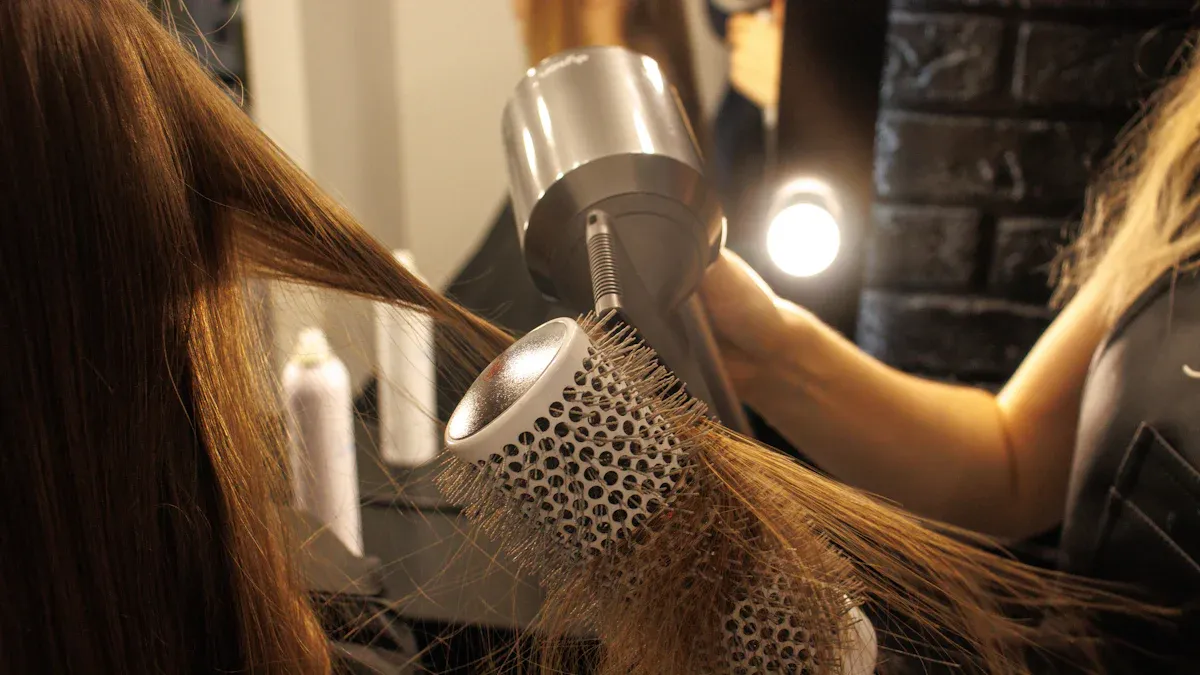
With the hair prepped and sectioned, the next phase is the application of heat and airflow. This is where individuals can truly master the blow-drying technique. The right methods transform damp, sectioned hair into a sleek, voluminous, and professional-looking blowout. These core techniques are what separate a basic drying job from a salon-quality finish.
Setting Up for Success
Proper setup before drying the first section is critical. These initial steps ensure maximum control and efficiency throughout the styling process.
Attach the Concentrator Nozzle
The concentrator nozzle is an indispensable tool. A stylist attaches this accessory to the hair dryer to direct the airflow into a focused, powerful stream. This precision is essential for targeting specific areas of a hair section, which helps to smooth the hair cuticle effectively and reduce frizz.
Select Medium Heat and High Speed
A good starting point for most hair types is a medium heat and high speed setting. However, professionals adjust these settings based on hair texture and condition to prevent damage and achieve the best results.
| Hair Type | Recommended Heat | Recommended Speed |
|---|---|---|
| Fine | Low | High (with caution) |
| Medium | Medium | High |
| Coarse | High (with caution) | High |
| Curly | Low | Low |
Note: Curly hair requires low heat and low speed, preferably with a diffuser, to define the curl pattern without causing frizz. High-speed air can disrupt and separate curls.
The Root-to-Tip Method
A systematic approach to drying each section of hair ensures an even, polished result. The root-to-tip method is a foundational blow drying technique that builds volume, creates shine, and delivers a flawless blowout.
Creating Tension with Your Brush
Creating tension is the key to a smooth, frizz-free finish. The brush grips the hair, holding it taut as the dryer passes over it. This tension allows the heat and air to reshape and seal the hair cuticle.
- Begin by wrapping a small subsection of hair around the round brush, starting at the roots.
- Pull the brush through the hair, keeping the strands as taut as possible. This action is crucial for sealing the cuticle.
- Dry the roots first, then move to the mid-shaft, and finish with the ends.
- For added volume, an individual can pull the brush upwards and away from the scalp while drying.
Aiming the Airflow Down the Hair Shaft
The direction of airflow is paramount. A stylist always points the dryer’s nozzle downward, following the brush from root to tip. This encourages the hair cuticles to lie flat.
- Angling the dryer this way locks in shine and creates a sleek surface.
- Drying hair in random directions ruffles the cuticle, which is a primary cause of frizz and dullness.
- Every pass of the dryer should be deliberate, with the nozzle moving in unison with the brush down the hair shaft.
Keeping the Dryer in Constant Motion
Holding the dryer stationary on one spot concentrates intense heat, leading to damage. Professionals keep the hair dryer moving continuously. This constant motion ensures heat is distributed evenly across the hair section, preventing hot spots and protecting the hair’s integrity.
Focusing on Specific Areas
Within each section, a stylist focuses on different parts of the hair shaft in a specific order. This is one of the most important techniques for building structure and polish into the style.
Drying the Roots First for Volume
Volume is built at the scalp. Focusing heat at the roots first provides lift and body that lasts.
- For significant volume, a person can flip their head upside down and rough-dry the roots until they are about 80% dry.
- After returning to an upright position, using a round brush to pull hair up and away from the scalp while drying locks in the lift.
- Applying a root lift product to damp hair before starting enhances this effect.
Smoothing the Mid-Lengths and Ends
After establishing volume at the root, the focus shifts to the rest of the hair. The stylist continues to use the brush to maintain tension, gliding the dryer down the mid-lengths and ends. This final step polishes the hair, creating a silky, smooth finish and completing the look for that section.
The Best Way to Blow Dry Hair for Volume and Shape
Once the core drying technique is established, a stylist can focus on creating specific shapes and adding targeted volume. This is the best way to blow dry hair to elevate it from simply dry to a professionally styled look. Mastering brushwork and directional drying allows an individual to sculpt the hair, building lift at the crown and creating texture through the ends for a true salon finish.
Building Maximum Volume at the Crown
The crown is the architectural foundation of a voluminous style. Creating lift in this area prevents the hair from falling flat and provides a lasting, bouncy silhouette.
Over-Directing Hair for Lift
Over-direction is a professional technique used to create maximum volume. It involves pulling a section of hair up and forward, in the opposite direction of how it will naturally lie.
Pro Tip: While drying the root area of a crown section, a person should pull the hair straight up towards the ceiling with the round brush. Directing the dryer’s airflow at the base of the lifted section forces the roots to stand away from the scalp, creating significant and lasting lift.
Using Your Round Brush at the Roots
The round brush is the primary tool for building volume directly at the scalp. Proper technique is essential to create lift without causing tangles. To achieve a smooth result, a stylist follows specific rules.
- Mind the section size. An individual should avoid taking a section of hair that is wider or thicker than the round brush. Overloading the brush can cause the hair to collapse and tangle around the tool.
- Rotate in one direction. A person must always rotate the round brush in a single, consistent direction. Reversing the rotation after starting will likely cause the brush to get stuck in the hair.
Creating Shape with Your Brush
The brush is not just for smoothing; it is a styling wand for shaping the hair. Different brush movements can produce vastly different results, from soft waves to a pin-straight finish. This is how to create volume and natural movement for a polished blowout.
How to Create Soft Curls and Bends
For a soft, bouncy look, a stylist uses the round brush to create a bend at the ends of the hair. As the brush reaches the last few inches of a section, the individual should rotate the brush a full turn or two while continuing to apply heat. This motion curls the ends around the barrel, setting a gentle wave. Holding the shape for a moment before releasing gives the bend more staying power.
How to Achieve a Pin-Straight Finish
For an ultra-sleek style, tension is the most important factor. A person can use a large round brush or a paddle brush for this technique. The key is to pull the hair extremely taut from root to tip. The dryer’s nozzle should follow the brush closely, moving down the hair shaft to seal the cuticle flat. This method produces a glass-like, smooth finish without any bends.
Handling Difficult Areas
Certain areas, like the hairline, bangs, and cowlicks, require special attention. These spots are often prone to frizz and have their own growth patterns, but a targeted approach can tame them effectively. The best way to blow dry hair includes mastering these tricky sections.
Taming the Hairline and Bangs
Bangs and the delicate hairs around the face are often the first to frizz. Professionals blow dry this area first, while the hair is still quite damp, to gain maximum control.
- After applying a heat protectant, a stylist uses a brush to pull the bangs first to the far left, aiming the dryer’s nozzle downward.
- They repeat the process immediately, pulling the bangs to the far right. This side-to-side motion confuses the roots and neutralizes any cowlicks.
- When the bangs are almost dry, the stylist uses a large round brush to pull them forward, creating a slight curve for a soft, face-framing shape. This completes the salon-quality finish for the front of the blowout.
Smoothing Cowlicks and Unruly Strands
A cowlick is a section of hair with a strong, contrary growth pattern. To smooth a cowlick, an individual must apply direct heat and tension. Using the concentrator nozzle, a person should press the hair flat against the scalp with a brush, aiming the airflow directly at the root in the desired direction. Holding the hair in this new position until it cools helps to reset its pattern and create a uniform look.
Finishing Touches for Long-Lasting Salon-Quality Results
A blowout is not complete once the dryer is turned off. The final steps are what elevate the style from simply dry to professionally finished. These finishing touches seal the hair, add shine, and provide the longevity expected from a high-end salon. Mastering this last phase ensures the hard work results in a flawless, lasting look.
The Power of the Cool Shot
The cool shot button is one of the most underutilized features on a hair dryer, yet it is critical for achieving salon-quality results. This blast of cold air is a stylist’s secret for setting a style.
How Cold Air Seals the Hair Cuticle
The science behind the cool shot is simple. Warm air makes hair pliable by breaking down its hydrogen bonds, allowing it to be reshaped. Cold air rapidly reverses this process.
- It solidifies the hair’s internal structure in its new, styled form.
- This action causes the outer cuticle layer to snap shut.
- A closed cuticle creates a smooth, flat surface that reflects more light, resulting in incredible shine and reduced frizz.
When to Use the Cool Shot on Each Section
A stylist uses the cool shot strategically. After a section of hair is completely dry and perfectly shaped with heat, they aim a blast of cool air at it for 5-10 seconds. This should be done for every section of the head. This technique is essential to lock in the style, from the volume at the roots to the curve at the ends.
Applying Your Finishing Products
With the blowout set, the final product application provides polish and hold. The key is to use lightweight products that enhance the style without weighing it down.
Using a Lightweight Serum for Shine
A small amount of lightweight shine serum or oil can be worked through the mid-lengths and ends. This step tames any remaining frizz, adds a final layer of gloss, and makes the blow-dried hair look exceptionally healthy and smooth.
Taming Flyaways and Frizz
For stubborn flyaways around the hairline or part, a stylist applies product with precision.
Pro Tip: Spray a small amount of flexible-hold hairspray onto a clean mascara spoolie or a toothbrush. An individual can then gently brush down any unruly strands for a perfectly clean finish without making the hair stiff.
Locking in Your Style with Hairspray
A light mist of a flexible-hold hairspray provides a final seal. It offers control and humidity resistance while still allowing the hair to have natural movement. This ensures the blowout holds its shape all day.
How to Make Your Blowout Last
A great blowout should last for more than one day. With the right overnight care, a person can extend the life of their salon style significantly.
Protecting Your Hair While You Sleep
Friction from cotton pillowcases is the primary enemy of a lasting style. Professionals recommend protecting the hair during sleep.
- Switch to Silk: A silk or satin pillowcase reduces friction, helping to keep hair smooth and preventing tangles.
- Secure the Hair: Using a silk scrunchie to loosely tie hair into a high bun or “pineapple” preserves volume and shape.
- Wrap It Up: For maximum protection, wrapping the hair in a silk scarf prevents it from rubbing against the pillow at all.
Using Dry Shampoo to Refresh Your Roots
On day two or three, roots can become oily. Applying a dry shampoo absorbs excess oil and restores lift at the scalp. A quick spray and massage into the roots can instantly revive the blowout, making it look fresh again.
Common Mistakes to Avoid When You Blow Dry
Even with the best tools, common errors can sabotage a style. Achieving a salon-quality finish requires avoiding specific pitfalls in technique, product application, and preparation. Understanding these mistakes is the first step toward perfecting at-home hair styling techniques.
Technical Errors
Technical mistakes often relate to how the dryer itself is used. These simple missteps can lead to significant heat damage and a less-than-perfect result.
Starting with Soaking Wet Hair
An individual should never begin to blow dry hair when it is dripping wet. This approach dramatically increases drying time, which exposes the hair to prolonged heat. Hair is also most fragile when saturated with water.
Best Practice: Gently towel-dry hair until it is approximately 70-80% dry before introducing heat. This protects hair integrity and speeds up the styling process.
Holding the Dryer Too Close
Positioning the hair dryer too close to the hair concentrates intense heat onto one area, causing damage. Professionals maintain a safe distance to distribute heat evenly. Studies show that holding a dryer about 6 inches away causes significantly less damage than a closer distance. A person should always keep the nozzle at least 6 to 8 inches from the hair shaft.
Forgetting to Use the Nozzle
The concentrator nozzle is not an optional accessory; it is an essential tool. Drying without it creates a wide, chaotic stream of air that ruffles the hair cuticle and causes frizz. The nozzle focuses airflow, providing the control needed to smooth hair and direct it precisely.
Product Missteps
Styling products are foundational, but incorrect application can ruin a look. Less is often more, and the right product order is critical.
Skipping Heat Protectant
Skipping heat protectant is one of the most damaging mistakes. This product creates a necessary thermal barrier between the hair and the heat. Without it, hair is vulnerable to moisture loss, breakage, and dullness.
Using Too Much Product
Applying an excessive amount of mousse, serum, or spray weighs the hair down. This can make clean hair look greasy and cause a style to fall flat. A person should start with a small, coin-sized amount and add more only if needed.
Technique Flaws
The final category of errors involves poor execution of styling techniques. These flaws directly impact the quality of the final blowout.
Drying in Random Directions
Aiming the dryer in multiple directions without purpose works against the hair’s natural structure. This action lifts the cuticles, creating a frizzy, unpolished appearance. A stylist always directs airflow down the hair shaft, from root to tip, to create a smooth surface.
Not Sectioning Your Hair
Attempting to blow dry the entire head of hair at once is a recipe for an uneven, amateur result. Sectioning is a non-negotiable step for control. It ensures every strand is dried properly and prevents the over-drying of exterior layers while interior layers remain damp.
An individual now possesses the complete roadmap to achieving salon-quality results. Success relies on three key pillars.
- Meticulous hair preparation.
- A controlled blow drying technique.
- Proper finishing touches.
Consistent practice transforms this process into a reliable method. It delivers a flawless finish comparable to any professional salon. Individuals can now replicate a high-end salon look, achieving stunning salon-quality results every time.
FAQ
How often can a person safely blow dry their hair?
An individual can safely blow dry hair after each wash. Proper technique is essential for hair health. A person must always apply a heat protectant and use the appropriate heat setting for their hair type. This practice prevents heat damage and maintains hair integrity.
What is the difference between a concentrator and a diffuser?
A concentrator nozzle creates a direct, focused airflow for smooth, straight styles. A diffuser disperses air gently over a wider area. Stylists use diffusers to enhance natural curl patterns and reduce frizz on curly hair without disrupting the shape.
Why does hair still look frizzy after a blowout?
Frizz often results from improper technique. Common causes include not using a concentrator nozzle, aiming airflow in random directions, or insufficient brush tension. A stylist always directs air down the hair shaft. This action seals the cuticle flat for a smooth finish.
Can an individual create volume without a round brush?
Yes, volume is achievable without a round brush. A person can flip their head upside down and rough-dry the roots for significant lift. Alternatively, using fingers to lift hair at the scalp while directing airflow at the roots also builds body effectively.
How long should a professional-quality blowout take?
The time varies based on hair length, thickness, and density. A proper blowout typically takes 20 to 45 minutes. Rushing the process often leads to an uneven result. Patience ensures each section is dried and styled correctly for a polished look.
Is it better to air dry or blow dry hair?
Each method has benefits. Air drying minimizes heat exposure. However, hair can sustain damage from prolonged moisture. A controlled blow dry with heat protectant can be less damaging than air drying and provides a smoother, more styled finish.