
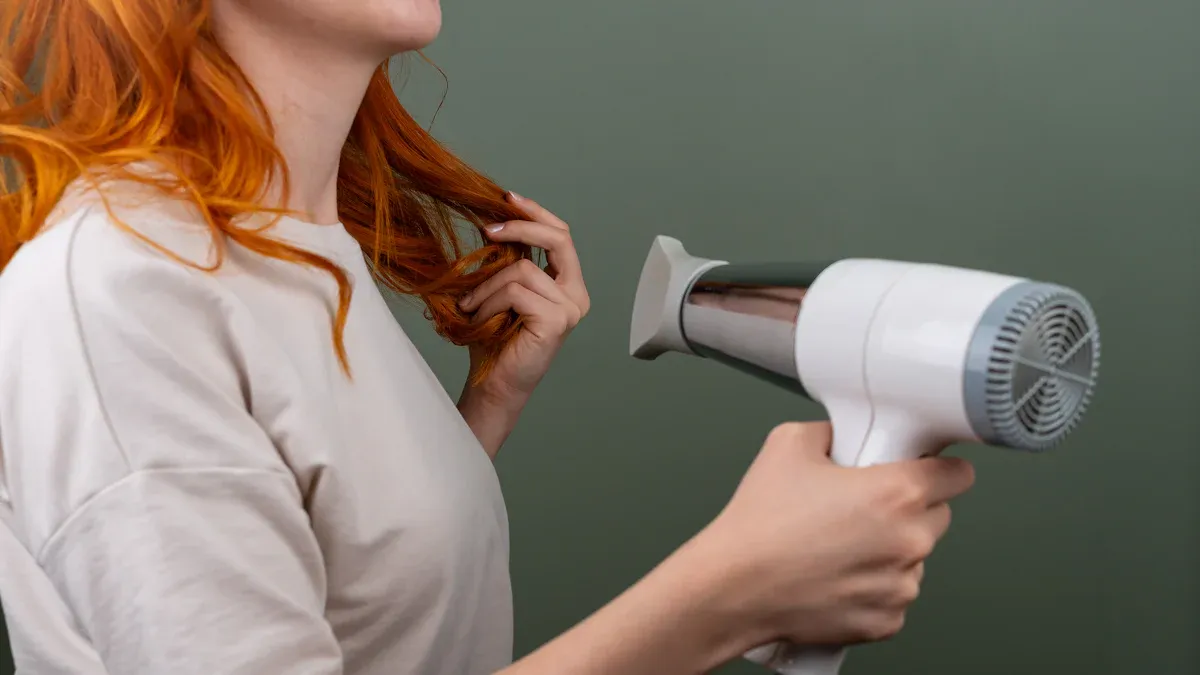
Achieving salon-quality results at home requires more than basic skills. Many encounter challenges such as selecting a professional hair dryer with the right wattage or choosing between a BLDC hair dryer and an AC hair dryer. A dryer featuring ionic technology can reduce drying time and minimize damage, especially when sourced from a reputable hair dryer manufacturer or hair dryer factory. Pre-drying hair with a towel or air-drying before using the dryer helps shorten exposure to heat. These tips help users create smooth, voluminous styles with confidence.
Preparing Hair for Blow-Drying Professional Results
Washing and Conditioning Tips
Choosing the Right Shampoo and Conditioner
Professional hair care begins with proper washing and conditioning. Selecting a shampoo that matches the hair type ensures a clean foundation. Warm water opens the cuticles, allowing the shampoo to cleanse thoroughly. After rinsing, a conditioner should be applied to the lengths and ends. Leaving the conditioner on for a few minutes helps restore moisture. Rinsing with cold water closes the cuticles, adding shine and smoothness.
The most important role of a conditioner is to close the hair cuticles after shampoo. During washing, especially with clarifying or treatment shampoos, the hair cuticles open. This allows for deep cleansing, but leaves the hair fiber exposed and vulnerable. A professional conditioner acts like a sealant: it neutralizes the effects of washing, closes the cuticles, and restores the surface of the hair fiber to a smooth and uniform state.
Deep Conditioning for Smoothness
Deep conditioning treatments provide extra hydration and help maintain elasticity, especially for curly or textured hair. These treatments prevent brittleness and frizz, which can occur when blow drying strips moisture from the hair. For flawless results, deep conditioning once a week supports the hair’s strength and shine.
Towel-Drying Techniques for Professional Results
Removing Excess Water Gently
Preparing your hair for drying requires gentle towel-drying. Microfiber towels or high-absorption cotton t-shirts work best for removing excess water without causing damage. Patting or gently squeezing the hair prevents breakage and reduces frizz.
- Microfiber towels are recommended for their gentle nature and efficient water absorption, which helps reduce drying time and frizz.
- Pat the hair with the towel instead of rubbing to avoid breaking hair fibers.
- Wrap the hair in the towel to absorb excess water, minimizing stress on the hair.
Preventing Frizz with Microfiber Towels
Avoid vigorous rubbing, as it can rough up the cuticle and create frizz. Instead, gently blot and squeeze the hair with a soft towel. This technique supports professional results by keeping the hair cuticle smooth and intact.
Applying Heat Protectant and Styling Products
Importance of Heat Protectant Sprays
Preparing your hair for drying also involves applying a heat protectant spray. These sprays coat the hair’s cuticle with specialized polymers, creating a thermal barrier against direct heat. They help prevent thermal shock by allowing gradual temperature adjustment. Heat protectants can reduce hair damage by 10-20% at just 1% concentrations of key ingredients. Silicone-based ingredients provide an insulating barrier and seal the cuticle to minimize moisture loss.
Using Volumizers, Mousses, and Serums
Styling products such as volumizers, mousses, and serums enhance the effectiveness of blow-drying techniques. Even application ensures proper coverage and supports the desired style. Massaging products into the fingers before applying helps distribute them evenly. These tips help achieve salon-level volume and shine.
Proper hair preparation is essential as curly hair requires moisture to maintain elasticity. Blow drying can strip this moisture, leading to damage. Understanding the balance of heat and moisture is crucial to prevent brittleness and frizz.
Selecting a Professional Hair Dryer for Salon-Quality Results
Key Features and Tips for Choosing
Wattage and Power Output
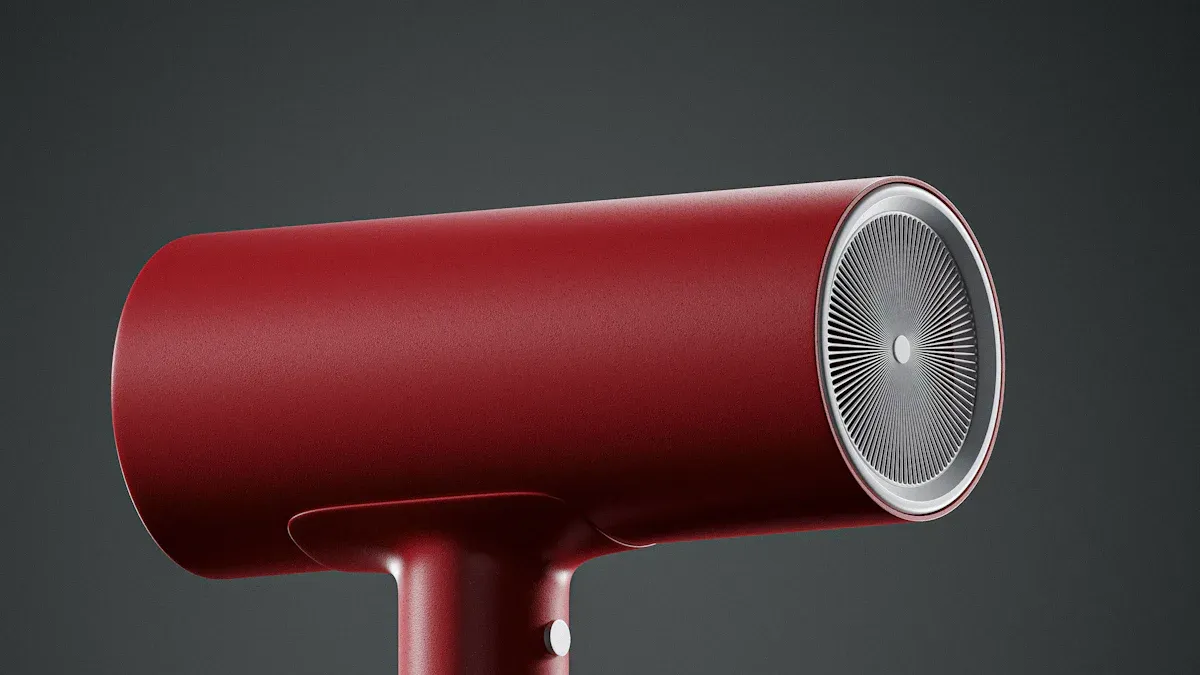
Industry experts distinguish a professional hair dryer from a standard model by its wattage and power output. Salon-grade dryers typically operate between 1800 and 2500 watts, while home-use dryers range from 800 to 1600 watts. Higher wattage delivers faster drying and greater volume, making a high-powered hair dryer essential for salon-quality results. Professionals recommend choosing the right hair dryer with a BLDC motor for durability and consistent performance.
| Feature | Salon-Grade Hair Dryers | Home-Use Hair Dryers |
|---|---|---|
| Wattage | 1800–2500W | 800–1600W |
| Motor Type | BLDC | AC |
| Drying Speed | Faster | Slower |
| Frizz Reduction | Better | Moderate |
| Durability | High | Moderate |
| Price | Higher | Lower |
| Intended Use | Professional | Personal |
Ionic and Ceramic Technology
A professional hair dryer often features ionic technology and ceramic components. Ionic technology emits negative ions that break down water molecules, reducing drying time and minimizing frizz. Ceramic elements distribute heat evenly, protecting hair from hot spots and preserving moisture. Stylists prefer ceramic and tourmaline dryers for their ability to retain shine and smoothness, especially when using high-quality tools.
Adjustable Heat and Speed Settings
Multiple temperature and speed settings allow users to tailor the drying process to their hair type. Professional stylists recommend using lower speed and temperature settings to prevent damage and frizz. The cool shot button sets styles and adds shine. A quality hair dryer should offer flexibility for different styling needs.
Tip: Always select a professional hair dryer with adjustable heat and speed settings. This feature ensures safe styling and optimal results for every hair type.
Attachments for Blow-Drying Techniques
Concentrator Nozzle for Sleek Styles
Attachments play a crucial role in achieving salon-quality results. The concentrator nozzle creates targeted airflow for precise styling and volume at the roots. Straight and fine hair benefits from this attachment, especially when paired with volumizing mousse.
Diffuser Attachment for Curls and Waves
A diffuser disperses airflow, enhancing curls and minimizing frizz. Curly and wavy hair types achieve defined texture and reduced flyaways with this tool. Applying curl mousse and flipping hair forward while drying maximizes the effect.
| Attachment Type | Functionality | Best For Hair Type |
|---|---|---|
| Concentrator Nozzle | Creates targeted airflow for precise styling and volume at the roots. | Straight and fine hair |
| Diffuser | Disperses airflow to enhance curls and minimize frizz. | Curly and wavy hair |
| Comb Attachment | Helps detangle hair while drying, promoting smoothness and reducing frizz. | All hair types, especially thick hair |
Maintenance Tips for Professional Hair Dryers
Cleaning the Filter
Regular maintenance extends the life of a professional hair dryer. Cleaning the filter prevents overheating and ensures consistent airflow. Stylists recommend checking the filter weekly and removing lint or debris.
Proper Storage
Proper storage protects high-quality tools from damage. Store the dryer in a cool, dry place and avoid wrapping the cord tightly. This practice maintains performance and durability.
Note: Investing in a professional hair dryer and maintaining it properly guarantees salon-quality results and protects your styling investment.
Sectioning and Detangling Hair for Professional Results
Tips for Effective Sectioning
Achieving Even Drying
Professional stylists recognize that even drying starts with proper sectioning. Dividing the hair into manageable parts allows for more precise styling and ensures that each strand receives equal attention. This method prevents over-drying in some areas while leaving others damp. For thick hair, sectioning creates more even coverage and helps the stylist control how the hair lays. By working in smaller sections, they can address specific concerns, such as adding volume at the roots or focusing on the crown for enhanced definition.
Tip: Sectioning also tames frizz, especially at the roots and inside layers, resulting in a smoother, more polished finish.
Preventing Tangles and Breakage
Detangling before blow-drying reduces the risk of breakage and split ends. When stylists separate the hair into sections, they can gently work through knots with less force. This approach minimizes stress on the hair shaft and prevents unnecessary pulling. Taming tangles before applying heat also leads to a sleeker result, as the brush glides smoothly through each section. For clients with curly or textured hair, this step preserves natural clumping and definition.
Tools and Techniques for Sectioning
Clips and Hair Ties
Stylists rely on sectioning clips and hair ties to keep each part of the hair organized during the blow-drying process. They often start by creating a horseshoe-shaped section from the temples upward and secure it with a clip. Next, they divide the hair below the temples, just behind the ears, and clip these sections separately. The nape of the neck remains down for the initial blowout. This methodical approach provides control and allows for targeted styling.
- Sectioning clips hold hair securely without causing dents.
- Hair ties help manage thicker sections, keeping them out of the way until needed.
Wide-Tooth Comb or Detangling Brush
A wide-tooth comb or a detangling brush works best for gently removing knots before drying. Stylists recommend starting at the ends and working upward to avoid breakage. These tools glide through the hair, reducing friction and minimizing damage. For fine hair, a smaller ceramic round brush and an ionic hair dryer enhance smoothness. For thick or curly hair, a larger boar bristle round brush and a powerful dryer provide better results.
Note: Always apply a heat protectant or hair oil before detangling to shield the hair from thermal damage and add slip for easier brushing.
Professional sectioning and detangling techniques lay the foundation for flawless, salon-quality blowouts. They ensure more control, enhanced definition, and healthier hair with every session.
Blow-Drying Techniques for Salon-Quality Results
Setting Up Your Workspace
Lighting and Mirror Placement
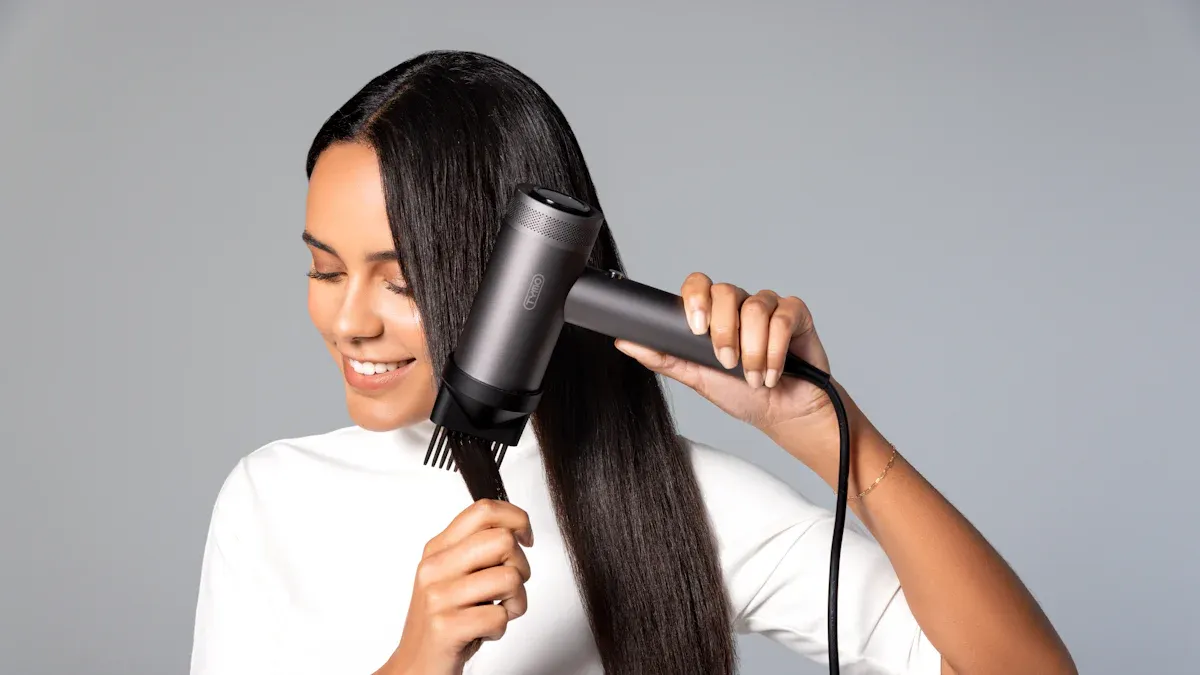
Professional stylists recommend a well-lit workspace for optimal blow-drying. Bright, natural light helps identify uneven drying and missed sections. Placing a large mirror at eye level allows clear visibility of the entire head. A secondary mirror positioned behind the workspace assists in checking the back and sides. This setup ensures accuracy and supports flawless results.
Keeping Tools Within Reach
Organizing tools within arm’s reach streamlines the blowout process. Stylists keep high-power ionic dryers, sectioning clips, and blow-dry brushes nearby. A table below summarizes essential elements for a professional workspace:
| Key Element | Description |
|---|---|
| High-Power Ionic Dryers | Essential for rapid moisture removal, these dryers use ionic technology to speed up drying time. |
| Blow-Dry Brush Combinations | These tools allow simultaneous drying and smoothing, enhancing the final styling process. |
| Strategic Sectioning Tools | Large clips help manage hair sections effectively, preventing re-drying and maintaining focus. |
| Rough-Dry Method | A technique that quickly removes moisture before targeting specific areas for styling. |
Stylists place each tool in a designated spot to avoid interruptions and maintain focus during blow-drying.
Adjusting Heat and Speed Settings Tips
When to Use High vs. Low Heat
Selecting the correct heat and speed settings is crucial for professional results. High heat removes moisture quickly, ideal for thick or coarse hair. Low heat prevents damage and suits fine or fragile hair. The following table outlines the effects of different heat settings:
| Heat Setting (°C) | Effect on Hair Type |
|---|---|
| Below 140°C | Prevents irreversible structural changes to the cuticle |
| Below 60°C | Ensures minimal damage during regular use |
| 65°C – 100°C | Common range for commercial dryers, varies by setting |
Advanced hair dryer technologies reduce drying time, which correlates with less heat exposure and cumulative damage. Proper temperature settings and techniques matter more than the specific technology used.
Using the Cool Shot Button
The cool shot button locks in style and adds shine. Stylists use this feature at the end of the blowout to seal the cuticle and reduce frizz. A blast of cool air sets the shape and enhances the longevity of the style. This step supports flawless results and helps maintain a polished finish.
Brush Movements and Blow-Drying Techniques
Round Brush for Volume and Curl
Stylists achieve volume and curl by using a round brush with specific movements. They apply volumizing mousse to wet hair before starting the blowout. Blow-drying in an inward motion lifts the roots and creates fullness. The following steps outline the process:
- Hold the brush firmly but gently for control.
- Wrap small sections evenly around the brush.
- Glide from root to tip while following with the dryer.
- Apply gentle tension to straighten and smooth strands.
- Direct airflow downward to minimize frizz and enhance shine.
Flipping the head upside down during drying adds extra lift. These techniques create professional results and support a salon-quality finish.
Paddle Brush for Sleekness
A paddle brush produces sleek, straight styles. Stylists dry from roots to ends, moving the brush and dryer together. Angling airflow toward the tips helps cuticles lie flat. This method reduces frizz and polishes the hair. Drying in small sections ensures even coverage and prevents over-drying. The paddle brush technique delivers smoothness and shine, ideal for those seeking a refined blowout.
Tip: Consistent brush movements and targeted airflow are essential for achieving flawless results. Stylists recommend practicing these techniques to master the art of blow-drying at home.
Step-by-Step Drying for Professional Results
Professional stylists follow a precise sequence to achieve a flawless blowout. Each step builds on the previous one, ensuring smoothness, shine, and long-lasting style. The following process outlines the essential actions for salon-quality results:
- Preparation Sets the Foundation: Stylists begin with a thorough shampoo and conditioning session. They select products based on the client’s hair type. After cleansing, they apply a heat-protective spray and, if needed, a volumizing product to support the desired look.
- Sectioning for Control: They divide the hair into manageable sections. This approach allows for efficient blow-drying and ensures every strand receives equal attention.
- Selecting the Right Tools: Stylists choose a professional hair dryer and the appropriate brush. The tool selection depends on the style—round brushes for volume or paddle brushes for sleekness.
- Mastering the Drying Process: They rough-dry the hair until it is about 70% dry. Then, they work with smaller sections, using tension and directing airflow from roots to ends. This method smooths the cuticle and creates a polished finish.
- Finishing Touches: To lock in the style, stylists use the cool shot button or cool shot function. They may apply a light mist of hairspray or a shine serum for added gloss and hold.
Roots to Ends Technique
The roots to ends technique forms the backbone of professional blow-drying. Stylists start at the scalp, lifting the hair at the roots with a brush. They direct the airflow downward, following the brush as it moves toward the ends. This approach smooths the cuticle and prevents frizz. By maintaining steady tension, stylists create a sleek, uniform look.
- For maximum volume, they lift each section at the root before gliding the brush through the mid-lengths and ends.
- They keep the dryer moving to avoid overheating any area.
- Stylists repeat this process for each section, ensuring consistent results throughout the head.
Tip: Directing airflow from roots to ends helps seal the cuticle, resulting in a shinier and healthier appearance.
Focusing on Hairline and Crown
The hairline and crown require special attention during a blowout. These areas frame the face and influence the overall shape of the style. Stylists use smaller sections around the hairline to achieve precision and control. They angle the brush to follow the natural growth pattern, which prevents unwanted cowlicks or bends.
At the crown, stylists lift the hair straight up with a round brush. They apply heat at the roots, then pull the brush through to the ends. This technique creates lift and volume at the top of the head, a hallmark of salon-quality blowouts.
- They finish by using the cool shot button or cool shot function on the hairline and crown. This step sets the style and adds shine.
- Stylists check for any damp spots and re-dry if necessary, ensuring a flawless result.
A professional blowout relies on careful sectioning, the right tools, and expert drying techniques. By following these steps, anyone can achieve smooth, voluminous hair that lasts.
Protecting Hair from Heat Damage with Professional Hair Dryer Tips
Importance of Heat Protection
How Heat Damages Hair
Excessive heat from professional hair dryers can compromise hair structure. High temperatures weaken the protein bonds inside each strand. This process leads to dryness, brittleness, and split ends. When the cuticle layer lifts due to heat, moisture escapes and the hair loses flexibility. Over time, repeated exposure without protection results in dullness and increased breakage.
A professional approach to quick and efficient hair drying involves understanding how heat affects the hair fiber. Directing concentrated heat on one spot can cause thermal shock, which disrupts the cuticle and exposes the cortex. Stylists recommend maintaining a safe distance—at least 15 centimeters (6 inches)—between the dryer and the hair to minimize damage.
Benefits of Using Protectant Products
Heat protectant products play a critical role in salon-quality blowouts. These formulas create a thermal barrier that slows heat conduction and shields the hair shaft. They also lock in moisture, reducing dehydration and preserving elasticity.
The following list highlights the main benefits:
- Heat damage prevention: Forms a protective layer to minimize damage from high temperatures.
- Moisture retention: Keeps hair hydrated and less prone to brittleness.
- Enhanced styling: Provides a smoother surface for tools, resulting in sleeker finishes.
- Reduced frizz: Seals the cuticle to combat humidity and static.
- Long-term hair health: Prevents cumulative damage for stronger, healthier hair.
Stylists advise applying heat protectant to damp hair several minutes before blow-drying. Distributing the product evenly with a wide-tooth comb ensures full coverage, especially on the ends where damage occurs most frequently.
Best Practices for Minimizing Damage
Keeping the Dryer Moving
Professional stylists emphasize the importance of continuous motion during blow-drying. Keeping the dryer moving prevents concentrated heat from damaging one area. They recommend starting with the lowest heat setting and highest speed for pre-drying. Once the hair reaches 80-90% dryness, increasing to medium heat allows for quick and efficient hair drying without risking the hair’s integrity.
The table below summarizes essential parameters for safe blow-drying:
| Parameter | Recommendation |
|---|---|
| Distance from Hair | At least 15 cm (6 inches) |
| Temperature | Below 140°C (284°F) |
| Airflow Direction | Downward to smooth cuticles |
| Motion | Continuous, never stationary |
| Finish | Cool air to close cuticles |
Avoiding Over-Drying
Over-drying strips the hair of natural moisture and increases the risk of breakage. To minimize damage, stylists suggest towel-drying hair with a soft microfiber towel before using the dryer. This step reduces drying time and limits heat exposure. They also recommend using a nozzle attachment to direct airflow and finishing with a cool shot to seal the cuticle.
A focus on best practices ensures that clients achieve salon-quality results while protecting hair health. By following these guidelines, anyone can enjoy quick and efficient hair drying and maintain beautiful, resilient hair.
Adding Shine and Volume with Blow-Drying Techniques
Finishing with the Cool Shot for Professional Results
Locking in Style and Shine
Professional stylists rely on the cool shot feature to complete a blowout. This function delivers a burst of cool air that sets the hairstyle in place. Cool air closes the cuticle scales, which strengthens the hair and locks in the desired shape. When the cuticle lies flat, the hair reflects more light, resulting in a glossy, polished finish. The table below summarizes the main benefits of using the cool shot:
| Benefit | Explanation |
|---|---|
| Good hairstyle hold | Cool air locks the hair in the desired position, ensuring a long-lasting effect after styling. |
| Protecting the hair structure | Cool air closes the cuticle scales, making hair stronger and less porous, thus preventing damage. |
| Adding shine | Closed cuticle scales reflect more light, making hair appear shiny and smooth. |
| Reduced frizz | Cool air smooths the hair, reducing frizz and flyaways for a tidy appearance. |
Reducing Frizz
Cool air not only locks in style but also reduces frizz. By sealing the cuticle, the cool shot minimizes static and flyaways. This technique creates a sleek, salon-quality look that lasts throughout the day.
Volumizing Tips and Techniques
Lifting at the Roots
Stylists use several methods to add volume during blow-drying. They often apply a volumizing mousse or spray to damp hair before starting. Lifting sections at the roots with a round brush or paddle brush while directing airflow upward creates lift and fullness. The following list outlines effective volumizing strategies:
- Apply a root lifter, blow-dry cream, or lightweight volumizing product before drying.
- Begin with a rough dry, using fingers and a blow dryer to remove about 60% of moisture.
- Section the hair and focus on drying from the temples down, lifting hair in an upward motion.
- Use a round brush or fine-toothed comb to enhance volume at the roots.
Flipping Hair Upside Down
Flipping the head upside down during blow-drying increases root lift and overall volume. This method works well for most hair types. After drying upside down, stylists finish with a round brush to shape and smooth the style. Regular trims also help maintain volume by preventing split ends and keeping hair healthy.
Smoothing and Polishing for Salon-Quality Results
Using a Serum or Shine Spray
To achieve a high-gloss finish, stylists recommend applying a serum or shine spray after blow-drying. These products smooth the hair surface and add reflective shine. A small amount, distributed evenly, prevents the hair from appearing greasy or weighed down.
Taming Flyaways
Flyaways can disrupt a polished look. Stylists tame them by lightly misting a shine spray or smoothing serum onto the hands and gently gliding over the hair. This technique keeps the style neat and professional.
For those seeking salon-quality results at home, these tips help maximize shine and volume while maintaining hair health.
Common Mistakes to Avoid When Using a Professional Hair Dryer
Professional stylists often see clients struggle with the same blow-drying mistakes. These errors can lead to hair damage, lackluster results, and frustration at home. By understanding and avoiding these pitfalls, anyone can protect their hair and achieve a polished, salon-quality finish.
Overheating or Over-Drying
Many users believe that higher heat and faster drying always produce better results. In reality, excessive heat can harm hair structure and scalp health. Dermatological studies show that too much heat evaporates water from the hair surface rapidly, causing swelling, frizz, and weakened strands. Fast drying can scorch the outer cuticle while leaving inner layers vulnerable, resulting in porous, brittle, and dull hair. High temperatures may permanently alter hair structure, especially for fine or color-treated hair. Scalp exposure to intense heat can also cause irritation, moisture loss, and inflammation, which may affect hair growth.
Common mistakes include cranking the heat too high, holding the dryer too close, and focusing on one spot for too long. The table below summarizes these frequent errors and their consequences:
| Mistake | Explanation |
|---|---|
| Cranking the Heat Too High | High temperatures can damage keratin, leading to brittle hair that snaps easily. |
| Holding it Way Too Close | Intense heat can strip natural oils, irritate the scalp, and damage hair texture. |
| The Deadly ‘One-Spot’ Focus | Concentrated heat can cause localized burns, resulting in severe hair breakage. |
| Blasting Soaking Wet Hair | High heat on wet hair can create steam bubbles, leading to structural damage within the hair shaft. |
Tip: Always keep the dryer moving and maintain a safe distance from the scalp to prevent these issues.
Skipping Heat Protectant
Some individuals skip heat protectant products, thinking they are unnecessary or time-consuming. This step, however, is essential for maintaining hair health during blow-drying. Heat protectants form a barrier against high temperatures, preventing dryness, frizz, and breakage. They help retain moisture and enhance the effectiveness of styling tools. Using a heat protectant or leave-in conditioner can also speed up the drying process and protect hair texture.
- Always use a heat protectant before blow drying.
- These products minimize damage and help hair stay smooth and hydrated.
- They are essential for anyone who styles hair with heat regularly.
Note: Applying a heat protectant only takes a few seconds but can make a significant difference in the long-term health and appearance of hair.
Using the Wrong Attachments
Attachments play a critical role in achieving professional results. Many users either skip attachments or use the wrong one for their hair type and desired style. For example, using a diffuser on straight hair may not provide the sleekness needed, while skipping the concentrator nozzle can lead to frizz and uneven drying. Each attachment serves a specific purpose, such as enhancing curls, smoothing strands, or adding volume.
Stylists recommend reading the hair dryer manual and experimenting with different attachments to discover what works best. Proper use of attachments ensures targeted airflow, reduces drying time, and helps achieve the intended look without unnecessary heat exposure.
Choosing the right attachment can transform a basic blowout into a salon-worthy style.
By avoiding these common mistakes, anyone can protect their hair from damage and enjoy consistently beautiful results with a professional hair dryer.
Not Sectioning Hair Properly
Many individuals overlook the importance of sectioning hair before blow-drying. This mistake often leads to uneven results, increased frizz, and unnecessary heat exposure. Professional stylists always divide hair into manageable sections to ensure each strand receives equal attention. Skipping this step can compromise the final look and make the process more time-consuming.
Why Proper Sectioning Matters
Sectioning hair allows for better control during blow-drying. When stylists work with smaller sections, they can direct airflow precisely and maintain consistent tension. This technique helps achieve a smoother finish and reduces the risk of over-drying certain areas. Without proper sectioning, some parts of the hair may remain damp while others become brittle from excessive heat.
Tip: Always use sectioning clips or hair ties to separate hair into at least four parts—top, sides, and back. This method ensures thorough drying and styling.
Common Problems Caused by Poor Sectioning
- Uneven Drying: Large, unsectioned areas often dry inconsistently. Some strands stay wet, while others become frizzy or damaged.
- Tangles and Breakage: Working with big sections increases the chance of tangling. Brushes can snag, leading to breakage and split ends.
- Lack of Volume or Shape: Proper sectioning helps create lift at the roots and shape throughout the hair. Skipping this step results in flat, lifeless styles.
- Longer Styling Time: Attempting to dry all the hair at once slows down the process. Smaller sections dry faster and more efficiently.
Best Practices for Sectioning Hair
| Step | Description |
|---|---|
| Detangle First | Use a wide-tooth comb or detangling brush to remove knots before sectioning. |
| Divide Evenly | Create four to six sections, depending on hair thickness and length. |
| Secure with Clips | Use professional sectioning clips to hold each part in place. |
| Work Methodically | Start at the nape and move upward, releasing one section at a time. |
Note: For thick or curly hair, more sections may be necessary to ensure even drying and styling.
Professional Insight
Stylists recommend practicing sectioning techniques to improve efficiency and results. They often say, “A great blowout starts with great sectioning.” Consistent practice builds confidence and leads to salon-quality outcomes at home.
Key Takeaway:
Proper sectioning transforms the blow-drying process. It ensures even drying, minimizes damage, and helps achieve the polished, voluminous look seen in professional salons. ✨
Maintaining Professional Results After Blow-Drying
Daily Care Tips for Salon-Quality Hair
Sleeping on Silk or Satin Pillowcases
Silk and satin pillowcases play a significant role in preserving a fresh blowout. These fabrics create less friction than cotton, which helps reduce tangles and frizz overnight. When someone sleeps on silk or satin, the hair glides smoothly across the surface. This action prevents breakage and maintains the style’s integrity. Many professional stylists recommend silk or satin for clients who want to extend the life of their blowout. These pillowcases also help retain moisture in the hair, which supports shine and softness.
Tip: For best results, individuals should avoid sleeping with wet hair and consider loosely tying hair in a low ponytail or braid to minimize movement.
Refreshing Hair Between Washes
Maintaining a salon-quality look between washes requires strategic care. Dry shampoo absorbs excess oil at the roots and revives volume without water. A lightweight leave-in conditioner can refresh ends and tame flyaways. Stylists often suggest gently brushing hair from roots to tips each morning. This action distributes natural oils and keeps the hair looking polished. For added lift, a quick blast of cool air from the dryer can reactivate volume at the crown.
A simple routine for refreshing hair includes:
- Applying dry shampoo at the roots and massaging it in.
- Using a boar bristle brush to smooth and distribute oils.
- Spritzing a light mist of shine spray for added gloss.
These steps help maintain the blowout’s shape and shine until the next wash.
When to Repeat the Blowout
Signs It’s Time to Wash and Restyle
Recognizing when to repeat a blowout ensures optimal hair health and appearance. Most professional blowouts last three to five days. With careful maintenance, some hair types can extend this period to five or even seven days. Several factors influence the longevity of a blowout, including hair type, scalp oil production, humidity, and daily care habits.
Common signs that indicate it is time to wash and restyle include:
- Noticeable loss of volume or shape.
- Increased oiliness at the roots.
- Persistent frizz or flyaways that cannot be tamed with styling products.
- A heavy or weighed-down feeling in the hair.
Stylists advise clients to listen to their hair’s needs. When the style no longer looks fresh or feels clean, a gentle wash and a new blowout restore both health and style.
How long should a blowout last?
- Most blowouts: 3–5 days
- With proper care: Up to 5–7 days
- Influencing factors: Hair type, scalp oils, humidity, maintenance routine
By following these daily care tips and recognizing when to refresh the style, anyone can enjoy salon-quality hair for days after a professional blowout.
Salon-quality hair becomes attainable at home when individuals select a professional hair dryer and apply expert blow-drying techniques. They benefit from choosing a dryer with 1800 to 2500 watts, multiple settings, and ionic technology. Heat protectants shield the cuticle, while ceramic dryers distribute heat evenly to prevent split ends. By using the right attachments and following step-by-step methods, anyone can achieve flawless shine and volume. Practice leads to mastery and healthy, beautiful hair every day.
FAQ
How often should someone use a professional hair dryer?
Most stylists recommend using a professional hair dryer two to three times per week. Overuse can lead to dryness and breakage. Individuals with fine or damaged hair should limit heat styling to maintain hair health.
What is the ideal distance to hold the dryer from the hair?
Stylists suggest holding the dryer at least six inches (15 cm) from the hair. This distance prevents overheating and reduces the risk of damage. Keeping the dryer moving ensures even drying and protects the cuticle.
Can a professional hair dryer work for all hair types?
Professional hair dryers suit all hair types. Adjustable heat and speed settings allow customization for fine, thick, curly, or straight hair. Attachments like diffusers and concentrators enhance results for specific textures.
Why does ionic technology matter in a hair dryer?
Ionic technology emits negative ions that break down water molecules. This process speeds up drying, reduces frizz, and enhances shine. Many stylists prefer ionic dryers for their ability to create smooth, polished finishes.
How can someone clean a professional hair dryer filter?
Unplug the dryer. Remove the filter cover. Use a small brush or cloth to clear lint and debris. Regular cleaning maintains airflow and extends the dryer’s lifespan.
What products should someone use before blow-drying?
Stylists recommend heat protectant sprays, volumizing mousse, or smoothing serums. These products shield hair from heat, add volume, and enhance shine. Even application ensures the best results.
Is it necessary to use attachments with a professional hair dryer?
Attachments improve styling precision. A concentrator nozzle creates sleek looks. A diffuser defines curls and reduces frizz. Using the right attachment helps achieve salon-quality results.
How long does a salon-quality blowout last?
A salon-quality blowout typically lasts three to five days. Proper care, such as sleeping on silk pillowcases and using dry shampoo, can extend the style’s longevity.