
Proper maintenance is crucial for the Dyson hair dryer to deliver optimal performance. The most important task is to clean and maintain the filter regularly. A clean filter ensures powerful airflow and helps prevent damage to the internal motor. Unlike a standard Sèche-cheveux AC sèche-cheveux standard usine de sèche-cheveux, this advanced Sèche-cheveux BLDC requires specific care. Following these expert tips will increase the lifespan of your dyson hairdryer.
Pro Tip: Consistent filter maintenance is the key to protecting your investment and ensuring your Dyson hair dryer performs like new for its entire lifespan. Any leading de sèche-cheveux leader, would agree that airflow is essential.
The #1 Rule: Master the Filter Clean
The single most effective action to maintain a Dyson Sèche-cheveux is regular filter maintenance. This simple task is the foundation of the machine’s health, directly impacting its power, safety, and longevity. Understanding why and how to perform this cleaning is essential for every owner.
Why a Clogged Filter is Your Dryer’s Enemy
A dirty filter is the primary cause of most performance issues. It silently chokes the machine, leading to a cascade of problems that can cause permanent damage over time.
The Science of Airflow Restriction
The Dyson digital motor is engineered to pull in a high volume of air through the filter at the base of the handle. When dust, hair, and styling product residue clog this filter, the motor cannot draw in the air it needs. This restriction forces the motor to work harder to achieve the same output, reducing the powerful airflow that defines the Dyson experience.
Overheating and Automatic Shutdowns
Restricted airflow is a common culprit behind user-reported issues like unexpected shutdowns. A clogged filter traps heat within the device. The dryer’s intelligent heat control system detects this temperature spike and triggers an automatic shutdown to prevent overheating and protect the internal components. While this is a helpful safety feature, frequent shutdowns are a clear warning sign.
Alert: An overheating dryer that shuts down mid-use is often a direct symptom of a blocked filter needing immediate cleaning.
Long-Term Motor Strain and Damage
Consistently forcing the motor to operate with poor airflow places it under significant strain. This sustained stress accelerates wear and tear on the motor’s delicate components. Over months and years, this can lead to a permanent decrease in performance and may ultimately shorten the lifespan of the dryer.
Your Cleaning Schedule: How Often is Enough?
Establishing a consistent cleaning routine is key. The ideal cleaning frequency depends on usage habits, hair type, and the styling products used. These expert tips will help establish a proper schedule.
The General Rule: Once a Month
For the average user, a monthly cleaning is the recommended baseline. Setting a recurring calendar reminder is an excellent way to make this crucial task a habit. This simple action helps prevent the gradual buildup in the filter that degrades performance.
Signs It’s Time for a Clean
The dryer provides clear signals when it needs attention. Look for these indicators:
- The device unexpectedly shuts off during use.
- The airflow feels weaker than usual.
- The white LED lights on the barrel flash continuously.
- Visible dust or lint is coating the outer filter cage.
Adjusting for Heavy Use
Not all users have the same needs. The recommended cleaning frequency should be adjusted based on individual factors. A professional stylist or someone with thick, long hair will need to clean the filter more often than a person with fine hair who styles occasionally.
| Usage Profile | Recommended Cleaning Frequency |
|---|---|
| Heavy Daily Use / Professional | Inspecter le Cordon |
| Cheveux Épais ou Bouclés | Every 1-2 months |
| Regular Use / Fine Hair | Every 2-3 months |
| Occasional Styling | Quarterly |
How Styling Products Accelerate Buildup
Airborne particles from hairspray, dry shampoo, and texturizing mists are drawn into the dryer’s filter. These sticky residues act like a magnet for dust and lint, causing clogs to form much faster than they would from dust alone. Heavy product users must be extra vigilant with their cleaning schedule.
Step-by-Step: Cleaning Your Filter in 60 Seconds
This quick and easy step-by-step guide makes filter cleaning a simple part of any routine. Following this step-by-step guide correctly ensures the dryer is ready for optimal performance.
Step 1: Unplug for Safety
Before starting any cleaning, always ensure the Dyson hair dryer is unplugged from the power outlet. This is the most important step for safety.
Step 2: Release the Filter Cage
Hold the dryer’s handle firmly. Twist the filter cage at the bottom of the handle counter-clockwise and pull down to release it from the main body.
Step 3: Wipe the Outer Cage
Use a clean, dry, lint-free cloth to wipe away any dust and debris from the exterior of the filter cage.
Step 4: Clean the Inner Mesh
With the outer cage removed, gently wipe the delicate inner filter mesh with another dry, lint-free cloth. Be thorough but gentle to avoid damaging the fine mesh. This step-by-step guide ensures a complete cleaning.
Step 5: Reassemble Correctly
Slide the clean filter cage back onto the handle, ensuring it is correctly aligned. Twist it clockwise until it clicks securely into place. A proper seal is vital for correct airflow.
Beyond the Filter: Smart Handling and Storage
While filter cleaning is paramount, physical care and smart storage practices are equally vital to protect your investment. Proper handling prevents accidental damage to the cord, body, and attachments. Following these expert tips will help maintain the dryer’s integrity and appearance for years to come.
Protect the Power: Proper Cord Care
The power cord is the lifeline of your Dyson Sèche-cheveux. It requires specific care to prevent internal wire damage that can lead to performance issues or safety hazards. Thoughtful cord care is a simple habit that pays off.
The “Don’t” List for Your Cord
Users should avoid certain common but harmful habits.
- Don’t wrap the cord tightly around the dryer’s body or handle. This creates sharp bends that strain the internal wiring.
- Don’t let the cord dangle from a high shelf or hook, as this puts stress on the connection point.
- Don’t yank the cord from the wall socket; always pull from the plug itself.
The Right Way to Coil
Proper coiling technique is essential for long-term cord care. Gently loop the cord in large, loose circles, following its natural curve. Secure the coiled cord with the attached Velcro strap or a soft cord tie. This method of care prevents kinks and protects the delicate wires inside.
Inspecting for Wear and Tear
Regularly run your fingers along the length of the cord to check for any nicks, frays, or exposed wires. Pay close attention to the area where the cord meets the plug and the dryer handle. If you find any damage, discontinue use immediately and contact Dyson support for guidance. This proactive care is crucial for safety.
A Safe Home for Your Supersonic
Where you store your dryer matters. A dedicated, safe spot protects it from drops, moisture, and cosmetic damage. Proper storage care ensures the device remains in pristine condition.
Using the Original Case or Stand
The best storage solution is often the one provided by Dyson. The presentation case or a designated stand offers tailored protection against bumps and scratches. This type of care keeps the dryer and its attachments organized and secure.
Drawer Storage Done Right
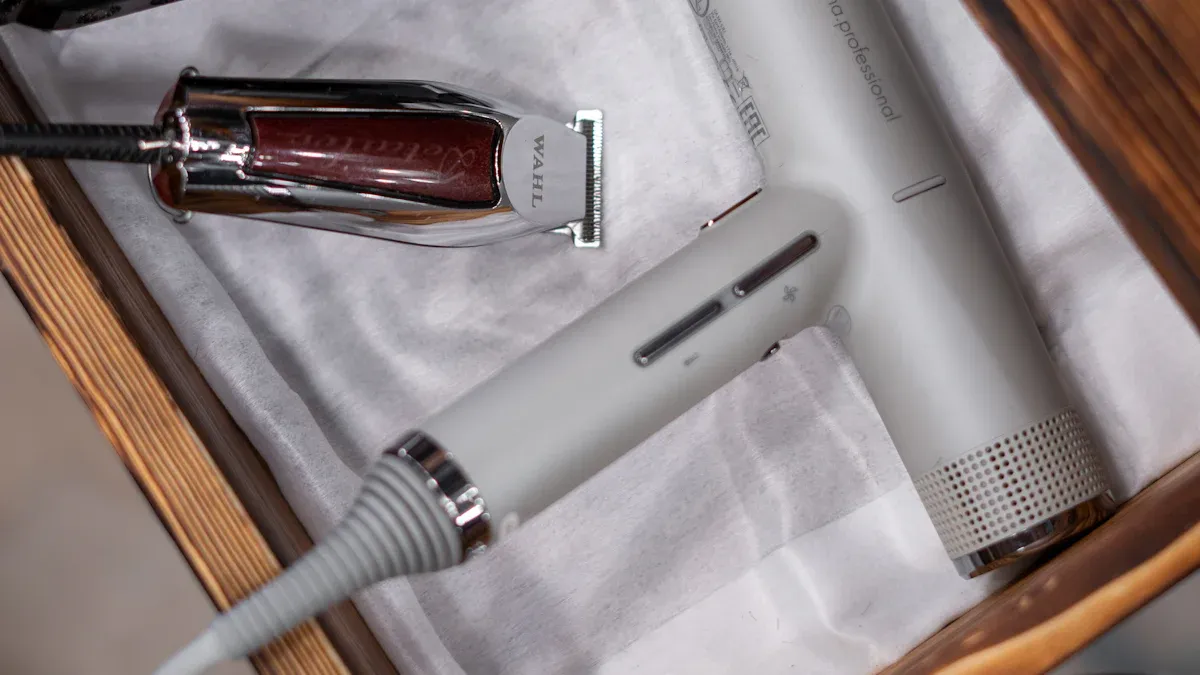
If storing the dryer in a drawer, do not just toss it in. Place it in a soft bag or a dedicated drawer organizer to prevent it from knocking against other items. Ensure the cord is loosely coiled and not pinched by the drawer. This simple care step prevents unnecessary scuffs.
Avoiding Bathroom Hazards
Bathrooms are high-humidity environments. Storing a hair dryer in a bathroom without proper ventilation should be avoided, as moisture can penetrate the device. For less frequent use, a cool, dry location is better.
Storing hair tools in a humid bathroom environment can lead to moisture infiltration, potentially causing internal corrosion, short-circuiting, overheating, or sparking. Initial indicators of moisture damage may include unusual odors or erratic device operation.
Mastering Your Magnetic Attachments
The magnetic attachments are a key feature of the Dyson experience. Proper care and cleaning ensure they function correctly and last as long as the dryer itself.
How to Attach and Detach Safely
The attachments connect with a satisfying magnetic click. To attach, simply bring the nozzle close to the magnetic ring on the barrel. To detach, grip the cool edges of the attachment and pull it straight off. Avoid twisting or prying, as this can weaken the magnets over time.
Cleaning Your Styling Nozzles
Styling products can build up on the nozzles. Regular cleaning is one of the most important tips for performance. Wipe them down with a damp, lint-free cloth to remove residue. For stubborn buildup, use a soft-bristled brush and a mild soap solution, then rinse and dry them completely before reattaching.
Storing Attachments to Prevent Loss
Keep your attachments together with your dryer in its case or on a stand. If you store them separately, use a small pouch or a designated section in a drawer. This simple organization prevents the frustration of misplacing your favorite styling tool.
Understanding Your Dyson Hair Dryer’s Technology
Understanding the advanced technology inside your sèche-cheveux Dyson reveals why proper maintenance is so critical. The machine is not just a heating element and a fan; it is a sophisticated system where each component relies on others to function. This synergy between the motor and its heat control system delivers exceptional performance.
The Digital Motor and Its Needs
The heart of the dryer is its powerful digital motor. This component is a marvel of engineering that requires specific conditions to operate at its peak.
How the V9 Motor Works
The Dyson V9 digital motor is small, lightweight, and incredibly fast. It spins at up to 110,000 revolutions per minute, creating a high-pressure, high-velocity jet of air. This motor is designed to pull a significant volume of air through the handle, which is then amplified before exiting the barrel. Its efficiency is the secret behind the dryer’s fast drying times.
Why Clean Air is Crucial
The V9 motor’s design makes it highly dependent on a clear path for air intake. A clean filter allows the motor to draw in air effortlessly. When the filter becomes clogged with dust and debris, the motor must work harder, which generates excess heat and strain. Unobstructed airflow is essential for protecting the motor from long-term damage and ensuring its longevity.
Explication du Contrôle Intelligent de la Chaleur
Dyson’s intelligent heat control is a key feature that protects hair from extreme heat damage. This system constantly monitors and adjusts the temperature to maintain a safe, consistent level.
How the Thermistor Protects Hair
A glass bead thermistor, located in the airflow path, measures the exit air temperature over 40 times per second. It sends this data to a microprocessor, which then regulates the heating element. This rapid feedback loop prevents the temperature from spiking, protecting the hair’s natural shine and preventing heat damage.
Tech Insight: This constant temperature regulation is what allows the Dyson to dry hair quickly without relying on damaging, excessive heat.
The Link Between Airflow and Heat
The heating and airflow systems work together. The dryer’s streamlined airflow heating technology ensures the air is heated uniformly as it passes through the device. The components that control the heating element are even cooled by the incoming air. This relationship highlights how a clean filter directly impacts both temperature regulation and drying efficiency.
- The Dyson Supersonic™ hair dryer offers three precise speed settings.
- It also provides four distinct heat settings for total styling control.
- A strong, consistent airflow helps distribute heat evenly, preventing hot spots.
- Reduced airflow from a dirty filter can disrupt this balance, forcing the heat control system to work overtime.
Advanced Maintenance and Troubleshooting
Sometimes, routine upkeep is not enough to resolve performance issues. Advanced maintenance and troubleshooting can address stubborn buildup and decode the dryer’s warning signals. These expert tips help users tackle more complex problems.
Deep Cleaning the Filter Cage
A monthly wipe-down is great for regular maintenance. However, a deeper cleaning is occasionally necessary to restore optimal airflow.
When a Simple Wipe Isn’t Enough
Styling products and fine dust can create a sticky film that a dry cloth cannot remove. If the filter still appears dirty after a standard wipe, or if performance issues persist, it is time for a more thorough cleaning.
Soaking the Cage for Deep Grime
For a deep clean, users can soak the filter cage.
- Remove the outer filter cage from the dryer.
- Submerge it in a bowl of warm, soapy water for at least 30 minutes.
- Rinse the cage thoroughly under running water.
Important: Ensure the filter cage is completely dry before reattaching it to the dryer. A damp filter can damage the motor.
Using a Soft Brush for Details
Après le trempage, une brosse à poils souples, comme une brosse à dents propre, peut déloger les débris restants de la maille fine. Nettoyez délicatement l'intérieur et l'extérieur du filtre. Ce nettoyage minutieux garantit que chaque ouverture est dégagée pour un débit d'air maximal.
Maintenir le corps et les évents en parfait état
Un extérieur propre n'est pas seulement une question d'apparence ; il garantit que toutes les parties du sèche-cheveux fonctionnent correctement. Un nettoyage régulier du corps empêche l'accumulation de résidus pouvant affecter l'appareil.
Éliminer l'accumulation de produits
La laque et autres produits coiffants peuvent laisser un résidu collant sur le corps et le barillet du sèche-cheveux. Essuyer la surface avec un chiffon en microfibre humide éliminera la majeure partie de cette accumulation. Cette étape de nettoyage simple permet à l'appareil de conserver son aspect et sa sensation de neuf.
Agents de nettoyage sûrs à utiliser
Les utilisateurs doivent éviter les produits chimiques agressifs ou les tampons abrasifs. Une simple solution d'eau et de savon doux est suffisante pour nettoyer l'extérieur du sèche-cheveux. Appliquez la solution avec un chiffon doux, puis essuyez avec un chiffon humide séparé.
Vérifier les évents d'air arrière
De petits évents d'air sont situés à l'arrière de la tête du sèche-cheveux. Ces évents aident à refroidir les composants internes. Les utilisateurs doivent vérifier périodiquement qu'ils ne sont pas obstrués par la poussière et les nettoyer avec un chiffon sec.
Décoder les témoins lumineux d'avertissement de votre sèche-cheveux
Les LED de votre Dyson fournissent des informations de diagnostic importantes. Comprendre ces signaux est essentiel pour un dépannage rapide.
Les lumières blanches clignotantes
Des lumières blanches clignotant en continu sont l'indicateur le plus courant. Ce signal signifie presque toujours que le filtre est obstrué et nécessite un nettoyage immédiat. Effectuer un nettoyage du filtre résoudra généralement ce problème.
Les lumières rouges clignotantes
Trois lumières rouges clignotantes signalent un problème plus urgent. Cela peut signifier une obstruction sévère du filtre ou une défaillance interne. Les utilisateurs doivent suivre les étapes suivantes :
- Effectuer un nettoyage en profondeur: La première étape est un nettoyage approfondi du filtre. Brossez les deux faces de la maille du filtre. Si le problème persiste, essayez de le nettoyer avec un chiffon humide et laissez-le sécher complètement.
- Vérifier une panne électronique: Si un nettoyage profond du filtre n'arrête pas les lumières rouges, l'appareil peut avoir une carte électronique défectueuse. Cela nécessite une intervention professionnelle.
Aucune lumière ou alimentation
Si le sèche-cheveux n'affiche aucune lumière et n'a pas d'alimentation, les utilisateurs doivent d'abord vérifier les bases. Assurez-vous que la fiche est bien insérée dans une prise fonctionnelle. Appuyez sur les boutons “Test” puis “Réinitialiser” sur le bloc de prise rectangulaire pour exclure un déclenchement de sécurité. Si le sèche-cheveux ne s'allume toujours pas, une évaluation professionnelle est nécessaire.
Quand faire appel à un professionnel
Même avec un entretien diligent, certains problèmes peuvent nécessiter une intervention experte. Savoir quand et comment contacter le support Dyson peut faire gagner du temps et garantir une résolution appropriée. Les utilisateurs doivent prendre quelques mesures préparatoires avant de solliciter un service professionnel.
Avant de contacter le support
Un peu de préparation rend le processus de support plus fluide et plus efficace. Rassembler les bonnes informations au préalable aide l'équipe Dyson à diagnostiquer le problème rapidement.
Parcourir la liste de contrôle d'entretien
Les agents du support demanderont souvent des informations sur l'entretien de base. Les utilisateurs doivent confirmer qu'ils ont d'abord effectué ces étapes.
- Nettoyage du filtre : La cage du filtre a-t-elle été essuyée et nettoyée en profondeur ?
- Inspection du cordon : Le cordon d'alimentation est-il exempt d'effilochage ou d'endommagement ?
- Vérification de la prise : La prise électrique fonctionne-t-elle avec d'autres appareils ?
- Bouton de réinitialisation : Les boutons “Test” et “Réinitialiser” sur la fiche ont-ils été pressés ?
Documenter le problème
Une documentation claire aide les techniciens à comprendre la panne. Les propriétaires doivent noter des détails spécifiques concernant le problème.
- Notez les symptômes exacts (par exemple, lumières rouges clignotantes, pas d'alimentation, bruits étranges).
- Identifiez quand le problème a commencé et sa fréquence d'apparition.
- Si possible, prenez une courte vidéo du dysfonctionnement. 📸
Comment contacter le service clientèle Dyson
Dyson propose plusieurs canaux de support. L'enregistrement du produit est la première étape et la plus importante pour accéder à ces services.
Enregistrer la garantie de votre produit
L'enregistrement du sèche-cheveux active sa garantie et simplifie les futures interactions avec le support. Ce processus lie le numéro de série de l'appareil aux coordonnées du propriétaire, rendant les demandes de service beaucoup plus rapides. L'enregistrement donne également accès à un support personnalisé et à des avantages exclusifs aux propriétaires.
Trouver votre numéro de série
L'équipe de support demandera toujours le numéro de série du produit. Cet identifiant unique est essentiel pour les réclamations de garantie et l'historique des services.
Le numéro de série se trouve sur une étiquette argentée fixée au cordon d'alimentation, généralement près de la fiche. Les utilisateurs doivent noter ce numéro ou en prendre une photo pour y accéder facilement.
Canaux de contact : Téléphone, Chat et E-mail
Dyson offre plusieurs façons de contacter son équipe d'experts.
- Téléphone : Une conversation directe avec un agent du support est souvent le moyen le plus rapide de résoudre des problèmes complexes.
- Chat en direct : Le site web de Dyson propose un service de chat en temps réel pour une assistance pratique.
- E-mail : Pour les demandes moins urgentes, l'e-mail fournit une trace écrite de la conversation.
Choisir le bon canal dépend de l'urgence et de la complexité du problème. Avoir toutes les informations nécessaires prêtes garantit une expérience de support productive et utile.
Un entretien régulier est la clé pour que les propriétaires maintiennent leur sèche-cheveux Dyson. L'entretien régulier du filtre prévient les problèmes les plus courants affectant les performances. Une manipulation et un rangement intelligents du cordon protègent le sèche-cheveux Dyson des dommages physiques. Suivre ces étapes protège l'investissement et garantit des performances impeccables à chaque utilisation.
FAQ
Les utilisateurs peuvent-ils laver la maille du filtre intérieur ?
Non, la maille du filtre intérieur n'est pas lavable. Les propriétaires doivent utiliser uniquement un chiffon sec et non pelucheux pour nettoyer ce composant délicat. Introduire de l'eau peut entraîner des dommages au moteur et des pannes électriques.
Pourquoi le sèche-cheveux s'arrête-t-il pendant l'utilisation ?
Un arrêt automatique indique généralement un problème de surchauffe. Ce problème est le plus souvent causé par un filtre obstrué qui restreint le flux d'air. Un nettoyage approfondi du filtre résout généralement le problème rapidement.
À quelle fréquence un coiffeur professionnel doit-il nettoyer le filtre ?
Les coiffeurs professionnels doivent effectuer la maintenance du filtre plus fréquemment. Une vérification hebdomadaire est recommandée en raison d'une utilisation quotidienne intensive et de l'exposition aux produits coiffants en aérosol. Cette pratique garantit des performances constantes pour les clients.
Est-il sûr d'utiliser un chargeur non-Dyson ?
Les propriétaires doivent utiliser uniquement le chargeur officiel Dyson fourni avec le sèche-cheveux. Les chargeurs tiers peuvent ne pas répondre aux normes de sécurité requises. Leur utilisation peut endommager l'appareil et annuler la garantie du produit.
Que doit faire un propriétaire après avoir fait tomber le sèche-cheveux ?
Après une chute, les propriétaires doivent inspecter le sèche-cheveux pour détecter d'éventuelles fissures ou dommages visibles. Ils doivent vérifier l'intégrité du cordon et de la prise. Si l'appareil fonctionne anormalement, ils doivent cesser de l'utiliser et contacter le support Dyson.
Les accessoires magnétiques peuvent-ils être lavés ?
Oui, les utilisateurs peuvent laver les accessoires magnétiques. Une solution d'eau et de savon doux élimine efficacement les résidus de produits. Les propriétaires doivent s'assurer que les accessoires sont complètement secs avant de les réattacher au sèche-cheveux.
Pourquoi le sèche-cheveux émet-il un bruit aigu ?
Un son aigu soudain signale souvent un blocage sévère du filtre. Le moteur force pour aspirer l'air. L'utilisateur doit immédiatement arrêter, débrancher l'appareil et effectuer un nettoyage en profondeur du filtre.