
Para a maioria das pessoas e em quase todos os usos profissionais, o secador de cabelo tradicional oferece potência e custo-benefício superiores. O seu desempenho, seja de um modelo tradicional Secador de cabelo AC ou de um moderno Secador de cabelo BLDC, explica a sua participação de mercado de 78,5%— uma estatística que qualquer fabricante de secadores de cabelo profissional de um fábrica de secadores de cabelo salão conhece bem. Os secadores de cabelo sem fio são mais indicados para situações de nicho.
O secador de cabelo sem fio é uma ferramenta especializada. Esses modelos sem fio se destacam apenas quando a portabilidade é a prioridade absoluta, exigindo concessões significativas em potência e tempo de uso.
Visão Geral: Comparação entre Secador Sem Fio e Tradicional
Ao escolher um secador de cabelo, é essencial compreender as compensações fundamentais entre modelos com fio e sem fio. A decisão depende de o usuário priorizar potência bruta e confiabilidade ou liberdade total de movimento. Esta análise esclarece as diferenças centrais para orientar a sua escolha.
Diferenças-Chave em Resumo
Potência e Wattagem
A distinção mais significativa reside na saída de potência. Os secadores com fio obtêm eletricidade diretamente de uma tomada de parede, permitindo uma wattagem muito mais alta. Um dispositivo sem fio depende de uma fonte de bateria finita, o que limita as suas capacidades de potência. Esta diferença impacta diretamente o desempenho geral de secagem do cabelo.
| Característica | Secadores com Fio | Secadores Sem Fio |
|---|---|---|
| Saída de Potência | 1800-2500+ watts | Menos de 600 watts |
Velocidade de Secagem
Maior wattagem traduz-se diretamente em secagem mais rápida. Os secadores com fio geram um fluxo de ar mais potente e calor mais elevado, reduzindo significativamente o tempo necessário para secar o cabelo, especialmente para quem tem cabelos grossos ou longos. A potência mais baixa de um secador sem fio significa que as sessões de secagem são consideravelmente mais longas, tornando-o menos prático para uma rotina completa de styling, desde o cabelo molhado até seco.
Tempo de Uso e Carregamento
Um secador tradicional oferece uma clara vantagem com o seu tempo de uso ilimitado. Ele funciona enquanto estiver ligado à tomada. Um secador a bateria, em contraste, opera com um limite de tempo rigoroso. O tempo de uso anunciado para um modelo sem fio pode ser enganoso.
- Calor Alto: Um secador a bateria normalmente fornece apenas 12-25 minutos de uso.
- Ar Frio: Usar apenas a função de jato frio pode estender a vida útil da bateria para mais de uma hora.
- Carregamento: Uma recarga completa geralmente leva várias horas, criando um tempo de inatividade significativo entre os usos.
Este tempo de uso limitado torna a opção sem fio pouco confiável para styling complexo.
Portabilidade e Peso
A portabilidade é a única área onde o modelo sem fio se destaca. A ausência de fio oferece liberdade incomparável para viagens, uso na academia ou retoques rápidos longe de uma tomada. Os secadores tradicionais com fio são mais volumosos e presos à parede. O seu design prioriza o desempenho estacionário em vez da mobilidade. A conveniência de uma ferramenta sem fio é o seu principal ponto de venda.
Nota: O desempenho superior de um secador tradicional frequentemente justifica a sua falta de portabilidade para uso doméstico diário. Um secador a bateria troca potência por conveniência.
Custo e Valor a Longo Prazo
O investimento inicial para a tecnologia sem fio é substancialmente maior. Os consumidores pagam um prêmio pela conveniência de uma experiência sem fio. Em termos de valor a longo prazo, os secadores com fio são geralmente mais duráveis e têm uma vida útil mais longa. A bateria de um dispositivo sem fio degrada-se com o tempo, o que pode afetar o desempenho e eventualmente exigir uma substituição dispendiosa, diminuindo o seu valor geral.
O Caso a Favor do Secador Tradicional
Embora os modelos sem fio ofereçam portabilidade, os secadores tradicionais com fio continuam sendo a escolha superior para resultados consistentes e de alta qualidade. O seu design prioriza potência e confiabilidade, oferecendo um nível de desempenho que os dispositivos a bateria não conseguem igualar. As vantagens de um secador tradicional são claras para o styling doméstico diário e essenciais para uso profissional.
Potência Inigualável para Secagem Mais Rápida
O principal benefício dos secadores com fio é a sua ligação direta a uma fonte de energia. Isso permite um motor e um elemento de aquecimento potentes, cruciais para uma secagem eficiente.
O Papel da Alta Wattagem
A alta wattagem permite que um secador produza um forte fluxo de ar e calor consistente. Esta combinação reduz drasticamente o tempo de secagem. A maioria dos modelos tradicionais opera a 1800 watts ou mais, fornecendo a energia necessária para um desempenho robusto.
Impacto em Cabelos Grossos e Longos
Indivíduos com cabelos grossos ou longos beneficiam mais de um secador potente. O forte fluxo de ar penetra nas secções densas do cabelo, secando-as de dentro para fora. Esta eficiência evita que as camadas externas fiquem excessivamente secas enquanto as internas permanecem húmidas.
Conseguição de Escovas de Salão de Qualidade
Criar uma escova lisa e volumosa requer calor sustentado e fluxo de ar potente. Os secadores com fio fornecem o desempenho de nível profissional necessário para selar a cutícula do cabelo, reduzir o frizz e fixar o penteado para um acabamento polido e duradouro.
Tempo de Uso Ilimitado para Styling Ininterrupto
Um diferenciador-chave para os modelos tradicionais é o seu tempo de uso ilimitado. Esta funcionalidade elimina as restrições de tempo e a ansiedade associadas à vida útil da bateria.
Dica Profissional: O tempo de uso ilimitado de um secador com fio garante que a sua sessão de styling nunca seja interrompida, permitindo um penteado meticuloso e complexo sem interrupções.
Liberdade da Ansiedade da Bateria
Os utilizadores nunca precisam de se preocupar com a bateria acabar a meio do styling. O fornecimento constante de energia proporciona tranquilidade e confiabilidade. Isto torna o processo de styling mais suave e previsível.
Essencial para Uso Profissional
Os estilistas dependem de ferramentas que podem operar durante horas a fio. O tempo de uso ilimitado dos secadores com fio é não negociável num ambiente de salão, onde compromissos consecutivos exigem desempenho contínuo.
Confiabilidade para Rotinas Complexas
Rotinas de styling elaboradas geralmente requerem mais tempo. O tempo de uso consistente permite que os utilizadores separem, sequem e estilem o cabelo minuciosamente sem pressa contra o relógio, garantindo melhores resultados.
Tecnologia e Funcionalidades Superiores
Os fabricantes equipam os secadores tradicionais com uma ampla gama de funcionalidades avançadas tecnologias.
projetadas para melhorar a saúde do cabelo e a versatilidade do styling. Estas vantagens contribuem para o seu desempenho superior.
Many corded models incorporate ionic, ceramic, or tourmaline technologies. These features help reduce frizz, distribute heat evenly, and protect hair from damage. Such advanced features are rare in cordless options due to power limitations.
A Wider Range of Attachments
Corded hair dryers typically come with multiple attachments, including:
- Concentrator nozzles for precise styling
- Diffusers for enhancing natural curls These tools offer greater control and customization, which are key features for achieving specific looks.
More Heat and Speed Combinations
These dryers offer multiple heat and speed settings. This versatility allows users to tailor the airflow and temperature to their specific hair type and styling needs, a level of control that enhances their professional-grade performance. The abundance of features makes the traditional model a top-tier choice.
The Niche Appeal of Cordless Hair Dryers
Despite their limitations, cordless hair dryers serve a specific market that prioritizes ultimate mobility over raw power. Their appeal lies in their ability to function anywhere, untethered from a wall outlet. This unique advantage makes them a valuable secondary tool for particular lifestyles and situations.
The Ultimate Advantage: True Portability
The single greatest benefit of a cordless hair dryer is its unparalleled portability. This freedom is a game-changer for users who are constantly on the move. The design of a battery operated hair dryer focuses entirely on this convenience.
The Perfect Travel Companion
For frequent flyers, a cordless model offers exceptional travel convenience. It eliminates the need for outlet converters and fits easily into luggage. This makes travel styling simple and efficient. Users value the ability to use their device anywhere during their travel, from an airport lounge to a hotel room with poorly placed outlets. The cordless design is ideal for any travel itinerary.
Ideal for the Gym Bag
A battery hair dryer is perfect for the gym enthusiast. Its compact size allows it to be tossed into a gym bag for a quick dry after a workout. This enables a seamless transition from a fitness session to the office or a social event, offering a practical solution for portable hair styling.
Styling in Off-Grid Scenarios
The cordless nature of a battery operated hair dryer makes it indispensable for off-grid situations like camping, music festivals, or living in a vehicle. This mobility provides a touch of modern convenience where traditional power sources are unavailable, making it a go-to for travel in remote locations.
Understanding the Major Limitations
The convenience of cordless hair dryers comes with significant trade-offs. Users must understand these compromises in power, runtime, and cost before making a purchase.
Nota importante: The performance of a battery hair dryer is fundamentally limited by its power source. This impacts every aspect of its function, from drying speed to overall effectiveness.
The Reality of Low Power
A cordless device cannot match the power of a corded one. Most battery hair dryer models operate under 600 watts, a fraction of the 1800+ watts common in traditional dryers. This lower wattage results in weaker airflow and less heat, significantly increasing drying time, especially for those with thick or long hair.
Short Battery Life Explained
The limited battery life is a major drawback. A rechargeable hair dryer offers a very short runtime on high heat, often just 12 to 25 minutes. This brief window is frequently insufficient for a complete drying and styling session. The short battery life makes the tool unreliable for anything beyond quick touch-ups.
The Inconvenience of Charging Time
After the short runtime is exhausted, a cordless tool requires a lengthy recharge. This process can take several hours, creating significant downtime. This cycle of short usage followed by long charging periods makes the battery hair dryer impractical as a primary styling tool.
The High Cost of Convenience
Consumers pay a premium for the portability of a cordless device. The advanced battery technology and compact engineering make these models significantly more expensive than their more powerful corded counterparts. This high initial cost, combined with a shorter lifespan due to battery degradation, reduces their long-term value.
Analyzing Hair Drying Performance Metrics
Understanding the key metrics behind hair drying performance helps clarify why traditional and cordless dryers operate so differently. Wattage, airflow, and heat control are the three pillars that determine a dryer’s effectiveness and its impact on hair health. Analyzing these factors sets realistic performance expectations for each type of device.
Wattage: What It Really Means for Your Hair
Wattage is the most common metric consumers see, but it represents the total power consumption of the motor and heating element combined. It is a direct indicator of a dryer’s potential performance.
Why 1875W Is the Gold Standard
For corded dryers, 1875 watts has become the industry benchmark for a powerful, effective tool. This level of power supports strong airflow and high, stable heat, enabling fast drying for most hair types. It provides the robust performance needed for salon-quality results at home.
How Cordless Wattage Compares
A cordless hair dryer operates at a significantly lower wattage, typically under 600 watts. This drastic reduction is a direct consequence of relying on a battery. The lower power limits both the fan speed and the heat output, making the cordless dryer’s performance fundamentally weaker than its corded counterparts.
Airflow (CFM) and Drying Efficiency
While wattage is important, airflow—measured in Cubic Feet per Minute (CFM)—is a critical factor for fast drying. High airflow can be more important than high heat for efficient and healthy drying.
The Science of Fast Drying
Effective drying is about moisture displacement. Strong airflow physically pushes water off the hair strands. It breaks through the hair’s natural moisture barrier for efficient removal. Weak airflow from a low-performance cordless model often just circulates air around the hair, wasting time and energy.
Did You Know? Strong airflow is a key component of superior hair drying performance.
- Higher CFM ratings lead to significantly faster drying times.
- Powerful airflow can reduce drying time by up to 70%.
- Efficient moisture removal allows for lower heat settings, which helps preserve hair health.
Corded vs. Cordless Airflow
Corded dryers, with their powerful motors, generate much higher CFM. This allows them to dry hair quickly and effectively. The limited power of a cordless dryer means its fan produces weaker airflow, extending drying time and making it less suitable for thick or very wet hair.
The Importance of Heat Control
Proper heat control is essential for preventing damage and achieving a lasting style. The ability to adjust temperature gives users the flexibility to cater to their specific tipo de cabelo.
Protecting Hair from Damage
Using the correct temperature prevents the hair cuticle from overheating and breaking. Different hair types require different heat levels to dry safely and effectively. A cordless dryer often lacks multiple heat settings, limiting its versatility.
| Tipo de Cabelo | Recommended Setting | Temperature Range | Special Considerations |
|---|---|---|---|
| Fino/Ralo | Low heat | 80-100°F (27-38°C) | Most susceptible to damage, use heat protectant |
| Medium/Wavy | Calor médio | 100-120°F (38-49°C) | Balance between efficiency and protection |
| Grosso/Áspero | High heat (short sessions) | 120-140°F (49-60°C) | Can withstand higher heat but limit exposure time |
| Damaged/Processed | Low heat only | 80-100°F (27-38°C) | Chemically treated hair needs gentle care |
| Cacheado | Low-medium heat | 90-110°F (32-43°C) | Use diffuser attachment for best results |
Setting Styles with a Cool Shot
A cool shot button is a vital feature for locking a style in place. The blast of cold air rapidly cools the hair, closing the cuticle and setting the shape for a smooth, long-lasting finish. This feature is standard on most corded dryers but is a rare find on a cordless model due to battery constraints.
Comparing Corded Hair Dryers and Their Technology
The superior performance of traditional corded hair dryers stems largely from their advanced internal technologies. Manufacturers integrate sophisticated materials and motor designs to improve drying speed, protect hair health, and enhance the user experience. These advanced features are rarely found in battery-powered alternatives due to power and cost constraints. Understanding these technological features helps users select the best tool for their needs.
Iônico vs. Cerâmico vs. Turmalina
Modern corded hair dryers often incorporate one or more of these materials into their heating elements and internal components. Each offers distinct benefits for hair care. These are some of the most important features to consider.
Ionic for Frizz Reduction
Ionic technology is a game-changer for controlling frizz. Ionic dryers emit negative ions that interact with the positive ions found in wet hair. This process breaks down water molecules and helps seal the hair cuticle. The result is significantly reduced frizz and enhanced shine, especially for individuals with thick or damage-prone hair. Non-ionic dryers lack these frizz-reducing features and rely solely on heat.
Ceramic for Even Heat
Ceramic components are prized for their ability to distribute heat evenly and consistently. Dryers with ceramic-coated grilles or internal parts prevent damaging hot spots. This gentle, uniform heat protects hair from thermal damage, making it a staple feature in quality hair tools.
, preservando a umidade e protegendo o cabelo do calor excessivo.
Tourmaline, a semi-precious mineral, elevates the performance of traditional dryers. It naturally generates negative ions and far-infrared heat. This technology can produce up to six times more negative ions than ceramic alone.
This powerful ionic output breaks down water molecules into smaller droplets, allowing them to evaporate much faster. The result is a quicker drying time with less heat exposure, a key benefit of these advanced features.
The Role of Brushless Motors
The motor is the heart of a hair dryer. High-end corded hair dryers increasingly use brushless motors, a significant upgrade over the traditional DC motors found in many consumer models. These motors offer superior features and performance.
Increased Lifespan and Efficiency
Brushless motors are built for longevity and efficiency. They operate without the physical brushes that wear down over time in a DC motor. This design dramatically extends the tool’s operational life. The development of these motors has also led to more energy-efficient models.
| Tipo de Motor | Typical Lifespan (Operating Hours) |
|---|---|
| Motor DC Tradicional | 500-1,500 |
| Motor Brushless | 10,000+ |
Funcionamento mais silencioso
A major user benefit of brushless motors is their quieter operation. The absence of friction from brushes reduces mechanical noise, creating a more pleasant and less disruptive styling experience. This is one of the premium features that distinguishes high-performance corded hair dryers.
A Practical Guide to Choosing Your Dryer
Choosing the right hair dryer requires a careful evaluation of personal needs, hair type, and lifestyle. The decision between a corded and a cordless model becomes simple when users analyze their primary requirements for power, convenience, and styling outcomes. This guide provides a clear framework for making an informed choice.
Assess Your Primary Use Case
A user’s daily routine is the most important factor in selecting a hair dryer. The ideal tool depends entirely on where, when, and how it will be used.
Are You a Daily Home Styler?
Individuals who style their hair at home each day need a reliable and powerful tool. Corded hair dryers deliver the consistent performance necessary for daily routines. Their unlimited runtime and superior power ensure a quick and effective styling session every time, making them the practical choice for home use.
Are You a Professional Stylist?
For professional use, there is no substitute for a high-performance corded model. Stylists require tools that can run for hours without interruption and deliver flawless results for every client. The power, durability, and advanced features of top-tier corded hair dryers are essential for a salon environment.
Is Portability Your #1 Need?
Users who prioritize mobility above all else will find the cordless hair dryer to be the only suitable option. Its key advantage is its unmatched portability. Travelers, gym-goers, and campers benefit immensely from a device that functions without needing a power outlet. The cordless model is designed specifically for these on-the-go scenarios.
Consider Your Hair Type
Different hair textures have unique needs. Selecting a dryer with the right technology and power level is crucial for achieving desired styles while protecting hair health. The overall performance of a dryer is directly tied to its suitability for a specific hair type.
Para Cabelos Finos ou Ralos
Fine hair is highly susceptible to heat damage, so a gentle approach is necessary. Professionals recommend dryers with a wattage between 1200-1500 watts. This range provides sufficient power without overwhelming delicate strands. Technologies like ceramic are ideal, as they ensure even heat distribution. A cordless model’s low power can be sufficient for very short, fine hair, but a corded model offers better heat control.
Dica Profissional: A tecnologia iônica is also highly beneficial for fine hair. It helps reduce static and frizz by sealing the hair cuticle, resulting in a smoother, shinier finish.
| Tipo de Cabelo | Recommended Technology | Ideal Wattage | Características Principais |
|---|---|---|---|
| Fino/Ralo | Cerâmico, Iónico | 1200-1500W | Low heat/speed settings, Cool Shot |
Para Cabelos Grossos ou Crespos
Thick hair requires significant power and airflow to dry efficiently. A high-wattage corded dryer (1875W or more) is essential for achieving a smooth, timely blowout. The weak performance of a cordless dryer will lead to extremely long drying times and frustration. The right attachments are also critical for managing dense hair.
Essential attachments for a smooth blowout on thick hair include:
- A wide concentrator nozzle for faster drying of large sections.
- A wide-tooth comb attachment to help detangle and straighten.
- Specialized tools like a DrySpike for managing large volumes of hair effectively.
For Curly or Textured Hair
People with curly hair need to control frizz and define their curl pattern. This requires a dryer with multiple speed and heat settings, especially low-heat options. A diffuser attachment is non-negotiable. It disperses airflow gently to dry curls without disrupting their shape. While some cordless models may offer a diffuser, corded hair dryers provide the superior control and performance needed for optimal results.
A Simple Decision Tree
Making the final choice can be simplified into a few key questions. This decision tree helps users align their primary need with the right type of dryer.
If You Need Power and Reliability
Choose a corded hair dryer. Its direct connection to a power source guarantees unmatched power, unlimited runtime, and superior styling performance. It is the best option for anyone seeking salon-quality results at home.
If You Need Maximum Portability
Choose a cordless hair dryer. If styling on the go is the main priority and a user can accept compromises in power and runtime, the cordless model is the clear winner. Its freedom from outlets is its defining feature.
If You Need a Secondary Dryer
A cordless hair dryer excels as a supplementary tool. Many users own a powerful corded model for home use and keep a cordless one in their gym bag or travel case. This approach provides the best of both worlds: excellent performance when at home and convenience when away.
Who Should Actually Buy a Cordless Hair Dryer?
While not a primary tool for most, the cordless hair dryer excels for specific users who value ultimate mobility. Its design serves distinct lifestyles where power outlets are scarce or inconvenient. These individuals find the trade-offs in power and runtime acceptable for the unparalleled convenience a cordless device offers.
The Frequent Traveler or Camper
For those constantly on the move, a battery hair dryer is a revolutionary tool. Its main advantage is its freedom from electrical cords, making it perfect for any travel scenario.
Navigating Airport Security
A common concern for travel is airport security. A battery operated hair dryer is generally permitted in carry-on luggage, but travelers must follow specific rules.
- The device must comply with lithium battery regulations, typically under 100 watt-hours.
- The battery hair dryer must be packed in carry-on luggage, not checked bags.
- It should be switched off with any safety lock engaged.
- Airlines may have their own additional restrictions, so checking beforehand is wise.
This makes travel with a cordless styling tool straightforward.
Powering Up on the Go
The true benefit for travel is the ability to style hair anywhere. Campers can use a battery hair dryer in the middle of the woods. International travelers do not need to worry about power converters. The convenience of a cordless device makes it an essential item for any travel kit.
The Gym Enthusiast
A cordless device is an ideal companion for fitness lovers. It offers a practical solution for post-workout hair care, bridging the gap between the gym and the next destination.
From Workout to Work
Having a battery operated hair dryer in a gym bag allows for quick drying and styling in the locker room. Users no longer need to wait for a free outlet. This convenience facilitates a seamless transition from a workout to the office, making portable hair styling easy and efficient.
Compact and Convenient
The market offers excellent cordless options designed for portability. Their compact size and powerful features make them a top choice for on-the-go users.
Top Cordless Picks for a Gym Bag:
- Secador de cabelo BaBylissPRO Nano Titanium: This cordless model is praised for its fast-drying capabilities and frizz-reducing nano titanium technology.
- Conair Unbound Cordless Auto Curler: This versatile tool combines drying and styling functions, offering maximum convenience in a single cordless package.
Users with Very Short, Fine Hair
Individuals with short, fine hair are another group who can benefit from cordless hair dryers. Their hair type does not demand the high power of a traditional dryer.
When Less Power is Sufficient
The lower wattage of a cordless model is often enough for those with fine, short-to-medium length hair. A battery hair dryer can serve as a primary tool for this group. The gentle airflow is less likely to cause damage to delicate strands, making it a suitable choice.
Quick Touch-Ups and Styling
Many cordless hair dryers offer múltiplas configurações de calor e velocidade. This adaptability allows users to customize the drying experience for their specific needs. For quick touch-ups or complete styling on less demanding hair types, a cordless device provides sufficient performance and unmatched convenience.
Cost vs. Value: A Financial Breakdown
When evaluating a hair dryer, the initial price tag is only part of the story. A comprehensive financial breakdown reveals that the long-term value of a corded dryer often surpasses the high upfront cost of a cordless model. Consumers must weigh the initial investment against ongoing ownership costs to make a sound financial decision.
Investimento Inicial
The price difference between corded and cordless hair dryers is substantial. This gap reflects the trade-off between portability and power.
Price Ranges for Cordless Models
The convenience of a cordless hair dryer comes at a significant premium. These devices incorporate expensive battery technology, driving up their retail price. High-end models from innovative brands push the cost even higher. For example, the Zuvi Halo Cordless Hair Dryer is priced at $499.00, positioning it as a luxury item. This high cost makes a battery hair dryer a considerable investment for most consumers.
Price Ranges for Corded Models
In contrast, professional-grade corded hair dryers offer superior performance for a fraction of the price. Top-tier brands provide powerful and durable tools that are much more accessible. The initial cost for a high-performance corded model is significantly lower than that of a premium cordless device.
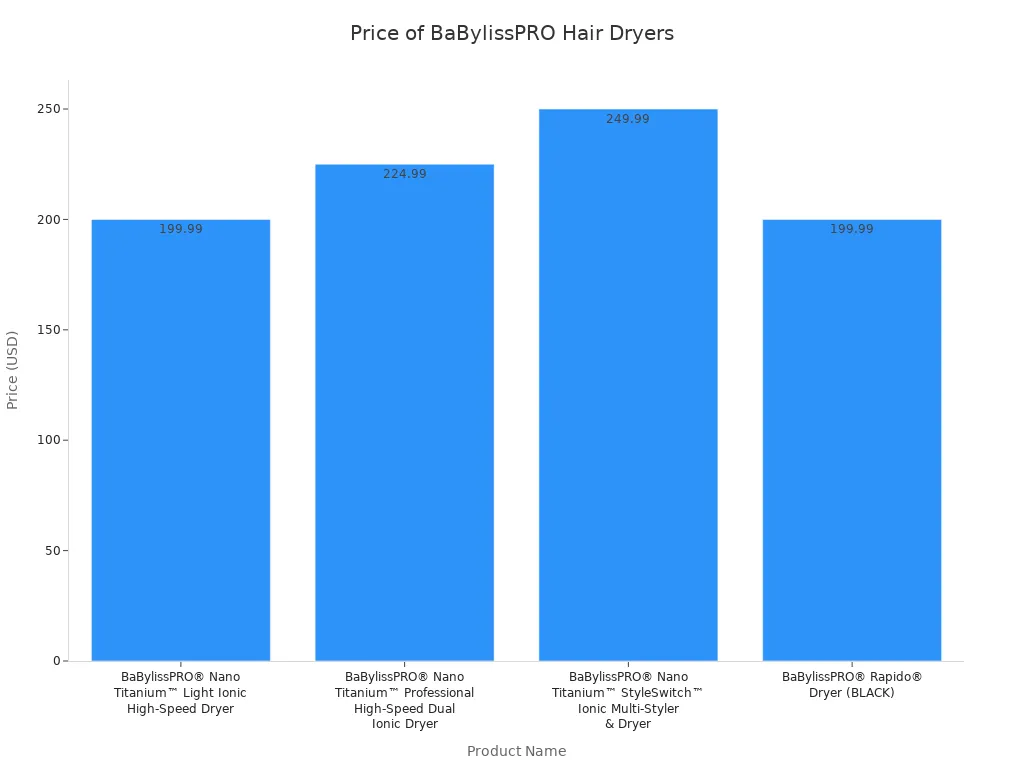
As shown, powerful corded options are available for less than half the price of a leading cordless model.
Custos de Propriedade a Longo Prazo
A análise financeira vai além da compra inicial. Os custos a longo prazo, particularmente aqueles relacionados à saúde da bateria e à durabilidade geral, favorecem fortemente os modelos com fio.
Substituição e Degradação da Bateria
A bateria é o componente mais vulnerável de uma ferramenta sem fio. Uma bateria de lítio-ion de qualidade, típica em um secador de cabelo a bateria, pode suportar entre 300 e 500 ciclos de carga antes do seu desempenho se degradar.
Após este ponto, os utilizadores notarão um declínio significativo na autonomia da bateria, diminuindo a usabilidade da ferramenta. Substituir a bateria de um secador de cabelo recarregável pode ser dispendioso e inconveniente, adicionando uma despesa oculta a longo prazo. Esta degradação impacta diretamente o valor de um secador de cabelo a bateria ao longo do tempo.
Durabilidade e Vida Útil
Os secadores de cabelo com fio são construídos para longevidade. Sem uma bateria para degradar, a sua vida útil é determinada pela qualidade do motor e da construção. Modelos com fio de alta gama com motores sem escovas podem durar milhares de horas, sobrevivendo muito mais do que qualquer secador a bateria. Esta durabilidade torna-os um investimento mais fiável e rentável para uso a longo prazo. A autonomia limitada da bateria e a eventual degradação tornam o secador sem fio uma conveniência de curto prazo, e não uma ferramenta duradoura.
O secador de cabelo tradicional permanece o campeão indiscutível para um desempenho potente e fiável. Os secadores de cabelo sem fio oferecem um tipo específico de conveniência, mas esta portabilidade tem um custo elevado em termos de desempenho e tempo de funcionamento. A escolha final do utilizador deve pesar o desempenho consistente de um modelo tradicional contra a conveniência de mobilidade de um sem fio.
Um secador de cabelo sem fio é uma ferramenta especializada. O seu tempo de funcionamento limitado e desempenho mais fraco tornam-no uma má escolha principal em comparação com um secador tradicional, que oferece uma conveniência superior para uso doméstico diário. A vantagem do sem fio é a conveniência, não a potência.
Perguntas Frequentes
Um secador de cabelo sem fio pode substituir o meu com fio?
Para a maioria dos utilizadores, um secador sem fio não pode substituir um modelo com fio. A sua potência limitada e curta duração tornam-no impraticável para um styling diário e completo. Funciona melhor como uma ferramenta secundária para viagens ou retoques rápidos, e não como um dispositivo principal para uso doméstico.
Os secadores de cabelo sem fio são permitidos em aviões?
Sim, viajantes podem normalmente levar um secador de cabelo sem fio na sua bagagem de mão. O dispositivo deve cumprir os regulamentos das companhias aéreas para baterias de lítio-ion (geralmente abaixo de 100 watt-hora). Os passageiros devem sempre verificar com a sua companhia aérea específica quaisquer regras adicionais antes de voar.
Por que os secadores de cabelo sem fio são tão caros?
Os modelos sem fio têm um preço premium devido à sua tecnologia de bateria complexa e engenharia compacta. O custo da bateria recarregável de lítio-ion é um fator significativo. Este investimento em portabilidade resulta num custo inicial muito mais elevado em comparação com secadores com fio mais potentes.
Qual secador é melhor para cabelo grosso ou comprido?
Um secador de cabelo com fio de alta potência (wattagem) é a melhor escolha para cabelo grosso ou comprido.
O seu motor potente e fluxo de ar forte são necessários para secar cabelo denso de forma eficiente. A baixa potência de um secador sem fio resultaria em tempos de secagem extremamente longos e maus resultados de styling.
Quanto tempo dura realmente a bateria de um secador sem fio?
A bateria de um secador de cabelo sem fio normalmente dura apenas 12 a 25 minutos quando usado na configuração de calor alto. Embora usar a função de jato frio possa estender este tempo, a curta janela operacional com calor é uma grande limitação para a maioria das rotinas de styling.
Os estilistas profissionais usam secadores de cabelo sem fio?
Os estilistas profissionais usam exclusivamente secadores de cabelo com fio de alto desempenho. O ambiente de salão exige ferramentas com tempo de funcionamento ilimitado, potência consistente e durabilidade para atendimentos consecutivos. As limitações de desempenho dos modelos sem fio tornam-nos inadequados para uso profissional.
Um secador de cabelo sem fio é potente o suficiente para secar o cabelo?
Um secador sem fio pode secar o cabelo, mas a sua eficácia é limitada. Com uma potência frequentemente abaixo de 600W, é mais adequado para utilizadores com cabelo muito curto e fino. Indivíduos com outros tipos de cabelo acharão o processo de secagem lento e ineficiente em comparação com um modelo padrão com fio.