

Travelers often debate whether to pack a portable hair dryer or depend on hotel amenities. Many hotels offer basic models, but a Фен с BLDC двигателем или Фен с AC двигателем от надежного производителем фенов или заводом по производству фенов can deliver superior performance. Essential tips for safe travel preparation and pre-travel prep include checking compatibility and features before traveling. Choosing the right portable hair dryer ensures convenience and reliability throughout any journey.
Deciding Whether to Bring a Portable Hair Dryer
Pros and Cons of Packing Your Own Travel Hair Dryer
Travelers often weigh the benefits and drawbacks before adding a travel hair dryer to their packing list. The following table outlines the main advantages and disadvantages:
| Advantages of Bringing Your Own Hair Dryer | Disadvantages of Traveling with a Hair Dryer |
|---|---|
| Familiarity with performance and settings | Takes up space and weight in luggage |
| Better quality and features than hotel models | Risk of forgetting it in hotel room |
| Ability to use specific attachments | Additional hassle with voltage converters |
A portable hair dryer offers consistent results and supports personal styling routines. However, travelers must consider luggage limitations and the risk of leaving the device behind. Voltage compatibility also presents challenges, especially for international travel.
When to Use Hotel Hair Dryers vs. Your Own
Hotel hair dryers can provide a convenient solution for many travelers. The reliability and quality of these devices often depend on the type of accommodation. The table below summarizes the suitability of hair dryers in various lodging options:
| Accommodation Type | Suitability for Hair Dryers |
|---|---|
| Upscale hotels | Best for guest comfort and flexibility |
| Mid-range hotels | Suitable for budget accommodations and high occupancy |
| Boutique hotels | Ideal for luxury resorts and design-forward properties |
| Premium hotels | Best for spas and wellness-focused accommodations |
| Chain hotels | Suitable for business and family-friendly properties |
Travelers staying in upscale or chain hotels usually find reliable hair dryers in their rooms. Boutique and premium hotels also prioritize guest comfort with quality appliances. In contrast, budget accommodations or hostels may offer limited or outdated devices. For those who require specific styling results, bringing a personal device remains the best option.
Совет: Always check hotel amenities before departure. Some properties list hair dryer availability on their websites or booking platforms.
Essential Situations for a Portable Hair Dryer
Certain travel scenarios make a portable hair dryer indispensable. Surveys and field testing across multiple countries reveal that travelers benefit most from compact dryers in locations with unpredictable electrical infrastructure. Hostel dorms with shared outlets, Airbnbs with aging wiring, and beach resorts with outdoor showers often lack reliable or safe hair drying options. In these environments, a travel hair dryer with low power draw and portability ensures consistent performance and safety.
Travel guidelines recommend packing a portable hair dryer for trips involving diverse accommodations or destinations with uncertain amenities. These guidelines help travelers avoid inconvenience and maintain their hair care routines regardless of location.
Tips for Choosing the Best Travel Hair Dryer
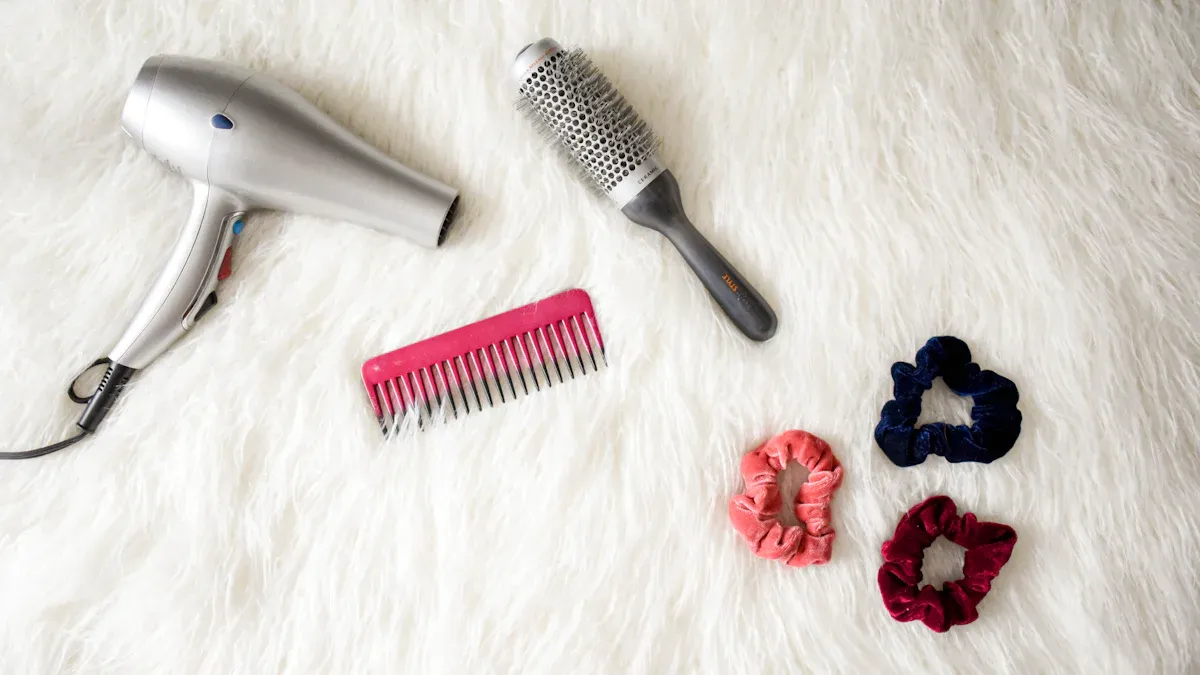
Key Features of a Good Travel Hair Dryer
Dual Voltage and Safety Features
Travelers often encounter different electrical standards in various countries. A Фен с двойным напряжением ensures safe operation in both 110V and 220-240V regions. This feature prevents electrical mishaps and eliminates the need for bulky converters. Many travel-friendly hair dryer models include built-in surge protection and automatic shut-off for added safety. These features protect both the user and the device during unpredictable travel conditions.
Compact Size and Lightweight Design
A portable hair dryer should fit easily into any suitcase or carry-on. Compact size and lightweight design reduce luggage weight and free up space for other essentials. Most mini hair dryer models weigh around 13 ounces, making them easy to carry without sacrificing performance. Travelers appreciate a device that does not add unnecessary bulk to their bags.
Foldable Handle and Cord Storage
A foldable handle allows a travel hair dryer to collapse into a smaller shape, maximizing packability. Cord storage, such as a retractable cord or a dedicated pouch, prevents tangling and protects the cord from damage. These features make packing and unpacking more efficient, especially during fast-paced travel itineraries.
Adjustable Heat and Speed Settings
Different hair types require different drying techniques. Adjustable heat and speed settings provide flexibility for quick drying or gentle styling. Consumer reports recommend at least two heat and two speed options. A cool shot button helps set styles and lock in curls, which benefits travelers who want salon-quality results on the go.
Совет: Look for a travel hair dryer with ionic or wave heater technology. These features help reduce frizz and enhance shine, even in humid climates.
| Особенность | Описание |
|---|---|
| Настройки температуры | At least two heat settings for different hair types |
| Настройки скорости | Two speed settings for quick drying or delicate styling |
| Кнопка холодного обдува | Blasts room-temperature air to set styles and lock in curls |
| Удобство упаковки/компактность | Compact design for easy travel without sacrificing performance |
Recommended Travel Hair Dryer Brands and Models
Travelers can find several reliable brands that offer high-quality portable hair dryers. Popular options include models with 1200W wattage, auto dual voltage, and advanced technologies. Many come with two concentrator nozzles and a travel bag for added convenience. Brands such as Conair, BaBylissPRO, and Revlon consistently receive positive reviews for their durability and performance. These models balance portability with professional-grade results, making them ideal for frequent travel.
- 1200W wattage for efficient drying
- Auto dual voltage (120V/220-240V) for international use
- Ionic and wave heater technology for smooth results
- Two heat/speed settings and cool shot button
- Lightweight design (around 13 oz)
- Includes travel accessories like nozzles and a bag
What to Avoid When Selecting a Portable Hair Dryer
Travelers should avoid models that lack dual voltage capability. Single-voltage devices may not function safely in foreign countries. Oversized or heavy dryers can make packing difficult and add unnecessary weight. Low-wattage models may dry hair too slowly, while high-wattage devices might overload local circuits. Always check the size, weight, and wattage range before purchasing. Avoid hair dryers without adjustable settings, as these limit styling options and may not suit all hair types.
Примечание: Always read product specifications and user reviews before making a final decision. This practice helps travelers avoid common pitfalls and ensures a smooth travel experience.
How to Pack Your Travel Hair Dryer Safely
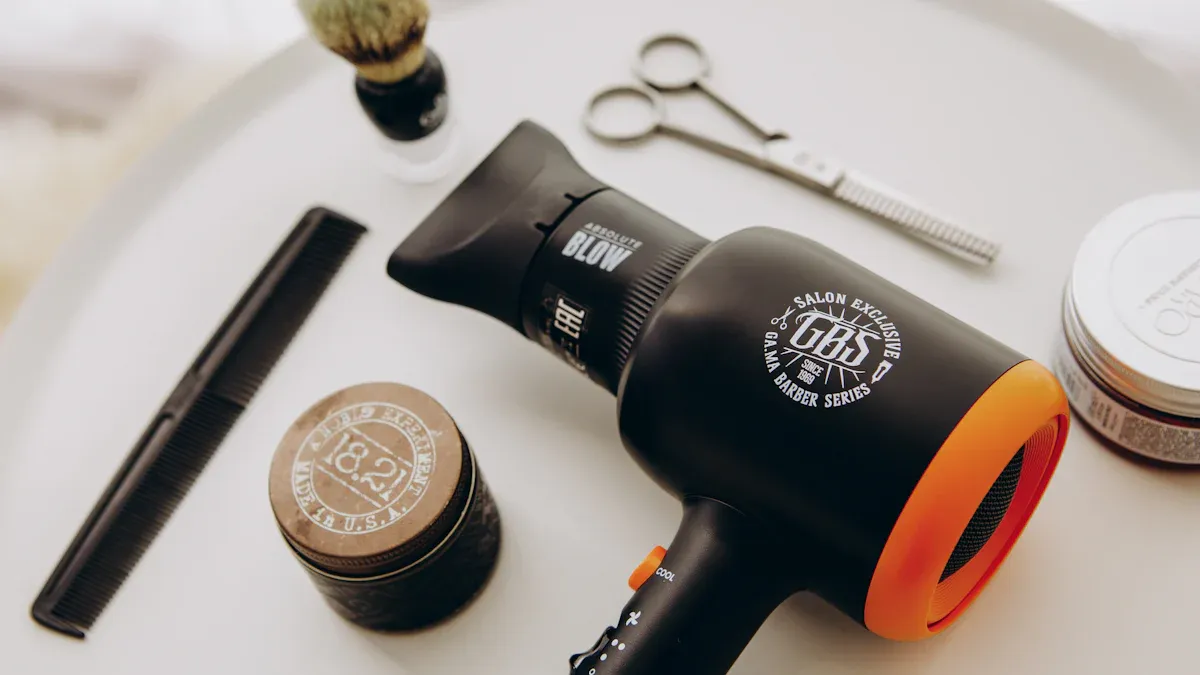
Preparing Your Portable Hair Dryer for Packing
Cooling and Cleaning the Dryer
Travelers should always allow their portable hair dryer to cool down completely before starting any packing steps. Packing a warm or hot device creates a fire and melt risk, especially when surrounded by plastic or synthetic materials. Most experts recommend waiting at least 15 to 30 minutes after use. During this time, users can clean the air intake vent and exterior. Removing dust and hair from the vent ensures optimal performance and prevents overheating during future use. A soft brush or cloth works well for this task.
Inspecting for Damage and Safety
Before packing, travelers should inspect the dryer for visible damage. Cracks, exposed wires, or loose attachments can compromise safety. Detach all nozzles and diffusers, then store them separately to prevent loss or breakage. Folding the handle, if possible, minimizes space and reduces the chance of accidental damage. These packing steps help maintain the dryer’s integrity and extend its lifespan. When travelers follow manufacturer guidelines, a travel hair dryer can last three to five years or more.
Wrapping the Cord and Using a Protective Case
The right way to wrap the cord prevents internal wire breakage and extends the life of the mini hair dryer. First, ensure the dryer is completely cool. Hold the plug end and gently straighten any twists. Coil the cord into loose loops, about 6–8 inches in diameter, avoiding tight wrapping around the dryer itself. Secure the coil with a fabric strap or Velcro tie. Avoid using rubber bands or metal clips, as these can damage the insulation.
Choose your protective casing based on the type and length of your trip. A hard-shell case offers maximum protection against impacts, especially for frequent flyers. For shorter trips, padded pouches with water-resistant lining and reinforced corners provide lightweight security. Dedicated styling tool organizers with cable loops and heat-resistant zones keep everything in place. Wrapping the dryer in a soft microfiber cloth before placing it in the case prevents scratches and adds an extra layer of protection.
Improper cord management causes nearly 40% of early hair dryer failures during travel. Careful cord handling and the use of a proper case are essential for reliable performance.
Packing in Carry-On vs. Checked Luggage
Packing in your carry-on or packing in your checked bag both have advantages. For most travelers, packing in your carry-on offers better protection and easier access. Airline and TSA rules allow hair dryers in both carry-on and checked luggage, but carry-on placement reduces the risk of loss or rough handling. When packing in checked luggage, surround the dryer with soft clothing to create a buffer zone. This strategic placement in your luggage absorbs shocks and prevents impact damage.
Travelers should always consider the size and weight of their hair dryer when deciding where to pack it. Compact models fit easily in carry-ons, while larger dryers may require checked bags. Regardless of location, always follow the recommended packing steps to ensure the device arrives safely and ready for use.
Preventing Damage During Transit
Travelers often face challenges when protecting their portable hair dryer during transit. Mishandling or poor packing can lead to broken components, frayed cords, or even electrical hazards. To ensure the device arrives safely and remains functional throughout the journey, travelers should adopt a systematic approach to packing and organization.
- Select a compact or foldable model. These designs enhance portability and reduce the risk of breakage.
- Place the mini hair dryer in a dedicated pouch or wrap. This step keeps the device and its cord organized, minimizing tangling and abrasion.
- Fill gaps in the suitcase by positioning the dryer between soft clothing or shoes. This method stabilizes the device and cushions it from impacts.
- Distribute weight evenly by placing the dryer near the center of the suitcase. Central placement prevents shifting and reduces pressure on the device.
- Never pack the dryer while it is plugged in. This practice prevents unnecessary cord wear and eliminates fire risks.
- Always check voltage compatibility before travel. Using the wrong voltage can cause permanent damage to the dryer.
- Keep the dryer away from liquids. Even small spills can result in water damage or electrical failure.
- Follow all airline baggage rules. Compliance ensures the device passes security checks and avoids confiscation.
- Pack a surge protector. Voltage spikes in unfamiliar locations can damage sensitive electronics.
- Coil the cord loosely. Tight wrapping can strain internal wires and shorten the lifespan of the device.
Tip: Travelers who consistently use a protective case and follow these packing strategies report fewer incidents of damage and enjoy longer-lasting performance from their hair dryers.
Careful attention to these details during packing helps maintain the reliability of a portable hair dryer. By following these steps, travelers can focus on their journey without worrying about equipment failure or safety hazards.
Understanding Voltage, Plug Compatibility, and Safety
Checking Voltage Requirements for Your Destination
Travelers must check the voltage standards of their destination before packing any electrical device. Hair dryers designed for North America operate at 110-127V, while most countries in Europe, Asia, Australia, and Africa use 220-240V. Plug types also differ by region. The following table summarizes voltage and plug types for popular destinations:
| Регион | Напряжение (В) | Тип вилки |
|---|---|---|
| Continental Europe | 230 | Type C/E/F |
| UK/Ireland/Malta/Cyprus | 230 | Тип G |
Travelers should always verify if their hair dryer supports dual voltage (100–240V) or if it is a single-voltage model (120V). Using a single-voltage hair dryer in a 230V outlet can cause severe damage or create a safety hazard. Packing the correct plug adapter for each destination ensures the device can connect to local outlets.
Tip: Countries outside North America that use 220-240V systems are incompatible with most North American hair dryers. Always check both voltage and plug type before departure.
Идентификация дорожных фенов с двойным напряжением
A dual voltage hair dryer offers the flexibility to operate safely in both 110V and 220-240V regions. Travelers can identify the voltage compatibility by examining the label on the dryer, usually found on the handle or near the cord entry point. The table below explains common voltage markings:
| Voltage Marking | Описание |
|---|---|
| 110-240V or 120/240V | Indicates dual voltage model |
| 110V or 120V | Indicates single voltage model, not suitable abroad |
Travelers should look for markings such as ‘INPUT AC 110-240V’ or ‘DUAL VOLTAGE.’ If the label shows only ‘120V’ or ‘125V,’ the device will not function safely in countries with 220-240V power. A range like ‘100-240V’ means the hair dryer adjusts automatically, while a marking like ‘120V/240V’ may require manual switching.
Examine the body or base of the handle for technical specifications. A clear voltage range or dual voltage marking confirms international compatibility.
Using Plug Adapters and Voltage Converters Safely
Travelers often need both plug adapters and voltage converters to use their devices abroad. Plug adapters change the shape of the plug to fit local outlets, while voltage converters adjust the electrical current to match the device’s requirements. Using the wrong accessory can lead to serious risks.
When to Use a Plug Adapter
- Use a plug adapter when the hair dryer is dual voltage and only the plug shape differs.
- Plug adapters do not convert voltage; they only allow the plug to fit into the outlet.
- Always pack the correct adapter for each country on the itinerary.
When to Use a Voltage Converter
- Use a voltage converter if the hair dryer is single voltage and the destination uses a different standard.
- Voltage converters change the electrical current from 220-240V down to 110-120V.
- Never use a single-voltage hair dryer in a higher voltage outlet without a converter.
Risks of using a hair dryer without the correct adapter or converter include device burnout, sparking, or even fire. Overheated components can ignite the plastic housing, and electrical arcing may cause further hazards. Damaged insulation increases the probability of fire, and blown fuses or tripped circuit breakers can disrupt hotel operations and create liability issues.
For maximum safety, travelers should always confirm device compatibility and use the appropriate adapter or converter. Non-dual-voltage hair dryers can become permanently unusable or cause electrical damage if used incorrectly.
Testing Compatibility Before Your Trip
Travelers should always verify the compatibility of their portable hair dryer before embarking on an international journey. Electrical standards and outlet types vary widely across countries. Testing compatibility in advance prevents device damage, electrical hazards, and unnecessary frustration.
Follow these steps to ensure your hair dryer will work safely abroad:
Inspect the Device Label
Examine the label on the handle or base of the hair dryer. Look for a range such as “INPUT AC 120V – 240V.” This marking confirms the device is a Фен с двойным напряжением, which operates safely in both North American and international destinations. If the label only lists “120V,” the device is single voltage and requires extra precautions.Determine the Need for a Voltage Converter
If the hair dryer is single voltage, travelers must pack a voltage converter. This device changes the electrical current from the higher voltage found in many countries to the lower voltage required by North American appliances. Using a single voltage device without a converter can result in overheating, permanent damage, or even fire.Select the Correct Plug Adapter
Research the plug type used in the destination country. Outlet shapes and sizes differ around the world. A plug adapter allows the hair dryer to connect to foreign outlets but does not alter the voltage. Travelers should pack the appropriate adapter for each country on their itinerary.Test the Setup at Home
Before departure, assemble the hair dryer, plug adapter, and voltage converter (if needed). Plug the setup into a compatible outlet at home or use a travel adapter with a voltage tester. Confirm that the device powers on and operates correctly. This step ensures all components work together and reduces the risk of surprises abroad.
Совет: A dual voltage hair dryer offers the safest and most convenient solution for international travel. Travelers who use a device with this feature avoid the need for bulky converters and minimize the risk of electrical mishaps.
Travelers who complete these steps before leaving home enjoy peace of mind and reliable hair care throughout their trip. Careful preparation ensures that the hair dryer performs as expected, regardless of the destination’s electrical standards.
Safety Tips for Using a Portable Hair Dryer Abroad
Electrical Safety and Outlet Checks
Avoiding Overloaded Outlets
Travelers often encounter unfamiliar electrical setups in hotels and guesthouses. Overloaded outlets can cause overheating, tripped breakers, or even fire. They should always check the number of devices plugged into a single outlet before using a travel hair dryer. General electrical safety practices recommend plugging only one high-wattage device into an outlet at a time. Multi-plug adapters or extension cords may not support the power draw of a hair dryer, especially in older buildings.
“Voltage mismatch is the single most common cause of ‘weak’ performance in travel hair dryers across Europe. It’s rarely the dryer itself—it’s the absence of correct configuration or appropriate power conversion.” — Klaus Richter, Senior Electrical Safety Engineer, TÜV Rheinland
Travelers should verify the voltage selector switch on their device before plugging it in. They should consider investing in a Фен с двойным напряжением or a quality voltage converter for international trips. North America typically uses 100–127 V at 60 Hz, while most of Europe uses 220–240 V at 50 Hz. Plugging a dryer designed for lower voltage into a higher voltage socket can lead to device damage or fire hazards.
Inspecting Outlets and Plugs for Safety
Before use, travelers should inspect outlets and plugs for visible damage, scorch marks, or loose fittings. If an outlet feels hot or emits a burning smell, they should avoid using it. Universal hair dryer safety rules advise testing the plug fit and ensuring the connection feels secure. If the plug wobbles or sparks, travelers should seek another outlet. These safe usage practices help prevent electrical accidents and protect both the user and the device.
Water Safety and Bathroom Use
Bathrooms present unique risks due to the proximity of water. Modern travel hair dryers often include ALCI protection, which automatically shuts off power if the device contacts water. Plugging into GFCI-protected outlets adds another layer of safety by cutting power instantly if ground faults are detected. Users should always keep hair dryers away from sinks, tubs, and showers during use.
- Use hair dryers with ALCI protection.
- Plug into GFCI-protected outlets.
- Maintain a safe distance from water sources.
If a hair dryer falls into water, the user should never reach in while it is plugged in. They must unplug the device first, retrieve it only after disconnecting, and ensure it is completely dry before reuse. Press the ALCI reset button only after confirming the appliance is dry.
Proper Operation in Different Environments
Travelers may use hair dryers in humid or high-altitude locations. At high altitudes above 1,500 meters, air density decreases and voltage can fluctuate. Hair dryers may heat up faster, increasing the risk of hair damage. Devices with active voltage regulation circuitry, a maximum power output of 1,600W, and precise low-heat modes offer safer operation. Ceramic and tourmaline coatings help distribute heat evenly and emit ions for hair protection.
Recommended operation steps include pre-hydrating hair with a water-based leave-in product, starting with cool air for several minutes, and switching to low heat and medium speed. Users should keep the dryer 20–25 centimeters from the hair and move it constantly to prevent hot spots. A final cool shot helps seal the cuticle and lock in style.
Travelers who follow these guidelines and prioritize safety can enjoy reliable performance from their travel hair dryer in any environment.
Troubleshooting Common Travel Hair Dryer Issues
Travelers often encounter unexpected problems when using portable hair dryers on the road. These issues can disrupt daily routines and cause frustration. Understanding the most frequent challenges and their solutions helps travelers maintain reliable hair care during any trip.
В таблице ниже приведены common risks, the types of damage that may occur, and effective prevention strategies:
| Travel Risk | Тип повреждения | Prevention Strategy |
|---|---|---|
| Voltage incompatibility | Electrical component failure | Dual-voltage models |
| Physical transport damage | Трещины в корпусе, повреждение шнура | Защитные жесткие кейсы |
| Экстремальные условия окружающей среды | Конденсат, тепловой удар | Постепенная акклиматизация |
1. Несовместимость напряжения
Многие путешественники сталкиваются с выходом устройств из строя из-за несоответствия напряжения. Когда фен получает неподходящее напряжение, внутренние компоненты могут перегореть. Модели с двойным напряжением решают эту проблему, автоматически подстраиваясь под местные стандарты. Путешественникам всегда следует проверять переключатель напряжения перед включением устройства в розетку.
2. Повреждения при физической транспортировке
Чемоданы часто подвергаются грубому обращению во время перевозки. Фены могут получить трещины в корпусе или повреждения шнура, если упакованы без защиты. Жесткие кейсы и мягкие чехлы с амортизацией защищают устройство от ударов. Свободная намотка шнура и отдельное хранение насадок также предотвращают поломки.
3. Экстремальные условия окружающей среды
Резкие перепады температуры или высокая влажность могут вызвать образование конденсата внутри фена. Эта влага может привести к тепловому удару или короткому замыканию. Путешественникам следует позволять устройству постепенно акклиматизироваться к новой среде. Хранение фена в сухом изолирующем чехле снижает риск внутренних повреждений.
Совет: если фен перестал работать, путешественникам следует сначала проверить вилку, розетку и настройки напряжения. Сброс кнопки УЗО (ALCI) или охлаждение устройства часто восстанавливают его работоспособность.
4. Слабый поток воздуха или перегрев
Ворсинки и пыль могут засорить воздухозаборник, вызывая слабый поток воздуха или перегрев. Регулярная очистка вентиляционных отверстий мягкой щеткой поддерживает производительность. Если фен перегревается, пользователям следует отключить его от сети и дать остыть перед дальнейшим использованием.
5. Необычные шумы или запахи
Странные звуки или запах гари сигнализируют о внутренних проблемах. Путешественникам следует немедленно прекратить использование и проверить устройство на наличие видимых повреждений. Устойчивые проблемы могут потребовать профессионального ремонта или замены.
Путешественники, которые следуют этим шагам по устранению неполадок, повышают долговечность устройства и обеспечивают безопасность в каждой поездке. Проактивное обслуживание и аккуратная упаковка сводят к минимуму сбои и поддерживают надежную работу фенов.
Контрольный список упаковки и использования дорожного фена
Хорошо организованный контрольный список упаковки и использования гарантирует, что путешественники будут наслаждаться уходом за волосами без стресса в поездках. Следуя пошаговому руководству по использованию фена, можно избежать распространенных ошибок и максимизировать производительность портативных приборов для укладки.
Контрольный список упаковки перед поездкой
Перед отъездом путешественникам следует просмотреть полный контрольный список для фена, чтобы убедиться, что все необходимые предметы готовы к путешествию. Следующий список описывает наиболее важные шаги:
- Упакуйте мини-фен, даже если отель заявляет о его наличии. Компактные модели обеспечивают удобство и надежность.
- Возьмите щипцы для завивки или выпрямитель, если ваша личная процедура укладки требует их. Модели с двойным напряжением лучше всего подходят для международных поездок.
- Убедитесь, что все приборы для волос, включая фен, поддерживают двойное напряжение. Эта функция предотвращает проблемы с питанием за границей.
- Возьмите правильные переходники для вилки для каждого пункта назначения. Изучите типы розеток заранее.
- Используйте защитный кейс или мягкий чехол, чтобы защитить фен от ударов во время перевозки.
- Очистите воздухозаборник и внешнюю поверхность фена перед упаковкой. Удалите пыль и волосы для поддержания производительности.
- Проверьте шнур и насадки на наличие видимых повреждений. Замените любые изношенные компоненты.
- Упакуйте легкий термозащитный спрей дорожного размера, чтобы минимизировать повреждение волос от высокой температуры.
- Храните все инструменты и аксессуары для укладки вместе для легкого доступа.
Совет: путешественники, которые готовят подробный контрольный список для упаковки, снижают риск забыть необходимые предметы и обеспечивают бесперебойную работу на протяжении всей поездки.
Контрольный список использования в поездке
Во время путешествия следует придерживаться практического контрольного списка, чтобы гарантировать безопасное и эффективное использование портативного фена. Следующие шаги помогают сохранить как долговечность устройства, так и здоровье волос:
- Подтвердите совместимость с двойным напряжением перед включением фена в каждом новом месте.
- Используйте переходник для вилки только при необходимости. Помните, что переходники не преобразуют напряжение.
- Используйте фен на низкой настройке при использовании за границей, чтобы предотвратить перегрев.
- Держите устройство подальше от источников воды, особенно в ванных комнатах.
- Позвольте фену полностью остыть перед повторной упаковкой после использования.
- Регулярно очищайте воздухозаборник, чтобы предотвратить накопление ворсинок и поддерживать поток воздуха.
- Храните фен и аксессуары в защитном кейсе или чехле между использованиями.
- Носите компактные инструменты для укладки, такие как складной фен или мини-выпрямитель, для дополнительного удобства.
- Нанесите термозащитный спрей перед сушкой, чтобы защитить волосы от термического повреждения.
Пошаговое руководство по использованию фена в поездках помогает путешественникам адаптироваться к различным условиям и стандартам электропитания. Следуя этим контрольным спискам, можно наслаждаться надежными результатами укладки и избегать ненужных осложнений во время путешествий.
Путешественники, которые берут с собой портативный фен, получают преимущества в виде надежной укладки и повышенной безопасности. Следующие советы помогают обеспечить беспроблемное путешествие:
- Очистите фен перед упаковкой.
- Свободно оберните шнур мягким ремешком.
- Используйте мягкий чехол с амортизацией и ударопоглощающий материал.
- Поместите фен в центр багажа, окружив его мягкими предметами.
- Проверьте совместимость с двойным напряжением для международных поездок.
Заблаговременное планирование ухода за волосами способствует соблюдению правил TSA, улучшает стратегии упаковки и предотвращает задержки на контрольно-пропускных пунктах.
Часто задаваемые вопросы
Можно ли брать портативный фен в ручную кладь?
Да, TSA разрешает провоз портативных фенов как в ручной клади, так и в зарегистрированном багаже. Путешественникам следует упаковывать устройство надежно, чтобы предотвратить повреждение. Всегда проверяйте правила конкретной авиакомпании перед полетом.
В чем разница между феном с двойным напряжением и феном с одним напряжением?
Фен с двойным напряжением безопасно работает как в регионах с напряжением 110 В, так и 220-240 В. Модель с одним напряжением работает только с одним стандартом напряжения. Модели с двойным напряжением лучше всего подходят для международных поездок.
Как определить, что фен поддерживает двойное напряжение?
Проверьте этикетку на ручке или основании. Модели с двойным напряжением отображают диапазон, например “110-240 В” или “100-240 В”. Если на этикетке указано только одно напряжение, устройство рассчитано на одно напряжение.
Преобразуют ли переходники для вилок напряжение?
Переходники для вилок изменяют только форму вилки. Они не преобразуют напряжение. Путешественникам необходим преобразователь напряжения для устройств с одним напряжением в странах с другими электрическими стандартами.
Что следует делать путешественникам, если их фен перестал работать за границей?
- Немедленно отключите устройство от сети.
- Проверьте розетку и настройки напряжения.
- Дайте фену остыть.
- Осмотрите устройство на наличие видимых повреждений.
- Попробуйте другую розетку или адаптер.
Если проблемы сохраняются, обратитесь за профессиональным ремонтом или замените устройство.
Безопасно ли пользоваться фенами в отелях?
Большинство фенов в отелях соответствуют стандартам безопасности. Однако перед использованием путешественникам следует проверить устройство и розетку на наличие повреждений. Использование личных приборов с известными функциями безопасности часто обеспечивает более высокую надежность.
Можно ли пользоваться портативным феном в ванной комнате?
Да, но всегда держите устройство подальше от источников воды. По возможности используйте розетки с защитой УЗО. Никогда не берите фен мокрыми руками и не используйте его рядом с раковинами или ванной.