
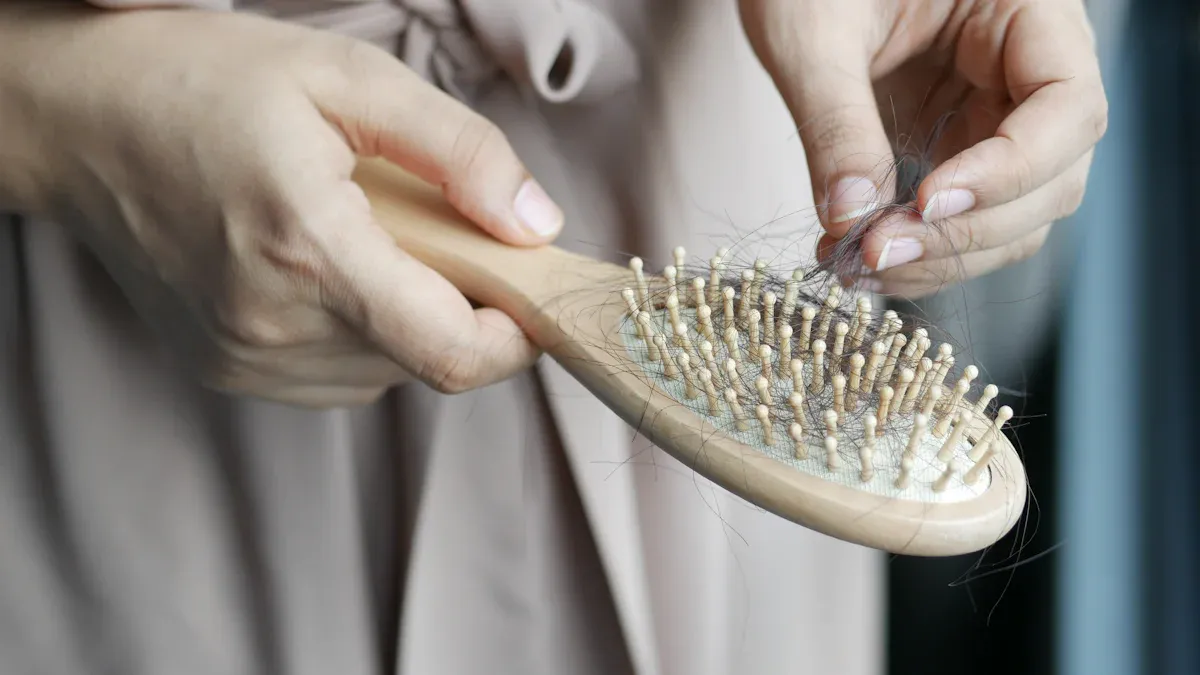
Users properly clean their styling tools by following a systematic process. They first ensure the device is cool and unplugged. They then remove all trapped hair from the bristles. A damp cloth helps clean the barrel and handle, removing product buildup from the hair. A leading производителем фенов suggests using a dry brush to clear the air vents, a critical step for any Фен с AC двигателем or advanced Фен с BLDC двигателем. This guidance from a заводом по производству фенов ensures the tool remains effective for styling hair.
Совет профессионала: The best way to maintain your hair dryer brush is to clean it after every few uses to prevent performance issues.
Preparations Before You Clean Your Hair Dryer Brush
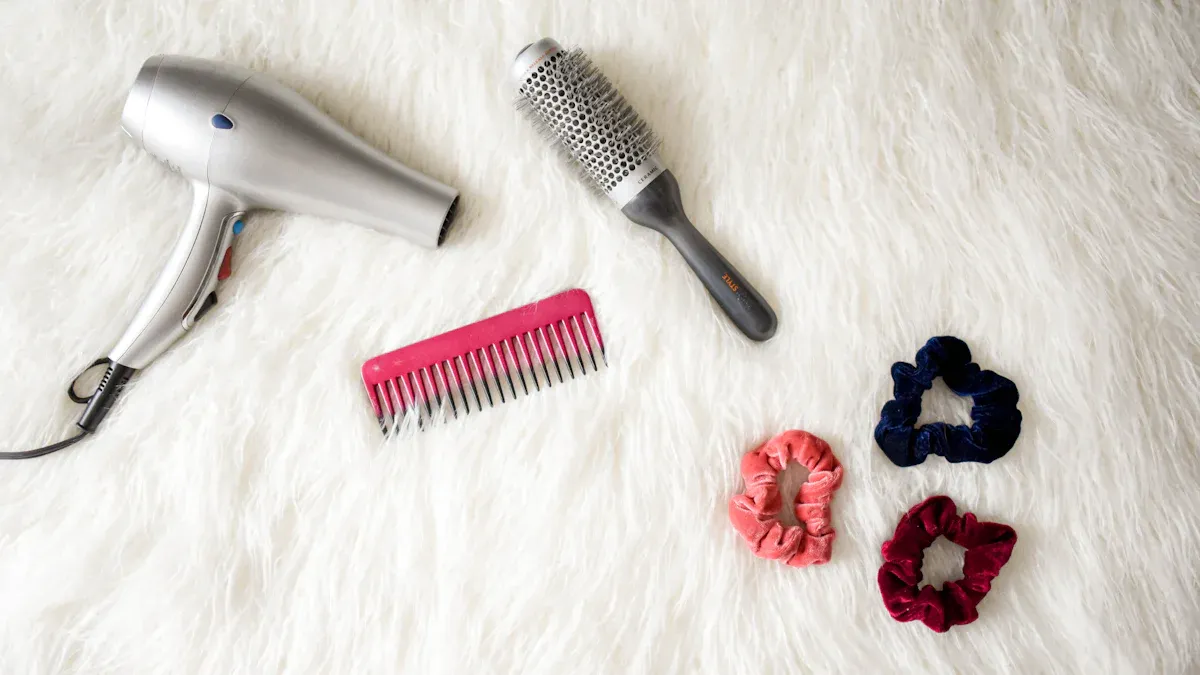
Proper preparation is the foundation of an effective cleaning routine. Users who gather their supplies and understand the stakes involved can work more efficiently. This ensures both the tool and their hair receive the best possible care. A few moments of prep work prevent future problems and extend the life of the appliance.
Why Regular Cleaning is Crucial
Regular maintenance is not just about aesthetics. It directly influences hair health and the tool’s operational integrity. Neglecting this simple task can lead to undesirable consequences for both.
Impact on Your Hair’s Health
A dirty hair dryer brush can undermine a user’s entire hair care regimen. Over time, the bristles accumulate a mixture of dead skin cells, styling product residue, dust, and oils. This buildup becomes a breeding ground for contaminants.
Certified trichologist Bridgette Hill notes that dirty hairbrushes are a ‘breeding ground for dust, bacteria, mites, and product buildup.’ Using an unwashed brush essentially recontaminates a clean scalp. This can disrupt natural oil distribution and spread yeast, leading to scalp inflammation and irritation. Experts warn this buildup can also dull hair shine and cause strands to snag or break.
Impact on the Tool’s Performance
The functionality of a hair dryer brush depends on unobstructed airflow. Lint, dust, and stray hairs inevitably get pulled into the air intake vent. A clogged filter forces the motor to work harder, which can lead to overheating and a significant drop in performance. This strain not only reduces the tool’s drying power but also shortens its overall lifespan. A clean tool delivers consistent heat and maximum airflow for superior styling results.
Gathering Your Essential Cleaning Kit
A professional-level clean does not require expensive or specialized products. Users can assemble a highly effective kit using common household items. Having these tools ready makes the cleaning process quick and simple.
Soft Microfiber Cloth
A soft microfiber cloth is perfect for wiping down the handle, barrel, and bristles. Its gentle texture removes grime and residue without scratching the tool’s surfaces.
Gentle Soap or Isopropyl Alcohol
Users can create a simple cleaning solution with a few drops of gentle soap in warm water. For a deeper disinfection to eliminate bacteria, isopropyl alcohol is an excellent choice.
- For effective disinfection without causing damage, professionals recommend using a solution with at least 70% alcohol content.
Old Toothbrush or Spoolie
An old, dry toothbrush or a clean spoolie is the ideal tool for clearing debris from the air intake vent. The fine bristles can easily dislodge trapped lint and dust from the filter screen.
Rat-Tail Comb or Small Scissors
A rat-tail comb is invaluable for lifting and removing tangled strands from the base of the bristles. For very stubborn knots, a small pair of scissors allows for precise cutting to free the trapped hair without damaging the brush.
The Ultimate Step-by-Step Deep Cleaning Guide
A thorough deep clean restores a hair dryer brush to its optimal condition. Users who follow these detailed cleaning steps can ensure their tool performs safely and effectively for years. This guide breaks down the entire cleaning process into manageable actions.
Step 1: Unplug and Cool Down for Safety
Safety is the non-negotiable first step in any appliance maintenance routine. Users must prioritize their well-being and protect the tool from electrical damage before they begin.
The Importance of Unplugging
Users must always disconnect the hair dryer brush from the power outlet before starting. This simple action eliminates the risk of electric shock. Electrical personal care appliances are powerful tools that can pose significant hazards if handled improperly. One recall incident involving hair dryers highlighted the danger, with 193 reports of devices overheating, melting, or catching fire. These events led to 18 burn injuries and two cases of minor electrical shock, underscoring the critical need for caution.
Allowing the Tool to Cool Completely
A hair dryer brush operates at high temperatures. Users should never attempt to clean a hot tool. The heated barrel and bristles can cause painful burns upon contact. Allowing the appliance to cool down completely for at least 15-20 minutes also prevents the cleaning cloth from melting or the cleaning solution from evaporating too quickly.
Step 2: Remove All Trapped Hair
Strands of hair inevitably wrap around the barrel and become lodged in the bristles. Removing this buildup is essential for hygiene and performance. A systematic approach ensures all debris is cleared away.
Using Fingers for Loose Strands
The first pass involves manual removal. Users can easily pull out the majority of loose hair with their fingers. This clears the surface and makes it easier to see the more deeply embedded tangles.
Using a Comb for Deeper Tangles
A rat-tail comb is the perfect instrument for the next phase. Users should slide the pointed end of the comb under the matted hair at the base of the bristles. They can then gently lift upwards to loosen the tangles, pulling the strands free from the brush.
Using Scissors for Stubborn Knots
Some knots may be too tight to remove with a comb. For these stubborn tangles, users can carefully slide a small pair of scissors under the wrapped hair. They should cut vertically, parallel to the barrel, to snip the knot. This technique frees the hair without scratching the barrel or damaging the bristles.
Expert Technique for Thorough Hair Removal
Professionals use a multi-stage method to ensure every strand is gone:
- Initial Removal: Start by pulling out all loose strands with your fingers.
- Deep Extraction: Use the long, thin handle of a rat-tail comb to get underneath and lift deeply embedded hair.
- Final Check: Visually inspect the base of the bristles from all angles to ensure no debris remains.
Step 3: Wipe Down the Barrel and Bristles
With all the hair gone, the next step is to clean the surfaces of product residue, oil, and dust. This part of the routine sanitizes the tool and restores its shine.
Creating Your Gentle Cleaning Solution
Users can prepare an effective and safe cleaning solution with simple ingredients. They can mix a few drops of gentle soap or shampoo into a small bowl of warm water. For a more disinfecting clean, a solution of one part isopropyl alcohol to one part water works well. Users should never use harsh chemicals or abrasive cleaners.
Wiping Surfaces Without Soaking
Users should dip a soft microfiber cloth into the cleaning solution and wring it out until it is only slightly damp. The goal is to wipe, not soak. They can then meticulously wipe down the handle, the barrel between the bristles, and the bristles themselves. This method will clean the tool effectively without risking water damage to the internal electronics.
Step 4: Clear the Air Vents and Filter
A clean airflow system is the lifeblood of a hair dryer brush. This step directly addresses the tool’s motor health and performance efficiency, making it one of the most critical parts of the maintenance routine.
Locating the Air Intake Vent
Users can typically find the air intake vent at the base of the handle or on the end cap of the device. This component, often covered by a removable filter screen or grating, is where the tool draws in cool air to regulate the motor’s temperature and propel hot air outward. Identifying its location is the first step toward maintaining optimal function.
Clearing Away Dust and Lint
The air intake vent acts as a vacuum, pulling in not just air but also dust, lint, and stray hairs from the surrounding environment. A clean vent is essential for performance. When this filter becomes clogged, it severely restricts airflow and puts immense strain on the motor.
Alert: The Dangers of a Clogged Filter ⚠️
Neglecting the air filter forces the motor to work harder and longer against the blockage. This leads to a cascade of problems that shorten the appliance’s lifespan:
- The motor overheats due to insufficient cooling.
- Operating temperatures increase throughout the entire system.
- Styling effectiveness drops, requiring longer usage periods to achieve results.
- Internal components experience accelerated wear and tear.
To prevent this, users should take a dry, old toothbrush or a clean spoolie. They can gently scrub the vent and filter screen to dislodge and remove all visible debris. For models with a removable filter, users can twist it off for a more thorough cleaning. This simple action helps to clean the filter screen effectively and restores proper airflow, preventing the motor from overheating and preserving its power.
Step 5: Air Dry Thoroughly
The final step in the cleaning process requires patience. Properly drying the hair dryer brush is a crucial safety measure that protects both the user and the appliance’s delicate internal electronics.
Why Patience is Key
Water and electricity are a hazardous combination. After users clean the tool, even with a lightly dampened cloth, trace amounts of moisture can remain on the surface or near seams. Attempting to plug in or operate a damp appliance creates a serious risk of electrical short-circuits, which can permanently damage the motor or pose a shock hazard. To ensure safety, experts recommend letting the hair dryer brush air dry for at least a couple of hours before its next use. This waiting period allows any residual moisture to evaporate completely.
Best Practices for Positioning
Proper positioning aids in efficient and safe drying. Users should lay the hair dryer brush on a clean, dry towel on a flat surface like a countertop. It is best to position the tool so that air can circulate freely around the barrel and bristles. Users should avoid placing it in a drawer or enclosed space where moisture can remain trapped. Keeping the tool out of direct sunlight or away from other heat sources is also wise, as extreme temperatures can warp the plastic casing or damage the finish. This final step will ensure the tool is completely clean, dry, and ready for its next styling session.
How to Maintain Your Hair Dryer Brush for Longevity
While a deep clean restores your tool, consistent daily maintenance is the true secret to its long-term health. Users who adopt simple, preventative habits can significantly extend the life of their appliance and ensure it performs at its best every day. These proactive steps help users maintain their hair dryer brush with minimal effort.
Quick Clean Routine After Every Use
A small amount of care after each styling session goes a long way. This quick upkeep prevents the accumulation of debris that leads to bigger problems.
The 30-Second Hair Removal
After the tool has cooled, users should take just 30 seconds to remove any strands of hair from the bristles. They can simply use their fingers to pull out loose hair wrapped around the barrel. This simple action is the most effective way to prevent tangles from becoming tight, stubborn knots. A clean brush head ensures smooth gliding through the hair during the next use.
Proper Storage Techniques
How a user stores their hair dryer brush directly impacts its condition and longevity. Proper storage protects delicate components from physical damage and environmental debris.
Storing Upright to Protect Bristles
The bristles are essential for gripping and styling hair, but they can bend or break under pressure. Users should store the tool in an upright position, such as in a container or holder on their vanity. This orientation prevents the bristles from being crushed or misshapen, helping to maintain the brush’s effectiveness.
Using a Protective Case or Original Box
For maximum protection, users can store the appliance in its original box or a dedicated protective case. This shields the tool from dust, moisture, and accidental impacts.
Professional Storage Tips 💡 Experts offer several key tips for safe storage. Users should always unplug the device after use. They must avoid wrapping the cord tightly around the tool or hanging it by the cord, as this can cause internal wire damage. A clean, dry location is the ideal storage spot.
Smart Styling Product Application
Styling products are necessary for many looks, but their application method can affect the tool. Smart product use makes the brush easier to clean and helps maintain its performance.
Apply Products to Hair, Not the Brush
Users should always apply styling products like mousses, serums, or heat protectants directly to their hair, not the brush. Spraying products onto the tool causes a sticky residue to build up quickly on the barrel and bristles. This buildup can scorch, create unpleasant odors, and make the brush much harder to clean.
Avoiding Sticky or Heavy Formulas
Some heavy or sticky formulas can transfer from the hair to the brush, even with proper application. These residues can clog the spaces between bristles and attract more dust. Users who notice significant buildup may consider using lighter products to help keep their tool clean and functioning optimally.
Common Cleaning and Maintenance Mistakes to Avoid
Proper cleaning is essential, but users must also avoid common errors that can cause irreparable damage or create serious safety risks. Understanding these pitfalls is a key part of effective long-term maintenance.
Electrical and Water Safety Hazards
Electrical appliances and water are a dangerous mix. Users must exercise extreme caution to prevent shock or electrocution.
Never Submerge the Tool in Water
Users must never immerse a hair dryer brush in water. Electrical safety standards, such as UL Standard 859, require these tools to have integral immersion protection. This feature, often a block-shaped GFCI plug, is designed to cut power if the device falls into water. These regulations have been highly effective, contributing to a 96.6% reduction in hair dryer electrocution deaths over two decades. However, this is a last-resort safety feature, not an excuse for careless handling.
Do Not Operate if Wet or Damp
Operating a damp hair dryer brush poses a significant electrocution hazard. The U.S. Consumer Product Safety Commission (CPSC) has issued warnings and recalls for products with shock risks, such as the Crasts Hair Dryer Brush. In another case, nearly 60,000 Remington hair dryers were recalled because they were missing a critical immersion protection part. Users must always ensure their tool is completely dry before plugging it in.
Protecting the Tool’s Surfaces
The external components of the brush are vital for performance. Aggressive cleaning methods can cause permanent damage.
Avoid Harsh or Abrasive Chemicals
Пользователям следует избегать использования агрессивных химических веществ, таких как отбеливатель, нашатырный спирт или абразивные чистящие порошки. Эти вещества могут удалить защитное покрытие с корпуса, повредить пластиковую ручку и щетинки. Достаточно и безопасно использовать простой раствор мягкого мыла и воды.
Избегайте острых металлических предметов
Соскабливание накопившихся продуктов острыми металлическими предметами — это вредная ошибка. Металлические инструменты могут легко поцарапать корпус, повредив керамическое или турмалиновое покрытие и вызвав неравномерный нагрев. Они также могут сломать или погнуть щетинки, снизив эффективность укладки.
Устранение распространенных проблем
Даже при хорошем уходе пользователи могут столкнуться с проблемами. Эти советы по устранению неполадок помогут определить причину.
Борьба с неприятным запахом
Стойкий запах гари часто указывает на конкретную проблему. Данные свидетельствуют, что запах возникает из-за остатков волос или пыли, пригорающих внутри нагревательного элемента, или из-за перегрева двигателя. Тщательная очистка вентиляционных отверстий может решить проблему. Если запах сохраняется после очистки, это, скорее всего, указывает на неисправность двигателя, и пользователям следует прекратить использование.
Решение проблемы потери мощности или воздушного потока
Внезапное падение производительности почти всегда связано с воздушным потоком. Основные причины включают:
- Засоренный фильтр для ворса, препятствующий свободному движению воздуха.
- Заблокированное воздухозаборное отверстие, препятствующее потоку воздуха в источнике.
- Неисправный или поврежденный внутренний вентилятор.
- Неисправный двигатель, который больше не может работать на полную мощность.
Очистка фильтра и вентиляционных отверстий — это первый шаг. Если мощность не восстанавливается, возможно, инструмент имеет внутреннюю неисправность.
Продвинутые советы для различных типов щеток
Не все щетки-фены созданы одинаковыми. Разные материалы требуют специфических методов очистки для сохранения их уникальных свойств. Пользователи, которые адаптируют свой подход, могут защитить свои инвестиции и обеспечить долгосрочную эффективность инструмента. Эти продвинутые советы помогут пользователям эффективно очистить свой конкретный тип щетки.
Очистка щеток со щетиной из кабана
Натуральная щетина кабана отлично распределяет кожное сало, но она более деликатная, чем синтетические аналоги. Она требует бережного обращения, чтобы предотвратить повреждение и сохранить свою текстуру.
Техника бережного протирания
Пользователям следует сначала удалить всю застрявшую шерсть расческой. Лучший способ очистки этих щетинок включает тщательный процесс мытья.
- Приготовьте миску с очень теплой водой, смешанной с мягким шампунем без сульфатов.
- Погрузите в воду только щетинки. Пользователи должны избегать замачивания любой деревянной ручки или мягкой подушечки, чтобы предотвратить повреждение водой.
- Аккуратно потрите щетинки пальцами, чтобы удалить накопившиеся продукты.
- Промойте щетинки под прохладной водой и положите инструмент щетинками вниз на полотенце для просушки на воздухе..
Предотвращение повреждения щетинок
Агрессивные моющие средства могут лишить натуральную щетину кабана естественных масел,, сделав ее сухой и ломкой. Использование мягкого шампуня сохраняет ее целостность. Этот тщательный метод предотвращает повреждение щетинок и удаляет кожное сало и накопившиеся продукты, не нарушая качество щетки.
Очистка щеток с нейлоновой или пластиковой щетиной
Нейлоновая и пластиковая щетина более устойчивы и могут выдержать более интенсивный режим очистки. Эта долговечность облегчает уход за ними, особенно при работе с сильными остатками продуктов.
Обращение с более устойчивыми материалами
Эти синтетические материалы менее подвержены повреждению от влаги. Пользователи могут быть более энергичными при очистке от грязи. Маленькая зубная щетка — отличный инструмент для очистки пространства между щетинками от стойких загрязнений без риска повреждения самих щетинок.
Глубокая очистка от накопившихся продуктов
Для значительных накоплений продуктов, таких как лак для волос или масла, необходима более глубокая очистка. Замачивание только головки щетки в горячей мыльной воде очень эффективно для растворения затвердевших остатков. Для липких накоплений на корпусе, микрофибровая салфетка, смоченная изопропиловым спиртом, быстро удалит грязь и продезинфицирует поверхность.
Протокол глубокой очистки для синтетики 🧪
После удаления всех волос пользователи могут замочить головку щетки в теплой мыльной воде, чтобы растворить сильные загрязнения. Зубная щетка поможет очистить оставшиеся остатки. Этот процесс гарантирует, что инструмент будет полностью чистым и продезинфицированным.
Особый уход за керамическим или турмалиновым корпусом
Покрытие корпуса имеет решающее значение для равномерного распределения тепла и уменьшения пушистости. Защита этой поверхности необходима для поддержания эффективности укладки инструментом.
Сохранение покрытия корпуса
Накопление продуктов может покрыть корпус и блокировать полезные эффекты керамической или турмалиновой технологии. Чтобы предотвратить это, пользователям следует еженедельно протирать остывший корпус тканью, слегка смоченной изопропиловым спиртом. Это удаляет остатки, не царапая и не повреждая поверхность.
Полировка для блеска
Чистый корпус не только работает лучше, но и легче скользит по волосам. Регулярная очистка предотвращает накопления, которые могут вызвать застревание. Этот простой шаг по уходу сохраняет корпус в идеальном состоянии, обеспечивая гладкий и блестящий результат для волос пользователя.
Признаки того, что пора заменить щетку-фен
Даже при тщательном уходе каждый прибор имеет ограниченный срок службы. Пользователи должны научиться распознавать предупреждающие признаки, указывающие на то, что их щетка-фен больше не безопасна или эффективна. Продолжение использования неисправного инструмента может ухудшить результаты укладки и создать серьезные риски для безопасности.
Видимый износ и повреждения
Физические повреждения часто являются наиболее очевидным показателем необходимости замены. Пользователям следует регулярно проверять свой инструмент на любые признаки износа.
Изношенные шнуры или поврежденные вилки
Шнур питания является критически важным компонентом безопасности. Пользователи должны немедленно прекратить использование любого инструмента с изношенным, потрескавшимся или оголенным шнуром. Поврежденные вилки с погнутыми штырями также представляют серьезную опасность. Эти проблемы создают серьезный риск поражения электрическим током или пожара.
Оплавленные, отсутствующие или погнутые щетинки
Состояние щетинок напрямую влияет на способность инструмента укладывать волосы. Оплавленные, отсутствующие или сильно погнутые щетинки препятствуют правильному захвату волос щеткой. Такие повреждения могут привести к тому, что инструмент будет цеплять и спутывать пряди, вызывая раздражающие колтуны и значительную ломкость волос.
Трещины в корпусе или барабане
Трещины в пластиковой ручке или барабане нарушают структурную целостность инструмента. Что более важно, эти отверстия могут подвергнуть внутренние электрические компоненты воздействию влаги и пыли. Это создает опасную ситуацию, которая может привести к неисправности или поражению электрическим током.
Снижение производительности
Заметное падение функциональности является явным признаком выхода из строя внутренних компонентов инструмента. Эти проблемы часто со временем усугубляются и не могут быть устранены путем очистки.
Нестабильный нагрев или поток воздуха
Значительное снижение производительности часто указывает на износ двигателя. Когда двигатель близок к отказу, он не может работать эффективно, что приводит к нескольким проблемам.
- Изношенные подшипники двигателя увеличивают внутреннее трение, вызывая перегрев инструмента сверх нормы.
- Ослабевший двигатель с трудом приводит в действие вентилятор, что приводит к снижению потока воздуха.
- Нестабильная скорость вращения из-за электрических проблем также вызывает слабый или неравномерный поток воздуха.
Примечание: Инструмент, который подает только холодный воздух, может иметь сломанный нагревательный элемент. В любом из этих случаев прибор больше не может обеспечивать ожидаемый результат.
Стойкий запах гари
Запах гари, который сохраняется даже после тщательной очистки, является серьезным предупреждающим знаком. Этот запах обычно указывает на перегрев двигателя или проблему с внутренней проводкой. Пользователям следует немедленно прекратить использование, чтобы предотвратить возможное возгорание.
Электрические проблемы, такие как мерцание
Пользователям следует внимательно относиться к любым нестабильным проявлениям в работе прибора. Если инструмент мерцает, искрит или периодически отключается во время использования, это сигнализирует об опасной внутренней неисправности. Такие проблемы делают прибор небезопасным и ненадежным.
Пользователи, которые регулярно и бережно ухаживают за своей щеткой-феном, обеспечивают ее максимальную производительность и долговечность. Простая рутина — это все, что нужно для защиты инструмента и волос пользователя.
Ключевые шаги по обслуживанию 🔑
- Удаляйте запутавшиеся волосы после каждого использования.
- Выполняйте еженедельную очистку для удаления остатков.
- Содержите вентиляционные отверстия свободными от любого мусора.
Следование этим шагам помогает пользователям поддерживать мощность прибора. Приоритет безопасности также крайне важен для обслуживания вашей щетки-фена. Пользователям всегда следует правильно хранить инструмент, чтобы защитить его от повреждений и сохранить здоровье своих волос.
Часто задаваемые вопросы
Как часто следует чистить щетку-фен?
Пользователям следует удалять волосы со щетинок после каждого использования. Еженедельное протирание влажной тканью удаляет скопления средств. Глубокая очистка, включая прочистку вентиляционного отверстия, рекомендуется не реже одного раза в месяц для поддержания производительности и гигиены.
Можно ли мыть щетку-фен водой?
Пользователям ни в коем случае нельзя погружать инструмент в воду. Это создает серьезную опасность поражения электрическим током. Для очистки следует использовать слегка влажную ткань, тщательно отжатую. Прибор должен быть полностью сухим перед использованием.
Что делать, если щетинки погнуты?
Погнутые щетинки снижают эффективность укладки и могут цеплять волосы. Пользователи иногда могут аккуратно придать им форму, пока инструмент слегка теплый. Если щетинки оплавлены, отсутствуют или погнуты безвозвратно, это явный признак того, что инструмент требует замены.
Почему моя щетка теряет мощность или поток воздуха?
Потеря мощности почти всегда указывает на засорение воздушного фильтра. Пользователям следует удалить весь ворс и пыль из впускного вентиляционного отверстия с помощью сухой зубной щетки. Если очистка не восстанавливает мощность, возможно, неисправен двигатель.
Безопасно ли мыть съемный фильтр?
Пользователям следует обратиться к руководству по эксплуатации своего устройства для получения конкретных инструкций. Большинство съемных фильтров можно промывать под водой. Их необходимо полностью высушить на воздухе перед повторной установкой на инструмент, чтобы предотвратить попадание влаги в корпус двигателя.
Как лучше всего хранить щетку?
Правильное хранение защищает щетинки и шнур. Пользователям следует хранить инструмент вертикально в подставке, чтобы предотвратить изгиб щетинок. Им необходимо избегать плотного наматывания шнура на ручку, так как со временем это может повредить внутренние провода.
Безопасность — прежде всего! ⚠️.