
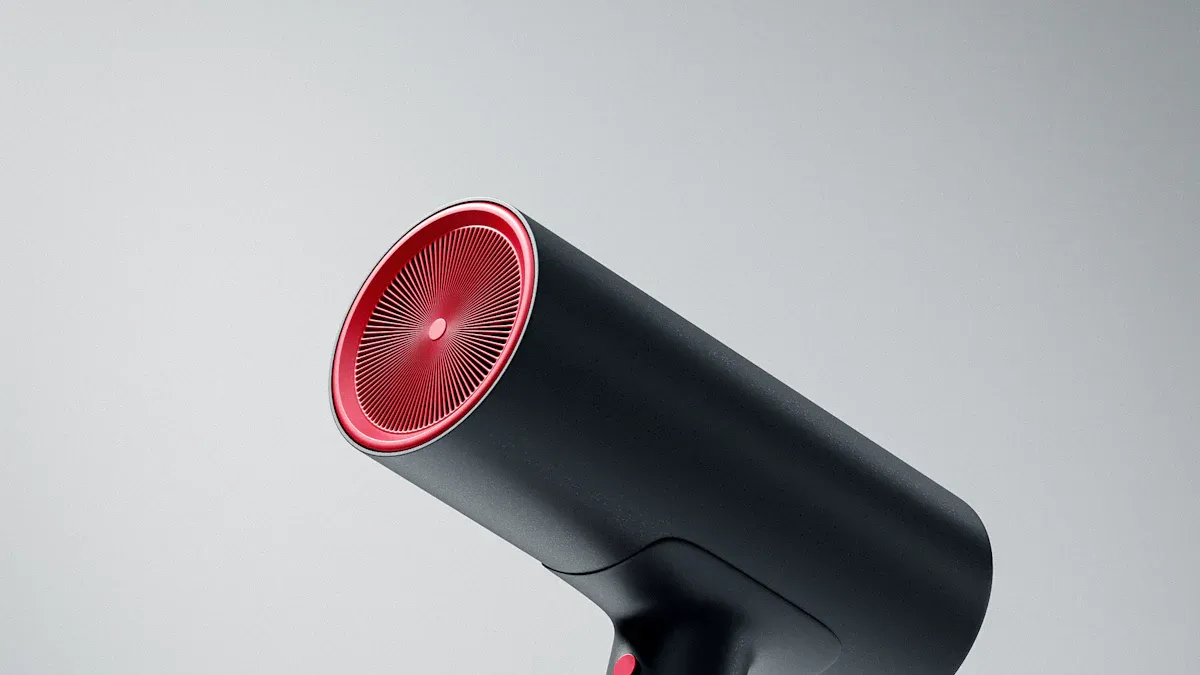
An electric hair dryer is a common household appliance. Cordless hair dryers offer unmatched portability. This convenience is a major selling point. A rechargeable hair dryer provides freedom from outlets. However, this cordless freedom comes with trade-offs. Power, battery life, and cost are significant factors. A rechargeable hair dryer often has less power than an AC hair dryer. The BLDC hair dryer technology inside is advanced. A hair dryer manufacturer and hair dryer factory invest heavily in this cordless technology.
The Pros and Cons of Cordless Hair Dryers: An Overview
Evaluating the pros and cons of any new technology is essential before making a purchase. Cordless hair dryers present a clear trade-off between modern convenience and traditional performance. The decision to switch depends heavily on a user’s specific needs and styling habits. Understanding both the pros and the cons helps clarify who benefits most from this innovation.
The Core Appeal: Ultimate Freedom
Unplugging Your Styling Routine
The primary appeal of a cordless electric hair dryer is the absolute freedom it offers. Users can move around without the restriction of a power cord. This mobility allows for effortless maneuvering to dry hair evenly and reach difficult sections with ease. The absence of a tangled cord simplifies the entire styling process, making it a more efficient and pleasant experience. This unmatched convenience is a major selling point for busy individuals.
The Rise of Battery-Powered Beauty
The trend toward personal grooming and self-care has fueled the popularity of advanced beauty tools. A rechargeable hair dryer is marketed as an empowering device. It enables users to achieve salon-quality looks from anywhere, not just in front of a bathroom mirror. This cordless freedom supports experimentation with new styles seen on social media, enhancing the overall styling experience and fostering a sense of personal satisfaction.
The Main Drawbacks: Key Limitations
Power vs. Portability
The most significant drawback involves the compromise between power and portability. A cordless model must house a battery, which adds weight and limits the energy available for the motor and heating element. This reality means that even the best rechargeable hair dryer typically offers less power and heat than its corded counterparts. Users must weigh the benefit of portability against the potential for longer drying times.
Understanding the Technology Gap
The performance difference between corded and cordless models stems from a technology gap that manufacturers are actively working to close. Key advancements focus on bridging this divide.
- Battery Technology: High-energy-density lithium-ion batteries are crucial. They enable more powerful airflow and extend battery life to compete with corded models.
- Motor Efficiency: Optimized brushless motors are designed for maximum energy efficiency, getting more power from each charge.
- Heat Management: Intelligent systems regulate temperature to prevent hair damage while using battery power effectively.
Note: While technology is improving, users with very thick or long hair may still find the power of a cordless device insufficient for a full, quick blowout. The pros and cons must be carefully considered for your hair type.
Advantages Explored: Why Go Cordless?

While cordless hair dryers have limitations, their advantages offer compelling reasons for specific users to make the switch. The primary pros center on unparalleled freedom and flexibility. These benefits redefine where and how individuals can style their hair, moving the process beyond the confines of the bathroom.
Unmatched Portability for Life on the Move
The most celebrated feature of a cordless hair dryer is its portability. This single attribute opens up a world of possibilities for maintaining a polished look, no matter the location.
The Ideal Travel Companion
Frequent travelers understand the challenges of packing traditional hair dryers. A cordless model eliminates many of these issues.
- Global Compatibility: Users do not need to worry about voltage converters for international travel. The device charges via its own base or USB, simplifying packing.
- Effortless Packing: Many models are designed as a foldable hair dryer, making them lightweight and compact. Their travel-friendly nature ensures they fit easily into a suitcase or carry-on.
- On-the-Go Touch-Ups: A cordless device is perfect for quick styling adjustments during long travel days, such as in an airport lounge or a hotel lobby restroom.
This level of convenience makes travel significantly less stressful for those who prioritize their hair care routine.
A Gym Bag Essential
A post-workout refresh becomes much simpler with a cordless hair dryer. Gym-goers no longer need to wait for a free outlet in a crowded locker room. They can dry their hair at their locker, in a quiet corner, or wherever is most convenient. This grab-and-go functionality is one of the major pros of owning a rechargeable hair dryer.
Camping and Off-Grid Styling
For outdoor enthusiasts, a cordless device is a game-changer. It provides a touch of modern comfort in rustic settings.
A rechargeable hair dryer offers complete freedom for individuals engaged in activities like camping, beach trips, or van life where electrical access is nonexistent. It allows users to style their hair anywhere, making it an essential tool for off-grid living and one of the key pros of the technology.
This capability extends to emergency situations, providing a reliable backup during a power outage.
Supreme Convenience and Flexibility
The absence of a cord fundamentally changes the user experience. This flexibility streamlines the daily styling process and adapts to modern, fast-paced lifestyles.
Freedom from Tangles and Outlets
The most obvious benefit is the elimination of the cord itself. Users gain complete freedom of movement. There are no more tangled wires to wrestle with or restrictions that keep them tethered to a wall. This cordless freedom allows for a more fluid and efficient drying motion, making it easier to reach the back of the head or style hair from any angle.
Styling in Small or Awkward Spaces
Many living situations involve limited space or poorly placed outlets.
| Scenario | How a Cordless Dryer Helps |
|---|---|
| Dorm Rooms | Students can style their hair at their desk or bed, avoiding shared bathroom congestion. |
| Small Apartments | Users are not limited to the one available outlet in a tiny bathroom. |
| Older Homes | Provides a solution for rooms with few or no grounded electrical outlets. |
This adaptability makes cordless hair dryers a practical solution for challenging environments.
Multitasking While You Dry
The versatility of a cordless device enhances a user’s ability to multitask. An individual can move around the house while drying their hair. This allows them to prepare coffee, check on children, or pack a bag simultaneously. This level of convenience is a major selling point for busy professionals and parents.
Enhanced Safety Profile
Removing the power cord introduces significant safety improvements. These pros are especially important in households with children or in environments where water is present.
Eliminating Cord-Related Trip Hazards
Power cords stretched across a bathroom floor are a common trip hazard. A cordless design completely removes this danger. This makes the styling environment safer for the user and anyone else in the home, reducing the risk of falls and injuries. A foldable hair dryer also presents fewer storage hazards.
Safer Use Around Water
While no electric appliance should ever be submerged, cordless models reduce the risk of severe electrical shock. They operate on low-voltage DC power from a battery, unlike corded dryers that use high-voltage AC power from an outlet. Reputable manufacturers adhere to strict safety standards for their battery-operated tools.
Safety Note: Products often undergo specific battery tests to assess capacity and charge-discharge cycles. Certifications like UL 859, which applies to personal care appliances, ensure the device meets established fire and electrical safety protocols.
A Child-Friendly Option
Parents often find it difficult to style a squirming child’s hair. A cordless tool allows the parent to follow the child, making the process quicker and less stressful. The absence of a cord also means a child cannot pull a plugged-in appliance off a counter, preventing potential accidents and making the travel-friendly device a safer choice for family travel.
Disadvantages In-Depth: What Are the Trade-Offs?
The freedom of a cordless device is appealing, but it comes with significant trade-offs. These cons often relate to performance, cost, and practicality. Users must understand these limitations before deciding if a cordless model fits their lifestyle. A thorough review of the disadvantages provides a complete picture.
The Challenge of Limited Battery Life
Battery life is the most critical factor and one of the biggest cons for any cordless appliance. For a power-hungry device like a hair dryer, this challenge is especially pronounced.
How Long Does a Charge Really Last?
Manufacturers often advertise optimistic battery life figures. Real-world performance, however, tells a different story. The actual runtime depends heavily on the heat and speed settings used.
- High Heat Setting: Expect only 12-25 minutes of use.
- Low Heat Setting: This may extend usage to 30-45 minutes.
- Cold Air Only: Using no heat can provide 60 minutes or more.
- Mixed Usage: A typical drying session combining heat and cool air will likely last 15-30 minutes.
Compact models offer even less time, sometimes just 15-20 minutes, making them suitable only for quick touch-ups.
The Impact on a Full Blowout
The limited battery life directly impacts users with thick, long, or coarse hair. A full blowout often requires more than 20 minutes of continuous high heat. A cordless device may not complete the job on a single charge. This forces users to either rush their styling or pause to recharge, defeating the purpose of convenience. These are serious cons for anyone needing sustained power.
The Inconvenience of Recharging
Once the battery is depleted, the convenience of a cordless tool vanishes. The user must wait for it to recharge. Most models require approximately 2 to 3 hours to reach a full charge from empty. This downtime makes a rechargeable hair dryer impractical as a primary styling tool for many people who need their dryer available on demand.
Lower Power and Heat Output
To conserve battery, cordless hair dryers operate with less power than their corded counterparts. This fundamental difference affects drying speed and styling effectiveness.
Why Drying Takes Longer
Lower power translates to weaker airflow and less intense heat. A rechargeable hair dryer simply cannot move as much air or get as hot as a standard model plugged into a wall outlet. As a result, it takes significantly longer to evaporate water from the hair. This extended drying time can be a major drawback for individuals with busy morning schedules.
The Effect on Thick and Long Hair
Users with thick or long hair will feel this power gap most acutely. Their hair requires strong airflow to lift sections and high heat to dry efficiently. The gentler output of a cordless tool may struggle to penetrate dense hair, leaving it damp and prolonging the styling process indefinitely.
Comparing Wattage to Corded Models
Wattage is a direct measure of a hair dryer’s power. A comparison clearly shows the performance gap between corded and cordless technologies.
| Feature | Corded Dryer | Cordless Dryer |
|---|---|---|
| Typical Wattage | 1600–2200W | 1000–1600W |
This difference in wattage explains why a cordless experience feels fundamentally different from using a traditional, high-powered dryer.
The Higher Initial Cost
Innovation comes at a price. The advanced technology required to make a hair dryer cordless results in a much higher retail cost.
The Technology Behind the Price Tag
Several expensive components contribute to the high price of cordless models.
- Advanced Battery Technology: High-capacity lithium-ion batteries that are both powerful and lightweight are costly to produce.
- Efficient Motors and Electronics: Brushless DC motors and sophisticated circuit boards are needed to maximize power from a limited energy source.
- Smart Features: Many models include ionic technology and smart sensors to manage heat, adding to the manufacturing expense.
- Rare Earth Materials: The production of advanced electronics often relies on expensive and rare materials.
Is the Investment Worth It?
The higher cost is a significant factor for most buyers. While a standard corded dryer can be purchased for under $50, cordless models often start at a much higher price point and can exceed the cost of even premium corded dryers.
| Cost Factor | Corded Models | Cordless Models |
|---|---|---|
| Initial Investment | $30-$300 | $50-$400 |
Ultimately, a buyer must decide if the unique benefits of portability and convenience justify the premium price and performance compromises. For many, a cordless device serves best as a secondary, specialized tool rather than a primary one.
Weight and Ergonomics
The physical design and feel of a hair dryer are crucial for a comfortable user experience. While cordless models eliminate the hassle of a cord, they introduce new ergonomic challenges. The addition of a battery pack significantly alters the tool’s weight and balance, which are important factors for usability.
The Impact of the Battery Pack
A primary difference between corded and cordless dryers is the location and impact of the power source. Cordless models must house a substantial battery, which adds considerable weight. This extra mass is one of the notable cons of the technology. The placement of this battery pack is critical for the tool’s overall balance.
- A poorly balanced dryer can feel heavier than it actually is, requiring more effort from the user’s wrist and arm to hold it steady.
- Conversely, a well-balanced weight distribution enhances user control, allowing for more precise styling movements.
- Manufacturers aim for designs where the center of gravity is close to the hand, making the device feel more like a natural extension of the arm.
Many users find that hair dryers weighing less than 1.5 pounds are effective in reducing hand fatigue, a target that can be difficult for powerful cordless models to meet.
Hand Fatigue During Extended Use
The increased weight of a cordless hair dryer directly contributes to hand and arm fatigue, especially during prolonged use. Drying thick or long hair can become an uncomfortable endurance test. This issue is particularly relevant for professional stylists who use their tools for many hours each day. For them, an ergonomic weight balance is essential to minimize arm fatigue during styling.
Some innovative systems aim to solve this problem. The Freestylist system, for example, significantly enhances comfort by counterbalancing the hair dryer’s weight, making it feel almost weightless. This design effectively reduces strain on stylists’ arms, shoulders, and wrists. Such ergonomic improvements help minimize the risk of conditions like carpal tunnel syndrome and other physical discomforts, leading to improved well-being for stylists. For the average consumer, however, the standard handheld model’s weight remains a key consideration.
How Does a Rechargeable Hair Dryer Work?
Understanding the technology inside a rechargeable hair dryer reveals why it performs differently from a traditional corded model. The core components—the battery, motor, and heating element—are all engineered for a delicate balance between power and efficiency. These innovations make the modern cordless experience possible.
The Battery Technology Inside
The battery is the heart of any cordless appliance. Its capacity and chemistry dictate the device’s runtime, weight, and overall performance. A rechargeable hair dryer relies on advanced battery systems to function effectively.
Understanding Lithium-Ion Batteries
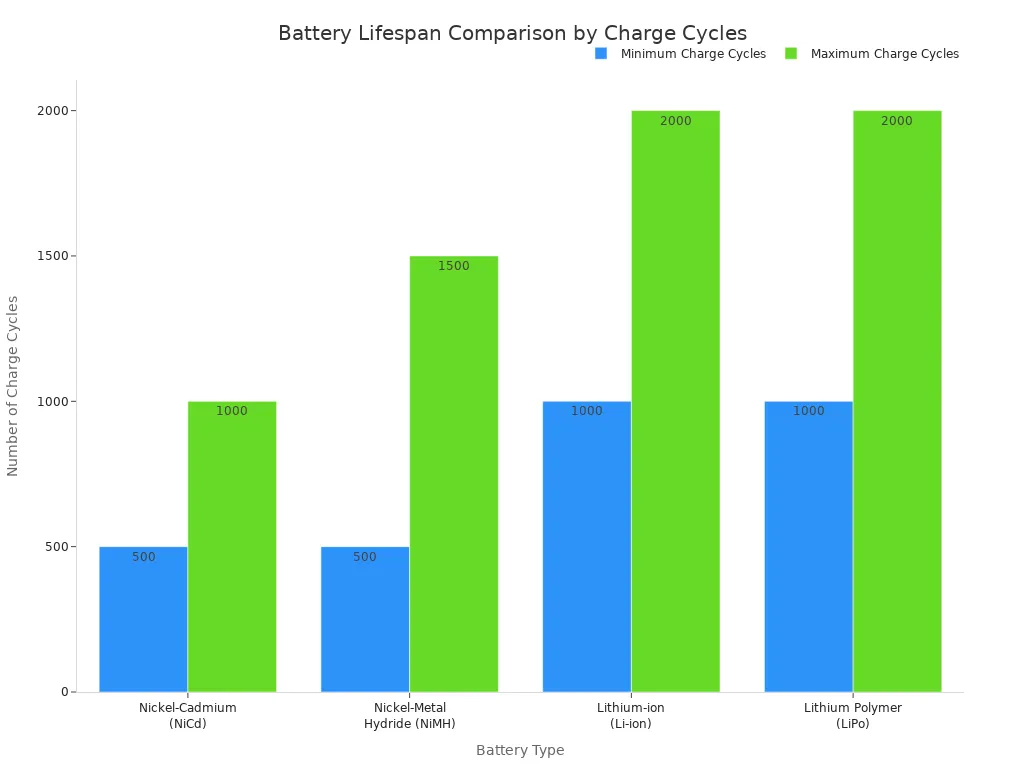
Modern cordless tools primarily use Lithium-ion (Li-ion) or Lithium Polymer (LiPo) batteries. These types offer the best energy density, meaning they store more power in a lighter package. Older technologies like Nickel-Cadmium (NiCd) and Nickel-Metal Hydride (NiMH) are less common in a new rechargeable hair dryer due to their lower capacity and other drawbacks.
| Battery Type | Performance Characteristics | Lifespan Characteristics |
|---|---|---|
| Nickel-Cadmium (NiCd) | – High power output for quick heating. – Prone to memory effect, reducing capacity over time. | – Shorter lifespan (500-1000 charge cycles). – Requires proper maintenance. |
| Nickel-Metal Hydride (NiMH) | – Higher energy density than NiCd. – Less prone to memory effect. | – Longer lifespan than NiCd (500-1500 charge cycles). – More environmentally friendly. |
| Lithium-ion (Li-ion) | – Highest energy density for long run times. – No memory effect. – Consistent power output. | – Longest lifespan (1000-2000 charge cycles). – Requires protection circuits. |
| Lithium Polymer (LiPo) | – Similar to Li-ion but allows for flexible shapes. – High energy density and power. | – Similar lifespan to Li-ion (1000-2000 charge cycles). – Can be more susceptible to damage. |
The lifespan, measured in charge cycles, shows why Li-ion and LiPo are the preferred choices for a durable electric hair dryer.
Battery Capacity (mAh) Explained
Battery capacity is measured in milliampere-hours (mAh). This number indicates how much energy the battery can store. A higher mAh rating generally translates to a longer runtime for the device on a single charge. For a power-intensive tool like a rechargeable hair dryer, a high-capacity battery is essential for completing a full styling session.
Charging Mechanisms and Docks
Most cordless models come with a dedicated charging base or dock. The user simply places the dryer on the stand to recharge it. These docks connect to a standard wall outlet. A full charge typically takes 2 to 3 hours, a crucial factor for users who need their tool ready for daily use.
The Motor and Heating Element
The motor and heating element work together to produce the heated airflow needed for drying. In a cordless device, both must be exceptionally efficient to maximize the limited power from the battery.
Brushless DC Motors
Many high-end cordless dryers use a brushless DC motor. This technology is far more efficient than the brushed motors found in older or cheaper models.
Brushless motors offer several key advantages:
- They operate electronically without physical brushes, which drastically reduces internal friction.
- Less friction means less energy is wasted as heat.
- This efficiency allows the motor to convert more electricity into powerful airflow, extending battery life.
How Heat is Generated Efficiently
The heating element is typically a coil of wire, often made from a nickel-chromium alloy. When electricity passes through it, the wire heats up, and the fan blows air across it. In a rechargeable hair dryer, the system must generate sufficient heat without draining the battery too quickly. Smart electronics often regulate the temperature to optimize performance and prevent overheating.
Airflow Dynamics in Cordless Models
Engineers carefully design the fan blades and nozzle of a cordless hair dryer. The goal is to create strong, focused airflow using less power. The shape of the dryer’s body and its attachments, like concentrator nozzles, play a vital role in directing the air efficiently. This optimization helps compensate for the lower overall power compared to corded units.
Cordless vs. Corded Dryers: A Head-to-Head Comparison
Choosing between a cordless and a corded electric hair dryer involves a direct trade-off between power and portability. A side-by-side analysis of their core features clarifies which model best suits a user’s specific needs. Each type excels in different areas, making the decision dependent on individual priorities.
Power and Airflow
The most significant difference between these two technologies lies in their raw performance. Power and airflow directly determine how quickly and effectively a dryer can style hair.
Corded Dryer Dominance
A corded dryer draws continuous, high-voltage power directly from a wall outlet. This allows it to support powerful motors and heating elements, often exceeding 1800 watts. The result is strong, hot airflow that can dry even thick hair quickly and efficiently. This consistent performance makes it the standard for most daily styling routines.
Cordless Dryer Limitations
A rechargeable hair dryer operates on the limited energy stored in its battery. This constraint means it produces less power and weaker airflow. For effective drying, a cordless model should generate an airflow of at least 12–16 m/s. While impressive for a battery-powered device, this output is generally lower than what corded models can achieve, leading to longer drying times.
Heat Settings and Control
The ability to adjust heat and speed is crucial for protecting hair from damage and achieving specific styles. The two dryer types offer different levels of control.
Corded Dryer Versatility
Corded models typically provide a wide array of settings. Users often find multiple heat and speed options, allowing them to customize the airflow for their hair type.
- High heat for quick drying
- Medium heat for regular styling
- Low heat for fine hair
- A cool shot button to set the style
This versatility gives users precise control over their styling process.
Cordless Dryer Options
To conserve battery life, a rechargeable hair dryer usually offers more limited settings. Most cordless models provide basic options, such as a high and low heat setting, along with a cool air mode. While sufficient for simple drying, this lack of nuance can be a drawback for users who require specific temperatures for advanced styling.
Portability and Convenience
The user experience is dramatically different when a power cord is removed from the equation. This is where the cordless dryer establishes its primary advantage.
Corded Dryer Restrictions
The cord is the defining limitation of a traditional dryer. It tethers the user to an outlet, restricts movement, and can easily become tangled. Styling in a room with poorly placed outlets or limited space can be frustrating. The cord adds an element of hassle to the styling routine.
Cordless Dryer Strengths
The ultimate strength of a cordless device is its unmatched convenience and freedom. Users can dry their hair anywhere—in any room, at the gym, or while traveling—without searching for an outlet. This grab-and-go functionality eliminates cord tangles and makes multitasking possible, offering a level of flexibility that corded models simply cannot match.
Runtime and Price
The practical differences in runtime and price are often the deciding factors for consumers. A user’s daily routine and budget will heavily influence whether the freedom of a cordless model outweighs the reliability and affordability of a traditional one. These two aspects highlight the core trade-offs of the technology.
Unlimited vs. Limited Use
A standard electric hair dryer provides a significant advantage with its unlimited runtime. It draws power continuously from a wall outlet, allowing a user to style their hair for as long as needed without interruption. This reliability is essential for anyone with thick, long hair or for those who perform complex styling routines that demand consistent heat and airflow. The device is always ready for use.
In contrast, a rechargeable hair dryer operates within the strict confines of its battery capacity. This creates a scenario of limited use.
- A single charge typically provides only 15 to 45 minutes of operation.
- Once depleted, the device requires a lengthy recharge period, often 2 to 3 hours.
This limitation makes the cordless tool less practical as a primary dryer for many. A user cannot simply pick it up for a second use if a family member has already drained the battery. The need to constantly monitor charge levels adds a layer of planning that corded models do not require.
Analyzing the Cost Difference
The initial financial investment for a cordless device is substantially higher than for its corded counterpart. This price gap is a direct result of the advanced components required for battery-powered operation. The high-capacity lithium-ion batteries, efficient brushless motors, and sophisticated power management electronics all contribute to a higher manufacturing cost. This cost is then passed on to the consumer.
A direct price comparison reveals the stark difference in investment.
| Dryer Type | Typical Price Range |
|---|---|
| Standard Corded Dryer | $30 – $150 |
| Cordless Hair Dryer | $150 – $400+ |
For many buyers, the premium price of a rechargeable hair dryer positions it as a luxury or a secondary tool for specific situations like travel. A user must determine if the unique convenience offered by a cordless model justifies its higher price tag and performance compromises.
Key Features to Look for in Cordless Hair Dryers
Selecting the right cordless electric hair dryer requires a close look at its specifications. Beyond the promise of freedom, the battery, performance features, and design determine its true utility. Buyers should evaluate these key features to find a model that aligns with their styling needs and lifestyle.
Essential Battery Specifications
The battery is the engine of a cordless device. Its capabilities directly influence the user experience.
Advertised vs. Real-World Runtime
Manufacturers often advertise runtime based on the lowest power setting. A buyer should investigate the real-world runtime on high heat, which is typically much shorter, often between 15 and 25 minutes. This figure is the most practical measure for anyone planning a full blowout.
Fast Charging Capabilities
A long recharge time can undermine the convenience of a cordless tool. Look for models with fast-charging technology. A device that can reach a full charge in 2-3 hours is more practical for daily use than one that requires four or more hours.
Removable vs. Integrated Batteries
Some cordless hair dryers feature removable batteries. This design allows a user to purchase a spare battery and swap it out for extended use. Most models, however, have an integrated battery for a sleeker, more contained design. The choice depends on whether a user prioritizes potentially unlimited runtime or a simpler, all-in-one device.
Performance Features
Performance features dictate how well a rechargeable hair dryer can style hair while managing its limited power.
Multiple Heat and Speed Settings
While a cordless model will not offer the extensive range of a corded dryer, having multiple settings is still important. At a minimum, a good rechargeable hair dryer should provide a high and low option for both heat and speed. This flexibility allows users to conserve battery on lower settings or get a power boost when needed.
The Cool Shot Function
The cool shot button sets a finished style with a blast of cool air. This feature is standard on corded dryers but is less common on cordless models due to power demands. Many mid-range and high-end cordless options do include it. They achieve this by temporarily disengaging the heating element to provide a stream of unheated air.
| Feature | Cordless Hair Dryer | Corded Hair Dryer |
|---|---|---|
| Heat Settings | 2 settings | 3+ settings with cool shot |
Design and Attachments
The physical design and included accessories enhance the usability and value of the tool.
Ergonomics and Weight Balance
A cordless dryer is heavier than its corded counterpart due to the battery. A well-balanced design, where the weight is centered over the hand, is crucial to prevent arm fatigue during use. A lightweight and compact model is generally more comfortable for longer styling sessions.
Concentrator Nozzles and Diffusers
Attachments transform a dryer into a precision styling tool.
- Concentrator nozzles focus airflow for smooth, straight styles.
- Diffusers distribute air gently to define curls and add volume. Buyers should confirm these essential attachments are included.
Included Travel Accessories
Since portability is a primary benefit, travel-friendly features add significant value. A foldable hair dryer design saves precious luggage space. Many models also come with a protective travel pouch, making them easy to pack and carry.
Who Is the Ideal User for a Cordless Hair Dryer?
A cordless electric hair dryer is a specialized tool, not a universal replacement for its corded counterpart. Its suitability depends entirely on a user’s lifestyle, hair type, and styling priorities. Understanding the ideal use cases helps clarify whether this innovative device is a worthwhile investment.
Scenarios Where Cordless Shines
Certain situations highlight the unique advantages of a cordless design, making it an indispensable tool for specific users.
The Frequent Traveler or Camper
For individuals constantly on the move, a cordless device is a perfect companion. Its travel-friendly design eliminates the need for voltage converters during international travel. Campers and van-lifers gain the ability to style their hair completely off-grid, adding a touch of comfort to outdoor adventures.
The Gym Goer
A rechargeable hair dryer offers unmatched convenience for post-workout routines. Gym-goers can dry their hair at their locker or in any open space, avoiding the wait for a free outlet in a crowded changing room. This grab-and-go functionality streamlines the process.
Parents Styling Children’s Hair
Safety is a primary concern when styling a child’s hair. A cordless tool provides significant peace of mind for parents.
- It operates on low-voltage batteries, reducing the risk of serious electrical shock.
- The absence of a cord removes trip and pull hazards.
- Its portability allows parents to style a child’s hair in any room, away from wet bathroom environments.
This enhanced safety profile makes the styling experience less stressful for both parent and child.
Quick Touch-Ups and Bangs
The limited runtime of a cordless device is perfectly suited for small, targeted tasks. It is ideal for quickly drying bangs, taming flyaways, or refreshing a style before heading out. For these quick jobs, the convenience outweighs the need for high power.
Who Should Stick with a Corded Dryer?
Despite its benefits, a cordless model is not the right choice for everyone. Traditional corded dryers remain superior for users with demanding styling needs.
Users with Thick, Coarse, or Long Hair
Individuals with thick or long hair require sustained power and heat for an effective blowout. The lower airflow and limited battery life of a rechargeable hair dryer make the drying process slow and often incomplete, leading to frustration.
Professional Stylists
Hairstylists depend on reliability and performance. They need a tool with unlimited runtime to handle back-to-back clients throughout the day. The power and heat consistency of a high-quality corded dryer is essential for professional salon work.
The Budget-Conscious Shopper
The advanced technology in cordless hair dryers comes at a premium price. Shoppers on a strict budget will find that a traditional corded model offers far greater power and performance for a fraction of the cost.
Anyone Needing High Heat for Styling
Certain hair types and styles demand high temperatures that a cordless device often cannot provide. Effective styling requires precise heat control.
Thicker hair types can withstand higher heat than fine hair. For coarse or thick hair, experts recommend using temperatures between 400-450°F for optimal results after applying a heat protectant.
This level of heat is crucial for creating smooth, lasting styles, a capability where corded models excel.
A rechargeable hair dryer offers significant pros for specific users. Its cordless design is ideal for travel and quick styling. The main cons involve lower power, making a standard electric hair dryer a better choice for daily use. The pros of a cordless rechargeable hair dryer shine during travel or for quick touch-ups. A buyer must weigh the ultimate cordless freedom against the need for maximum power.
FAQ
Can you use a cordless hair dryer while it is charging?
No, a user cannot operate most cordless hair dryers while they are charging. The charging dock is designed for recharging only. The device must be removed from its base to function, ensuring user safety and proper battery management.
Are cordless dryers good for curly hair?
Yes, they can be effective for curly hair. Many models include a diffuser attachment. The typically gentler airflow helps define curls and reduce frizz without the intense blast of high-powered corded dryers, making them a suitable option for gentle styling.
How long does the battery last over its lifetime?
The lithium-ion battery in a cordless dryer degrades over time. A user can expect its performance to decline after a certain number of charge cycles.
Most batteries maintain good capacity for approximately 500 to 1,000 full charges before a noticeable reduction in runtime occurs.
Are cordless hair dryers TSA-approved for flights?
Yes, but with restrictions. A rechargeable hair dryer with a lithium-ion battery is generally allowed in carry-on luggage only. Passengers should check specific airline and TSA regulations, as rules regarding battery size (watt-hours) may apply. Detachable batteries may have separate rules.
Do cordless models have ionic or ceramic technology?
Many modern cordless dryers incorporate advanced features to protect hair health. It is common to find models equipped with ionic, ceramic, or tourmaline technology. These features help reduce frizz, enhance shine, and promote even heat distribution during styling.
Can a rechargeable hair dryer completely replace a corded one?
For most users, a rechargeable hair dryer serves best as a secondary tool for travel or quick touch-ups. Its lower power and limited runtime make it less practical than a corded model for daily, intensive styling, especially on thick hair.
Is a cordless hair dryer safe for families?
Yes, its safety profile is a key advantage. A cordless device operates on low-voltage DC power, reducing electrical shock risks. The absence of a cord eliminates trip hazards, making it a safer option for households with children.