
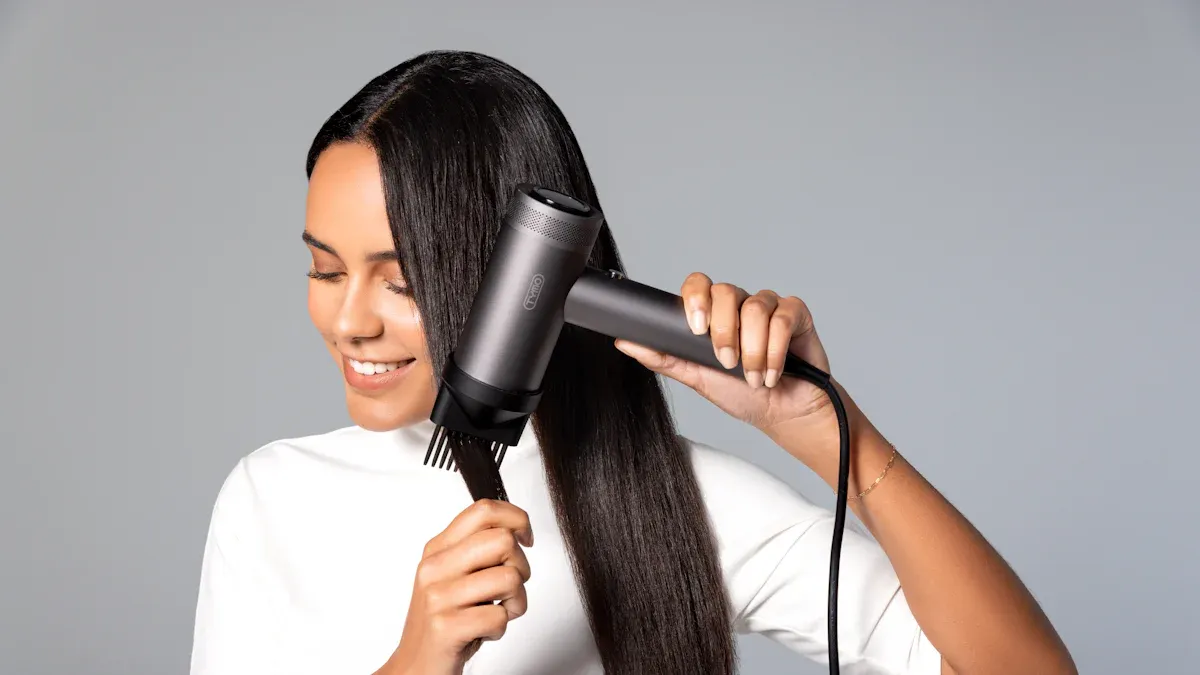
A hair dryer, also known as a blow dryer, serves as an essential hair drying tool in both homes and salons. This device uses either a BLDC hair dryer or an AC hair dryer motor to deliver hot or cold air, which helps remove moisture from hair quickly and efficiently. Many people rely on a hair dryer for hair styling, as it creates volume and texture. Leading hair dryer manufacturer and hair dryer factory brands continue to improve designs for better results and safety.
Types of Hair Dryers and Blow Dryers
Traditional Hair Dryers
Basic Features
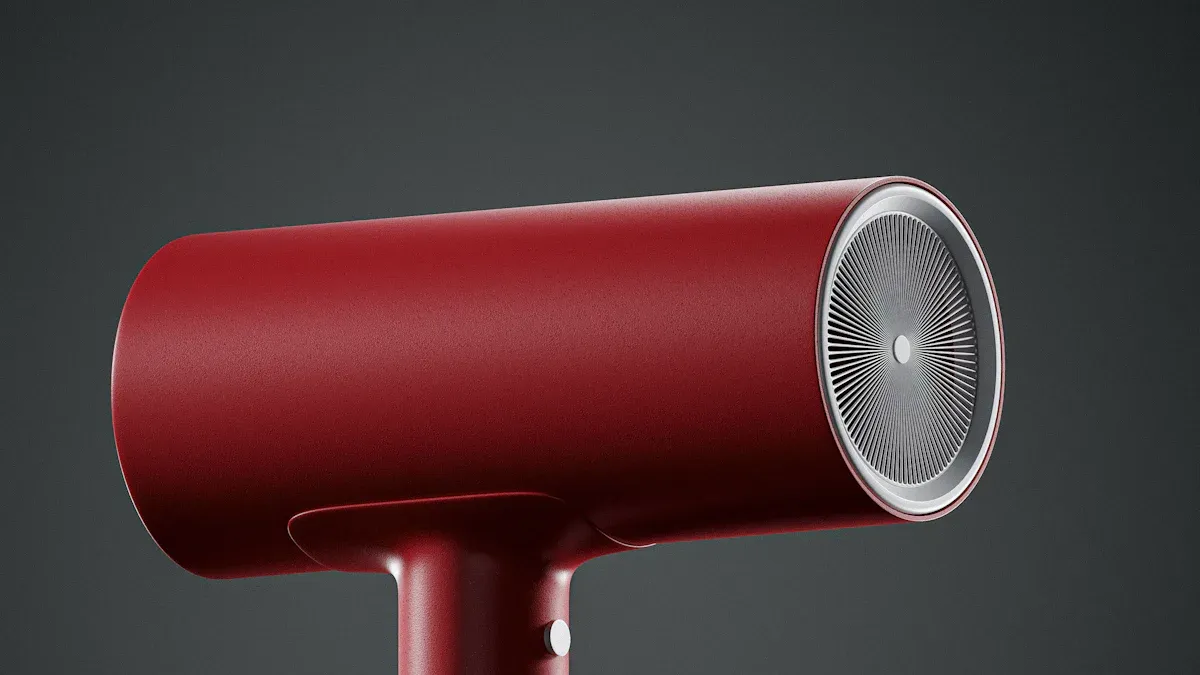
Traditional hair dryers remain a staple in many households and salons. These devices use a simple heating element and a fan to blow hot air over wet hair. Most models offer basic settings for heat and speed. Users can find these dryers at affordable prices, making them accessible for everyday use.
Pros and Cons
Traditional models provide reliable performance for general hair drying needs. However, they may lack advanced features found in newer technologies. The following table compares traditional dryers with infrared technology:
| Feature | Traditional Dryers | Infrared Technology |
|---|---|---|
| Drying Speed | Standard baseline | 30% faster |
| Energy Usage | Standard consumption | 31% reduction |
| Hair Smoothness | Baseline appearance | 59% visually smoother |
| Hydration Levels | Standard retention | 33% more hydrated |
Traditional dryers can sometimes cause uneven drying and increase the risk of heat damage. Modern advancements address these concerns by offering better heat control and improved results.
Ionic Hair Dryers
How Ionic Technology Works
Ionic hair dryers use advanced technology to emit negative ions during the drying process. These ions interact with water molecules in the hair, breaking them into smaller particles. This process speeds up evaporation and reduces the time needed to dry hair. The following table highlights the mechanism and benefits:
| Evidence Type | Description |
|---|---|
| Mechanism of Action | Ionic dryers generate negative ions that reduce frizz and speed up drying. |
| Frizz Reduction | Neutralizes positive charges, preventing static and smoothing strands. |
| Drying Efficiency | Breaks down water molecules for faster evaporation and less drying time. |
Benefits for Different Hair Types
Ionic dryers work especially well for curly, thick, or porous hair. They help retain moisture and minimize frizz, resulting in smoother and shinier hair. Many users notice less static and a healthier appearance after regular use. For those with fine or thin hair, using an ionic blow dryer on a lower setting can prevent over-drying.
Ceramic Hair Dryers
Ceramic Heating Elements
Ceramic hair dryers feature heating elements made from ceramic materials. These elements distribute heat evenly and regulate temperature throughout the drying process. This technology ensures that hair receives consistent warmth without sudden spikes.
Advantages for Hair Health
Ceramic dryers offer significant benefits for hair health. Even heat distribution reduces the risk of hot spots and minimizes potential damage. Unlike traditional dryers, ceramic models help maintain hydration and protect the hair’s natural shine. They suit all hair types and provide gentle, effective drying for daily use.
Tip: For optimal results, users should select a hair dryer that matches their hair type and styling needs.
| Hair Dryer Type | Key Features | Ideal For |
|---|---|---|
| Ionic Hair Dryers | Emit negative ions, reduce frizz, retain moisture, faster drying without high heat | Curly, thick, porous hair |
| Ceramic Hair Dryers | Even heat distribution, temperature regulation, gentle on hair | All hair types |
| Tourmaline Hair Dryers | Emit negative ions, use infrared heating, fast drying, healthy shine | Thick, porous, or long hair |
Tourmaline Hair Dryers
Tourmaline Technology
Tourmaline hair dryers use crushed tourmaline gemstones in their internal components. This material emits negative ions and infrared heat when activated. The negative ions break down water molecules on the hair surface, which speeds up drying and reduces frizz. Infrared heat penetrates the hair shaft, drying from the inside out. This process helps maintain moisture and leaves hair looking shiny and healthy. Many stylists recommend tourmaline technology for its ability to deliver smooth results with less heat exposure.
Best Uses for Tourmaline Dryers
Tourmaline hair dryers work especially well for individuals with thick, curly, or porous hair. These dryers provide gentle yet effective drying, making them suitable for hard-to-manage hair types. The following table highlights the unique benefits for different hair types:
| Hair Type | Benefits of Tourmaline Hair Dryers |
|---|---|
| Thick Hair | Emits negative ions and uses infrared heating for gentle drying. |
| Curly Hair | Recommended for hard-to-comb strands, aiding in drying and styling. |
| Porous Hair | Ensures fast drying and healthy shine, providing thorough care. |
People with thick hair often struggle with long drying times. A tourmaline hair dryer can cut down on this time while protecting the hair’s natural texture. Those with curly hair benefit from reduced frizz and easier styling. Porous hair types see improved shine and hydration. For anyone seeking a professional finish at home, a tourmaline blow-dryer offers a reliable solution.
Professional vs. Home Hair Drying Tools
Key Differences
Professional hair dryers and home models differ in several important ways. Performance and durability stand out as the main factors. Professional tools often feature more powerful motors, which dry thick hair quickly and efficiently. Home models may not provide enough power for dense hair, leading to longer drying times and less effective styling. Durability also varies. Some home hair dryers show signs of wear after only a few uses, such as weak bristle grips or reduced airflow. Professional models withstand frequent use and maintain consistent performance.
- Professional hair dryers dry thick hair quickly and efficiently.
- Home models may take too long to dry and style thick hair, showing lower performance.
- Some home tools have weak bristle grips, raising concerns about durability.
- Advanced professional tools offer quick drying but may require a learning curve.
Choosing Between Professional and Home Models
Selecting the right hair dryer depends on individual needs and hair type. Professionals often choose salon-grade dryers for their power and reliability. These models handle daily use and deliver consistent results. Home users may prefer lighter, simpler models for occasional styling. When choosing, consider the hair type, desired features, and frequency of use. Investing in a professional-grade dryer can benefit those with thick or hard-to-style hair, while a basic model may suit fine or short hair.
Tip: Always match the hair drying tool to your hair’s needs for the best results and long-term hair health.
How Does a Hair Dryer Work?
The Basic Mechanism of a Blow Dryer
Heating Element Function
A hair dryer operates by converting electrical energy into heat, which plays a crucial role in the drying process. Inside the device, electric heating coils—often made from nichrome wire—generate the necessary heat. This material offers high resistivity, allowing it to reach optimal temperatures quickly and efficiently. When the user turns on the hair dryer, the coils heat up, preparing the device to evaporate moisture from the hair.
| Component | Description |
|---|---|
| Electric Heating Coils | Generate heat for drying hair |
| Fan | Blows air over the heating coils |
| Nichrome Wire | Material used for heating due to its resistivity |
Airflow System
The airflow system ensures that the hot air reaches the hair evenly. A built-in fan forces air through the heated coils, creating a steady stream of warm air. This airflow directs the heat onto the hair, accelerating the evaporation of water molecules. The combination of heat and airflow allows the hair drying tool to work much faster than air drying alone.
| Component | Function |
|---|---|
| Fan | Forces air through the heating element |
| Heating Element | Heats the air to evaporate moisture from hair |
| Airflow Direction | Directs the hot air onto the hair for effective drying |
Note: The synergy between the heating element and airflow system ensures efficient and safe drying for all hair types.
Advanced Hair Drying Tool Technologies
Ionic Technology
Many modern hair dryers incorporate ionic technology to enhance performance. This feature emits negative ions, which interact with water molecules on the hair’s surface. The ions break down these molecules, allowing moisture to evaporate more quickly. As a result, users experience reduced frizz and smoother, shinier hair. Ionic technology benefits individuals with thick, curly, or frizzy hair by minimizing static and preserving natural moisture.
Ceramic and Tourmaline Elements
Ceramic and tourmaline elements represent significant advancements in hair drying tools. Ceramic components distribute heat evenly, preventing hot spots that can damage hair. Tourmaline, a semi-precious mineral, emits both negative ions and infrared heat. This combination dries hair from the inside out, locking in moisture and enhancing shine. These technologies cater to a wide range of hair types, offering gentle yet effective drying.
Safety Features in Hair Dryers
Overheat Protection
Manufacturers design hair dryers with safety as a top priority. Overheat protection, such as automatic shutoff, prevents the device from reaching dangerous temperatures. This feature reduces the risk of burns or electrical hazards during daily use.
Cool Shot Button
The cool shot button provides a burst of unheated air, which helps set hairstyles and reduce heat exposure. This function proves especially useful for finishing a style or adding shine without additional heat stress.
| Safety Feature | Benefit | Importance for Daily Use |
|---|---|---|
| Automatic Shutoff | Prevents overheating | Essential |
| Cool Shot Button | Reduces heat exposure | Important |
| Removable Filters | Easy maintenance | Critical |
| Multiple Settings | Temperature control | Very Important |
Tip: Users should always check for these safety features when selecting a new hair dryer to ensure both performance and protection.
Attachments and Features for Hair Drying Tools
Common Hair Dryer Attachments
Diffuser
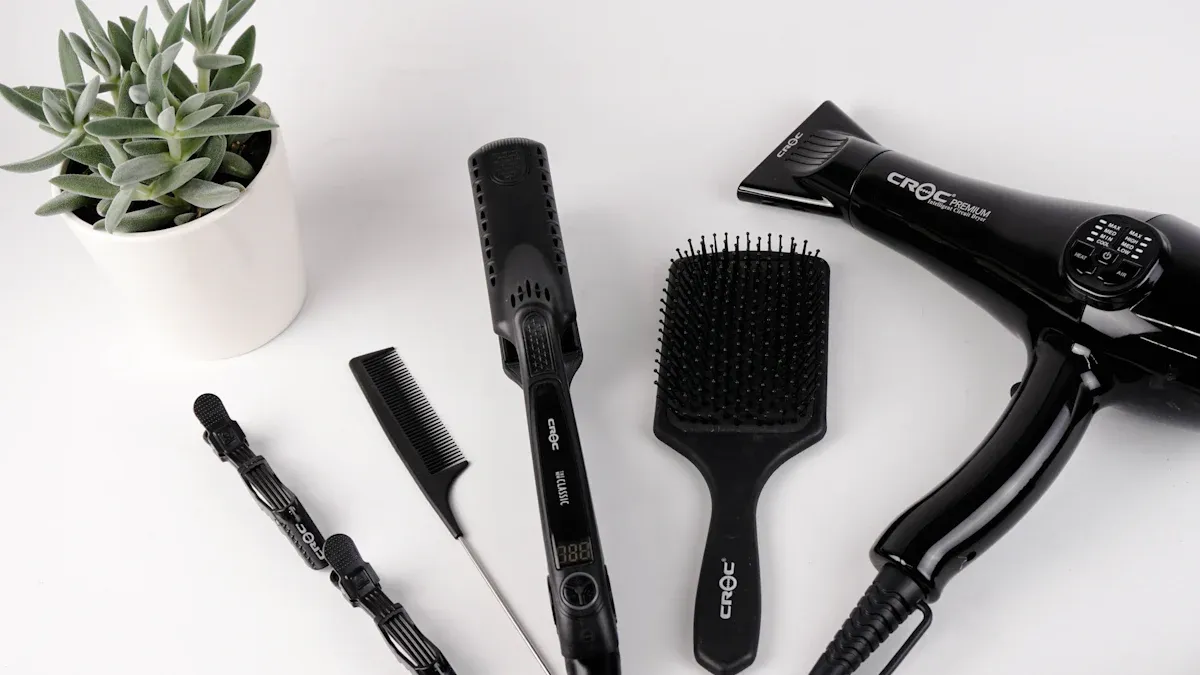
A diffuser attachment spreads airflow over a larger area, which helps enhance natural curls and waves. This tool reduces frizz and maintains the integrity of curly or wavy hair. Many stylists recommend using a diffuser to achieve defined curls without disturbing the hair’s natural pattern. People with coily or textured hair often see the best results when they use this attachment.
Concentrator Nozzle
A concentrator nozzle directs airflow into a narrow stream, allowing for precise styling. This attachment works well for straightening hair or creating sleek finishes. Users can choose between narrow and wide concentrators. A narrow concentrator suits fine to medium hair, while a wide concentrator dries thick or long hair quickly. The table below summarizes the main attachments and their best uses:
| Attachment Type | Primary Purpose | Best Hair Types |
|---|---|---|
| Narrow Concentrator | Precision styling, sleek finish | Fine to medium, straight |
| Wide Concentrator | Fast drying, thick sections | Thick, coarse, long hair |
| Diffuser | Curl enhancement, frizz control | Wavy, curly, coily |
| Smoothing Nozzle | Gentle drying, cuticle sealing | Fine, damaged, color-treated |
| Flyaway Attachment | Finishing touch, frizz hiding | All types (finishing step) |
| Comb/Pick Attachments | Detangling while drying | Type 3-4 curls, thick texture |
Comb Attachment
A comb or pick attachment helps detangle hair while drying. This tool works best for thick, curly, or textured hair. It lifts the roots and adds volume, making it easier to style dense hair types. Many users find that a comb attachment reduces breakage and speeds up the drying process.
Key Features to Consider in a Blow Dryer
Heat and Speed Settings
Adjustable heat and speed settings allow users to customize the drying process. Lower heat protects fine or damaged hair, while higher settings suit thick or coarse hair. Multiple speed options give more control over styling and drying time.
Weight and Ergonomics
A lightweight design and ergonomic handle improve comfort during use. Many modern hair dryers feature balanced weight distribution, which reduces hand and wrist fatigue. Ergonomic design proves essential for professionals who use a blow dryer for extended periods.
Cord Length and Swivel
A long, swivel cord increases flexibility and prevents tangling. This feature allows users to move freely while styling hair. Many salon-grade models include a professional-length cord for added convenience.
Special Features in Hair Dryers
Foldable Handle
A foldable handle makes storage and travel easier. This feature benefits users with limited space or those who need a portable hair dryer for on-the-go styling.
Removable Filter
A removable filter simplifies cleaning and maintenance. Regular filter cleaning extends the life of the hair dryer and ensures optimal airflow. Many models include this feature to help users maintain performance and safety.
Tip: Advanced features such as noise reduction, smart sensors, and ionization technology enhance user experience and protect hair health. Ergonomic design and safety features also play a key role in daily comfort and safe operation.
| Feature | Benefit |
|---|---|
| Ergonomic Design | Reduces strain, improves comfort |
| Noise Reduction Technology | Lowers noise levels for a better user experience |
| Ionization Technology | Reduces frizz, retains moisture, improves hair health |
| Smart Sensors | Adjust settings for optimal drying, prevents hair damage |
| Safety Features | Protects from electrical hazards and overheating |
Choosing the Right Hair Dryer for Your Hair Type
Selecting the ideal hair drying tool depends on understanding both hair type and styling goals. The right choice can protect hair health, enhance styling results, and improve daily routines. Below, this section explores how to match hair drying tools and features to specific hair types, budget levels, and trusted brands.
Matching Hair Drying Tools to Hair Type
Choosing the correct blow dryer and attachments ensures optimal results for every hair type. The table below summarizes expert recommendations for matching tools and accessories:
| Hair Type/Goal | Recommended Primary Attachment | Recommended Secondary Attachment | Suggested Brush Type |
|---|---|---|---|
| Fine Hair | Gentle Air | Wide Concentrator | Round brush for volume |
| Thick/Coarse Hair | Concentrator | Pick or Wide-Tooth Comb | Vented brush for faster drying |
| Curly Hair | Diffuser | N/A | Denman brush for curl definition |
| Smooth Blowout | Concentrator | Flyaway | Paddle brush for sleek finish |
| Damaged/Chemically Treated | Gentle Air | N/A | Wide-tooth comb (minimal heat) |
Fine or Thin Hair
Fine or thin hair requires gentle care to prevent breakage and heat damage. Lightweight hair dryers with adjustable speed and temperature settings work best. A concentrator nozzle helps direct airflow for root lift and volume. Switchable ionic and ceramic heating features control frizz without flattening the hair. Research shows that fine hair can suffer irreversible damage above 140°C (284°F), so lower heat settings are essential. For those who travel, compact models with folding handles and dual voltage offer convenience without sacrificing performance.
| Your Priority | Best Feature to Look For | What to Avoid | Best Attachment |
|---|---|---|---|
| Root volume and lift | Adjustable speed, lightweight | Heavy dryers, max ionic | Concentrator nozzle |
| Frizz control | Switchable ionic, ceramic | Non-ionic, high heat only | Concentrator nozzle |
| Preserving wave or curl | Multiple heat settings | High-speed blast | Diffuser |
| Minimizing heat damage | Variable temperature, cool shot | Single-setting high-heat | Any (technique matters) |
| Travel/quick drying | Compact, dual voltage | Heavy, bulky salon models | Folding concentrator |
Tip: Always use the lowest effective heat setting and a heat protectant spray to maintain hair integrity.
Thick or Coarse Hair
Thick or coarse hair benefits from powerful hair dryers with high wattage and strong airflow. Concentrator nozzles focus heat for faster drying and smoother results. Pick or wide-tooth comb attachments help detangle and add volume. Professionals recommend high-wattage models (1,800 watts or more) to penetrate dense layers and reduce drying time. Vented brushes further speed up the process and help manage volume.
- Concentrator nozzles direct strong airflow for efficient drying.
- High-wattage dryers provide the power needed for thick hair.
- Pick or wide-tooth comb attachments detangle and add lift.
Curly or Wavy Hair
Curly and wavy hair types require gentle, even heat to preserve curl patterns and minimize frizz. Diffuser attachments spread airflow, enhancing natural curls and reducing disruption. Ionic technology breaks down water molecules quickly, leaving curls smooth and shiny. Ceramic or tourmaline elements distribute heat evenly, preventing hot spots. Adjustable heat and speed settings allow for gentle drying, which is crucial for maintaining curl definition.
| Feature | Description |
|---|---|
| Ionic Technology | Reduces frizz, leaves curls smooth and shiny |
| Ceramic or Tourmaline | Distributes heat evenly, prevents hot spots |
| Adjustable Heat/Speed | Allows gentle drying, maintains curl definition |
Note: Regular cleaning of the hair dryer filter prevents buildup and ensures optimal performance for curly hair.
Damaged or Treated Hair
Damaged or chemically treated hair needs extra protection from heat. Gentle air attachments and low heat settings help prevent further harm. Ceramic and tourmaline technologies retain moisture and smooth the hair cuticle. Wide-tooth combs minimize breakage during drying. For fragile hair, always use the lowest heat and avoid concentrated high-speed blasts.
| Hair Type | Recommended Technology | Optimal Settings | Expected Results |
|---|---|---|---|
| Thick/Coarse | Fast-drying with ionic/titanium | High heat, concentrated airflow | Cuts drying time, reduces frizz |
| Fine/Fragile | Gentle-drying with ceramic | Low heat, diffused airflow | Prevents over-drying and damage |
| Curly/Coily | Dryer with diffuser attachment | Medium heat, wide diffusion | Preserves curl pattern, reduces frizz |
| Dull/Frizzy | Ionic technology dryer | Variable heat, negative ions | Enhances shine, smooths hair cuticles |
- Choose dryers with multiple heat and power settings.
- Ceramic and tourmaline models help retain moisture and smooth hair.
- Higher wattage (1,800+) is best for thick, treated hair.
Budget Considerations for Blow Dryers
The price of a hair dryer often reflects its features, durability, and technology. Understanding what to expect at different price points helps buyers make informed decisions.
Affordable Options
Affordable hair dryers, typically priced under $50, offer essential features for daily use. Most models include multiple heat and speed settings, basic ionic technology, and ceramic heating elements. Wattage usually ranges from 1,500 to 1,875 watts, providing effective drying for most hair types. These models suit users who need a reliable tool without advanced features.
| Feature | Description |
|---|---|
| Price Range | Under $50 |
| Heat/Speed Settings | Multiple options for customized drying |
| Ionic Technology | Reduces drying time and frizz |
| Ceramic Heating | Even heat distribution, prevents hot spots |
| Wattage | 1,500–1,875 watts for effective drying |
Premium Models
Premium hair dryers stand out for their advanced technology, durability, and performance. Professional models feature high ion output, premium ceramic or tourmaline components, and AC motors with lifespans up to 2,000 hours. These dryers integrate advanced heat management systems, reducing drying time and minimizing heat damage. High-end models often come with extended warranties, reflecting their superior build quality.
| Quality Factor | Professional Models | Budget Models |
|---|---|---|
| Ion Output | 200+ million ions/minute | Low, inconsistent generation |
| Generator Materials | Crushed tourmaline, premium ceramic | Basic ionic components |
| Motor Type | AC motors (1,800–3,600W) | DC motors (800–1,800W) |
| Motor Lifespan | Up to 2,000 hours | Significantly shorter |
| Technology Integration | Properly integrated systems | Basic additions to traditional |
Note: Expensive models deliver superior performance, advanced heat management, and longer lifespans, often justifying the higher cost for frequent users or those with demanding hair types.
Brand and Warranty for Hair Dryers
Selecting a reputable brand and understanding warranty coverage ensures long-term satisfaction and support.
Trusted Brands
Leading brands invest in research and development to produce reliable, high-performance hair drying tools. They offer consistent quality, innovative features, and strong customer support. Buyers should look for brands with positive reviews and a proven track record in the industry.
Warranty and Support
A robust warranty protects the investment in a hair dryer. High-quality models often include warranties ranging from 5 to 10 years, while budget versions may offer only 1 to 2 years. To maximize warranty benefits, users should document purchase dates and keep receipts. Understanding the terms and coverage helps avoid surprises if repairs or replacements become necessary.
| Warranty Practice | Description |
|---|---|
| Document purchase dates | Track when the product was bought |
| Maintain receipts | Essential for warranty claims |
| Understand warranty terms | Know what is covered and for how long |
Customer support quality also matters. Brands with responsive support teams resolve issues quickly and provide clear instructions for repairs or replacements. Many offer online claim submission, phone support, or live chat, making the process convenient and minimizing downtime.
Tip: Always check warranty details and support options before purchasing a new hair dryer to ensure peace of mind and reliable service.
Tips for Using a Hair Dryer Effectively
Prepping Your Hair for Blow Drying
Towel Drying
Towel drying removes excess moisture from hair, making it less vulnerable to heat damage and reducing drying time. Experts recommend gently blotting hair with a microfiber towel instead of rubbing, which can cause breakage. For thick and coarse hair, allowing hair to air-dry or towel-dry until it is about 50–60% dry helps minimize heat exposure.
Heat Protectant Products
Applying a heat protectant product before using a hair dryer creates a barrier against heat. This step seals the cuticle and prevents moisture loss, which helps minimize breakage and frizz. Many professionals advise using sprays or serums designed for thermal protection. Detangling with a wide-tooth comb or specialized wet brush, along with leave-in conditioner, adds slip and smoothness before blow drying.
| Tip | Description |
|---|---|
| Towel Drying | Removes excess moisture, reduces drying time, and lowers risk of heat damage. |
| Heat Protectant | Shields hair from high temperatures, seals cuticle, and prevents moisture loss. |
| Detangling | Wide-tooth comb or wet brush avoids damage; leave-in conditioner adds smoothness. |
Drying Techniques with Hair Drying Tools
Sectioning Hair
Sectioning hair into manageable parts ensures even drying and styling. Professionals recommend dividing hair into four to six sections, starting at the bottom and working upward. This technique allows for focused airflow and prevents over-drying any one area. For thick or long hair, using a concentrator nozzle with higher heat initially, then finishing each section with a cool shot, produces optimal results.
Using Attachments Effectively
Selecting the right attachment for each hair type enhances results. Concentrator nozzles direct focused airflow for a sleek finish on straight hair. Pronged diffusers distribute air evenly, enhancing curls and minimizing frizz for wavy or curly hair. Blow dryer comb attachments detangle while drying, adding volume for thick or long hair. Narrow concentrators or vented combs prevent flattening and add lift at the roots for fine or thin hair.
| Hair Type | Recommended Attachment Type | Purpose |
|---|---|---|
| Straight hair | Concentrator nozzle | Sleek finish, reduced drying time |
| Wavy/curly hair | Pronged diffuser | Even air distribution, enhanced curls, minimized frizz |
| Thick/long hair | Blow dryer comb attachment | Detangles, adds volume, improves airflow penetration |
| Fine/thin hair | Narrow concentrator/vented comb | Prevents flattening, adds root lift |
Tip: For curly and coiled hair, using a diffuser with low heat and speed settings preserves the curl pattern and reduces frizz. Avoid touching hair too much while drying.
Avoiding Heat Damage from Hair Dryers
Proper Heat Settings
Excessive heat causes cuticle lifting, protein denaturation, and moisture loss, leading to brittleness and breakage. Starting with a low temperature and gradually increasing it minimizes damage. Scientific studies show that hair dried with blow dryers experiences more surface damage than air-dried hair. Using a heat protectant before drying shields hair from high temperatures.
Keeping a Safe Distance
Maintaining a safe distance between the hair dryer and hair prevents scorching. Experts recommend keeping the dryer at least 6–8 inches away from hair. Directing airflow to one section for too long increases the risk of damage. The most common causes of heat damage include excessive heat, improper distance, and lack of protective measures.
- Holding the dryer too close to the hair
- Directing airflow to one section of hair
- Using too high a temperature
- Use a heat protectant before drying.
- Maintain a safe distance of 6–8 inches.
- Start with low heat and increase gradually.
Note: Consistent use of proper heat settings and protective products preserves hair health and prevents long-term damage.
Cleaning and Maintenance of Hair Dryers
Proper cleaning and maintenance extend the life of any hair dryer. Regular care ensures consistent performance and reduces the risk of overheating or malfunction. Many users overlook these simple routines, but professionals recognize their importance for both home and salon environments.
Cleaning the Filter
Hair dryers collect dust, lint, and hair in their filters. This buildup restricts airflow and forces the motor to work harder. Over time, neglecting the filter can cause overheating or even permanent damage. Users should remove and clean the filter according to usage patterns.
- Daily users benefit from monthly deep cleaning. This process involves removing the filter, brushing away debris, and wiping the surface with a dry cloth.
- Occasional users, who operate their dryers two to three times per week, should clean the filter every three months.
- Salon professionals should clean filters weekly due to heavy use.
A more thorough approach includes semi-annual internal inspection and cleaning with compressed air. High-end models may require annual professional servicing to maintain peak performance. Quarterly performance testing and documentation help identify early signs of wear or malfunction.
Tip: Consistent filter cleaning prevents overheating and extends the motor’s lifespan.
| Usage Frequency | Cleaning Interval | Additional Maintenance |
|---|---|---|
| Daily | Monthly | Semi-annual internal inspection |
| 2–3 times weekly | Every 3 months | Quarterly performance testing |
| Professional/salon | Weekly | Annual professional servicing |
Storing Your Hair Dryer
Proper storage protects the hair dryer from moisture, dust, and accidental damage. Many people store their dryers in bathrooms, but this exposes the device to humidity and increases the risk of electrical issues. Experts recommend storing hair dryers in cool, dry locations away from water sources.
- Always coil the cord loosely to prevent internal wire breakage.
- Use a protective case or pouch to shield the dryer from dust and physical impact.
- Avoid wrapping the cord tightly around the handle, as this stresses the connection points.
For those who travel, a hard-shell case offers extra protection. At home, a dedicated drawer or shelf outside the bathroom keeps the dryer safe from moisture. These simple habits preserve both appearance and function.
Note: Proper storage and regular cleaning ensure reliable performance and maximize the lifespan of any hair dryer. Consistent maintenance also supports safety and energy efficiency.
Common Mistakes to Avoid with Hair Dryers
Overdrying Hair with a Blow Dryer
Many people believe that drying hair until it feels completely dry ensures a better style or longer-lasting results. In reality, overdrying can cause significant damage. When users keep the blow dryer focused on one section for too long, the hair cuticle becomes rough and brittle. This leads to split ends, dullness, and increased breakage. Experts recommend stopping the drying process when hair is about 80% dry. At this point, the remaining moisture evaporates naturally, preserving softness and shine.
A key study published in the Annals of Dermatology found that while using a blow dryer incorrectly (holding it too close to the hair for too long) does cause more surface damage than air drying, using a blow dryer correctly—specifically, moving it constantly and holding it 15 cm (about six inches) away from the hair—actually causes less damage than letting the hair air dry completely. The researchers concluded that the crucial factor isn’t the heat itself, but the duration of the hair’s exposure to water.
To avoid overdrying, users should:
- Section hair to manage heat and drying time.
- Use a medium heat setting and adjust based on hair type.
- Keep the dryer at least six inches away from the hair.
- Move the blow-dryer constantly to prevent overheating any area.
Using the Wrong Hair Dryer Attachment
Selecting the correct attachment for a blow dryer plays a vital role in achieving the desired style and protecting hair health. Many users skip attachments or use the wrong one, which can lead to frizz, uneven drying, or even heat damage. For example, using a concentrator nozzle on curly hair may disrupt curl patterns, while skipping a diffuser can cause excessive frizz.
Common attachment mistakes include:
- Using a concentrator nozzle for all hair types, regardless of texture.
- Skipping the diffuser for wavy or curly hair.
- Neglecting comb or pick attachments for thick or textured hair.
Choosing the right attachment ensures even airflow, reduces drying time, and helps maintain the hair’s natural look.
Ignoring Safety Precautions with Hair Drying Tools
Safety remains a top priority when using any electrical styling tool. Many users overlook basic precautions, increasing the risk of burns, electrical hazards, or equipment failure. Ignoring safety guidelines can also shorten the lifespan of the blow dryer.
Key safety tips include:
- Always apply heat protection products before drying.
- Never use the dryer near water or with wet hands.
- Clean the filter regularly to prevent overheating.
- Direct the nozzle away from the scalp and hair to avoid burns.
- Store the tool in a dry, safe place after use.
Tip: Sectioning hair before drying not only improves styling results but also helps manage heat exposure and reduces the risk of damage.
By following these guidelines, users can protect their hair, extend the life of their blow-dryer, and ensure a safer styling experience.
A hair dryer remains an essential tool for drying and styling hair efficiently. The blow dryer offers versatility for both home and professional use. Selecting the right model with ergonomic design, lightweight construction, and balanced motor placement improves comfort and results. The table below highlights important features:
| Key Feature | Benefit |
|---|---|
| Ergonomic Design | Prevents carpal tunnel syndrome and reduces back strain. |
| Lightweight Construction | Improves precision and control for better styling. |
| Balanced Motor Placement | Enhances comfort and reduces fatigue during use. |
| Quiet Operation | Creates a more pleasant environment for stylists. |
For best results, users should always consider their hair type and personal needs before purchasing a new device.
- Start with clean, towel-dried hair.
- Maintain a safe distance while drying.
- Use a heat protectant.
- Keep the dryer moving to avoid overheating.
FAQ
What is the ideal wattage for a hair dryer?
Most professionals recommend hair dryers with 1,800 to 2,000 watts. This range provides efficient drying for most hair types. Lower wattage suits fine hair, while higher wattage works best for thick or coarse hair.
How often should someone clean a hair dryer filter?
Cleaning the filter once a month keeps the dryer running efficiently. Heavy users or salon professionals should clean it weekly. Regular cleaning prevents overheating and extends the device’s lifespan.
Can a hair dryer damage hair?
Yes, excessive heat or improper use can cause dryness, breakage, and split ends. Using heat protectant products and the correct settings helps minimize damage. Keeping the dryer moving and maintaining a safe distance also protects hair health.
Are ionic hair dryers better for frizzy hair?
Ionic hair dryers reduce frizz by emitting negative ions that break down water molecules. This technology smooths the hair cuticle and locks in moisture. People with frizzy or curly hair often see the best results with ionic models.
What attachments should someone use for curly hair?
A diffuser attachment works best for curly or wavy hair. It spreads airflow gently, enhancing natural curls and reducing frizz. Using a diffuser helps maintain curl shape and prevents disruption of the hair’s natural pattern.
Is it safe to use a hair dryer every day?
Daily use is generally safe with proper technique and heat protection. Users should select lower heat settings and avoid overdrying. Applying a heat protectant spray before each use further reduces the risk of damage.
How can someone make a hair dryer last longer?
Proper maintenance extends a hair dryer’s life. Clean the filter regularly, store the device in a dry place, and avoid wrapping the cord tightly. Using the correct voltage and following manufacturer guidelines also helps prevent premature wear.