
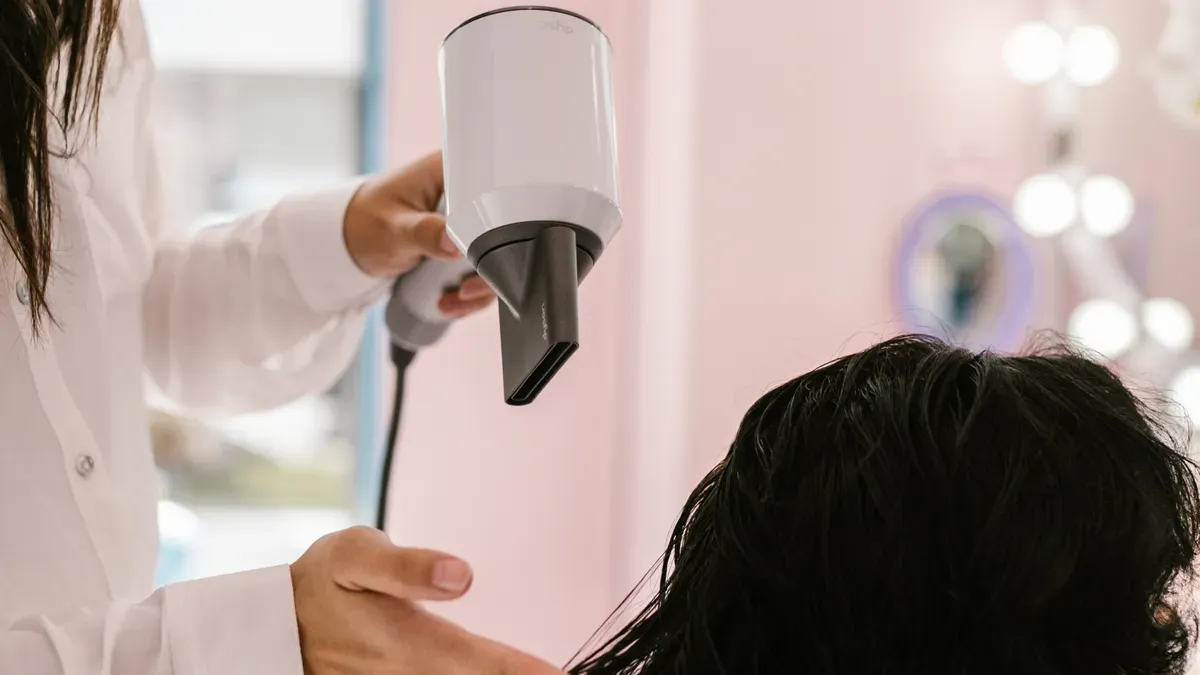
Salon owners recognize that regular cleaning salon hair dryers ensures optimal performance and safety. Neglect can cause overheating, reduced airflow, or even fire hazards in both BLDC hair dryer and AC hair dryer models. Stylists who source equipment from a reputable hair dryer manufacturer or hair dryer factory see longer-lasting dryers and improved client satisfaction. Consistent care protects investments and supports a healthy salon environment.
Importance of Regular Maintenance for Salon Hair Dryers
Impact on Performance and Efficiency
Salon professionals rely on hair dryers to deliver consistent results for every client. Regular maintenance ensures that these tools operate at peak performance. When stylists clean and maintain their dryers, they notice faster heat-up times and more even heat distribution. This leads to efficient styling sessions and satisfied clients. Industry studies highlight several benefits:
- Proper upkeep allows dryers to heat up quickly and distribute warmth evenly.
- Clean dryers prevent bacteria and grime from building up, which supports a hygienic environment.
- Well-maintained equipment lasts longer, reducing the need for frequent replacements.
Stylists who prioritize cleaning and maintenance also avoid common mistakes, such as running dryers with clogged filters or using incompatible attachments. These errors can reduce efficiency and compromise results.
Safety Considerations
Safety remains a top priority in any salon setting. Routine inspections and cleaning help prevent electrical hazards and overheating. Professionals should check the power cord for cuts, frayed areas, or exposed wires. If any damage appears, they must replace the cord immediately to protect both staff and clients.
“Check the cord of your hair dryer regularly for any signs of damage. If you spot any damage, replace it.” – Electrical Safety First
Keeping the power cord clean and dry further reduces risks. Wiping the cord with a damp cloth and ensuring it dries completely prevents moisture-related issues. Salon staff should also keep cords away from hot surfaces to avoid damage. These habits not only protect users but also extend the life of the equipment.
Extending Dryer Lifespan
Consistent maintenance directly impacts the lifespan of salon hair dryers. Industry experts note that premium salon-grade models can last from four to seven years with proper care. In contrast, neglected dryers may fail in as little as ten months. Regular maintenance prevents motor burnout and costly repairs.
- Investing in high-quality dryers and maintaining them reduces long-term expenses.
- Reliable dryers minimize service interruptions, allowing salons to provide steady client care.
- Commercial-grade motors and durable materials support extended use and cost savings.
By following a routine maintenance schedule, salon owners protect their investment and ensure that their equipment remains dependable for years.
How Often to Perform Cleaning Salon Hair Dryers
Factors Affecting Cleaning Frequency
Several factors influence how often a salon should perform cleaning salon hair dryers. Each salon operates differently, so the ideal cleaning routine depends on specific conditions.
Salon Usage Volume
High-traffic salons use hair dryers throughout the day. Frequent use leads to faster buildup of dust, hair, and product residue. Staff in busy salons should check and clean filters more often to maintain optimal airflow and prevent overheating.
Types of Hair Products Used
Some salons use styling products like sprays, serums, and creams that can accumulate inside hair dryers. These products leave sticky residues on filters and vents. Regular cleaning removes this buildup and keeps equipment running efficiently.
Salon Environment (Dust, Humidity)
Environmental factors also play a role. Salons located in dusty or humid areas may notice more debris inside their dryers. Humidity can cause dust to stick to internal components. Staff should adjust their cleaning routine based on these conditions.
Regular cleaning prevents overheating and extends the dryer’s lifespan. Most professional models have removable filters for easy maintenance.
Recommended Cleaning and Maintenance Schedule
Manufacturers provide guidelines to help salons maintain their equipment. Following a structured schedule ensures that dryers remain safe and efficient.
Daily Cleaning Tasks
- Wipe the exterior of each dryer after every use to remove product buildup and fingerprints.
- Check for visible blockages in air vents and attachments.
Weekly Cleaning Tasks
- Clean all removable attachments, such as nozzles and diffusers, to keep them hygienic.
- Inspect and brush the air filter to remove dust and hair.
Monthly Maintenance Tasks
The table below outlines a comprehensive monthly maintenance schedule for salon hair dryers:
| Maintenance Task | Frequency | Purpose |
|---|---|---|
| Filter Cleaning | Monthly (or more often if used daily) | Prevents overheating and keeps airflow steady. |
| Vent Inspection | Monthly | Ensures proper air circulation. |
| Exterior Wiping | After each use | Removes product buildup. |
| Attachment Care | Weekly | Keeps removable parts clean and hygienic. |
| Cord Check | Monthly | Ensures electrical safety. |
| Professional Check | When issues persist | Identifies hidden problems or risks. |
A consistent cleaning routine helps salons avoid equipment failure and maintain a safe environment for clients and staff.
Essential Tools and Materials for Cleaning Salon Hair Dryers
A well-equipped salon maintains high standards of hygiene and performance by using the right tools and products for cleaning hair tools. Selecting proper materials ensures that salon equipment remains safe, efficient, and long-lasting.
Cleaning Tools
Soft Brushes and Toothbrushes
Soft brushes and toothbrushes play a vital role in removing dust, hair, and product buildup from vents and grills. Stylists should unplug the dryer and remove the back grill before inspecting for blockages. A soft toothbrush can scrub away visible debris without damaging delicate components. This method helps maintain airflow and prevents overheating.
Microfiber Cloths
Microfiber cloths offer a gentle yet effective way to clean exterior surfaces. Staff can dampen a cloth with a mild soap solution and rub in circular motions to lift dirt. For stubborn spots, a cotton swab dipped in diluted detergent works well on small sections. After cleaning, a dry microfiber cloth removes any remaining moisture, leaving the surface spotless.
Compressed Air Canisters
Compressed air canisters help dislodge dust trapped inside vents and hard-to-reach areas. By blowing air into the vents, stylists can loosen particles that brushes cannot reach. Using a vacuum on a low setting afterward removes debris without pushing it further inside. This process supports the overall maintenance of salon equipment.
Screwdrivers
Screwdrivers allow staff to safely remove grills, filters, and other detachable parts for thorough cleaning. Choosing the correct size prevents damage to screws and ensures easy reassembly. Regular use of screwdrivers during maintenance keeps all components accessible and functional.
Safe Cleaning Products
Mild Detergents
Mild detergents clean surfaces without causing damage or leaving harmful residues. They work well for wiping down exteriors and attachments. Staff should avoid letting liquid enter vents or seams to protect internal components.
Disinfectant Sprays
Disinfectant sprays eliminate bacteria and viruses, supporting a healthy salon environment. These products sanitize surfaces and attachments, reducing the risk of cross-contamination between clients.
Isopropyl Alcohol
Isopropyl alcohol provides an effective solution for sanitizing removable parts. It evaporates quickly and leaves no residue, making it ideal for maintaining hygiene standards in salons.
Cotton Swabs and Pads
Cotton swabs and pads reach small crevices and detailed areas. They help remove stubborn residue from buttons, seams, and attachments. Using these tools ensures that every part of the dryer stays clean and functional.
Tip: Always use gentle motions and avoid excessive moisture when cleaning hair tools to prevent damage.
A consistent cleaning routine with these tools and products preserves the quality of salon equipment and promotes a safe, hygienic workspace.
Step-by-Step Guide to Cleaning Salon Hair Dryers
Preparation and Safety Steps
Unplugging and Cooling Down
Salon professionals begin every cleaning session by unplugging the hair dryer. This step prevents electrical accidents and ensures safety. They allow the dryer to cool completely before handling any parts. Heat can cause burns or damage delicate components. Waiting for the dryer to reach room temperature protects both staff and equipment.
Gathering Supplies
Stylists gather all necessary supplies before starting the cleaning process. They select soft brushes, microfiber cloths, compressed air canisters, screwdrivers, mild detergents, disinfectant sprays, isopropyl alcohol, cotton swabs, and pads. Having these tools ready streamlines the cleaning routine and prevents interruptions. Professionals check that all products are suitable for salon use and avoid harsh chemicals that may damage surfaces.
Cleaning the Exterior Surfaces
Wiping Down with Microfiber Cloth
Salon staff use a microfiber cloth dampened with mild soap solution to clean the exterior surfaces. They gently rub in circular motions to lift dirt and dust. This method preserves the finish and avoids scratches. For tougher spots, a cotton swab dipped in diluted dish detergent works well on small sections. After removing residue, they wipe the entire surface with a clean, dry cloth to eliminate moisture.
| Cleaning Product | Best Used For | Application Method |
|---|---|---|
| Mild Soap Solution | General cleaning | Damp microfiber cloth |
| Diluted Dish Detergent | Tough residue | Soft cloth, gentle pressure |
| Distilled Water | Final wipe-down | Clean, lint-free cloth |
Tip: Always use gentle pressure and avoid excessive moisture to protect the dryer’s finish.
Removing Product Residue and Fingerprints
Stylists focus on areas where product residue and fingerprints accumulate. They target buttons, seams, and handles. Using a soft cloth and mild detergent, they remove sticky buildup from styling products. A final wipe with distilled water ensures no soap remains. This process keeps the dryer looking professional and prevents grime from affecting performance.
Cleaning the Air Filter and Intake
Locating and Removing the Filter
Professionals locate the air filter, usually positioned at the back or side of the dryer. They consult the manufacturer’s manual if unsure. Using a screwdriver, they remove the grill or cover and gently extract the filter. Careful handling prevents damage and makes reinstallation easier.
Brushing and Washing the Filter
Stylists brush the filter with a soft toothbrush to remove dust, hair, and debris. For a deep clean, they wash the filter in warm water with mild detergent. They avoid soaking for too long and rinse thoroughly to remove all soap. This step restores optimal airflow and prevents overheating.
Note: If the salon uses dryers daily, staff check the filter every couple of weeks. For less frequent use, monthly cleaning suffices. Salons with long-haired clients or pets benefit from more frequent checks and cleaning.
Drying and Reinstalling the Filter
After washing, professionals dry the filter completely before reinstalling. They use a lint-free cloth or allow air drying. Moisture inside the dryer can cause electrical issues. Once dry, they place the filter back and secure the grill or cover. Staff confirm the fit and ensure no gaps remain. Replacement filters are available if the original shows signs of wear or damage.
Regular cleaning of filters maintains steady airflow and extends the life of salon hair dryers.
Cleaning Air Vents and Grilles
Removing Dust and Debris
Salon professionals understand that air vents and grilles collect dust, hair, and product residue quickly. These areas require regular attention to maintain proper airflow and prevent strain on the motor. Staff begin by inspecting the vents for visible buildup. They use a soft toothbrush to gently scrub the surface in circular motions, loosening dust without damaging the grille. Cotton swabs help reach tight corners where debris often hides. For a thorough approach, a vacuum on a low setting removes loosened particles around the vents.
The following table outlines recommended tools and their specific uses for this task:
| Tool | Purpose | Cleaning Method |
|---|---|---|
| Soft Toothbrush | Removing surface dust | Gentle circular scrubbing |
| Compressed Air | Clearing deep dust | Short, controlled bursts |
| Cotton Swabs | Reaching tight spots | Precise spot cleaning |
| Vacuum (low setting) | Final cleanup | Light suction around vents |
Routine care of vents and grilles reduces the risk of overheating and extends the life of salon hair dryers. Staff should always check that no hair or dust blocks the airflow before each use.
Using Compressed Air or Cleaning Kits
Compressed air provides an effective solution for removing stubborn dust from inside vents and grilles. Stylists hold the canister upright and apply short, controlled bursts to dislodge particles that brushes cannot reach. This technique prevents buildup that can restrict airflow and cause the dryer to overheat. Specialized cleaning kits, which often include flexible brushes and nozzle attachments, offer additional support for a deep clean. These kits allow staff to access narrow spaces and maintain the integrity of the dryer’s internal components.
Tip: Always perform cleaning in a well-ventilated area to avoid inhaling dust or debris released during the process.
Cleaning Attachments and Accessories
Nozzles and Diffusers
Nozzles and diffusers play a crucial role in styling and require regular maintenance. Staff detach these accessories from the dryer and rinse them under warm water. For stubborn residue, a mild detergent and a soft brush remove buildup without scratching the surface. After rinsing, they dry each piece thoroughly with a lint-free cloth to prevent moisture from entering the dryer during reassembly.
Sanitizing Removable Parts
Sanitizing removable parts ensures a hygienic environment for every client. Stylists wipe attachments with isopropyl alcohol or a salon-approved disinfectant spray. Cotton pads help clean seams and crevices where bacteria may accumulate. Regular sanitization prevents cross-contamination and supports the salon’s reputation for cleanliness.
Note: Staff should inspect all attachments for cracks or wear during cleaning. Damaged accessories can affect performance and should be replaced promptly.
Reassembly and Testing
Ensuring Proper Fit
After cleaning and drying all components, staff reassemble the hair dryer. They align the filters, grilles, and attachments carefully, ensuring each part fits securely. Loose or misaligned pieces can cause rattling noises or reduce efficiency. A quick visual inspection confirms that no gaps or obstructions remain.
Running a Test Cycle
Before returning the dryer to service, stylists run a brief test cycle. They plug in the dryer, turn it on, and check for smooth airflow and normal operation. If the dryer emits unusual sounds or shows reduced power, staff recheck the assembly and inspect the filters for proper placement. This final step guarantees that the equipment functions safely and efficiently for the next client.
Regular testing after cleaning helps identify issues early and maintains high standards in the salon.
Regular Maintenance Tips to Prevent Buildup
Daily Habits for Salon Professionals
Quick Wipe-Downs After Use
Salon professionals maintain high standards by adopting daily habits that prevent buildup in hair dryers. After each use, they unplug the dryer and allow it to cool for at least 15 to 30 minutes. This practice ensures safety and protects internal components from heat damage. Once cooled, staff wipe down the exterior with a soft, damp cloth. This simple step removes dust, fingerprints, and product residue, keeping the dryer looking professional and functioning efficiently. Incorporating these cleaning steps into the end-of-day routine demonstrates attention to detail and upholds the salon’s reputation for cleanliness.
Checking for Blockages
Regular inspection for blockages forms a crucial part of daily maintenance. Professionals check the air intake and vents for visible hair, dust, or product buildup. If they notice any obstruction, they use a soft brush or cotton swab to clear the area. By addressing blockages promptly, staff ensure steady airflow and prevent the motor from working harder than necessary. This habit reduces the risk of overheating and extends the life of the equipment. Cleaning the filter by rinsing it under warm water and letting it air dry also supports optimal performance.
Tip: Consistent daily care prevents small issues from becoming costly repairs.
Storage and Handling Best Practices
Proper Cord Wrapping
Proper handling of hair dryers begins with cord management. Staff wrap the cord loosely after each use, avoiding tight coils that can strain the wires. Neat wrapping prevents tangling and reduces the risk of internal wire damage. This practice not only protects the cord but also makes the dryer easier to store and retrieve during busy salon hours.
Safe Storage Locations
Storing hair dryers in a cool, dry place preserves their condition. Professionals avoid leaving dryers near sinks, wet countertops, or direct sunlight. Moisture and heat can damage electrical components and shorten the lifespan of the device. By designating a specific storage area, such as a drawer or wall-mounted holder, staff keep equipment organized and accessible. Regular cleaning of storage spaces further reduces dust and debris accumulation.
- Regular cleaning enhances the lifespan of hair dryers and ensures optimal performance.
- Proper storage and cord wrapping prevent unnecessary wear and tear.
Usage Tips for Longevity
Avoiding Overheating
Salon professionals follow specific tips to avoid overheating and prolong the life of their equipment. They clean the filter monthly to maintain steady airflow and prevent the motor from overworking. Inspecting vents each month ensures proper air circulation, while checking the cord for damage supports electrical safety. Staff also avoid running the dryer on the highest heat setting for extended periods. Allowing the dryer to rest between uses helps prevent overheating and motor burnout.
Using Attachments Correctly
Using attachments properly maximizes the effectiveness of salon hair dryers. Professionals select the right nozzle or diffuser for each styling task. Concentrators direct airflow for smooth, shiny results, while diffusers tame frizz and enhance curls. Staff attach and detach accessories gently to avoid damaging the connection points. Directing the nozzle from roots to ends and using lower speed settings reduces strain on both the dryer and the client’s hair. Regular cleaning of attachments ensures consistent performance and hygiene.
Note: Proper use and maintenance of attachments contribute to the overall longevity of salon equipment.
Troubleshooting Common Issues with Salon Hair Dryers
Reduced Airflow Problems
Causes and Solutions
Salon professionals often encounter reduced airflow in hooded hair dryers. This issue can disrupt styling sessions and affect client satisfaction. Several factors contribute to decreased airflow:
- Dust or hair clogging the air inlet or outlet
- Motor obstruction
- Speed setting too low
- Internal fan wear, especially in older units
To resolve these problems, stylists follow a systematic approach:
- Unplug the dryer and allow it to cool.
- Remove the filter cover, typically located at the back.
- Use a soft brush or small vacuum to clear debris from the filter and vents.
- Rinse the filter with water if permitted by the manufacturer.
- Dry the filter completely before reattaching.
A deep clean restores optimal airflow and prevents overheating. Professionals also check that the speed setting matches the desired output. For older hooded hair dryers, motor replacement or upgrading the unit may be necessary.
| Step | Action | Tools Needed | Important Notes |
|---|---|---|---|
| 1 | Unplug dryer | None | Always prioritize safety |
| 2 | Remove filter | Screwdriver (if needed) | Consult the manufacturer’s guide |
| 3 | Initial cleaning | Soft toothbrush or C-brush | Use light, circular motions |
| 4 | Deep cleaning | Clarifying shampoo (if applicable) | Follow brand instructions |
| 5 | Drying | Clean towel | Ensure the filter is fully dry before reassembly |
Regular cleaning salon hair dryers prevents reduced airflow and supports consistent performance.
Overheating or Automatic Shut-Off
Identifying the Problem
Hooded hair dryers may overheat or shut off automatically during use. This situation signals a safety mechanism or internal issue. Overheating often results from blocked air inlets, excessive product buildup, or prolonged operation at high settings.
Steps to Fix
Stylists address overheating by following these steps:
- Turn off and unplug the dryer.
- Allow it to cool for several minutes.
- Inspect air inlets and outlets for dust, hair, or obstructions.
- Remove any visible debris using a soft brush or cotton swab.
- Wait a few minutes before restarting the dryer.
If hooded hair dryers continue to overheat, professionals check for internal blockages or worn components. Persistent issues may require contacting a technician or considering a replacement.
Tip: Cleaning air vents and filters regularly reduces the risk of overheating and automatic shut-off.
Unusual Noises or Vibrations
Diagnosing the Issue
Unusual noises or vibrations in hooded hair dryers indicate mechanical or electrical concerns. Common causes include loose attachments, internal debris, or worn fan blades. Professionals inspect the dryer for loose parts and check the filter and vents for trapped hair or dust.
When to Seek Professional Repair
If cleaning and tightening attachments do not resolve the issue, stylists consult a qualified technician. Persistent noises or vibrations may signal motor failure or electrical problems. Attempting repairs without proper training can damage the dryer or void the warranty.
Note: Routine troubleshooting common issues and cleaning help prevent unexpected breakdowns in hooded hair dryers.
Electrical and Power Concerns
Checking Cords and Plugs
Salon professionals understand that electrical safety forms the foundation of reliable hair dryer operation. They inspect power cords and plugs before each use. This routine check helps prevent accidents and equipment failure. Staff look for the following warning signs:
- Cuts, frayed areas, or exposed wires on the cord
- Bent prongs or loose parts on the plug
- Discoloration on the cord or plug
- Burning smells, heat damage, or erratic electrical behavior
These issues signal potential hazards. If any appear, staff remove the dryer from service immediately. They contact a qualified technician or replace the damaged part. Regular inspection ensures that dryers remain safe for both stylists and clients.
Cleaning also plays a role in cord maintenance. Professionals follow a simple process to keep cords in top condition:
- Unplug the dryer and allow it to cool completely.
- Use a damp cloth to gently wipe away dust and grime from the cord.
- Dry the cord thoroughly with a soft cloth to prevent moisture-related problems.
This routine prevents buildup that can lead to electrical shorts or malfunctions. Staff avoid wrapping cords too tightly, which can strain the wires and cause internal damage.
Safety Precautions
Stylists prioritize safety when handling electrical equipment. They always unplug hair dryers before cleaning or performing maintenance. This habit reduces the risk of electric shock. Staff never use dryers with wet hands or near water sources. Moisture increases the chance of electrical accidents.
Proper storage further protects cords and plugs. Professionals store dryers in dry, cool locations away from sinks and chemical products. They check that cords do not hang over edges or touch hot surfaces. These steps prevent accidental pulls, burns, or other damage.
Tip: If a dryer emits a burning smell or shows signs of heat damage, staff should stop using it immediately and seek professional repair.
Routine cleaning and careful inspection of electrical components help salons maintain a safe environment. These practices extend the life of hair dryers and protect everyone in the salon.
Creating a Regular Maintenance Schedule for Salon Hair Dryers
A regular maintenance schedule helps salon teams keep hair dryers in top condition. Consistent routines prevent unexpected breakdowns and support a safe environment for clients and staff. Every salon benefits from a clear checklist that outlines daily, weekly, and monthly tasks.
Sample Weekly and Monthly Checklist
A structured maintenance schedule ensures that no step gets overlooked. Salon managers can use the following checklist to guide their teams:
Daily Tasks
- Unplug and wipe down each hair dryer after every use.
- Check air vents and filters for visible blockages.
- Store dryers in a designated, dry location.
- Inspect cords for signs of wear or damage.
Tip: Quick daily checks reduce the risk of equipment failure and keep the salon running smoothly.
Weekly Tasks
- Remove and clean all attachments, including nozzles and diffusers.
- Brush out air filters and vents to remove dust and hair.
- Inspect hair dryers and other electrical devices for safety and functionality.
Monthly Tasks
- Deep clean filters with warm water and mild detergent.
- Test and calibrate hair styling tools for consistent performance.
- Examine all cords and plugs for electrical safety.
- Schedule a professional inspection if any issues persist.
The table below summarizes the essential weekly and monthly tasks:
| Frequency | Task Description |
|---|---|
| Weekly | Inspect hair dryers and other electrical devices for safety and functionality. |
| Monthly | Test and calibrate hair styling tools. |
A clear maintenance schedule helps salon staff stay organized and ensures that cleaning and maintenance become routine.
Tracking and Assigning Maintenance
A successful maintenance schedule requires effective tracking and clear responsibilities. Salon managers can choose from several methods to monitor progress and accountability.
Using Logs or Apps
Many salons use maintenance logs or digital apps to record completed tasks. A simple logbook at the workstation allows staff to check off daily, weekly, and monthly duties. Digital apps offer reminders and can store records for future reference. These tools help managers spot missed steps and maintain high standards.
Assigning Responsibilities
Assigning specific tasks to team members ensures that maintenance does not get overlooked. Managers can rotate duties each week or month to share the workload. Posting the maintenance schedule in a visible area keeps everyone informed. Regular meetings help address any concerns and reinforce the importance of proper care.
Note: Clear communication and accountability support a culture of safety and professionalism in every salon.
A well-organized maintenance schedule, combined with reliable tracking and clear roles, keeps dryers performing at their best and extends their lifespan.
Cleaning salon hair dryers and regular maintenance protect both clients and equipment. Salon teams should follow a consistent maintenance routine to keep dryers efficient, safe, and long-lasting. Key practices include checking filters every two weeks, using attachments properly, and inspecting cords monthly. For busy salons, unplug dryers before cleaning, use compressed air on grilles, wash attachments after each client, and record each maintenance session. These habits ensure reliable performance and extend the life of every tool.
FAQ
How often should salon staff clean hair dryer filters?
Salon experts recommend checking and cleaning filters every two weeks. High-traffic salons may need weekly cleaning. Regular maintenance prevents overheating and ensures consistent airflow.
What cleaning products are safe for salon hair dryers?
Mild detergents, isopropyl alcohol, and salon-approved disinfectant sprays work best. Staff should avoid harsh chemicals or abrasive cleaners. These products protect both the dryer’s finish and internal components.
Can stylists use water to clean hair dryer attachments?
Yes, stylists can rinse nozzles and diffusers under warm water. They should dry all parts thoroughly before reattaching. Moisture inside the dryer can cause electrical issues.
What signs indicate a hair dryer needs professional repair?
Burning smells, persistent noises, or frequent shut-offs signal deeper problems. Staff should stop using the dryer and contact a technician immediately.
How can salons prevent cord damage?
Staff should wrap cords loosely and store dryers in dry, cool areas. They must avoid tight coils and keep cords away from hot surfaces. Regular inspection helps spot early signs of wear.
Is compressed air safe for cleaning vents?
Compressed air is safe when used in short bursts. Stylists should hold the can upright and avoid tilting. This method removes dust from vents without damaging internal parts.
Why does a hair dryer overheat during use?
A clogged filter, blocked vents, or prolonged use at high settings can cause overheating. Regular cleaning and allowing the dryer to rest between uses help prevent this issue.