
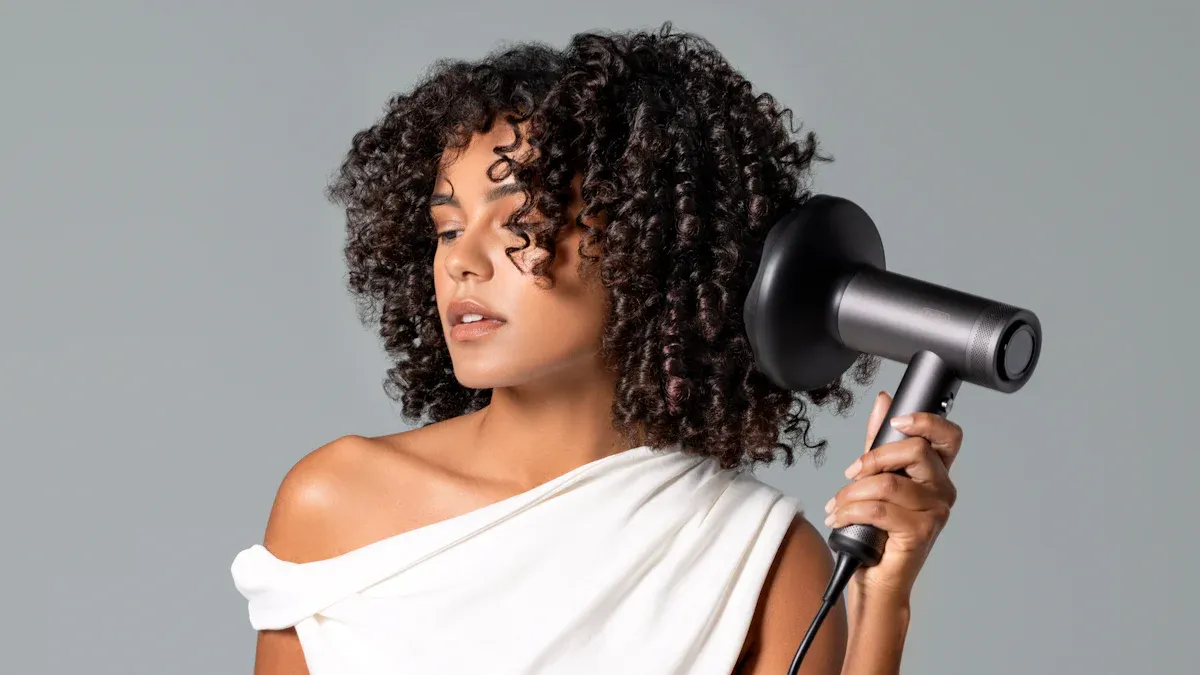
To choose the right portable hair dryer, users should match features like wattage, heat settings, and attachments to their unique needs. Selecting the proper blow dryer protects strands and ensures optimal results. Different hair types require different approaches:
- Fine or damaged hair benefits from low heat and gentle airflow.
- Thick or coarse hair dries best with higher heat settings.
- Curly hair stays healthy with a diffuser and low heat.
A BLDC hair dryer or AC hair dryer from a reputable hair dryer manufacturer or hair dryer factory can make a significant difference.
Why Hair Type Matters When You Choose the Right Portable Hair Dryer
How Hair Type Influences Dryer Selection
Hair type matters because it determines the ideal settings and features for a portable hair dryer. Individuals with fine hair require lower heat settings to prevent damage. Medium hair can handle higher wattage, while thick hair benefits from high heat and powerful airflow. Wavy hair responds well to a diffuser attachment, which enhances natural waves. Curly hair needs a diffuser and low heat to avoid frizz and maintain curl integrity. Using a dryer that does not match the hair type can cause frizz, dryness, or breakage, especially in challenging weather conditions. Hair texture influences the effectiveness of dryer features. Fine or thin hair dries quickly and needs gentle heat. Thick, curly, or coarse hair takes longer to dry and requires higher wattage and airflow. Curly hair has an irregular structure with weak points along curl patterns, making it prone to breakage under excessive heat. Ionic technology and diffuser attachments help preserve curl integrity.
Tip: Always match the portable hair dryer’s settings and attachments to the specific hair type for optimal results and protection.
Common Hair Types and Their Unique Needs
Different hair types demand unique approaches when using a portable hair dryer. The table below outlines the recommended technology and benefits for each hair type:
| Hair Type | Recommended Dryer Technology | Benefits |
|---|---|---|
| Thick, frizzy hair | Ionic technology | Reduces drying time and tames frizz |
| Fine or damaged hair | Ceramic dryers | Provides gentle, even heat to prevent damage |
| Curly hair | Diffuser attachment | Maintains curl definition and minimizes frizz |
Most common hair types include fine or thin, thick or coarse, curly, and wavy. Fine or thin hair requires a gentle approach with a ceramic dryer, low heat settings, and a concentrator nozzle to build volume without damage. Thick, coarse, or frizzy hair needs powerful ionic or tourmaline dryers with high wattage and multiple heat settings to quickly dry and tame frizz. Curly and wavy hair benefit from a diffuser attachment to enhance natural texture while using low heat and speed settings. For curly hair, products like the DevaCurl DevaDryer and DevaFuser provide a gentle drying experience and enhance curl definition. Ionic and ceramic technology help maintain moisture and prevent frizz, making them ideal for embracing natural texture.
| Hair Type | Recommended Attachment | Benefits |
|---|---|---|
| Curly | Diffuser | Enhances curls, minimizes frizz |
| Wavy | Diffuser | Defines waves, reduces frizz |
| Coily | Diffuser | Encourages defined coils, minimizes frizz |
| Straight | Concentrator | Provides precise airflow for sleek finish |
Curly hair requires low heat settings and gentle techniques to avoid heat damage. Wavy hair benefits from a diffuser to enhance and define waves while minimizing frizz. Coily hair needs even airflow distribution with a diffuser to maintain moisture and elasticity. Straight hair achieves a sleek finish with a concentrator nozzle.
Identifying Your Hair Type for the Best Portable Hair Dryer Choice
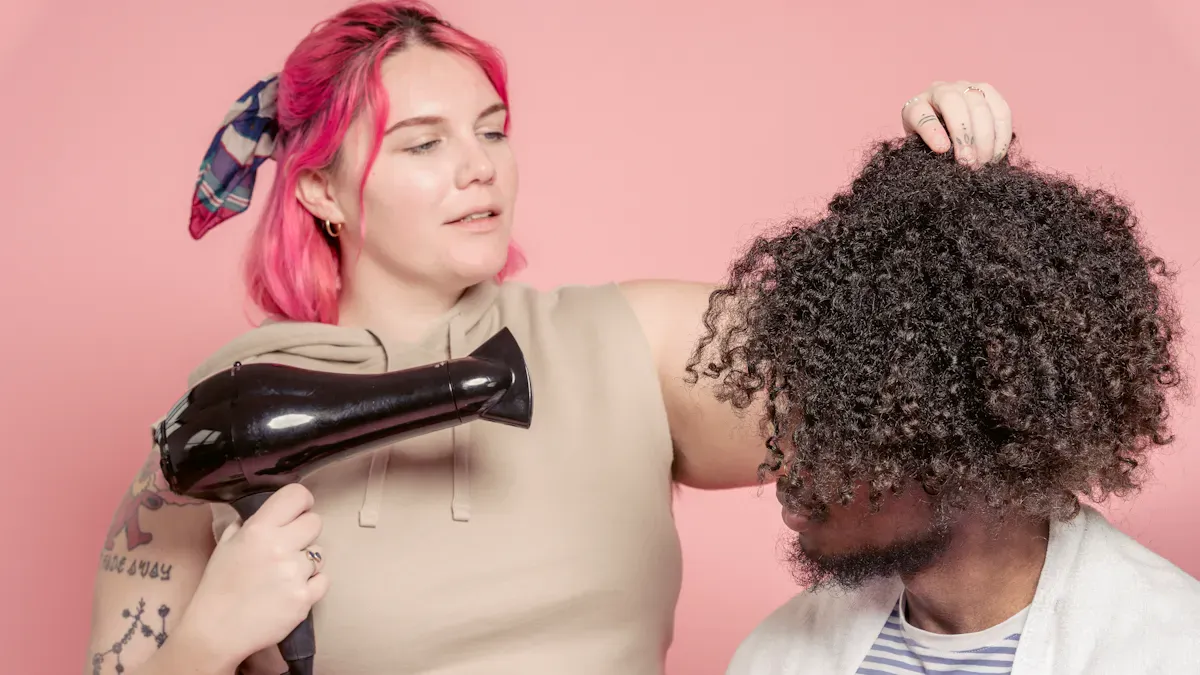
Choosing the right portable hair dryer starts with understanding hair type and hair texture. Each hair type responds differently to heat, airflow, and attachments. Identifying these characteristics helps users select a dryer that protects strands and delivers optimal styling results.
Straight Hair
Straight hair often appears sleek and smooth. This hair type usually dries quickly and requires less heat than other textures. Individuals with straight hair benefit from a dryer with adjustable heat and speed settings. A concentrator nozzle directs airflow for a polished finish. Fine straight hair needs gentle heat to prevent damage. Medium or thick straight hair can handle higher wattage for faster drying.
Tip: For straight hair, a ceramic dryer with a concentrator attachment creates a shiny, frizz-free look.
The thickness of straight hair influences dryer selection. Fine hair requires lower wattage and careful temperature control. Medium hair performs well with moderate wattage. Thick hair needs powerful airflow and higher wattage.
Wavy Hair
Wavy hair combines elements of straight and curly textures. This hair type often experiences frizz and needs a dryer that enhances natural waves. A diffuser attachment distributes airflow evenly, preserving wave patterns and minimizing frizz. Adjustable heat and speed settings allow users to customize drying based on hair thickness.
Wavy hair texture varies from loose waves to defined S-shaped patterns. Fine wavy hair benefits from low heat and a diffuser. Medium or thick wavy hair requires higher wattage and more airflow.
- Fine wavy hair: Use low heat and gentle airflow.
- Medium wavy hair: Choose a dryer with moderate wattage.
- Thick wavy hair: Select a dryer with high wattage and a diffuser.
Curly Hair
Curly hair features spiral or ringlet patterns. This hair type needs special care to maintain curl integrity and prevent frizz. A portable hair dryer with a diffuser attachment and low heat settings works best. Curly hair texture often includes weak points along the curl pattern, making it prone to breakage under excessive heat.
Individuals with fine curly hair should use low wattage and gentle airflow. Medium curly hair benefits from moderate wattage. Thick curly hair requires high wattage for efficient drying.
| Hair Type | Recommended Wattage |
|---|---|
| Fine Hair | 800-1200 watts |
| Medium Hair | 1200-1800 watts |
| Thick Hair | 1800-2000+ watts |
- Fine hair: Needs lower wattage and careful temperature control.
- Medium hair: Performs well with medium wattage.
- Thick hair: Requires higher wattage for efficient drying.
Understanding hair type and hair texture ensures users select the best portable hair dryer for their needs. The right dryer protects hair, enhances natural beauty, and simplifies styling.
Coily or Kinky Hair
Coily or kinky hair presents unique challenges when selecting a portable hair dryer. This hair type features tight curls or zigzag patterns. Individuals with coily hair often experience dryness and shrinkage. The structure of this hair type makes it more fragile and prone to breakage. A portable hair dryer with a diffuser attachment works best for coily hair. The diffuser spreads airflow evenly, reducing frizz and maintaining curl definition.
Professionals recommend dryers with multiple heat and speed settings. Low heat protects the delicate structure of coily hair. High wattage ensures efficient drying without prolonged exposure to heat. Ionic technology helps lock in moisture and adds shine. Many users prefer ceramic dryers for their gentle, consistent heat distribution.
Note: Coily hair benefits from air drying whenever possible. When using a portable hair dryer, always apply a heat protectant and avoid direct, high heat.
A portable hair dryer with a long cord and lightweight design improves maneuverability. This feature allows users to reach all sections of their hair type without strain. Many people with coily hair use a leave-in conditioner before drying. This practice enhances moisture retention and reduces breakage.
Recommended Features for Coily or Kinky Hair
- Diffuser attachment for even airflow
- Adjustable heat and speed settings
- Ionic or ceramic technology
- High wattage for quick drying
- Lightweight and ergonomic design
Fine, Medium, and Thick Hair
Understanding the thickness of hair type helps users select the best portable hair dryer. Fine hair appears delicate and often lacks volume. Medium hair offers more resilience and versatility. Thick hair requires powerful airflow and higher heat settings.
The table below summarizes the recommended dryer features for each hair type:
| Hair Type | Recommended Dryer Features | Benefits |
|---|---|---|
| Fine | Low heat, ceramic technology | Prevents damage, adds shine |
| Medium | Adjustable heat, ionic technology | Balances moisture, reduces frizz |
| Thick | High wattage, multiple settings | Speeds drying, tames frizz |
Fine hair needs gentle heat and a concentrator nozzle. This combination prevents damage and creates volume. Medium hair responds well to dryers with adjustable settings. Users can tailor heat and airflow to their styling needs. Thick hair requires a dryer with high wattage and strong airflow. These features reduce drying time and help manage frizz.
Tip: Always start with the lowest heat setting. Gradually increase as needed based on hair type and thickness.
Many professionals suggest using a portable hair dryer with a cool shot button. This feature locks in style and adds shine. For thick hair, a dryer with a powerful motor ensures efficient drying. Fine hair benefits from lightweight dryers that minimize strain during styling.
Choosing the right portable hair dryer based on hair type and thickness protects strands and enhances styling results. Users achieve healthier, more manageable hair with the proper tools.
Essential Features to Consider When You Choose the Right Portable Hair Dryer
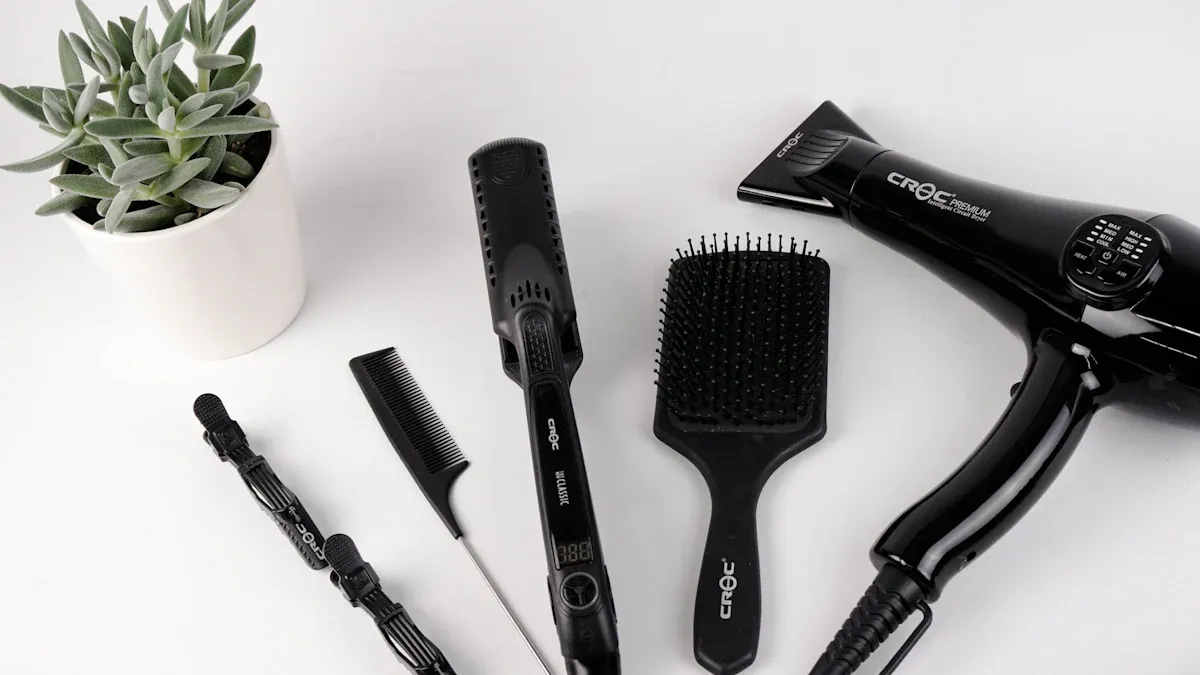
Selecting the right portable blow dryer involves more than just picking a compact model. The best choice depends on understanding wattage, heat and speed settings, and advanced technologies like ionic and ceramic features. These elements work together to prevent frizz, protect hair, and deliver maximum shine and frizz reduction.
Wattage and Power for Every Hair Type
Low vs. High Wattage Explained
Wattage determines how quickly a blow dryer can dry hair. Low wattage models (800-1200 watts) provide gentle airflow, making them suitable for fine or chemically-treated hair. High wattage dryers (1800-2000+ watts) deliver powerful airflow, which is essential for thick, coarse, or curly hair. Choosing the correct wattage ensures efficient drying without exposing strands to unnecessary heat.
| Hair Type | Wattage Range (Watts) | Description |
|---|---|---|
| Fine or Thin Hair | 800-1200 | Requires gentle drying to prevent damage; ideal for daily use. |
| Medium Hair | 1200-1800 | Balanced performance for most hair types; suitable for regular use. |
| Thick or Coarse Hair | 1800-2000+ | Needs rapid drying; essential for high-volume environments. |
| Curly Hair | 1800-2000+ | Benefits from ionic technology and diffusers to maintain curl integrity. |
| Chemically-Treated Hair | 800-1200 | Requires lower heat settings to prevent further damage. |
Matching Wattage to Your Hair Type
Fine or thin hair dries best with a low wattage blow dryer. This approach helps maintain hair health and avoids overheating. Medium hair types benefit from a moderate wattage range, which balances drying speed and protection. Thick, coarse, or curly hair requires a high wattage dryer to reduce drying time and minimize exposure to heat. Using the right wattage for each hair type helps prevent frizz and supports healthy shine.
Heat and Speed Settings for Hair Type Protection
Adjustable Settings for Control
A quality portable blow dryer should offer multiple heat and speed settings. These controls allow users to tailor the drying process to their specific hair needs. Adjustable settings provide flexibility, making it easier to achieve the desired style while protecting hair from excessive heat.
“Use tools with adjustable heat settings and match the temperature to your hair type. You don’t always need the highest heat setting—medium heat often works just fine. Always choose tools with heat control features for safer styling.”
“Every hair type is different, so using tools with adjustable heat settings is crucial. Look for ones with digital controls or multiple presets. This is the key to heat styling safety.”
Importance for Different Hair Types
Multiple heat and speed settings are essential for all hair types. Fine hair benefits from low heat and gentle airflow, which helps maintain volume and shine. Medium and thick hair types require higher settings for efficient drying. Curly and textured hair need lower heat and a diffuser to preserve curl patterns and prevent frizz. The ability to adjust settings ensures that each user can blow dry their hair safely and effectively.
“The adjustable heat temperature control and ceramic barrel make your hair look smooth and shiny without compromising health.”
“Start with a medium heat setting and finish with a cool shot to seal the cuticle.”
Ionic and Ceramic Technology for Frizz Control
Benefits for Shine and Smoothness
Ionic technology has transformed the way people use a blow dryer. Ionic dryers emit negative ions that neutralize positive charges in hair, which eliminates static electricity—a major cause of frizz. This process helps maintain a smooth finish and enhances shine during blow drying. Ceramic technology provides gentle, even heat distribution, which protects hair from excessive heat and preserves moisture.
- Ionic dryers eliminate static electricity, which is a major cause of frizz.
- They help maintain a smooth finish while blow drying.
- Curly and textured hair shows significant reduction in frizz with ionic technology.
- Ionic dryers help manage flyaways effectively.
- Ionic hair dryers reduce frizz by neutralizing positive charges in dry, damaged hair.
- They enhance hair smoothness and provide a polished finish.
- The ceramic coating protects hair from excessive heat and preserves moisture.
| Technology Type | Mechanism | Benefits |
|---|---|---|
| Ionic | Emits negative ions to neutralize positive charges in hair | Reduces frizz, enhances shine |
| Ceramic | Provides gentle, even heat distribution | Protects hair from excessive heat, reduces frizz |
Who Should Use Ionic Dryers
Not every hair type needs the same technology. Thick, frizzy, or curly hair benefits most from a tourmaline-ionic blow dryer, which reduces drying time, controls frizz, and enhances shine. Curly hair, especially when paired with a diffuser, maintains curl integrity and achieves maximum shine and frizz reduction. Damaged or color-treated hair responds well to ceramic-ionic models, which minimize damage, seal the cuticle, and boost shine. Fine or thin hair should use an ionic dryer with ceramic technology to avoid over-smoothing and maintain volume.
| Hair Type | Recommended Dryer Type | Benefits |
|---|---|---|
| Thick, Frizzy Hair | Tourmaline-Ionic Dryer | Reduces drying time, controls frizz, enhances shine. |
| Curly Hair | Tourmaline-Ionic with Diffuser | Combats frizz, enhances shine, protects curl pattern. |
| Damaged/Color-Treated Hair | Ceramic-Ionic Model | Minimizes damage, seals cuticle, boosts shine. |
| Thick, Coarse Hair | Ionic Hair Dryer | Transforms hair, reduces frizz, suitable for all hair types. |
| Fine, Thin Hair | Ionic with Ceramic Technology | Offers lower heat settings to avoid over-smoothing and losing volume. |
Choosing a portable blow dryer with ionic technology and ceramic features ensures users can blow dry their hair efficiently, prevent frizz, and achieve a healthy, shiny finish.
Attachments and Accessories for Every Hair Type
Attachments for better styling play a crucial role in achieving professional results with a portable hair dryer. Each hair type requires specific accessories to optimize the drying process and enhance the final look. The most common attachments include the diffuser attachment and the concentrator nozzle.
Diffusers for Curls and Waves
A diffuser attachment distributes airflow evenly, which helps maintain the natural texture of curly and wavy hair. Individuals with curly hair rely on a diffuser to dry their curls without tangling. This accessory enhances curl definition and reduces frizz. Wavy hair also benefits from a diffuser, as it promotes defined waves and prevents flatness. The diffuser increases volume by lifting the roots and supporting the wave pattern. Coily hair thrives with a diffuser, which maintains moisture and elasticity during styling.
- Curly-haired individuals use diffusers to dry curls evenly and preserve their natural shape.
- Wavy hair gains volume and definition, avoiding a limp or flat appearance.
- Straight hair can achieve a natural look and added volume, although a diffuser will not create curls.
Tip: For maximum volume, start drying at the roots with the diffuser attachment and move toward the ends. This technique works well for curly and wavy hair.
The diffuser attachment remains essential for anyone seeking to enhance curls, waves, or coils. It prevents frizz and supports healthy, bouncy hair.
Concentrators for Straightening
A concentrator nozzle directs airflow precisely, making it ideal for straightening hair. Straight hair benefits from this attachment, as it provides a sleek finish and minimizes flyaways. The concentrator also helps build volume at the roots while smoothing the lengths. Medium and thick hair types achieve faster drying and a polished look with a concentrator nozzle.
- Concentrator nozzles allow for targeted styling, which is especially useful for straightening sections of hair.
- The attachment supports volume by focusing airflow at the roots.
- Users can pair the concentrator with a round brush to create a smooth, voluminous blowout.
Note: Always use the concentrator nozzle on low to medium heat settings to protect hair from excessive heat and maintain shine.
Attachments for better styling, such as diffusers and concentrators, transform the drying experience. They help users achieve their desired look while protecting hair from damage.
Size, Weight, and Portability Tips
Selecting the right portable hair dryer involves considering size, weight, and portability. Frequent travelers need a lightweight dryer that fits easily into luggage. The ideal model weighs less than one pound and offers a compact design. Some dryers fold to a size smaller than a smartphone, making them perfect for tight spaces.
| Product Name | Weight | Size Comparison | Features |
|---|---|---|---|
| Harry Josh Pro Tools Ultra Light Pro Dryer | Less than 1 lb | Not specified | 12 heat/speed settings, suitable for all hair types, patented silencer, 1875 watts power. |
| LURA Mini Portable Travel Hair Dryer | Less than 1 lb | Smaller than an iPhone when folded | Dual voltage, two heat/speed settings, includes travel bag and attachments. |
Portability affects usability for different hair types. Thick or curly hair requires a dryer with at least 1,200 watts for efficient drying and volume. Fine or straight hair can use models with 1,000 watts. Travelers should assess their travel frequency and choose a dryer with dual voltage if crossing continents. Collapsible handles and magnetic attachments save space in toiletry bags. Ergonomic grips and intuitive button placement improve comfort and control.
- Determine your hair type and select the appropriate wattage for volume and styling.
- Assess travel frequency and choose a model with dual voltage for international trips.
- Check bag space and prioritize compact designs with collapsible handles.
- Verify voltage compatibility to avoid plug adapters.
- Review noise levels, especially for shared accommodations.
- Test grip and button layout for ease of use.
- Compare warranty and support from reputable brands.
Tip: Lightweight dryers with ergonomic handles reduce fatigue during styling and make travel easier.
Choosing the right size and weight ensures that the dryer meets the needs of every hair type. Compact models with essential attachments for better styling deliver professional results at home or on the go.
Matching Hair Type to Dryer Features: Quick Reference Guide
Choosing the right blow dryer can feel overwhelming with so many options available. A quick reference guide simplifies this process by matching each hair type to the most effective dryer features. This approach ensures that users achieve healthy, beautiful results while protecting their strands from unnecessary damage.
Hair Type and Recommended Dryer Features Chart
The following table provides a comprehensive overview of which blow dryer features best suit each hair type. It includes recommended wattage, technologies, attachments, and additional considerations for optimal styling and protection.
| Hair Type | Recommended Wattage | Key Dryer Features & Technologies | Attachments & Accessories | Additional Tips |
|---|---|---|---|---|
| Fine or Thin Hair | Under 1600W | Ionic or ceramic technology, lightweight design, gentle heat settings | Concentrator nozzle | Avoid high heat; use volumizing techniques |
| Medium/Normal Hair | 1600W – 1875W | Adjustable heat/speed, ceramic or tourmaline technology | Concentrator or diffuser | Balance power and weight for comfort |
| Thick or Coarse Hair | 1875W and above | High power, ionization mode, tourmaline for frizz control | Wide-tooth diffuser, concentrator | Choose longer models for even airflow |
| Curly or Wavy Hair | 1600W – 2000W | Powerful motor, multiple heat/speed settings, ionic technology | Diffuser with dense prongs | Use gentle airflow to maintain curl definition |
| Damaged/Dull Hair | Under 1600W | Ionic technology, cool shot button, adjustable airflow | Concentrator | Use cooler air to enhance shine |
| Travel/Portable Use | 1000W – 1600W | Foldable handle, compact size, dual voltage, lightweight | Universal attachments | Prioritize battery life and ergonomic design |
Tip: For every hair type, prioritize a blow dryer with multiple heat and speed settings. This feature allows users to adjust the drying process for maximum protection and styling flexibility.
How to Use the Guide for Your Choice
A quick reference guide streamlines the selection process for a blow dryer. Users should start by identifying their hair type and texture. Next, they can match their needs to the recommended wattage and technologies in the chart above. For example, someone with thick hair should look for a dryer with at least 1875 watts and ionization mode to speed up drying and reduce frizz. Those with fine hair benefit from a lightweight dryer with ceramic technology and lower heat settings.
When evaluating options, users should consider the following checklist:
- Select the appropriate wattage for hair thickness and density.
- Choose a blow dryer with the right technology (ionic, ceramic, or tourmaline) for shine and protection.
- Look for attachments that match styling needs, such as diffusers for curls or concentrators for sleek finishes.
- Assess portability features if frequent travel is expected, including foldable handles and dual voltage.
- Test the weight and grip to ensure comfortable use during longer styling sessions.
A professional blow dryer with the right features can transform the drying experience. For curly or wavy hair, a diffuser attachment and gentle airflow help maintain natural texture. For straight or fine hair, a concentrator nozzle and lower heat settings prevent damage and add volume. Damaged or color-treated hair benefits from ionic technology and a cool shot button to lock in shine.
Note: Always finish with a cool shot to seal the cuticle and enhance the final look, regardless of hair type.
By following this guide, users can confidently select a blow dryer that matches their unique hair needs. This approach ensures efficient styling, minimizes heat damage, and delivers salon-quality results at home or on the go.
Extra Features to Look for When You Choose a Professional Blow Dryer
Cool Shot Button for Styling
A cool shot button stands out as a must-have feature when professionals choose a professional blow dryer. This button releases a burst of cool air after drying, which helps set the hairstyle and lock in the desired look. The cool shot seals the hair cuticle, enhancing shine and reducing frizz. Stylists rely on this function to finish blow styling, ensuring the hair stays smooth and polished. The cool shot also adds natural shine and protects the hair from heat damage. Many users find this feature essential for maintaining healthy hair and achieving salon-quality results.
The cool shot button proves especially valuable for setting styles and preserving hair health during blow styling.
Lightweight and Foldable Design for Portability
Portability remains a top priority for those who choose a professional blow dryer. A lightweight design, often under 1.5 lbs, makes the dryer easy to handle and reduces fatigue during extended styling sessions. Foldable handles allow users to pack the blow dryer efficiently, saving space in luggage or gym bags. Students, travelers, and digital nomads appreciate these features because they can maintain their styling routines wherever they go. The compact structure ensures reliable performance without sacrificing power or versatility. Professionals recommend lightweight and foldable dryers for anyone who values convenience and mobility in their styling tools.
- Lightweight dryers enhance portability and comfort.
- Foldable handles provide space efficiency for travel and storage.
- Ideal for frequent travelers and those with limited storage space.
Dual Voltage and Long Cord for Travel
Dual voltage capability offers a significant advantage for travelers who choose a professional blow dryer. This feature allows the dryer to operate safely in different countries, preventing electrical damage and reducing fire hazards. A compact design further supports travel-friendly use, fitting easily into carry-on bags. A long cord increases flexibility during styling, enabling users to move freely and reach all sections of the hair. Versatility remains crucial for maintaining consistent styling routines across various environments. Professionals value dual voltage and extended cords because they ensure the blow dryer adapts to global standards and diverse styling needs.
| Feature | Benefit |
|---|---|
| Dual Voltage | Safe use worldwide, prevents electrical issues |
| Long Cord | Greater mobility and ease during styling |
| Compact Design | Saves space in luggage, ideal for travel |
When professionals choose a professional blow dryer, they prioritize features that support efficient styling, portability, and safety. These extra features elevate the blow dryer experience, making it easier to achieve flawless hair and maintain styling routines anywhere.
Tips for Using the Dryer Safely and Effectively
Prepping Your Hair for Drying
Proper preparation sets the foundation for safe and effective blow drying. Professionals recommend several tips to protect strands and maximize results.
- Start with freshly washed hair and gently towel-dry until damp.
- Apply a heat protectant spray to shield hair from heat damage.
- Use a blow dryer with a concentrator nozzle to direct airflow while shaping hair with fingers or a brush.
- Lift hair at the roots with fingers during drying to add volume and texture.
- When hair is nearly dry, switch to the cool air setting to set the style and add shine.
These tips for using the dryer help prevent breakage and maintain healthy hair. Prepping hair correctly ensures that the blow dryer delivers optimal results without causing unnecessary stress to strands.
Using the Right Attachments for Your Hair Type
Attachments play a crucial role in achieving professional styling outcomes. Each hair type benefits from specific tools.
- Diffusers work best for curly or wavy hair, distributing airflow evenly and preserving natural texture.
- Concentrator nozzles suit straight or fine hair, providing precise airflow for sleek finishes and added volume.
- Wide-tooth diffusers help coily hair maintain moisture and definition.
A table below summarizes the recommended attachments for each hair type:
| Hair Type | Recommended Attachment | Styling Benefit |
|---|---|---|
| Curly/Wavy | Diffuser | Enhances curls, reduces frizz |
| Straight/Fine | Concentrator Nozzle | Adds shine, builds volume |
| Coily | Wide-Tooth Diffuser | Maintains moisture, definition |
Choosing the right attachment ensures that the blow dryer adapts to individual needs. These tips help users achieve salon-quality results at home.
Adjusting Heat and Speed for Best Results
Heat and speed settings must match hair type to minimize damage and maximize styling. Professionals offer several tips for using the dryer safely:
- For fine hair, select heat settings between 250°F and 275°F and pass the blow dryer quickly over each section.
- Medium or wavy hair can handle temperatures between 300°F and 375°F.
- Thick or coarse hair tolerates higher temperatures, up to 375°F–450°F, but should be styled cautiously.
- Always use the lowest effective temperature for styling, ideally not exceeding 375°F.
- Minimize the number of passes with the blow dryer to reduce damage.
Adjusting heat and speed according to hair type protects strands and enhances shine. These tips for using the dryer help users avoid dryness and breakage.
Professionals recommend starting with medium heat and finishing with a cool shot to seal the cuticle. This approach locks in style and adds natural shine. By following these tips, users can safely use a blow dryer and achieve their desired look.
Preventing Heat Damage with Smart Practices
Smart practices play a crucial role in preventing heat damage when using a blow dryer. Many professionals recommend several strategies to protect the hair from heat and maintain healthy strands. Individuals who use a blow dryer should always prioritize safety and efficiency.
- Select a blow dryer with built-in safety circuits. These circuits automatically turn off the dryer if it exceeds safe temperature limits. This feature helps reduce hair damage and prevents overheating.
- Choose models with automatic temperature regulation. The dryer adjusts its heat output to avoid excessive temperatures, which minimizes the risk of damage.
- Opt for a blow dryer that includes safety cut-off systems. These systems shut down the dryer when it reaches high temperatures, offering an extra layer of protection for the hair.
- Use dryers equipped with ionic technology. Ionic technology seals the hair cuticle and reduces the heat needed for drying. This process helps minimize moisture loss and protects the hair from heat.
- Avoid dryers without temperature controls or safety certifications. Models lacking these features may expose hair to unnecessary heat and increase the risk of damage.
Professionals advise using heat protection products before blow drying. These products create a barrier that shields hair from high temperatures and reduces the likelihood of damage.
A table below summarizes key smart practices for preventing heat damage:
| Smart Practice | Benefit |
|---|---|
| Built-in safety circuits | Prevents overheating and reduces damage |
| Automatic temperature regulation | Maintains safe heat levels |
| Safety cut-off systems | Shuts down dryer at high temperatures |
| Ionic technology | Seals cuticle, minimizes heat exposure |
| Adjustable heat settings | Allows precise control for every hair type |
Individuals should always start with the lowest heat setting and gradually increase as needed. This approach helps reduce hair damage and maintains shine. Professionals recommend finishing with a cool shot to lock in style and further protect the hair from heat.
Those who blow dry their hair regularly should monitor the condition of their strands. Signs of damage include dryness, split ends, and loss of shine. If these symptoms appear, users should adjust their blow dryer settings or switch to a model with advanced safety features.
Smart practices ensure that every blow dryer session delivers professional results while keeping hair healthy and vibrant. By following these guidelines, individuals can enjoy styling flexibility and reduce the risk of heat damage.
Making Your Final Choice: Tips for Choosing the Right Portable Hair Dryer
Setting Priorities Based on Hair Type
Every individual must set clear priorities before selecting the best hair dryer. Hair type determines the features that matter most. Fine hair needs gentle heat and a lightweight dryer. Thick or curly hair requires higher wattage and advanced technology. Professionals recommend that users identify their main styling goals. Some want volume, others seek frizz control, and many prioritize speed. The hair dryer buying guide suggests matching the dryer’s settings and attachments to the unique needs of each hair type.
Tip: He should always consider the health of his hair first. The right blow dryer protects strands and enhances shine.
Balancing Features, Budget, and Portability
Consumers often face a challenge when they try to balance features, budget, and portability. The best hair dryer offers adjustable heat, multiple speed settings, and essential attachments. Travelers need a compact, foldable blow dryer with dual voltage. Students and busy professionals value lightweight models that fit easily in bags. Price plays a significant role in the decision. A good hair dryer does not always mean the most expensive option. He should compare models based on performance, durability, and warranty.
A table below helps users evaluate their priorities:
| Priority | Recommended Feature | Benefit |
|---|---|---|
| Hair Health | Ionic/Ceramic Technology | Reduces frizz, protects hair |
| Portability | Foldable, Lightweight Design | Easy to carry, saves space |
| Budget | Mid-range Price, Warranty | Reliable, cost-effective |
| Styling Flexibility | Multiple Attachments | Supports various hair types |
Note: She should choose the perfect blow dryer by weighing her needs against available features. The right balance ensures satisfaction and long-term value.
Where to Buy and What to Avoid
He can purchase a blow dryer from reputable retailers, salons, or official brand websites. Online platforms offer a wide selection and user reviews. She should avoid counterfeit products and unreliable sellers. The hair dryer buying guide warns against models without safety certifications or warranty. Many low-quality dryers lack temperature control and overheat easily. He should check for return policies and customer support.
A checklist for safe purchasing:
- Buy from trusted sources with positive reviews.
- Verify product authenticity and warranty.
- Avoid dryers with limited settings or poor build quality.
- Select models with safety features and certifications.
- Compare prices and features before making a final decision.
Callout: They should choose the perfect blow dryer by prioritizing safety, performance, and compatibility with their hair type.
By following these tips, users can confidently select the best hair dryer for their needs. The right blow dryer delivers healthy, beautiful hair and supports every styling routine.
Choosing the right portable blow dryer depends on matching its features to each person’s unique hair type. Wattage, heat settings, technology, and attachments help reduce frizz and protect strands. Extra features, such as lightweight design and dual voltage, improve portability. Safe practices ensure healthy hair and effective styling. With the proper information, anyone can confidently select a dryer that delivers professional blow results at home or while traveling.
- Assess hair type and styling needs.
- Prioritize safety and portability.
FAQ
What wattage works best for fine hair?
Fine hair dries best with a portable hair dryer rated between 800 and 1200 watts. This range provides gentle airflow and reduces the risk of heat damage. He should always start with the lowest setting for safety.
Can a portable hair dryer handle thick or coarse hair?
Yes. A model with at least 1800 watts and multiple heat settings works well for thick or coarse hair. She should look for ionic or tourmaline technology to reduce drying time and control frizz.
Why does a diffuser matter for curly hair?
A diffuser attachment spreads airflow evenly. This helps curly hair retain its natural pattern and minimizes frizz. They should use a diffuser with low heat for best results.
Is dual voltage necessary for travel?
Dual voltage ensures the hair dryer works safely in different countries. He should check for this feature if he travels internationally. This prevents electrical issues and protects the device.
How does ionic technology benefit hair?
Ionic technology emits negative ions that break up water molecules. This process speeds up drying and reduces frizz. She will notice smoother, shinier hair with less static.
What safety features should users look for?
Key safety features include automatic shut-off, adjustable heat settings, and cool shot buttons. These protect hair from overheating and prevent accidents. They should always check for safety certifications.
How often should a portable hair dryer be cleaned?
He should clean the filter every two to four weeks. Regular cleaning prevents overheating and extends the dryer’s lifespan. A clogged filter reduces performance and can damage hair.