
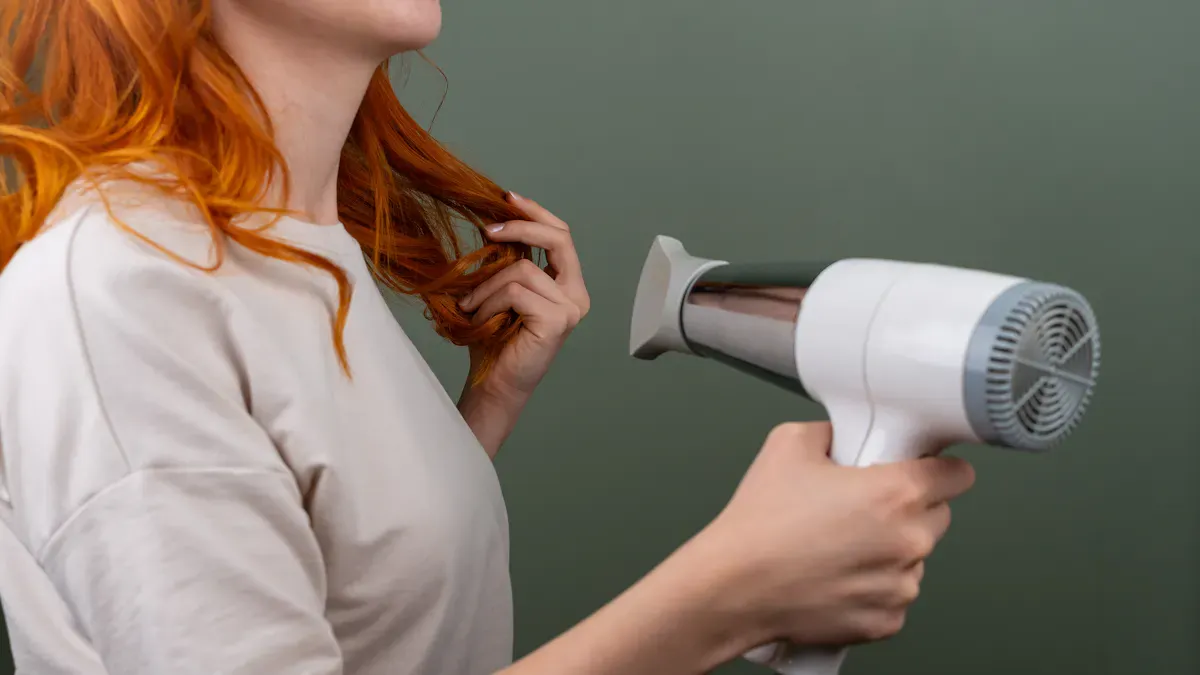
Un sèche-cheveux silencieux repose sur une ingénierie avancée pour offrir une expérience de séchage plus paisible. Les fabricants leaders, tels que usine de sèche-cheveux ou de sèche-cheveux leader, investissent dans des solutions innovantes pour minimiser le bruit. Les technologies courantes incluent :
- Moteurs sans balais, qui fonctionnent avec moins de frottement qu'un moteur traditionnel. Sèche-cheveux AC ou Sèche-cheveux BLDC.
- Des matériaux insonorisants comme la mousse de polyuréthane et le caoutchouc butyle.
- Des designs aérodynamiques et des conduits d'air optimisés qui réduisent la turbulence.
- Des supports antivibratiles pour isoler le bruit du moteur.
Ces caractéristiques permettent aux utilisateurs de profiter d'un environnement calme tout en prenant soin de leurs cheveux.
Comment un sèche-cheveux réduit-il son niveau sonore ?
Chambres d'isolation acoustique
Matériaux d'isolation internes
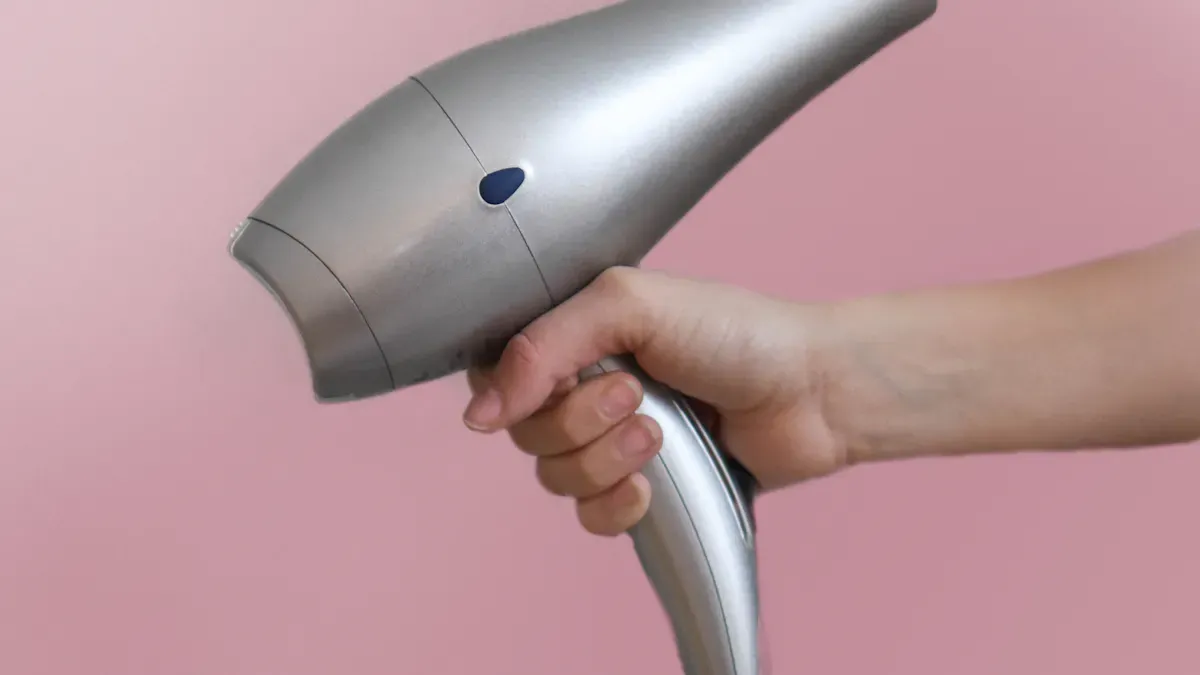
Les fabricants conçoivent des sèche-cheveux silencieux avec des chambres d'isolation acoustique. spécialisées. Ces chambres utilisent des matériaux avancés tels que la mousse de polyuréthane et le caoutchouc butyle pour absorber les vibrations et atténuer le bruit. L'isolation entoure le moteur et les conduits de flux d'air, empêchant les ondes sonores de s'échapper du boîtier. Cette approche d'ingénierie réduit considérablement la production de bruit par rapport aux modèles sans isolation acoustique. En absorbant les vibrations à la source, ces chambres créent une expérience de séchage plus paisible pour les utilisateurs.
Conception absorbant les vibrations
Une conception absorbant les vibrations améliore encore les performances silencieuses des sèche-cheveux modernes. Les ingénieurs intègrent des supports antivibratiles et des fixations flexibles autour du moteur et de l'assemblage du ventilateur. Ces éléments isolent le mouvement mécanique, empêchant les vibrations de se transmettre à la coque extérieure. En conséquence, l'appareil produit moins de bruit de fonctionnement et offre une sensation plus douce en main. Cette combinaison d'isolation acoustique et de contrôle des vibrations distingue les sèche-cheveux silencieux des modèles traditionnels.
Technologie des moteurs dans les sèche-cheveux silencieux
Moteurs sans balais à haute vitesse
La technologie des moteurs joue un rôle crucial dans la réduction du bruit. Les sèche-cheveux traditionnels reposent sur des moteurs AC à balais en carbone, qui génèrent des frottements et du bruit mécanique. En revanche, les sèche-cheveux silencieux utilisent des moteurs numériques sans balais qui fonctionnent par magnétisme. Cette innovation élimine le bruit lié au frottement et réduit les vibrations. Le tableau suivant met en évidence les différences Comparaison entre les moteurs de sèche-cheveux traditionnels et silencieux :
| Caractéristique | Sèche-cheveux traditionnel | Sèche-cheveux silencieux |
|---|---|---|
| Niveau sonore | 85-95 décibels | 59-69 décibels |
| Type de moteur | Moteur AC avec balais en carbone | Moteur DC sans balais ou moteur numérique |
| Réduction du bruit | N/A | Environ 40% de bruit en moins |
| Vitesse du flux d'air | 20-25 m/s | 18-22 m/s |
| Sources de bruit | Frottement des balais, vibration, turbulence du flux d'air | Fonctionnement magnétique élimine le bruit de frottement, vibrations réduites, matériaux insonorisants |
Les sèche-cheveux silencieux équipés de moteurs numériques sans balais permettent une réduction significative du bruit, fonctionnant souvent avec 10 à 20 décibels de moins que les modèles à moteur à balais. La plupart des sèche-cheveux standards produisent 82-90 dB, tandis que les moteurs avancés des modèles silencieux atteignent 59-78 dB..
Réduction des frottements et des vibrations
Les sèche-cheveux silencieux minimisent les frottements et les vibrations grâce à un fonctionnement magnétique du moteur et une ingénierie de précision. Ces moteurs avancés génèrent moins de chaleur et nécessitent moins de pièces mobiles, ce qui réduit l'usure et prolonge la durée de vie de l'appareil. La réduction des frottements diminue non seulement le bruit, mais améliore également l'efficacité énergétique. Les utilisateurs bénéficient d'un sèche-cheveux plus silencieux et plus fiable, offrant des performances constantes dans le temps.
Flux d'air et ingénierie des pales du ventilateur
Conduits d'air optimisés
Les ingénieurs conçoivent des conduits d'air optimisés pour guider le flux d'air en douceur à travers le sèche-cheveux. Cela réduit la turbulence, qui est une source principale de bruit pendant le fonctionnement. En façonnant les chemins internes et en utilisant des boîtiers aérodynamiques inspirés des moteurs à réaction, les fabricants augmentent la vitesse du flux d'air tout en minimisant le son. Le tableau ci-dessous résume comment différentes caractéristiques de conception affectent les niveaux sonores :
| Caractéristique de conception | Impact sur les niveaux sonores |
|---|---|
| Matériaux insonorisants | Réduit le bruit provenant du boîtier du moteur |
| Conception des pales du ventilateur | Minimise la turbulence, une source principale de bruit |
| Silencieux et chemins de réduction du bruit | Atténue le bruit tout en maintenant le flux d'air |
| Boîtiers aérodynamiques | Inspirés des moteurs à réaction pour augmenter la vitesse du flux d'air |
Ventilateurs multi-pales en plastique et céramique
L'ingénierie des pales du ventilateur contribue également au fonctionnement silencieux. Les ventilateurs multi-pales fabriqués en plastique avancé ou en technologie céramique créent un flux d'air plus doux et réduisent le bruit. Des études acoustiques montrent que l'ajustement de l'angle de décalage, de la torsion et des angles de balayage des pales, ainsi que l'optimisation de la conception aérodynamique des aubes directrices, peuvent réduire efficacement les niveaux sonores des sèche-cheveux.
Des ajustements de l'angle de décalage des pales, de la torsion et des angles de balayage, ainsi que l'optimisation de la conception aérodynamique des aubes directrices, se sont avérés efficaces pour réduire les niveaux sonores des sèche-cheveux. L'étude indique que ces modifications peuvent entraîner une réduction de 2,88% du bruit et une augmentation de 7,39% des performances du flux d'air.
En combinant des conduits d'air optimisés avec des ventilateurs multi-pales en plastique et céramique, les fabricants atteignent un équilibre entre performances silencieuses et séchage efficace. Ces innovations garantissent que les utilisateurs profitent d'une expérience de séchage des cheveux confortable et efficace sans bruit excessif.
Le rôle de la technologie des sèche-cheveux ioniques dans la réduction du bruit
Les frisottis sont souvent le plus grand défi capillaire d'un voyageur, mais les technologies ionique et céramique les combattent directement. Ces fonctionnalités travaillent ensemble pour produire des cheveux plus lisses, plus brillants et d'apparence plus saine.
Negative Ions and Water Molecules
An ionic hair dryer uses advanced ionic technology to generate negative ions during operation. These negative ions interact with water molecules on the hair’s surface. When negative ions meet water droplets, they break them into smaller particles. This process allows moisture to evaporate more quickly, which leads to faster drying times. Negative ions also help neutralize positive ions found in dry or damaged hair, resulting in smoother strands. The continuous release of negative ions not only improves hair texture but also contributes to a quieter drying process.
Faster Drying, Less Noise
Negative ions play a crucial role in achieving faster drying times. By breaking down water molecules efficiently, an ionic hair dryer reduces the need for prolonged airflow. Shorter drying sessions mean the motor and fan operate for less time, which helps maintain a quiet environment. Higher-priced ionic hair dryers often justify their cost with features such as quieter operation, showing that the technology directly impacts noise levels. Many users notice that an ionic hair dryer produces less disruptive sound compared to non-ionic models, making it suitable for homes with children or pets.
Benefits of Ionic Hair Dryers for Quiet Performance
Lower Airflow Requirements
An ionic hair dryer achieves faster drying times with less airflow. Because negative ions speed up moisture evaporation, the device does not need to rely on high-speed fans or intense heat. This design reduces turbulence inside the dryer, which is a major source of noise. The Ion Whisper Quiet Hair Dryer, for example, uses a brushless motor running at 110,000 RPM and eight layers of sound-dampening technology. This combination keeps noise and vibrations low while still delivering efficient performance. The balance between airflow and negative ion output makes these dryers ideal for anyone seeking a quiet styling tool.
Smoother, Calmer Sound
The use of negative ions in an ionic hair dryer leads to a smoother, calmer sound profile. Unlike traditional dryers that create harsh, high-pitched noise, ionic models produce a gentle hum. User studies and laboratory tests highlight the difference:
| Modèle de sèche-cheveux | Niveau sonore | Performance Notes |
|---|---|---|
| Bio Ionic | Very Quiet | Not worth the price, but performs quietly. |
| DryQ | Silencieux | Improved hair quality while styling. |
Many users report a dramatic improvement in hair smoothness when using the negative ion setting. Ionic hair dryers help close the hair cuticle, lock in moisture, and reduce frizz. These benefits, combined with a quiet operation, create a more pleasant styling experience. The quiet performance of an ionic hair dryer supports peaceful routines and protects sensitive ears from loud noise.
Tip: For the quietest results, select an ionic hair dryer with multiple speed and heat settings. This allows users to customize their experience and further minimize noise.
Key Features to Look for in a Quiet Hair Dryer
Decibel Ratings and Noise Levels
Understanding dB Ratings
Decibel ratings measure the intensity of sound produced by a device. A lower decibel rating means the device operates more quietly. Most household appliances have a decibel rating between 50 and 90 dB. For hair dryers, this measurement helps users compare how much sound each model generates. Manufacturers often display the decibel rating on product packaging or in technical specifications. By checking this number, buyers can make informed decisions about which model will create a quieter environment.
Ideal dB Range for Quiet Hair Dryers
A quiet hair dryer typically operates within a decibel range of 59 to 69 dB. This range allows for effective drying while keeping the noise level comfortable for daily use. Devices above 80 dB may cause discomfort or disrupt conversations. Models within the ideal range support peaceful routines and reduce the risk of hearing fatigue. When shopping for a quiet model, users should look for clear decibel information to ensure the product meets their expectations.
Wattage, Power, and Settings
Balancing Power and Quiet Operation
Wattage affects both drying speed and noise level. Higher-wattage hair dryers use more powerful motors, which create a greater volume of airflow. This increased airflow often results in a louder noise level during operation. However, many modern high-wattage models use advanced brushless digital motors. These motors operate more quietly than traditional AC motors, offering strong performance without excessive sound. Users should consider both wattage and motor type when selecting a quiet device.
- High wattage increases airflow and drying speed.
- More airflow can raise the noise level.
- Brushless digital motors help maintain quiet operation even at higher power.
Adjustable Speed and Heat Controls
Adjustable speed and heat controls allow users to customize their drying experience. Lower settings produce less noise and suit sensitive environments. Higher settings offer faster drying but may increase sound output. A quiet hair dryer with multiple settings gives users flexibility to balance performance and comfort. Many models include cool shot buttons and variable speed options for added control.
Build Quality and Materials
Noise-Absorbing Plastics and Ceramics
Manufacturers use noise-absorbing plastics and ceramics to reduce sound transmission. These materials dampen vibrations and prevent noise from escaping the device. Ceramic components also distribute heat evenly, which supports gentle and quiet drying. The choice of materials plays a significant role in the overall quiet performance of the hair dryer.
Ergonomic, Sealed Construction
An ergonomic, sealed construction further enhances quiet operation. Well-designed housings fit comfortably in the hand and minimize gaps where sound could escape. Sealed joints and precision assembly keep internal components stable, reducing rattling and vibration. This attention to build quality ensures the device remains quiet and durable over time.
Tip: Always check for removable filters and well-fitted attachments. These features help maintain quiet performance and extend the life of the hair dryer.
Additional Quiet Blow Dryer Features
Removable Filters and Attachments
Removable filters play a vital role in the quiet operation of modern hair dryers. They allow users to clean out dust and hair that can accumulate inside the device. When filters remain clean, the motor does not have to work as hard, which reduces both noise and wear. Many manufacturers design these filters for easy removal and replacement. This feature supports consistent airflow and helps maintain the quiet performance of the dryer over time.
Attachments such as diffusers and concentrators also contribute to noise reduction. A well-designed diffuser spreads airflow more evenly, which minimizes turbulence and lowers sound levels. Concentrator nozzles focus the air in a specific direction, reducing the need for high-speed airflow. This targeted approach allows users to style hair efficiently while keeping noise to a minimum. Some brands offer attachments made from noise-absorbing materials, further enhancing the quiet experience.
Tip: Regularly cleaning the removable filter extends the life of the hair dryer and ensures it continues to operate quietly.
Specialized Nozzles
Specialized nozzles represent another advancement in quiet hair dryer technology. These nozzles shape and direct airflow, which reduces turbulence and noise. Manufacturers use aerodynamic engineering to design nozzles that guide air smoothly over the hair. This approach not only lowers sound output but also improves drying efficiency.
Some nozzles feature multi-layered construction with built-in mufflers. These layers block sound waves and absorb vibrations before they reach the outer casing. The use of composite materials and noise-dampening polymers, such as rubberized components, further reduces operational noise. The table below summarizes how these features impact noise reduction:
| Feature Type | Description and Noise Reduction Effect |
|---|---|
| Matériaux utilisés | Composite materials and noise-dampening polymers absorb vibrations and block sound. |
| Acoustic Dampening Materials | PU Foam, Butyl Rubber, and foam insulation minimize noise transmission. |
| Aerodynamic Design | Smoother airflow channels reduce turbulence and noise. |
| Anti-vibration Mounts/Pads | Isolate motor vibrations from the casing, preventing noise transmission. |
| Multi-layered Casings | Block sound waves effectively, sometimes with built-in mufflers for greater noise reduction. |
Manufacturers also focus on ergonomic design for these attachments. Ergonomic nozzles fit comfortably in the hand and reduce vibrations during use. This attention to detail enhances user comfort and supports a quieter styling routine.
- Innovative motor technology, such as brushless motors, operates more quietly than traditional motors.
- Precision engineering optimizes airflow and reduces vibrations, minimizing turbulence and noise.
- Multiple speed and heat settings allow users to select lower speeds for quieter operation.
Specialized nozzles, combined with removable filters and advanced materials, create a comprehensive noise-reduction system. These features set quiet blow dryers apart from standard models and provide a more enjoyable experience for users who value peace and comfort.
Benefits of Using a Quiet Hair Dryer
Comfort and Convenience at Home
Less Disruption to Family and Roommates
A Sèche-cheveux silencieux creates a calm environment in shared living spaces. Family members can sleep or focus on their activities without interruption. Children, roommates, or partners appreciate the reduced noise, especially during early mornings or late nights. Many users notice that a quiet experience helps maintain harmony at home.
Peaceful Morning and Night Routines
A quiet hair dryer supports peaceful routines. Individuals can dry their hair without disturbing others. This benefit proves valuable for those who prepare for work or school before sunrise. A quiet device also allows for relaxing nighttime hair care, which can help reduce stress before bed.
Note: Many professionals recommend quiet hair dryers for households with infants or light sleepers.
Protecting Your Hearing and Health
Risque réduit de dommages auditifs
Traditional hair dryers often reach noise levels that can harm hearing over time. A quiet hair dryer operates at safer decibel levels. This feature protects users from long-term hearing loss. People who style their hair daily benefit most from this safety improvement.
Reduced Stress from Noise
Constant loud noise can increase stress and anxiety. A quiet hair dryer minimizes this risk. Users report feeling more relaxed during their hair care routine. Lower noise levels also help create a soothing atmosphere in the bathroom.
| Niveau sonore (dB) | Effect on Health |
|---|---|
| 80+ | Possible hearing damage |
| 60-70 | Comfortable, safe for ears |
Improved Hair Health with Quiet Hair Dryers
Gentle, Even Drying
Quiet hair dryers often use advanced technology to deliver gentle, even drying. These devices distribute heat more consistently, which prevents hot spots and reduces the risk of hair damage. Many users experience improved hair smoothness and shine after switching to a quiet model.
Less Heat Damage
Modern quiet hair dryers use lower heat settings and efficient airflow. This approach protects hair from excessive heat exposure. Users notice reduced frizz and static, which leads to healthier-looking hair. The combination of quiet efficiency and advanced engineering supports long-term hair health.
Tip: For best results, pair a quiet hair dryer with a heat protectant spray.
How to Choose the Best Quiet Hair Dryer for You
Matching Features to Your Hair Type
Fine, Thick, or Curly Hair Needs
Selecting a quiet hair dryer starts with understanding hair type. Fine hair benefits from lower heat settings and gentle airflow. This approach prevents damage and maintains volume. Thick or coarse hair requires higher wattage and stronger airflow to dry efficiently. Curly hair often needs a diffuser attachment to preserve natural curl patterns and minimize frizz. Many quiet blow dryers include multiple attachments, making them versatile for different hair textures.
Frequency and Style Preferences
Consider how often the hair dryer will be used and the desired styling results. Daily users should prioritize lightweight models with ergonomic handles to reduce fatigue. Those who style hair for special occasions may prefer dryers with advanced features, such as ionic technology or multiple speed settings. Adjustable controls allow users to tailor the drying process to their routine, ensuring both comfort and efficiency.
Comparing Quiet Blow Dryers and Brands
Trusted Brands and Models
Brand reputation plays a significant role in product selection. Dyson and Shark have established themselves as leaders in the quiet hair dryer market. Dyson’s Supersonic hair dryer, priced between $429 and $499, showcases advanced engineering and premium performance. Shark offers models like the SpeedStyle and FlexStyle, which range from $179 to $299. These options provide reliable performance at a more accessible price point. Both brands focus on noise reduction and user comfort.
Reading Reviews and User Experiences
User reviews and testimonials offer valuable insights into real-world performance. Many consumers share feedback on noise levels, drying speed, and durability. Reading multiple reviews helps identify consistent strengths and potential drawbacks. Professional stylists often highlight features that matter most in daily use, such as ease of cleaning and attachment quality.
Tip: Look for reviews that mention long-term reliability and customer support experiences.
Budget, Value, and Warranty
Price vs. Performance
Quiet hair dryers span a wide price range. Professional-grade models can cost from $500 to over $1,500. These higher-priced options often feature advanced technology that enhances performance and reduces noise. Budget-friendly models, like those from Shark, deliver solid results without the premium price tag. Buyers should weigh the importance of features against their budget to find the best value.
Garantie et service client
Warranty coverage adds peace of mind when investing in a new hair dryer. Dyson and Shark both offer two-year limited warranties, covering defects in materials and workmanship. This support ensures users receive assistance if issues arise. Reliable customer service and warranty protection increase the overall value of the purchase.
For those seeking guidance on how to choose the best ionic hair dryer, evaluating features, brand reputation, and warranty coverage will help ensure a satisfying and quiet styling experience.
Tips for Reducing Hair Dryer Noise Even Further
Smart Usage Techniques
Keeping Distance from Ears
Positioning the hair dryer farther from the ears can significantly reduce perceived noise. When users hold the dryer at least 12 inches away, the sound intensity drops. This simple adjustment protects hearing and creates a more comfortable styling experience. Many professionals recommend using a mirror to maintain proper distance while still achieving precise results.
Placing the dryer on a thick silicone mat or rubber pad also helps. These materials absorb vibrations and prevent noise from transferring to hard surfaces. Users often notice a quieter operation when they avoid placing the dryer directly on countertops or reflective surfaces. Mounting the device with soft grips, such as silicone pads, further reduces vibration and noise.
Tip: Designate a styling area with rugs, heavy curtains, or cushioned chairs nearby. These soft furnishings soak up sound and create a quieter environment.
Using Lower Settings When Possible
Operating the hair dryer on lower speed and heat settings naturally cuts noise levels. Lower settings require less power, which means the motor and fan generate less sound. Many modern dryers offer multiple speed and heat options, allowing users to tailor the experience to their needs.
Running the dryer at a lower setting not only reduces noise but also minimizes heat exposure, which benefits hair health. For those who style hair daily, this approach supports both comfort and long-term well-being.
Some users craft DIY covers packed with soft foam or acoustic sponge around the motor area. These covers muffle sound but must not block airflow. Others use old shoeboxes or plastic containers lined with foam or fabric to further dampen noise when the dryer is on but not in use.
Maintenance for a Quiet Hair Dryer
Cleaning Filters and Vents
Regular maintenance keeps a hair dryer operating quietly. Dust and hair can clog filters and vents, forcing the motor to work harder and produce more noise. Users should remove the filter and gently clean it with a soft brush or cloth. Clearing debris from inside the dryer ensures smooth airflow and prevents unnecessary sound.
A clean filter also extends the life of the device. Many manufacturers design filters for easy removal, making routine cleaning simple and effective.
Checking for Loose or Worn Parts
Loose screws or worn components can cause rattling and increased vibration. Inspecting the hair dryer regularly helps identify these issues early. Tightening screws or applying duct tape to loose parts dampens vibrations and restores quiet performance.
Note: DIY solutions, such as adding soft foam or acoustic sponge, can further reduce noise. Always ensure modifications do not block airflow or compromise safety.
Routine inspections and prompt repairs keep the hair dryer running smoothly. These small steps make a noticeable difference in noise levels and overall user satisfaction.
Caring for Your Quiet Hair Dryer and Your Hair
Dryer Maintenance and Longevity
Proper Storage and Handling
Proper storage and handling extend the life of a quiet hair dryer. Technicians recommend storing the device in a dry, cool location. Users should avoid wrapping the cord tightly around the handle, as this practice can damage internal wiring. Placing the dryer on a soft surface, such as a silicone mat, prevents unnecessary vibrations and protects the casing from scratches. Many professionals suggest keeping the dryer away from water sources to prevent electrical hazards. When not in use, a dedicated storage pouch or drawer helps maintain the device’s integrity.
Regular Inspections and Cleaning
Routine inspections and cleaning ensure continued quiet operation. Technicians clean lint buildup in the dryer’s ventilation systems, which maintains optimal airflow and reduces strain on the motor. Moving parts require examination and lubrication to guarantee smooth performance. Users benefit from following these best practices:
- Clean the lint filter before or after every cycle to prevent clogs.
- Wash the lint trap monthly to remove fabric softener residue that blocks airflow.
- Perform full vent pipe cleanings at least once a year to maintain efficiency.
- Level the dryer to avoid excessive vibrations.
- Avoid overloading the dryer to ensure proper operation.
- Use high-efficiency detergent to reduce buildup.
Regularly cleaning ducts prevents lint accumulation, which can lead to overheating and fire hazards. The National Fire Protection Association (NFPA, 2023) reports that lint accumulation accounts for 34% of laundry room fires. Checking for airflow obstructions and ensuring proper ventilation maintain dryer efficiency and safety.
Tip: Schedule routine maintenance checks to identify worn or loose parts early. This practice prevents unexpected breakdowns and preserves quiet performance.
Healthy Hair Drying Habits
Using Heat Protectants
Applying heat protectant before using a hair dryer shields hair from thermal damage. Many stylists recommend products that create a barrier against high temperatures. This step reduces the risk of dryness, split ends, and breakage. Heat protectants also enhance shine and smoothness, supporting overall hair health.
Avoiding Over-Drying
Healthy hair drying habits minimize noise and prevent hair damage. Air-drying hair whenever possible reduces exposure to heat and mechanical stress. Using heat tools on the lowest effective temperature preserves moisture and texture. Individuals should consider their specific hair type when choosing drying methods, as air-drying may affect texture and health differently.
- Air-dry hair whenever possible to minimize heat damage.
- Use heat tools on the lowest effective temperature.
- Always apply heat protectant before using styling tools.
Note: Over-drying can strip hair of natural oils, leading to brittleness and frizz. Adjust drying routines to maintain softness and resilience.
By combining proper dryer maintenance with healthy hair drying habits, individuals achieve quieter operation and improved hair health. Consistent care ensures both the device and hair remain in optimal condition.
A hair dryer quiet model relies on advanced motor design, sound-absorbing materials, and aerodynamic airflow engineering. Studies show that hair dryer quiet technology reduces decibel levels to match normal conversation, as seen in the table below:
| Type de sèche-cheveux | Niveau Sonore (dB) |
|---|---|
| Traditional Brushed Motor | 82-90 |
| Modern High-Speed Brushless | 74-78 |
| Modern Ultra-Silent Models | 59-74 |
Users report that a hair dryer quiet device improves comfort, supports better hair health, and creates a peaceful environment. Investing in a hair dryer quiet model transforms daily routines, making them more enjoyable and less stressful.
FAQ
What decibel level defines a quiet hair dryer?
A quiet hair dryer usually operates between 59 and 69 decibels. This range matches the sound of a normal conversation. Users can check product specifications to confirm the decibel rating.
Do quiet hair dryers dry hair as quickly as regular models?
Many quiet hair dryers use advanced motors and technologie ionique. These features allow them to dry hair efficiently without increasing noise. Drying speed often matches or exceeds that of traditional models.
Are quiet hair dryers safe for children and pets?
Quiet hair dryers produce less noise, which reduces stress for children and pets. Lower decibel levels protect sensitive ears. Many families choose these models for a safer home environment.
How often should users clean a quiet hair dryer’s filter?
Technicians recommend cleaning the filter every two to four weeks. Regular maintenance prevents dust buildup, supports quiet operation, and extends the device’s lifespan.
Do quiet hair dryers cost more than standard models?
Les sèche-cheveux silencieux utilisent souvent des matériaux haut de gamme et une technologie avancée. Ces caractéristiques peuvent augmenter le prix. De nombreux utilisateurs estiment que l'investissement en vaut la peine pour le confort et la durabilité.
Un sèche-cheveux silencieux peut-il aider à prévenir les dommages auditifs ?
Un sèche-cheveux silencieux fonctionne à des niveaux de décibels plus sûrs. Cette conception réduit le risque de perte auditive due à une utilisation quotidienne. Les utilisateurs soucieux de la santé de leurs oreilles choisissent souvent ces modèles.
Quelles caractéristiques les utilisateurs doivent-ils privilégier lors de l'achat d'un sèche-cheveux silencieux ?
Les caractéristiques clés incluent un moteur sans balais, une isolation acoustique, des réglages ajustables et un niveau sonore inférieur à 70 dB. La conception ergonomique et les filtres amovibles améliorent également l'expérience utilisateur.
Les accessoires affectent-ils le niveau sonore d'un sèche-cheveux ?
Oui. Les diffuseurs et les concentrateurs peuvent réduire la turbulence et diminuer le bruit. : 5 réglages de chaleur, 3 réglages de vitesse Fabriqués à partir de matériaux absorbant le bruit, ils améliorent encore les performances silencieuses.