
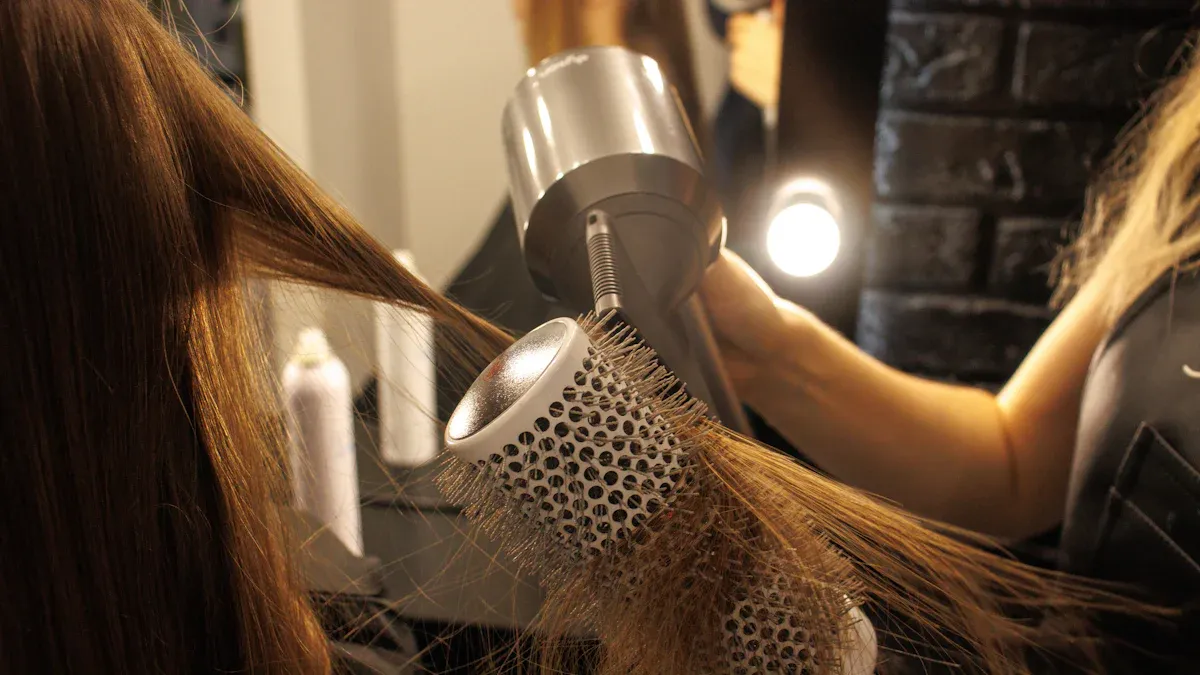
Choosing between a hair dryer brush and a traditional blow dryer depends on a user’s primary goal. The brush offers quick and convenient methods for an easy blowout. A traditional hair dryer provides superior control to achieve a specific desired style.
A quality de sèche-cheveux leader, in a modern usine de sèche-cheveux might produce both a powerful Sèche-cheveux AC and an efficient Sèche-cheveux BLDC, each tool serving a different purpose in a styling routine.
The Hair Dryer Brush: Pros for an Effortless Blowout
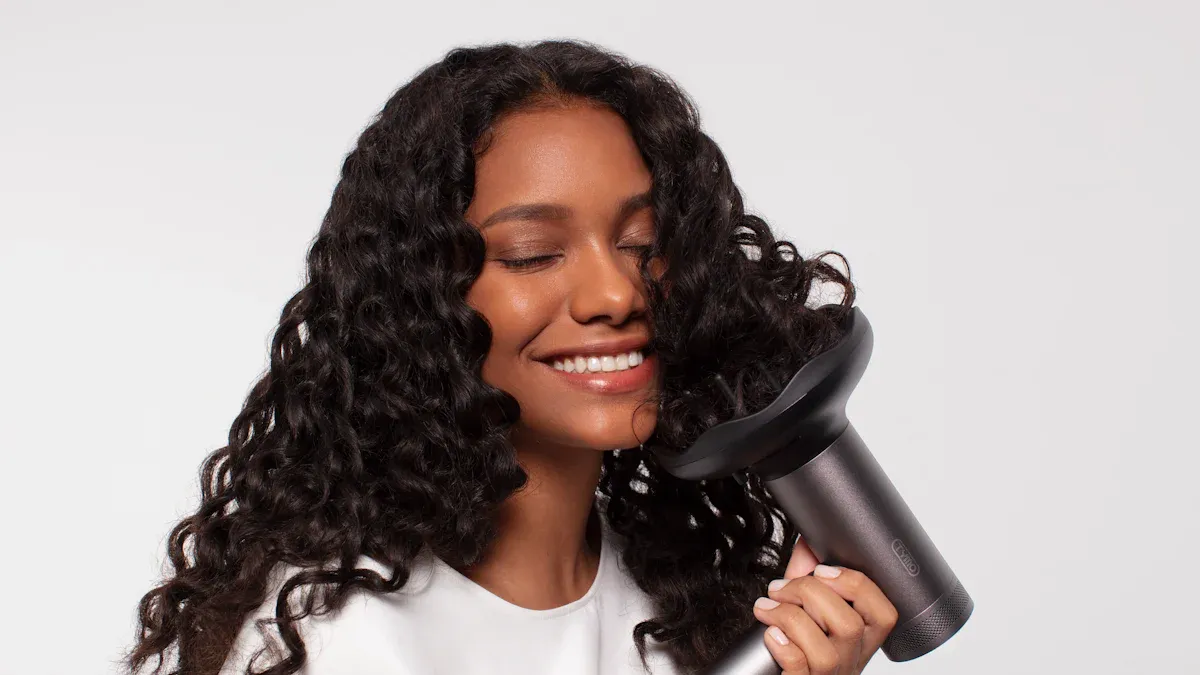
The primary pros of a heated brush stem from its clever design. It combines the functions of two separate tools into one, offering significant advantages in convenience and simplicity for users seeking a polished look with minimal fuss.
All-in-One Convenience
Dries and Styles Simultaneously
A volumizing airbrush streamlines the styling process. It pushes heated air through vents in the barrel, drying the hair as its bristles grip and shape each section. This dual-action capability transforms damp hair into a finished style in a single pass, eliminating the need for a two-step drying and styling routine.
Reduces Styling Time
This integrated approach dramatically cuts down on styling time. Users no longer need to rough dry their hair first and then go back through it with a round brush and dryer. The efficiency of this all-in-one tool makes it an ideal choice for busy mornings or quick touch-ups.
Unmatched Ease of Use
Perfect for Beginners
The learning curve for a heated airbrush is minimal. Individuals who struggle with the coordination required for a traditional blowout will find this tool much easier to use. Its intuitive design allows anyone to achieve salon-quality results without extensive practice.
No Juggling Tools
One of the biggest pros is the elimination of tool juggling. A user holds one lightweight device instead of managing a heavy dryer in one hand and a brush in the other. This single-handed operation provides greater control and significantly reduces arm fatigue.
Achieving a Smooth, Voluminous Finish
Tames Frizz and Adds Shine
Most modern airbrush models feature ceramic-coated barrels and ionic technology. These features ensure even heat distribution and neutralize static, which helps to seal the hair cuticle. The result is a smoother, shinier finish with noticeably less frizz. A quality volumizing airbrush provides a sleek, polished appearance.
Consistent Results with Less Skill
A hair dryer brush delivers consistent, beautiful results. The combination of tension from the bristles and direct airflow creates a smooth, volumizing blowout every time. This tool is excellent for achieving long-lasting volume at the roots and a soft bend at the ends. Many top-rated products demonstrate these benefits.
For example, a popular airbrush on the market showcases the key features that make this tool so effective for a volumizing style:
- Il detangles, dries, and styles in one step.
- The oval barrel with vertical airflow vents provides fast, powerful performance.
- A ceramic-coated barrel and ionic generator work together to add shine and reduce frizz.
- It includes multiple heat settings to suit any hair type, plus a bonus pik for extra root lift.
The Hair Dryer Brush: Cons to Consider Before Buying
While the hair dryer brush excels at convenience, it is not without its drawbacks. Users should weigh these cons carefully, as the tool’s limitations in versatility, heat application, and power can be significant depending on hair type and styling goals.
Limited Styling Versatility
Difficulty with Complex Styles
The design that makes the brush easy to use also restricts its creative potential. The large, fixed barrel is excellent for creating a smooth, voluminous blowout. However, it is not suited for crafting diverse looks like tight curls, defined S-waves, or piecey, textured styles. Its singular function makes it less of a multi-purpose tool and more of a specialist for one specific look.
Less Precision for Roots and Ends
The bulky size of the barrel makes precision styling a challenge. Achieving significant lift directly at the root without affecting the mid-lengths is difficult. Similarly, trying to create a specific flick or bend on just the ends or styling short bangs requires a level of control that the large surface area does not easily permit.
Potential for Heat Damage
Direct and Prolonged Heat Contact
Unlike a traditional dryer that blows hot air from a distance, a dryer brush places a heated barrel in direct contact with the hair. As the user slowly pulls the brush through each section, the hair is exposed to prolonged, direct heat. This method increases the risk of potential damage, especially if the tool is held in one spot for too long.
Importance of Temperature Control
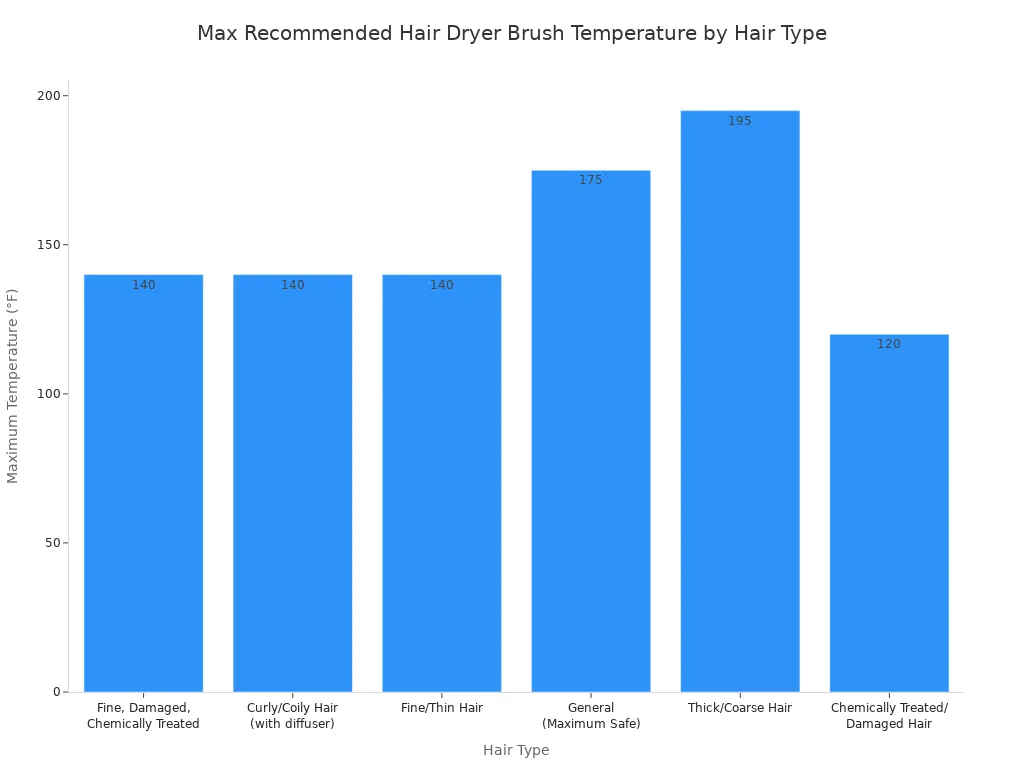
Managing heat is critical to mitigating damage. One of the major cons of cheaper models is a lack of adequate temperature settings. Using a temperature that is too high for your hair type can quickly lead to dryness, breakage, and split ends. It is essential to choose a model with multiple settings and always use the lowest temperature that effectively styles the hair.
Note : Always select the appropriate heat setting for your hair. Fine or chemically treated hair requires much lower heat than thick, coarse hair to prevent damage.
Power and Drying Efficiency
Slower on Very Thick or Coarse Hair
Power is a key differentiator. A traditional hair dryer can have a motor of 1800 watts ou plus, producing powerful airflow. In contrast, a hair dryer brush typically operates at a lower power, often around 1000 watts. This lower wattage means it can take significantly longer to dry very thick, coarse, or dense hair, reducing its time-saving benefit for those users.
Not Ideal for Rough Drying
The tool is designed to style damp hair, not dry soaking wet hair. For optimal results and to minimize heat exposure, users should first towel-dry or air-dry their hair until it is about 80% dry. This means it is not a true one-step solution from wet to styled, adding a preliminary drying phase to the process.
The Traditional Blow Dryer: Pros of a Classic Tool
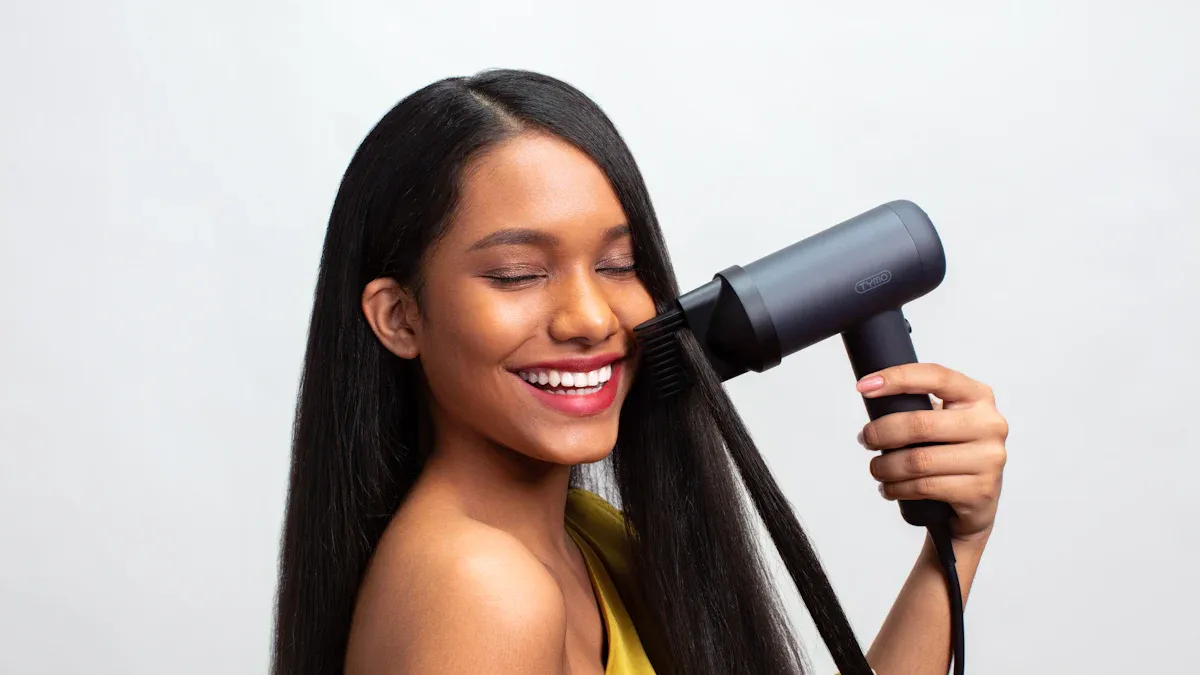
The traditional blow dryer remains a staple for both salon professionals and home users for good reason. Its primary pros are rooted in its raw power, precision, and unmatched styling flexibility, offering users complete authority over their final look.
Superior Drying Power
Faster Drying for All Hair Types
A classic dryer excels at removing moisture quickly and efficiently. Its powerful motor generates a strong, consistent stream of air. This capability makes it significantly faster for drying all hair types, especially for individuals with very thick, coarse, or long hair that holds a lot of water.
High Wattage and Airflow
The performance of a traditional blow dryer comes from its engineering. Most high-quality consumer models operate around 1875 watts, providing substantial heat and power. When this is paired with an optimal airflow of 50 cubic feet per minute (CFM) or more, the tool can dry hair rapidly without relying solely on high temperatures.
Ultimate Styling Control and Precision
Perfect for Section-by-Section Styling
This tool gives users greater control for detailed styling. Working with a round brush and sectioning clips allows a user to shape hair with exactness. This method is perfect for creating specific styles like curtain bangs, where each section requires individual attention. The right tools provide the necessary control for a professional finish.
| Tool Category | Specific Item | Professional Benefit |
|---|---|---|
| Blow Dryer | Variable heat/speed settings | Precise control for different hair types |
| Brush | Medium-barrel round brush | Creates proper curve and lift |
| Sectioning | Wide-tooth comb & clips | Clean parts and controlled sections |
| Finishing | Cool shot feature | Sets style for longer hold |
Creating Diverse Looks
The ability to manipulate airflow and use different brushes gives the user immense styling flexibility. A traditional blow dryer is not limited to one look. It can help create everything from sleek, pin-straight hair to bouncy, voluminous curls or soft waves, making it a truly versatile instrument for creative expression.
Versatility Through Attachments
One of the biggest pros of this tool is its adaptability through attachments. Different nozzles transform its function to suit specific hair types and styling goals.
Using Nozzles for Sleek Styles
A concentrator nozzle is essential for achieving a smooth, polished finish. It narrows the airflow into a concentrated stream. This focused air helps to seal the hair cuticle, which reduces frizz and boosts shine for a sleek look.
Using Diffusers for Curls
A diffuser attachment is a game-changer for those with natural texture. It disperses the airflow over a wider area, which gently dries curls and waves without disturbing their pattern. This process enhances definition, minimizes frizz, and adds volume.
Attachment Guide: Nozzle vs. Diffuser
Type de buse Fonction Idéal Pour Benefits 600g Directs airflow to specific areas Straight or wavy hair Precision styling, reduced frizz, enhanced shine Diffuseur Disperses airflow evenly Curly or wavy hair Defines curls, reduces frizz, adds volume
The Traditional Blow Dryer: Cons and the Learning Curve
Despite its power and versatility, the traditional blow dryer has several cons. These drawbacks relate to its operational difficulty, the time commitment it requires, and the potential for hair damage if used improperly.
Requires More Skill and Coordination
The Challenge of Using a Brush and Dryer
Using this tool effectively demands significant dexterity. A user must simultaneously operate the dryer with one hand while maneuvering a round brush with the other. This two-handed technique can cause arm fatigue and presents a considerable challenge for those who lack coordination.
Steeper Learning Curve
Mastering a traditional dryer takes practice. Unlike the intuitive design of a dryer brush, achieving a professional-looking blowout requires learning specific techniques. Users must understand how to properly section hair, create tension with a brush, and angle the airflow for a smooth finish. This learning curve can be frustrating for beginners.
Potentially More Time-Consuming
The Two-Step Process
The styling process is multi-phased, which can increase the total time spent. A user typically rough dries their hair to about 80% before beginning the detailed styling work. This separation of drying and styling makes the overall routine longer.
While a powerful dryer removes moisture quickly, the complete styling process is often slower than with an all-in-one tool.
- A blow dry brush can deliver a finished style in as little as six minutes.
- A traditional dryer often requires an extra fifteen minutes for careful sectioning and brush work to achieve a detailed look.
Requires More Equipment
Achieving a great blowout requires more than just the dryer itself. A user needs a collection of tools, including a comb for sectioning, multiple clips to hold hair back, and at least one round brush. This need for extra equipment makes the process more complex and less portable.
Risk of Heat Damage
High Heat Settings Can Burn Hair
One of the biggest cons is the risk of heat damage. The high temperatures that make a traditional blow dryer so powerful can also scorch hair strands. Excessive heat strips moisture and weakens the hair’s protein structure, leading to noticeable problems.
Signs of Heat Damage to Watch For ⚠️
- Sécheresse et Fragilité: Les cheveux sont rêches, s'emmêlent facilement et perdent leur éclat naturel.
- Cassants et Fourches: Les mèches cassent facilement et les pointes paraissent effilochées ou fourchues.
- Perte de Texture: Les cheveux bouclés peuvent perdre leur ressort, tandis que les cheveux lisses peuvent devenir rêches.
- Décoloration de la Couleur: La chaleur intense peut entraîner la décoloration des cheveux naturels ou colorés, ou leur donner des reflets cuivrés.
Application Inégale de la Chaleur
Une technique inappropriée peut conduire à une exposition thermique inégale. Maintenir la buse trop près des cheveux ou concentrer le flux d'air sur une section trop longtemps crée des points chauds pouvant causer des dommages sévères. Ce manque de contrôle constant peut être plus nocif que la chaleur régulée d'une brosse soufflante.
Comparaison Directe : Brosse Soufflante vs. Sèche-cheveux Traditionnel
L'analyse des principales différences entre ces outils révèle des avantages et inconvénients distincts pour chacun. Le meilleur choix dépend entièrement des priorités de l'utilisateur, du temps disponible au style spécifique qu'il souhaite obtenir.
Rapidité et Efficacité
Vainqueur pour un Coiffage Rapide
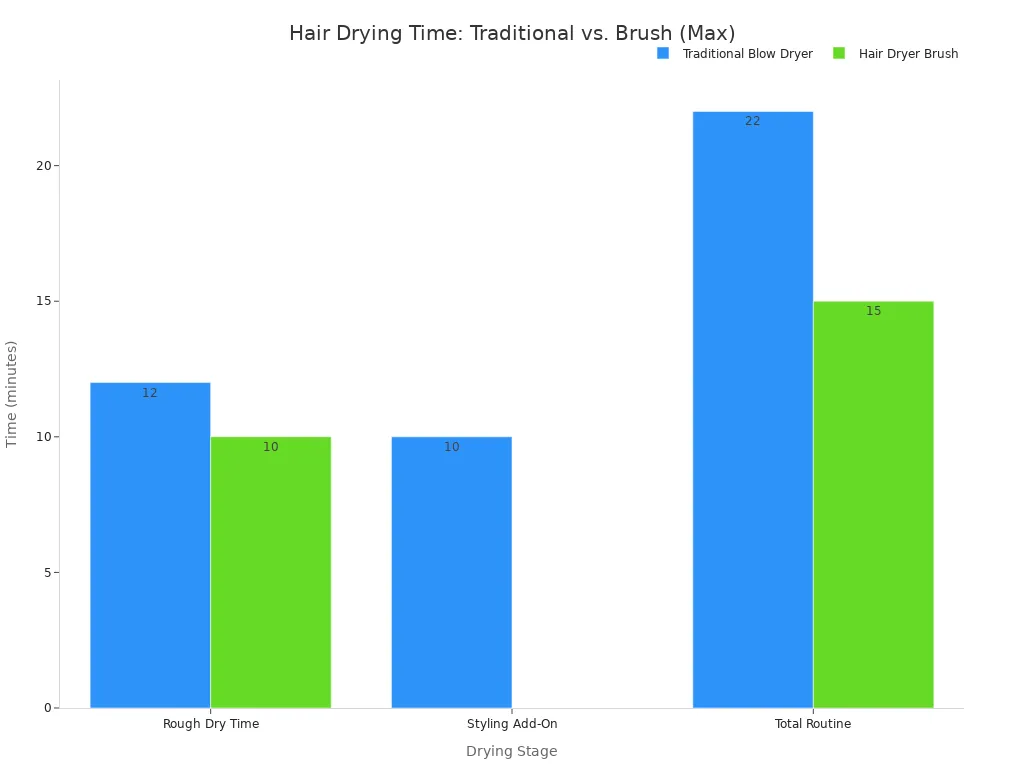
La brosse soufflante est la championne incontestée pour un style fini et rapide. Sa conception tout-en-un sèche et façonne les cheveux simultanément, réduisant considérablement le temps total de la routine. Une personne avec des cheveux aux épaules peut gagner 5 à 10 minutes sur son emploi du temps matinal, transformant un processus de 20 minutes en une session optimisée de 12 minutes.
| Aspect | Sèche-cheveux Traditionnel | Brosse Soufflante |
|---|---|---|
| Temps de Sèchage Approximatif (cheveux aux épaules) | 8-12 minutes | 7-10 minutes |
| Temps de Coiffage Supplémentaire | 7-10 minutes (avec brosse séparée) | Intégré (0 supplémentaire) |
| Routine Totale | 15-22 minutes | 7-15 minutes |
Vainqueur pour la Puissance de Sèchage Pure
Un sèche-cheveux traditionnel excelle en capacité de séchage brute. Équipé d'un moteur plus puissant, il déplace un plus grand volume d'air pour éliminer l'humidité des cheveux avec une rapidité inégalée. Cela en fait le choix supérieur pour sécher rapidement des cheveux très épais, rêches ou longs avant de commencer le coiffage.
Facilité d'Utilisation
Meilleur pour les Débutants
La brosse soufflante est exceptionnellement conviviale pour les débutants. Sa conception intuitive élimine le défi de coordination lié à l'utilisation de deux outils séparés. Cette simplicité permet à quiconque d'obtenir un look soigné avec un minimum de pratique.
- Utilisation à Une Main: Elle combine séchage et coiffage, libérant une main.
- Compétence Minimale Requise: L'utilisateur peut simplement brosser ses cheveux pour les sécher et les lisser.
- Fonctionnalité Intégrée: La conception de l'outil rend l'obtention d'un résultat digne d'un salon presque infaillible.
Meilleur pour les Utilisateurs Expérimentés
Les coiffeurs expérimentés et les utilisateurs à domicile compétents préfèrent souvent un sèche-cheveux traditionnel pour son contrôle supérieur. La capacité à manipuler le flux d'air, la tension, et différentes brosses offre la précision nécessaire pour des résultats de niveau professionnel. Ce contrôle est essentiel pour personnaliser les styles en fonction du type et de la texture des cheveux.
Les coiffeurs chevronnés valorisent l'efficacité et le contrôle. Bien que les sèche-cheveux à haute vitesse soient souvent préférés pour créer des styles lisses rapidement, les réglages de chaleur plus douce d'un sèche-cheveux traditionnel offrent un avantage clé pour les clients aux cheveux fins ou sensibles à la chaleur.
Résultats Finaux de Coiffage
Pour un Lissage Lisse et Quotidien
La brosse soufflante offre une finition lisse et volumineuse excellente, parfaite pour un usage quotidien. Elle produit systématiquement un aspect plus plein en soulevant les cheveux à la racine. Bien qu'elle puisse manquer de la finesse ultra-soignée d'un brushing de salon, sa commodité en fait l'outil idéal pour un coiffage à domicile rapide, pratique et attrayant.
Pour la Précision et la Polyvalence
Le sèche-cheveux traditionnel offre une précision inégalée et une polyvalence de coiffage. Associé à un arsenal de brosses rondes de différentes tailles, il permet à l'utilisateur de créer une large gamme de looks.
- Boucles et Vagues Définies: Les brosses de petit diamètre créent des courbes plus serrées et du rebond.
- Sharp Bobs and Layers: Precise airflow and brush tension define sharp lines.
- Customized Volume: A stylist can control lift and shape section by section.
This tool combination allows for the tension and manipulation required to achieve complex, long-lasting, and highly polished styles that a single tool cannot replicate.
Hair Health: Which Tool is Safer for Your Hair?
When it comes to hair health, neither tool is inherently “safe” or “dangerous.” The potential for damage depends entirely on the heat application method and the user’s technique. Understanding these differences is key to protecting hair from harm.
Understanding Heat Damage
Heat styling tools can damage hair in two primary ways: through direct thermal exposure and through physical, mechanical stress. Both the hair dryer brush and the traditional dryer present unique risks in these areas.
Direct vs. Indirect Heat Exposure
A Un sèche-cheveux traditionnel uses indirect heat, pushing hot air over the hair from a distance. A hair dryer brush, however, places a heated barrel in direct contact with the hair strands. This direct contact increases the risk of localized overheating if the tool is held in one spot for too long.
| Facteur | Sèche-cheveux traditionnel | Brosse Soufflante |
|---|---|---|
| Répartition de la chaleur | Broad, indirect airflow | Direct, localized contact |
| Risque de surchauffe | Moderate (with misuse) | Higher (due to contact) |
Mechanical Stress and Breakage
Both tools can cause physical damage. The bristles of a hair dryer brush create tension to smooth the hair, but this pulling action on wet, fragile strands can lead to breakage. Similarly, aggressive pulling with a round brush while using a traditional dryer can cause the same mechanical stress.
Best Practices for Hair Protection
Users can significantly mitigate heat damage by adopting a few simple, non-negotiable habits. Proper preparation and mindful operation are the best defense against dryness and breakage.
Le protecteur thermique non négociable
A quality heat protectant is essential before any heat is applied. It creates a protective barrier on the hair shaft, reducing moisture loss. For best results, users should follow a consistent application method.
Pro Tip: Applying Heat Protectant 🛡️
- Start with towel-dried or damp hair, not soaking wet hair.
- Spray the product evenly from roots to ends, section by section.
- Focus on the mid-lengths and ends, which are older and more prone to damage.
- Comb the product through to ensure even distribution before drying.
Always follow the specific directions on the product bottle to determine the correct amount to use for your hair type.
Using the Correct Temperature Settings
Using the right temperature is crucial. High heat is not always necessary and is a primary cause of damage. A lower temperature setting is always gentler on hair. For thin or brittle hair, it is best to keep the temperature below 280°F. Thicker, coarser hair can handle more heat, typically between 375°F and 400°F, but exceeding this range can cause significant harm.
Matching the Tool to Your Hair Type
Selecting the right styling tool depends heavily on a person’s natural hair texture. Each hair type has unique needs that one tool may serve better than the other.
For Fine and Thin Hair
The Volumizing Airbrush Advantage
Fine hair is prone to heat damage and can fall flat easily. A volumizing airbrush is an excellent choice for this hair type. Its lower heat settings and direct contact provide gentle, even drying. The brush barrel lifts hair at the root, creating a lasting volumizing effect without the high-powered blast of a traditional dryer. This tool makes achieving a fuller look simple. A quality volumizing airbrush can add body and shine.
Using a Traditional Dryer for Volume
A Un sèche-cheveux traditionnel can also create volume for fine hair with the right technique. A user should pair the dryer with a round brush and a root-lifting product. The key is to use a lower heat setting and a concentrator nozzle. This method offers more control for targeted volumizing but requires more skill than an airbrush.
For Thick and Coarse Hair
Why a Traditional Dryer Excels
Thick and coarse hair holds a lot of moisture. A traditional blow dryer with a powerful motor is the most efficient tool for this hair type. Its high airflow removes water quickly, significantly cutting down on overall drying time. The power of a traditional dryer makes managing dense hair much easier.
How to Use a Dryer Brush Effectively
A user with thick hair can still use a volumizing airbrush. The process requires some preparation. A person should first rough dry their hair to about 80% dry with a traditional dryer. Working in smaller, more manageable sections helps the airbrush dry the hair evenly and create a smooth finish.
For Curly and Wavy Hair
The Diffuser is Your Best Friend
A traditional dryer with a diffuser attachment is the gold standard for curly and wavy hair. This combination preserves and enhances natural texture. 👩🦱
How a Diffuser Protects Curls:
- Il spreads the airflow over a large area, drying hair gently without disturbing the curl pattern.
- The gentle drying process minimizes frizz and enhances curl definition.
- For extra lift, a user can flip their hair upside down while diffusing to create more root volume.
Can a Dryer Brush Work for Curls?
A volumizing airbrush is generally not recommended for preserving natural curls. The brushing motion and tension are designed to straighten and smooth the hair. This action pulls out the natural curl pattern, resulting in a wavy blowout rather than defined curls. While a volumizing airbrush can create a different style, it does not enhance existing curls. An airbrush is better for a volumizing, straightened look.
Key Features to Look For When Shopping
Choosing the right hair styling tool requires careful consideration of its features. Whether you opt for an all-in-one device or a classic dryer, understanding the key specifications will help you select the best option for your hair type and styling goals.
Choosing the Right Hair Dryer Brush
A Sèche-cheveux à brosse is a fantastic tool for achieving a salon-quality blowout at home. To find the right one, pay close attention to its construction and settings.
Bristle Type and Barrel Material
The material of the barrel and the type of bristles directly impact the health and appearance of your hair. Many models feature a ceramic or tourmaline-coated barrel. These materials distribute heat evenly, which helps to minimize heat damage. They also release negative ions that seal the hair cuticle, reducing frizz and enhancing shine for a smoother finish.
The bristles determine how the tool grips and styles your hair.
- Soies de nylon: These are great for detangling and work well on thick or coarse hair.
- Boar Bristles: These are gentler, helping to distribute natural oils from the scalp for added shine and softness.
- Combination Bristles: A mix of nylon and boar bristles offers the best of both worlds, providing both detangling power and a smooth, polished result. A good volumizing airbrush often uses this combination for effective styling.
Temperature and Speed Settings
Controlling the heat is crucial for preventing damage. A quality airbrush should offer multiple heat and speed settings to accommodate different hair types and textures. Fine or damaged hair requires lower temperatures, while thicker, coarser hair may need more heat to style effectively. Having a cool shot button is also a valuable feature, as it helps to set your style for a longer-lasting, volumateur hold. The design of the airbrush barrel, combined with the right settings, is key to achieving that perfect, bouncy look.
Choosing the Right Traditional Blow Dryer
A traditional blow dryer remains a staple for its power and versatility. When shopping for one, consider its technical specifications and the attachments it includes.
Wattage, Weight, and Technology
Wattage is a primary indicator of a dryer’s power. A higher wattage generally means a more powerful motor and faster drying time. For those with thick, coarse hair, a dryer with 1875 watts or more is ideal. Lighter, more manageable hair types can use a model in the 1200-1600 watt range to prevent over-drying. The weight of the dryer is also important, as a lighter model reduces arm fatigue during styling.
Modern hair dryers also incorporate advanced features for better hair health. Ionic technology releases negative ions that break down water molecules, leading to quicker drying with less heat exposure and reduced frizz. Infrared heat is another beneficial feature, as it penetrates the hair shaft to dry it gently from the inside out, resulting in a smoother, shinier finish.
Essential Attachments to Get
The true versatility of a traditional blow dryer comes from its attachments. A concentrator nozzle is a must-have for creating sleek, straight styles, as it focuses the airflow for precise styling. For those with curly or wavy hair, a diffuser is essential. It disperses the air gently to enhance natural curl patterns without causing frizz, adding beautiful, volumateur definition. A good volumizing airbrush can create a similar effect, but a diffuser on a traditional dryer is specifically designed for this purpose. This makes the airbrush a great tool for achieving a smooth, volumateur blowout.
A user prioritizing a quick, simple routine should choose the hair dryer brush. This tool saves time and delivers a consistently smooth blowout with minimal effort. In contrast, a traditional blow dryer is the superior option for those who need maximum power and precision to achieve a specific desired style. Ultimately, the right choice depends on a user’s hair type, skill level, and personal preference. The final decision should reflect a personal preference for either convenience or styling versatility.
FAQ
Can a user use a hair dryer brush on wet hair?
A user should avoid using a hair dryer brush on soaking wet hair. For best results and to minimize damage, they should first towel-dry or air-dry hair until it is about 80% dry. This preparation ensures a smoother, faster styling process with the airbrush.
Which tool is better for creating volume?
Both tools can create volume. A volumizing airbrush offers an easy, all-in-one solution for lifting roots. A traditional dryer, paired with a round brush and a concentrator nozzle, provides more precise control for targeted lift, though it requires more skill to master.
Is a hair dryer brush good for travel? ✈️
A hair dryer brush is an excellent travel companion. Its all-in-one design combines a brush and dryer, saving space in luggage. A user no longer needs to pack multiple styling tools, making it a convenient option for trips. Many brands also offer compact or travel-sized models.
Can a user straighten hair with a traditional dryer?
Yes, a Un sèche-cheveux traditionnel is very effective for straightening hair. A user can achieve a sleek, straight style by using a concentrator nozzle and a paddle or round brush. The focused airflow and brush tension work together to smooth the hair cuticle for a polished finish.
Which tool causes less damage?
Neither tool is inherently safer. Damage depends on usage. A hair dryer brush has direct heat contact, while a traditional dryer can have very high temperatures.
Astuce de pro : Always use a heat protectant and the lowest effective temperature setting to protect hair health regardless of the tool.
Do professionals use hair dryer brushes?
Professionals primarily use traditional blow dryers for their power, precision, and versatility with attachments. However, some stylists may use a volumizing airbrush for quick touch-ups or to create a specific type of soft, voluminous blowout. The traditional dryer remains the salon standard for custom styling.