
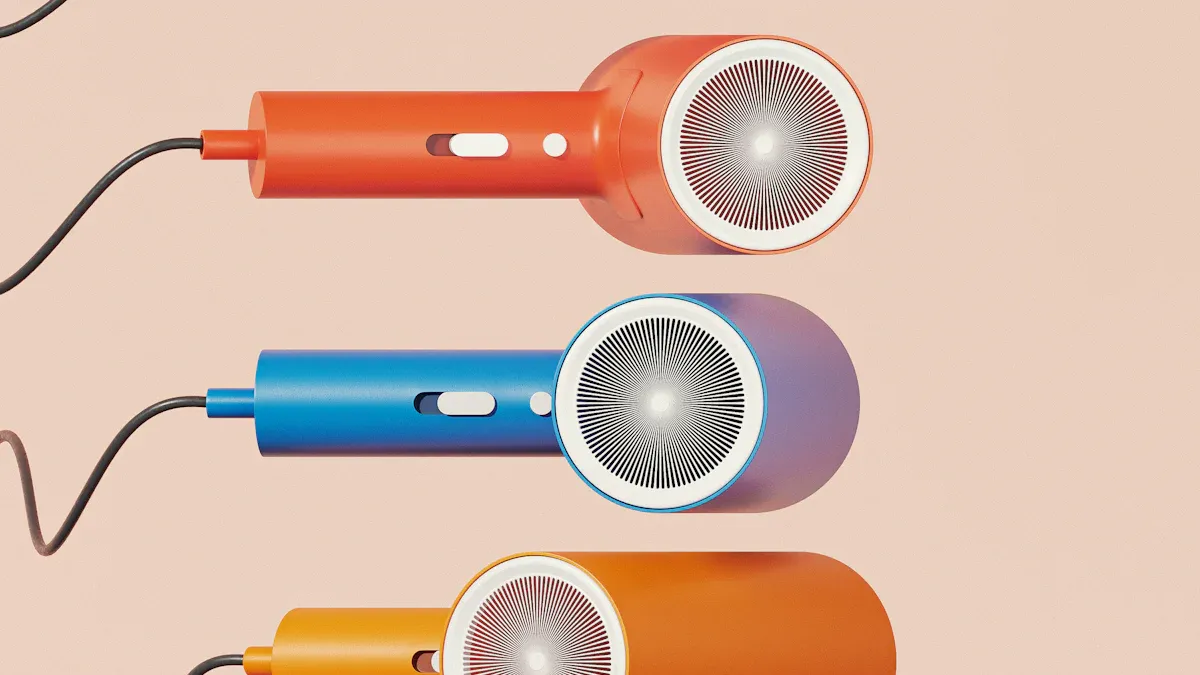
A bonnet hair dryer surrounds the head with a hood, delivering heat evenly, while a regular Фен с BLDC двигателем или Фен с AC двигателем directs airflow with a handheld design. This distinction affects hair drying results and long-term hair health. Leading experts highlight that regular dryers often offer better heat control and reduce scalp issues. The choice of tool, whether from a производителем фенов или заводом по производству фенов, influences outcomes for various hair types.
| Expert | Opinion |
|---|---|
| Dr. Emily Smith, Dermatologist | Hair dryer caps may distribute heat unevenly, risking damage, while traditional blow dryers offer better control and protection. |
| Prof. Michael Johnson, Hair Care Specialist | Hair dryer caps can trap moisture, increasing the risk of bacteria, whereas regular blow dryers dry hair faster and minimize scalp issues. |
| Dr. Lisa Anderson, Cosmetic Chemist | Prolonged heat exposure from caps can weaken hair proteins, leading to frizz; modern blow dryers with heat control are preferable. |
| Dr. Mark Roberts, Trichologist | Hair dryer caps can disrupt natural texture and cause dryness, while traditional blow dryers provide better airflow and reduce overdrying. |
What Is a Bonnet Hair Dryer (Hood Hair Dryer)?
How a Bonnet Hair Dryer Works
Design and Function of Hooded Hair Dryers
A hood hair dryer features a large, rounded hood that fits over the entire head. This design allows the device to circulate warm air evenly around the hair and scalp. Unlike handheld dryers, hooded hair dryers do not require manual movement. The user sits comfortably while the machine delivers consistent heat. Many models include a hair dryer cap, which helps trap heat and moisture for more effective drying or conditioning treatments. The soft bonnet dryer, a popular variation, uses a flexible cap connected to a portable unit, making it suitable for home or travel use.
Typical Usage for Hair Dryer Cap Styles
People often use a hair dryer cap for deep conditioning, roller sets, or gentle drying. The cap style ensures that heat reaches every section of the hair, which is especially beneficial for those with thick or curly textures. Hood hair dryer models support various cap sizes and materials, allowing users to choose the best fit for their needs. Many individuals select a hair dryer cap to enhance the results of treatments or to minimize frizz and breakage.
Common Features of Bonnet Hair Dryers
Heat Settings and Controls
Manufacturers equip hooded hair dryers with multiple heat settings and timers. These controls allow users to customize the drying process based on hair type and desired results. Some models offer advanced features such as ionic or infrared technology, which help reduce static and improve hair health. The hair dryer cap works in tandem with these settings to deliver even, gentle heat.
Size, Portability, and Hair Dryer Cap Variations
Bonnet hair dryer models vary in size and portability. Some feature adjustable heights and large hoods for salon use, while others offer compact designs for home or travel. The following table highlights common features found in hooded hair dryers:
| Особенность | Описание |
|---|---|
| Adjustable Height | Да |
| Hood Size | Large or Small depending on model |
| Мощность | Ranges from 500 to 1,200 watts |
| Портативность | Yes (some models are portable) |
| Дополнительные функции | Timers, auto shut-off, ionic technology, infrared tech |
Who Uses Bonnet Hair Dryers?
Salon Professionals and Hooded Hair Dryers
Salon professionals rely on hood hair dryer units for consistent, hands-free drying. These devices allow stylists to perform multiple tasks while clients receive treatments. Hooded hair dryers support a range of services, including roller sets, color processing, and deep conditioning. The hair dryer cap ensures even heat distribution, which is essential for professional results.
At-Home Users and Hair Dryer Cap Benefits
Many at-home users choose a bonnet hair dryer for its convenience and ease of use. The hair dryer cap provides a gentle drying experience, making it ideal for individuals with natural or chemically treated hair. People with busy schedules appreciate the ability to multitask while using a hood hair dryer. Travel users also benefit from portable models, which offer salon-quality results on the go.
Expert opinions on hair dryer cap highlight its role in reducing heat damage and supporting healthy hair routines.
The following groups frequently use hooded hair dryers and hair dryer caps:
- Home users value convenience and comfort.
- Travel users seek portability and efficiency.
- Consumers with natural or chemically treated hair prefer gentle, even drying.
What Is a Regular Hair Dryer?
How a Regular Blow Dryer Works
Design and Function Compared to Hair Dryer Cap
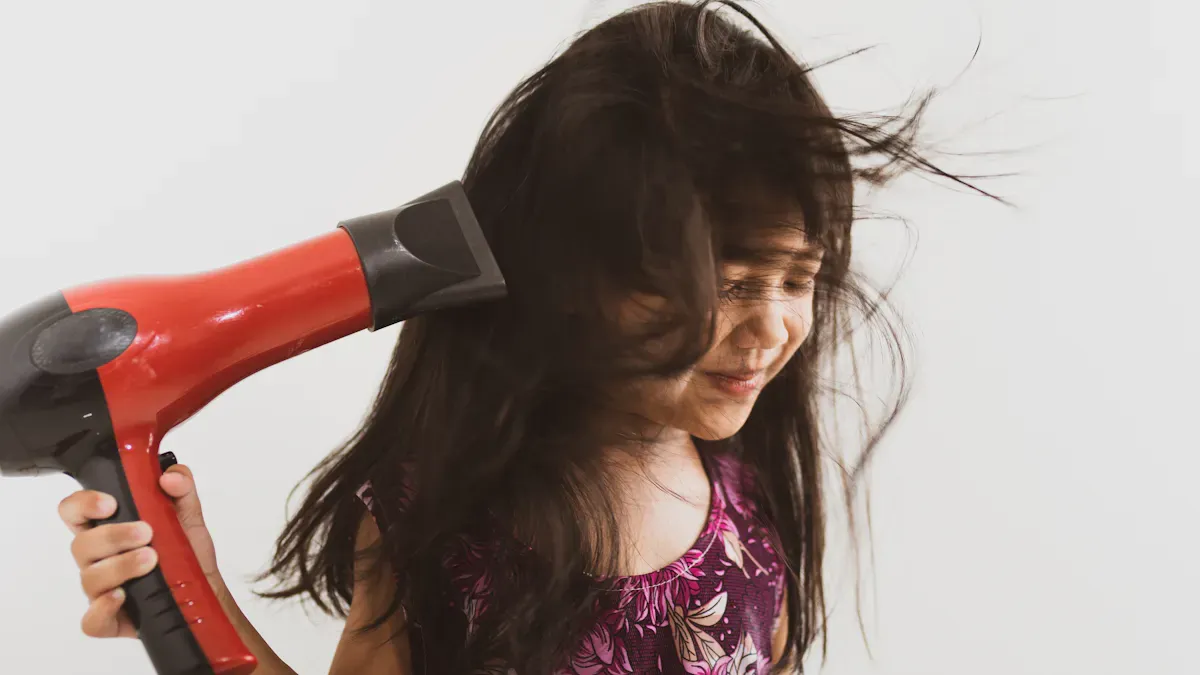
A regular blow dryer, also known as a handheld hair dryer, features a compact body with a handle and a nozzle that directs airflow. Users hold the device and move it around the head to target specific sections of hair. This design contrasts with bonnet dryers, which cover the entire head and provide hands-free operation. Traditional handheld dryers allow for active styling, enabling users to shape, smooth, or add volume by focusing heat and airflow where needed. The concentrated airflow helps achieve sleek finishes or defined curls, depending on the technique and attachments used.
- Handheld dryers are designed for active styling and precise control.
- Bonnet dryers deliver gentle, consistent heat for hands-free drying and treatments.
- The hood of a bonnet dryer distributes air evenly, while a regular dryer focuses heat on small sections.
Typical Usage for Everyday Styling
People use regular blow-drying techniques for quick and efficient hair drying. This method suits those who want to style their hair daily, whether at home or in a salon. Regular dryers excel at smoothing, straightening, or adding lift to hair. Many individuals rely on traditional blow-drying for its speed and versatility, making it a staple in both personal and professional routines.
Common Features of Regular Hair Dryers
Режимы температуры и скорости
Most regular hair dryers offer adjustable heat and speed settings. These controls allow users to tailor the drying process to their hair type and desired style. Higher wattage models provide faster drying times, while lower wattage options suit delicate or fine hair. Newer models may include brushless motors, which enhance durability and reduce noise. Many devices also feature ionic or ceramic technology to minimize frizz and protect hair health.
- Adjustable heat and speed settings for customizable control.
- Ionic technology reduces frizz and enhances shine.
- Ceramic components ensure even heat distribution.
Attachments (Diffuser, Concentrator)
Regular hair dryers often come with attachments that expand their styling capabilities. The concentrator nozzle directs airflow for smooth, straight styles, while the diffuser disperses air to enhance natural curls and reduce frizz. These accessories help users achieve a variety of looks with one tool.
- Adjustable heat settings prevent damage for different hair types.
- Multiple speed settings support various styling options.
- Concentrator nozzles and diffusers provide precision and versatility.
| Blow Dryer Type | Плюсы | Минусы |
|---|---|---|
| Regular Blow Dryer | Simple, effective for basic drying needs | Lacks advanced features |
| Blow-Dry Brushes | Combines drying and styling in one tool | May not dry as quickly as a regular dryer |
| Hot Brushes | Easy to use for styling while drying | Can be more expensive |
| Air Wraps | Minimizes heat damage, versatile styling | Более высокая ценовая категория |
| Высокотехнологичные сушилки | Advanced technology, faster drying, durable | More expensive than budget options |
Who Uses Regular Hair Dryers?
Everyday Users and On-the-Go Styling
Busy professionals and students often choose regular hair dryers for their speed and convenience. These devices fit easily into daily routines, allowing users to dry and style hair quickly before work or school. Both men and women seek professional-quality results at home, making regular dryers a popular choice.
- Busy professionals prioritize quick drying и эффективной укладки.
- Both men and women value professional-quality results.
Professional Stylists and Precision Control
Salon professionals depend on regular hair dryers for their precision and versatility. Stylists use these tools to create a wide range of looks, from sleek blowouts to voluminous curls. The ability to control airflow and temperature ensures optimal results for every client. Past experiences and expectations influence hair dryer preferences, with younger consumers often dominating the market for new models and features.
Comparing Blow Dryer vs Hair Dryer Cap: Side-by-Side
Convenience and Ease of Use
Hands-Free (Bonnet) vs. Handheld (Regular)
Bonnet hair dryers, often called hooded hair dryers, provide a hands-free experience. Users can relax, read, or multitask while the hair dryer cap surrounds the head with gentle, even heat. This design appeals to those who value comfort and the ability to perform other tasks during drying. In contrast, regular blow dryers require users to hold and maneuver the device, which can lead to arm fatigue during longer sessions. The handheld approach offers more direct control but less convenience for multitasking.
Setup, Storage, and Portability
When considering setup and storage, regular blow dryers typically win in terms of portability. Their compact size and lightweight design make them easy to store in small spaces or pack for travel. Hooded hair dryers, especially those with a large hair dryer cap, may require more space and time to set up. Soft bonnet models improve portability, but still take up more room than a standard handheld dryer. Maintenance also differs. Bonnet hair dryers often need less frequent cleaning because their design reduces product and dust buildup. Regular hair dryers, on the other hand, usually feature removable filters and accessible vents, making routine cleaning straightforward but necessary to maintain performance.
| Особенность | Soft Bonnet Hair Dryers | Обычные фены |
|---|---|---|
| Распределение тепла | Even heat distribution to minimize damage | Concentrated heat, potential for unevenness |
| Метод сушки | Surrounds hair for gentle drying | Direct airflow, faster drying |
| Пользовательский опыт | Emphasizes comfort and ease of use | Generally more portable and quicker |
| Ценовой сегмент | Typically higher due to advanced features | Generally more affordable |
Styling Control and Versatility
Precision Styling with Regular Dryers
Regular blow dryers excel in precision styling. The user can direct airflow exactly where needed, making it easier to smooth, straighten, or add volume to specific sections. Attachments like concentrators and diffusers further enhance control, allowing for a wide range of styles. This level of precision is especially valuable for those who practice traditional blow-drying techniques or require quick touch-ups before heading out.
Versatility for Different Hairstyles
Hooded hair dryers, equipped with a hair dryer cap, offer versatility for treatments such as deep conditioning, roller sets, and gentle drying. These devices work well for individuals with thick, curly, or textured hair, as the cap ensures even heat reaches every strand. However, some models differ in performance.
The Tepenar bonnet features ventilation holes distributed more evenly throughout the hood, leading to balanced heat distribution and greater comfort during use. In contrast, the Granteva and Beaute Seoul models have concentrated ventilation holes, resulting in uneven drying and discomfort.
Regular blow dryers adapt to a variety of hair types and styles, making them a staple for both everyday users and professionals. The ability to switch between attachments and settings allows for creative freedom and efficient styling.
Heat Distribution and Hair Health
Evenness of Heat with Hooded Hair Dryers
Hooded hair dryers stand out for their ability to distribute heat evenly across the entire head. The hair dryer cap surrounds the hair, minimizing hot spots and reducing the risk of localized damage. This gentle approach supports hair health, especially during treatments that require prolonged heat exposure. Even heat distribution also helps maintain moisture and reduces frizz, which is crucial for those with delicate or chemically treated hair.
Impact on Hair Health and Damage Risk
Blow-drying, regardless of the device, can impact hair health. Studies indicate that blow-drying hair can lead to significantly more surface damage compared to air-drying. Heat damage manifests in various ways, including cuticle lifting, protein denaturation, moisture loss, and color fading. Cumulative heat damage from daily use necessitates protective measures to maintain hair health. Hooded hair dryers, with their even heat, may lower the risk of severe damage, but users should still monitor exposure time and temperature. Regular blow-drying, especially at high heat, increases the risk of uneven drying and potential hot spots, which can accelerate damage if not managed carefully.
When comparing blow dryer vs hair dryer cap, users should weigh the benefits of even heat and hands-free operation against the need for portability and precision. Both options require thoughtful use to protect hair health and achieve the desired style.
Скорость и эффективность сушки
Time Required for Different Hair Types
Drying speed varies significantly between bonnet hair dryers and regular blow dryers. Bonnet hair dryers, especially those with a hair dryer cap, deliver gentle, even heat. This process often takes longer than direct airflow methods. Users with thick or curly hair may spend 30 to 45 minutes under a hooded dryer. Fine or short hair typically dries faster, sometimes within 20 minutes. The hair dryer cap ensures that heat reaches every strand, but the lower intensity means a slower process.
Regular blow-drying offers faster results for most hair types. Direct airflow targets specific sections, allowing users to focus on areas that retain more moisture. Thick hair can dry in 15 to 25 minutes with a high-powered model. Fine hair may require only 8 to 12 minutes. The speed advantage of regular blow-drying appeals to those with busy schedules or limited time for styling.
Tip: For faster drying, towel-dry hair thoroughly before using any dryer. Removing excess water reduces overall drying time and minimizes heat exposure.
Efficiency for Thick, Curly, or Fine Hair
Efficiency depends on both the device and the user’s hair type. Bonnet hair dryers with a hair dryer cap excel at drying thick and curly hair evenly. The cap surrounds the head, ensuring consistent heat distribution. This method reduces the risk of hot spots and over-drying, which often occurs with direct airflow. Users with textured hair benefit from the gentle approach, as it helps maintain curl definition and moisture.
Regular blow-drying provides efficient results for fine or straight hair. The focused airflow dries hair quickly and allows for precise styling. However, thick or curly hair may require more effort and time to achieve a smooth finish. Attachments like diffusers can improve efficiency for curls, but the risk of frizz increases if the user does not control heat and speed settings.
| Тип волос | Bonnet Hair Dryer Efficiency | Regular Blow Dryer Efficiency |
|---|---|---|
| Thick/Curly | High (even, gentle drying) | Moderate (may cause frizz) |
| Fine/Straight | Moderate (slower process) | High (quick, precise) |
| Chemically Treated | High (protects hair health) | Moderate (requires care) |
Compatibility and Ideal Use Cases
Best Hair Types for Bonnet Hair Dryers
Bonnet hair dryers with a hair dryer cap suit individuals with thick, curly, or textured hair. The cap’s design ensures that heat envelops the entire head, which is essential for roller sets, deep conditioning, and chemical treatments. People with fragile or damaged hair also benefit from the gentle drying process. The hair dryer cap minimizes direct heat exposure, reducing the risk of breakage and split ends.
- Thick, curly, or coily hair types
- Individuals seeking deep conditioning treatments
- Users with chemically processed or fragile hair
Best Hair Types for Regular Hair Dryers
Regular blow dryers work best for those with fine, straight, or short hair. The direct airflow allows for quick drying and easy styling. Users who prefer sleek, smooth finishes or need to add volume benefit from the precision of regular blow-drying. The device also suits people who style their hair daily and require a tool that adapts to various looks.
- Fine or straight hair types
- Short hairstyles
- Individuals who prioritize speed and versatility
Styling Goals: Volume, Smoothness, Deep Conditioning
Styling goals influence the choice between a bonnet hair dryer and a regular blow dryer. The hair dryer cap excels at deep conditioning and moisture treatments. Users can apply a mask or oil, then sit under the hood for optimal absorption. This method supports hair health and enhances shine.
For those seeking volume or smoothness, regular blow-drying remains the preferred method. The user can lift roots with a round brush or smooth strands with a concentrator nozzle. Traditional blow-drying techniques create polished, salon-quality results. However, the hair dryer cap offers a unique advantage for setting curls or maintaining natural texture without disturbing the hair’s pattern.
Note: Selecting the right tool depends on hair type, desired style, and personal routine. Both options offer distinct benefits for different needs.
Pros and Cons of Bonnet Hair Dryer vs Regular Hair Dryer
Bonnet Hair Dryer (Hooded Hair Dryer) Pros
Gentle, Even Drying and Hair Health
A hood hair dryer provides gentle, even heat distribution across the scalp and hair. This approach reduces the risk of hot spots and minimizes heat damage. Many users with textured or fragile hair prefer this method because it helps maintain moisture and prevents breakage. The hood hair dryer surrounds the head, allowing for a consistent temperature that supports overall hair health. Blow-drying with this device often results in less frizz and smoother cuticles. The soft bonnet dryer variation offers a portable solution for those who want salon-quality results at home.
Great for Deep Conditioning and Treatments
A hood hair dryer excels at deep conditioning and specialized treatments. The enclosed design allows heat to penetrate hair masks and oils, improving absorption and effectiveness. Many people use this tool for roller sets, color processing, or protein treatments. Blow-drying under a hood hair dryer ensures that every strand receives the same level of care. This method works especially well for individuals who prioritize hair health and long-lasting results.
Tip: For best results, apply a deep conditioner and cover hair with a plastic cap before using a hood hair dryer. This technique maximizes moisture retention and treatment benefits.
Bonnet Hair Dryer Cons
Bulky, Less Portable, and Limited Styling Control
A hood hair dryer often takes up more space than a regular blow dryer. The large hood and base require dedicated storage, which may not suit small bathrooms or travel needs. Even the soft bonnet dryer, while more compact, still needs extra room compared to a handheld hair dryer. Users may find setup and breakdown time-consuming. Styling control remains limited, as the hood hair dryer does not allow for targeted airflow or advanced techniques like round brushing. Blow-drying with this device works best for set styles rather than intricate looks.
Regular Hair Dryer Pros
Versatile Styling and Precision
A regular blow dryer offers unmatched versatility and precision. Users can direct airflow to specific sections, making it easy to smooth, straighten, or add volume. Attachments like diffusers and concentrators expand styling options for all hair types. Blow-drying with a regular dryer supports creative freedom, from sleek blowouts to defined curls. Salon professionals rely on this tool for its adaptability and control.
Portable and Convenient for Travel
A regular blow dryer stands out for its portability and ease of use. The compact design fits easily into bags or suitcases, making it ideal for travel. Many users appreciate the quick setup and minimal storage requirements. According to user feedback and expert analysis, regular dryers create a more pleasant experience by reducing noise disturbances. This feature benefits individuals with anxiety or migraines. The quieter operation allows for multitasking and conversation during blow-drying. Users report feeling refreshed, without the buzzing or dizziness that loud dryers can cause. In salons, improved comfort leads to better client experiences and encourages repeat visits.
| Особенность | Bonnet Hair Dryer | Regular Hair Dryer |
|---|---|---|
| Метод сушки | Even, gentle heat | Direct, focused airflow |
| Универсальность укладки | Ограниченная | Высокий |
| Портативность | Bulky or semi-portable | Highly portable |
| Treatment Compatibility | Отличный | Умеренная |
| Комфорт использования | Hands-free, relaxing | Quick, customizable |
Regular Hair Dryer Cons
Potential for Heat Damage
Regular hair dryers present a significant risk of heat damage, especially when used frequently or at high temperatures. Excessive heat exposure can harm the hair cuticle, leading to issues such as cuticle lifting, protein denaturation, and moisture loss. These effects weaken the hair shaft and make strands more susceptible to breakage. Chemically treated hair faces an even greater risk, as high temperatures can accelerate color fading and increase dryness.
Studies show that blow-dried hair often displays more surface damage compared to hair that dries naturally. Over time, repeated use of a regular hair dryer can strip hair of its natural oils, resulting in dullness and increased frizz.
Many regular hair dryers lack advanced features like ionic or ceramic technology. Without these enhancements, the device may produce uneven heat, which can intensify damage and leave hair looking rough. Lower wattage models also require longer drying times, which means hair remains exposed to damaging heat for extended periods.
Excessive heat can cause:
- Cuticle lifting
- Protein breakdown
- Moisture loss
- Color fading in dyed hair
Lack of advanced technology may result in:
- Increased frizz
- Uneven drying
- Greater risk of long-term hair health issues
Individuals who use regular hair dryers daily should monitor heat settings and drying time to minimize potential harm. Applying a heat protectant spray before blow-drying can also help reduce the risk of damage.
Requires Manual Effort and Skill
Operating a regular hair dryer demands both manual effort and a certain level of skill. Users must hold the device and move it around the head to ensure even drying. This process can lead to arm fatigue, especially for those with long or thick hair. Achieving salon-quality results often requires practice and coordination, as users need to manage the dryer, brush, and sometimes additional styling tools simultaneously.
Many people find that regular blow-drying takes time to master. Inexperienced users may struggle with uneven drying, missed sections, or accidental overheating.
The need for manual dexterity can make regular hair dryers less appealing for individuals with limited mobility or those who prefer a more relaxed styling experience. Unlike bonnet hair dryers, which allow hands-free operation, regular dryers require constant attention and adjustment.
Manual operation involves:
- Holding and maneuvering the dryer
- Coordinating with brushes or combs
- Monitoring heat and airflow direction
Common challenges include:
- Arm and wrist fatigue
- Difficulty achieving consistent results
- Increased risk of overheating certain areas
For best results, users should practice proper blow-drying techniques and take breaks if needed. Investing in a lightweight model with ergonomic design can also improve comfort during use.
Which Should You Choose? Bonnet Hair Dryer or Regular Hair Dryer
Based on Hair Type
Curly, Textured, or Thick Hair
People with curly, textured, or thick hair often experience challenges with frizz and uneven drying. A hair dryer cap offers a solution by surrounding the head with gentle, consistent heat. This method reduces frizz and enhances shine, making it ideal for those with natural curls or waves. The adjustable fit and lightweight design of many hair dryer cap models provide comfort during longer sessions. Professionals recommend a bonnet dryer for clients who need deep conditioning or want to set curls without disturbing their natural pattern.
| Особенность | Описание |
|---|---|
| Подходящий тип волос | Suitable for coarse, thick, wavy, curly, or frizzy hair |
| Тип нагрева | Gentle heat with conditioning ions |
| Преимущества | Reduces frizz, enhances shine, and provides salon-quality results at home |
Fine, Straight, or Thin Hair
Fine, straight, or thin hair benefits from quick, targeted drying. A regular blow dryer allows users to direct airflow and control heat, which helps prevent over-drying delicate strands. Those who choose a traditional dryer can achieve volume and smoothness with the right attachments. The hair dryer cap remains an option for deep treatments, but most users with fine hair prefer the speed and precision of a handheld device.
Based on Styling Needs
Deep Conditioning, Treatments, and Hair Dryer Cap Benefits
Deep conditioning and specialized treatments require even heat for optimal results. A hair dryer cap excels in this area by trapping warmth and moisture, which improves absorption of masks and oils. Many users apply a treatment, cover their hair, and relax under the cap for a salon-quality experience at home. Bonnet dryers also support color processing and roller sets, making them a versatile choice for those who prioritize hair health.
- Bonnet dryers provide even and consistent heat, ideal for setting curls, processing color, or deep conditioning treatments.
- They allow for hands-free drying, beneficial for multitasking in a busy salon.
Everyday Styling and Quick Blow Drying
For daily styling, speed and flexibility matter most. Regular blow dryers offer direct airflow, allowing users to style hair quickly before work or school. Attachments like diffusers and concentrators help create a range of looks, from sleek blowouts to defined curls. Those who choose a traditional dryer value its portability and ease of use for on-the-go routines. The hair dryer cap can still play a role in weekly treatments or gentle drying days.
Based on Lifestyle
At-Home vs. On-the-Go Use
At-home users often prefer a hair dryer cap for its comfort and hands-free operation. They can read, relax, or multitask while drying their hair. Portable bonnet models make it easier to enjoy these benefits outside the salon. Travelers and busy professionals, however, may find a regular blow dryer more convenient. Its compact size fits easily in luggage and offers quick results wherever needed.
Professional Salon vs. Personal Use
Salon professionals frequently choose a hooded dryer for services that require even heat, such as setting curls or processing color. The hair dryer cap supports multitasking, allowing stylists to serve multiple clients efficiently. For personal use, individuals should consider their primary needs. Those who want deep conditioning and gentle drying may select a bonnet dryer, while users focused on daily styling and versatility often choose a traditional dryer.
Tip: Assess your hair type, styling goals, and daily routine before making a decision. The right tool can improve hair health and simplify your routine.
Bonnet hair dryers deliver even, gentle heat, making them ideal for deep conditioning and protecting hair health. Regular hair dryers offer speed and styling precision. The following table highlights key benefits:
| Feature/Benefit | Bonnet Hair Dryers | Обычные фены |
|---|---|---|
| Reduces Heat Damage | Да | Нет |
| Maintains Moisture Balance | Да | Нет |
| Minimizes Mechanical Stress | Да | Нет |
Choosing the right dryer depends on hair type, styling goals, and daily routine. Many users find soft bonnet dryers comfortable and efficient, while others prefer the versatility of regular models. Consider hair health, convenience, and desired results before deciding.
Часто задаваемые вопросы
What is the main advantage of a bonnet hair dryer?
A bonnet hair dryer provides even, gentle heat. This feature helps reduce hot spots and minimizes the risk of heat damage. Many professionals recommend it for deep conditioning and treatments.
Can a regular hair dryer replace a bonnet hair dryer for treatments?
A regular hair dryer cannot fully replicate the even heat distribution of a bonnet model. For deep conditioning or roller sets, a bonnet dryer delivers better results and improved hair health.
Is a bonnet hair dryer suitable for all hair types?
A bonnet hair dryer works best for thick, curly, or textured hair. Fine or straight hair can use it, but users may prefer a regular dryer for faster, more precise styling.
How long does it take to dry hair with a bonnet hair dryer?
Drying time with a bonnet hair dryer ranges from 20 to 45 minutes. The exact time depends on hair thickness and length. Users should check hair regularly to avoid over-drying.
Are bonnet hair dryers safe for color-treated hair?
Bonnet hair dryers offer gentle heat, making them safe for color-treated hair. They help maintain moisture and reduce the risk of fading compared to high-heat regular dryers.
What attachments should users consider for regular hair dryers?
Users should consider a diffuser for curls and a concentrator nozzle for sleek styles. These attachments enhance styling options and help protect hair from excessive heat.